If your 1998 Jeep Grand Cherokee is having trouble starting, stalls while driving, or shows the check engine light, one part to check is the crankshaft position sensor. This sensor is small but very important. It tells the engine computer where the crankshaft is, so the engine knows when to fire the spark plugs and inject fuel. Without it, your Jeep simply won’t run right—or at all.
What Is The Crankshaft Position Sensor?
The crankshaft position sensor (often called CKP sensor) is a device attached near the engine’s crankshaft. It monitors the rotation and position of the crankshaft. It sends this information to the engine control unit (ECU), which uses it to manage ignition timing and fuel injection. If the sensor fails, the ECU cannot correctly control the engine, leading to poor performance or a total no-start.
Symptoms Of A Faulty Sensor
Recognizing when your sensor is failing helps avoid bigger problems. Common signs include:
- Engine stalling during driving
- Hard starting or no start at all
- Misfiring or rough idle
- Check engine light appearing
- Loss of power or hesitation
Some symptoms can look like other issues, so diagnosis is important.
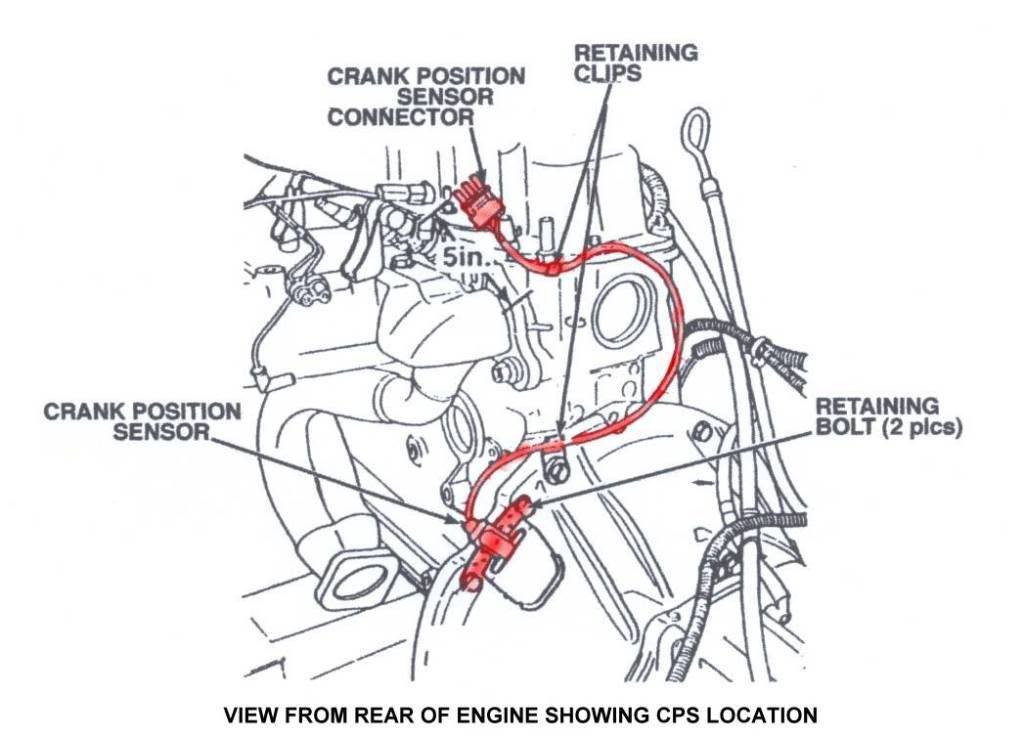
Location And Replacement
On the 1998 Jeep Grand Cherokee, the sensor sits near the bellhousing, at the back of the engine. Replacing it requires basic tools and some patience.
Steps to replace:
- Disconnect the battery.
- Locate the sensor at the upper left side of the bellhousing.
- Unplug the sensor’s electrical connector.
- Remove the mounting bolt.
- Carefully pull out the sensor.
- Install the new sensor, tighten the bolt, reconnect the plug.
- Reconnect the battery and test.
Usually, the sensor costs around $30-$50, and labor at a shop may be $100-$200.
98 Jeep Grand Cherokee Crankshaft Position Sensor: 98 Key Points
Every detail matters when troubleshooting, replacing, or maintaining this sensor. Here are 98 key facts and tips about the crankshaft position sensor for your 1998 Jeep Grand Cherokee:
- The sensor detects crankshaft rotation.
- It sends signals to the ECU.
- Without it, the engine can’t start.
- It’s located at the bellhousing.
- It works by sensing a reluctor ring.
- The sensor is magnetic.
- Failure causes stalling.
- It may cause misfires.
- Hard starting is a symptom.
- The sensor is cylindrical.
- It’s black plastic and metal.
- It has a 3-pin connector.
- It’s held by a single bolt.
- The sensor reads engine speed.
- It affects fuel injection timing.
- It affects ignition timing.
- It’s not the same as the cam sensor.
- Replacement takes 30–60 minutes.
- A faulty sensor can drain the battery.
- The ECU stores error codes.
- Code P0320 is common for failure.
- The sensor is non-adjustable.
- Use only OEM or quality aftermarket.
- Low voltage can cause issues.
- Heat and vibration can damage it.
- Water intrusion is rare but possible.
- Sensor wires must be intact.
- Sensor tip must be clean.
- The sensor costs $30–$50.
- Labor is $100–$200.
- DIY replacement is possible.
- Use a 10mm socket for removal.
- Disconnect the battery first.
- Remove airbox for easier access.
- Don’t overtighten mounting bolt.
- Avoid dropping the sensor.
- Use gloves to protect hands.
- Check connector for corrosion.
- Clear codes after replacement.
- Test drive after replacement.
- Bad sensor causes poor MPG.
- It can cause rough idle.
- Cold starts may worsen.
- ECU may enter limp mode.
- The sensor is under the firewall.
- Use a flashlight for visibility.
- Jack up the car for access.
- Support vehicle safely.
- Sensor failure can mimic fuel issues.
- Don’t confuse with cam sensor.
- Crank sensor is more critical.
- Sensor signal is AC voltage.
- Typical output is 0.5–1.5V.
- Use multimeter to test.
- No signal means replacement.
- Sensor is not serviceable.
- Only replace, not repair.
- Keep area clean during install.
- Connector must click firmly.
- Harness should not be loose.
- Protect sensor from heat.
- Use dielectric grease if needed.
- Don’t use force to install.
- Sensor length must match OEM.
- Wrong sensor causes problems.
- Aftermarket sensors vary in quality.
- Mopar is preferred brand.
- Sensor tip faces flywheel teeth.
- Flywheel must be intact.
- Damaged flywheel ruins sensor.
- Always check for codes.
- Clear codes with scan tool.
- Don’t ignore warning lights.
- Sensor is easy to find online.
- Jeep forums help with advice.
- Watch YouTube for guides.
- Clean hands prevent contamination.
- Sensor is small, easy to lose.
- Don’t let connector hang loose.
- Avoid cheap imitations.
- Buy from trusted stores.
- New sensor improves performance.
- Keep old sensor as backup.
- Check warranty on new part.
- Record replacement date.
- Check for other engine issues.
- Sensor lasts 100,000+ miles.
- Replace if over 10 years old.
- Common on high-mileage Jeeps.
- Sensor is part of emission system.
- Bad sensor fails emissions test.
- Always test after install.
- Sensor can fail suddenly.
- Carry spare for long trips.
- Sensor affects starting and driving.
- Don’t skip sensor when troubleshooting.
- Sensor is critical for engine health.
- Proper install prevents future issues.

Comparison Tables
Here are two tables to help you understand sensor options and troubleshooting:
| Brand | Price | Warranty | OEM Quality |
|---|---|---|---|
| Mopar | $50 | 12 months | Yes |
| Dorman | $40 | 12 months | No |
| Standard Motor | $35 | 12 months | No |
| Symptom | Possible Cause | Next Step |
|---|---|---|
| No Start | Failed sensor | Replace sensor |
| Stalling | Intermittent sensor | Test signal |
| Check Engine Light | Sensor or wiring | Scan codes |
Frequently Asked Questions
What Does The Crankshaft Position Sensor Do?
The crankshaft position sensor tells the engine computer the exact position of the crankshaft. This controls spark and fuel timing.
Where Is The Sensor Located On A 98 Jeep Grand Cherokee?
It sits near the top of the bellhousing, behind the engine, close to the firewall.
Can I Drive With A Bad Crankshaft Position Sensor?
Usually, you cannot. The Jeep may not start, stall, or run poorly. Replace it as soon as possible.
How Do I Know If My Sensor Is Bad?
Common signs are stalling, hard starting, and the check engine light. Use a scan tool to check for error codes.
What Is The Best Replacement Sensor Brand?
Mopar is preferred for OEM quality. Other brands work but may not last as long. Check reviews and warranty before buying.
Replacing the crankshaft position sensor in your 1998 Jeep Grand Cherokee is a smart move if you notice these symptoms. With careful work and the right part, your Jeep will run smoothly again. For more technical details, see AutoZone.