The air conditioning system in your '97 Jeep Wrangler is more than just a luxury; it's a crucial component for comfort, especially during hot summer drives or when tackling dusty off-road trails. At the heart of this system lies the AC compressor.
This part is essentially the "pump" of your AC system. It circulates refrigerant, which is the fluid that cools the air.
When your AC starts blowing warm air, or makes strange noises, the compressor is often the first component to suspect. Understanding how the AC compressor works, common issues, and how to maintain it can save you time, money, and a lot of sweat.
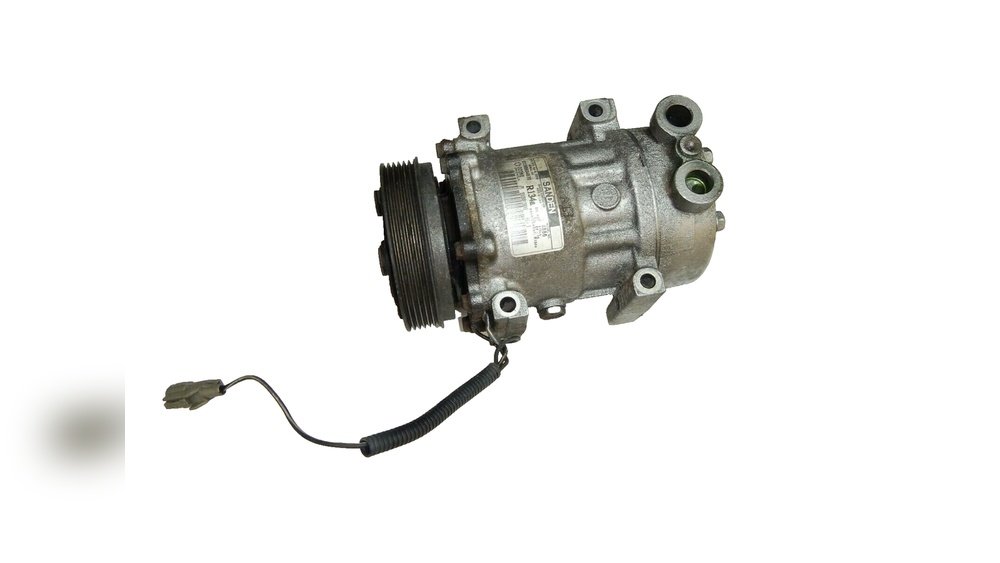
Understanding The Ac Compressor’s Role
The AC compressor is a mechanical device responsible for compressing the refrigerant gas. This compression process increases the refrigerant’s temperature and pressure. The hot, high-pressure gas then moves to the condenser, where it releases heat to the outside air and turns into a high-pressure liquid. This liquid then flows through an expansion valve or orifice tube, where its pressure drops suddenly, causing it to become very cold. Finally, this cold, low-pressure refrigerant flows into the evaporator, where it absorbs heat from the cabin air, thus cooling the air that is blown into the Jeep. The refrigerant then returns to the compressor as a low-pressure gas, and the cycle begins again.
For a ’97 Jeep Wrangler, the AC compressor is a vital piece of the overall air conditioning puzzle. Without a functioning compressor, the refrigerant cannot be pressurized, and the entire cooling cycle breaks down. This means no cold air will come out of your vents, making even short drives uncomfortable in warm weather.
Common Problems With The ’97 Jeep Wrangler Ac Compressor
Several issues can arise with the AC compressor on a ’97 Jeep Wrangler. Recognizing these problems early can prevent more severe damage and costly repairs.
Clutch Not Engaging
One of the most common issues is the AC compressor clutch failing to engage. The clutch is an electromagnetic device that connects the compressor pulley to the compressor shaft when the AC is turned on. If the clutch doesn’t engage, the compressor won’t spin, and therefore, won’t pump refrigerant.
Several factors can cause the clutch not to engage:
- Low Refrigerant Charge: Most AC systems have a low-pressure switch that prevents the compressor from engaging if the refrigerant level is too low. This is a safety feature to protect the compressor from running dry.
- Electrical Issues: Blown fuses, faulty relays, damaged wiring, or a bad clutch coil can all prevent the clutch from receiving the signal to engage.
- Worn Clutch: The clutch itself can wear out over time. The air gap between the clutch plate and the pulley might become too large, or the friction material could be worn down.
- Faulty AC Pressure Switch: These switches monitor the pressure in the system. If they fail, they might incorrectly signal that the pressure is too high or too low, preventing clutch engagement.
Compressor Noise
Unusual noises coming from the AC compressor are often a sign of internal wear or damage. These noises can vary:
- Grinding or Screeching: This often indicates that bearings within the compressor are failing or that there’s a lack of lubrication. It can also mean the compressor is seizing up.
- Clicking or Knocking: These sounds might suggest a problem with the clutch mechanism or internal damage to the compressor’s pistons or valves.
- Hissing: While some hissing can be normal as refrigerant flows, a loud or continuous hiss could indicate a leak within the compressor or its seals.
Leaks
AC compressors have seals that prevent refrigerant from escaping the system. Over time, these seals can degrade and develop leaks. A refrigerant leak will not only lead to a loss of cooling performance but can also cause the compressor to run without adequate lubrication, leading to internal damage. Signs of a leak might include oily residue around the compressor or a noticeable drop in cooling over time.
Overheating
If the AC system is overcharged with refrigerant, or if there are blockages in the system (like a clogged condenser or expansion valve), the compressor can work harder than it’s designed to. This can lead to overheating, which can cause premature wear and eventual failure.
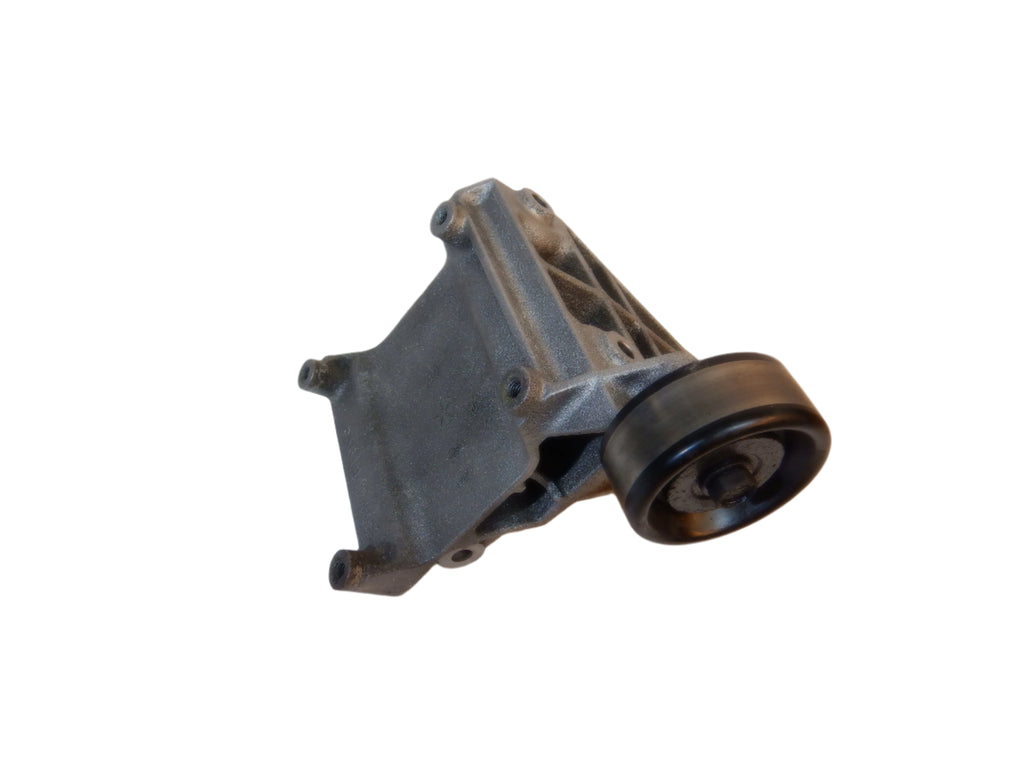
Diagnosing Ac Compressor Issues
Before assuming the compressor is bad, it’s important to perform some basic diagnostics. This can help you pinpoint the problem and potentially save you from unnecessary replacement costs.
Visual Inspection
Start with a thorough visual inspection. Look for any obvious signs of damage, such as cracks in the compressor housing, frayed or loose wiring, or oily residue around the compressor and its connections, which often indicates a refrigerant leak. Check the compressor clutch to see if it’s visibly damaged or if the belt is worn.
Checking The Clutch Engagement
With the engine running and the AC turned on (set to the coldest setting and highest fan speed), observe the front of the AC compressor. The pulley should be spinning, and you should hear a distinct “click” as the clutch engages. If the pulley spins but the center part of the clutch (the part attached to the compressor shaft) does not, the clutch is not engaging.
Electrical Checks
If the clutch isn't engaging, check the AC system's fuses and relays. Consult your '97 Jeep Wrangler owner's manual for their locations.
A blown fuse or a faulty relay is a common and relatively easy fix. You can also check for power at the AC compressor clutch connector using a multimeter.
If there’s no power, the problem lies upstream in the electrical system.
Refrigerant Pressure Check
Low refrigerant pressure is a frequent cause of clutch disengagement. While this requires specialized equipment (manifold gauges), a qualified mechanic can check the system's high and low-side pressures.
If the pressures are outside the normal operating range, it indicates a problem with the refrigerant charge or another component in the system.
Replacing The Ac Compressor On A ’97 Jeep Wrangler
Replacing an AC compressor is a complex job that often requires specialized tools and knowledge, especially regarding refrigerant handling. It’s usually best left to a professional mechanic. However, understanding the process can help you appreciate the work involved and the costs associated.
Safety Precautions
Refrigerant is a chemical that can be harmful if not handled properly. It’s also under pressure. Safety gear, including eye protection and gloves, is essential. Furthermore, regulations often require that refrigerant be recovered properly before the system is opened. Venting refrigerant into the atmosphere is illegal and harmful to the environment.
Step-by-step Overview (general)
- Refrigerant Recovery: The AC system must be evacuated using a recovery machine to remove all refrigerant.
- Belt Removal: The serpentine belt that drives the compressor pulley needs to be removed.
- Disconnection: Hoses carrying refrigerant to and from the compressor are disconnected. These connections are usually under pressure, so care must be taken.
- Mounting Bolts: The bolts holding the compressor to its mounting bracket are removed.
- Compressor Removal: The old compressor is carefully lifted out.
- Installation of New Compressor: The new compressor is positioned and secured with its mounting bolts. It’s crucial to ensure the correct type and amount of refrigerant oil is added to the new compressor, as specified by the manufacturer.
- Hose Reconnection: The refrigerant lines are reconnected to the new compressor. New O-rings are typically used at these connections to ensure a proper seal.
- Belt Installation: The serpentine belt is reinstalled.
- System Evacuation and Vacuum: The system is then evacuated again using a vacuum pump. This removes any air and moisture from the system, which can be detrimental to AC components. A vacuum also helps test for leaks.
- Refrigerant Recharge: The system is recharged with the correct type and amount of refrigerant. This is critical for proper operation and longevity of the compressor.
- Leak Testing and Performance Check: After charging, the system is checked for leaks, and its cooling performance is verified.
Importance Of Oil And Refrigerant Charge
When replacing a compressor, it’s vital to use the correct type and amount of refrigerant oil. Different compressors and refrigerants require specific oils. Adding too much or too little oil, or the wrong type, can lead to compressor failure. Similarly, an improper refrigerant charge (either over or under) will significantly reduce cooling efficiency and can damage the compressor.
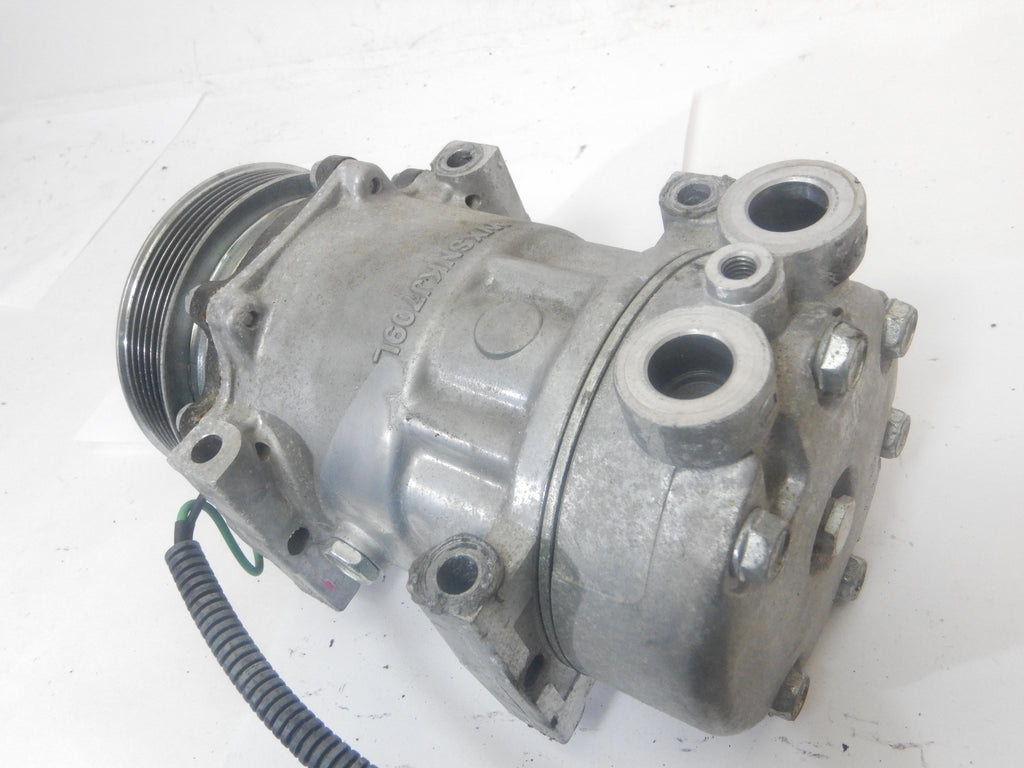
Compressor Types For The ’97 Jeep Wrangler
While your ’97 Jeep Wrangler likely came with a specific type of compressor, understanding the different types can be helpful if you’re looking for replacements or learning about AC systems in general. The most common type for vehicles of this era is the piston-style compressor.
Piston Compressors
These are the most prevalent type. They use pistons, much like an engine, to compress the refrigerant. They are generally reliable and effective. For your ’97 Wrangler, it’s likely a variable displacement piston compressor or a fixed displacement piston compressor.
- Fixed Displacement: These compressors displace a set amount of refrigerant with each rotation. They are either engaged or disengaged.
- Variable Displacement: These compressors can adjust their displacement (how much refrigerant they compress) based on system demand, often controlled by a pressure sensor or a clutch solenoid. This can lead to slightly better fuel efficiency as the compressor doesn’t always run at full capacity.
Rotary Vane Compressors (less Common In This Era)
While less common in Wranglers of this vintage, rotary vane compressors use rotating vanes within a cylinder to compress refrigerant.
Scroll Compressors (even Less Common)
These use two interleaved scrolls to compress refrigerant. They are known for their quiet operation and efficiency but were less common in older Jeep models.
When purchasing a replacement compressor for your ’97 Wrangler, it’s essential to match the original equipment manufacturer (OEM) specifications or choose a reputable aftermarket part designed specifically for your vehicle.
Maintenance Tips For Longevity
Proper maintenance can significantly extend the life of your AC compressor and the entire AC system.
Regular System Checks
- Run the AC Regularly: Even in cooler months, run your AC for a few minutes at least once a month. This helps keep the seals lubricated and prevents refrigerant from escaping.
- Listen for Unusual Noises: Pay attention to any new sounds coming from the AC system, especially when the compressor engages. Grinding, squealing, or loud clicking should be investigated.
- Monitor Cooling Performance: If you notice a gradual decrease in cooling performance, it could indicate a refrigerant leak or a system issue that needs attention.
Keep The Condenser Clean
The condenser, located in front of the radiator, is responsible for dissipating heat from the refrigerant. If it becomes clogged with dirt, leaves, or debris, it cannot efficiently release heat. This makes the entire system, including the compressor, work harder and can lead to overheating. Periodically rinse the condenser with a gentle stream of water.
Belt Inspection
The serpentine belt that drives the compressor pulley needs to be in good condition. Inspect it for cracks, fraying, or glazing. A worn or loose belt can slip, reducing the compressor’s efficiency and potentially causing damage.
Professional Servicing
Consider having your AC system professionally serviced every few years. A technician can check refrigerant levels, inspect for leaks, and ensure all components are functioning correctly. This proactive approach can catch small issues before they become major problems.

Common Replacement Parts And Considerations
When it’s time to replace the AC compressor on your ’97 Jeep Wrangler, you’ll likely need more than just the compressor itself.
Essential Replacement Parts
- Receiver/Drier or Accumulator: This component stores excess refrigerant and removes moisture from the system. It should always be replaced when the AC system is opened, as it can become saturated with moisture over time.
- Expansion Valve or Orifice Tube: This device controls the flow of refrigerant into the evaporator. It can become clogged or fail, so it’s often recommended to replace it as well.
- O-Rings and Seals: New O-rings should be used on all refrigerant line connections to prevent leaks.
- Refrigerant Oil: As mentioned, the correct type and amount of oil must be added to the new compressor.
Aftermarket Vs. Oem
You have the choice between OEM (Original Equipment Manufacturer) parts and aftermarket parts.
- OEM parts are made by or for the vehicle manufacturer and are generally guaranteed to fit and perform as intended. They are often more expensive.
- Aftermarket parts are made by other companies. Quality can vary significantly. Some aftermarket brands are excellent and offer great value, while others might be of lower quality. It’s wise to research reputable aftermarket brands known for AC components.
Remanufactured Compressors
Remanufactured compressors are a good middle-ground option. They are used compressors that have been completely rebuilt, tested, and come with a warranty. They can offer significant savings compared to new OEM parts. Ensure the remanufacturer has a good reputation.
Troubleshooting Specific Issues
Let’s break down some common symptoms and what they might mean for your ’97 Jeep Wrangler’s AC compressor.
Symptom: Ac Blows Warm Air, But The Clutch Engages.
- Possible Causes:
- Low Refrigerant Charge: Even if the clutch engages, if the refrigerant level is too low, there isn’t enough to absorb heat effectively.
- Blockage in the System: A clogged expansion valve, orifice tube, or condenser can restrict refrigerant flow.
- Faulty Evaporator or Condenser: These components can become inefficient or damaged.
- Blend Door Actuator Issue: The blend door controls whether air passes through the evaporator (for cooling) or bypasses it. If it’s stuck in the wrong position, you’ll get warm air.
- Compressor Internal Failure: The compressor might be spinning, but its internal components (pistons, valves) might be worn or damaged, preventing proper compression.
Symptom: Ac Clutch Engages, Then Disengages Repeatedly (short Cycling).
- Possible Causes:
- Overcharged System: Too much refrigerant increases system pressure, causing the high-pressure switch to shut off the compressor.
- Faulty High-Pressure Switch: The switch itself might be malfunctioning and signaling an overpressure condition incorrectly.
- Clogged Condenser: Poor heat dissipation from the condenser leads to high pressure.
- Cooling Fan Issue: If the electric cooling fan (if equipped) or engine-driven fan isn’t working properly, the condenser won’t get enough airflow to reduce pressure.
Symptom: Ac Blows Cold Air, But There’s A Loud Noise From The Compressor.
- Possible Causes:
- Bearing Failure: The internal bearings of the compressor are likely failing, causing grinding or screeching noises



















