The 93 Jeep Wrangler wheel bolt pattern is a crucial piece of information for any owner looking to upgrade or replace their wheels. Understanding this pattern ensures that new wheels will fit correctly, safely, and without causing damage to your vehicle.
While the Jeep Wrangler is known for its ruggedness and off-road capabilities, the specifics of its wheel fitment are surprisingly consistent across many generations, with the 93 Jeep Wrangler following a long-standing tradition.
This article will break down what the wheel bolt pattern means, how to identify it for your 93 Jeep Wrangler, and what factors to consider when choosing new wheels to ensure a perfect match.
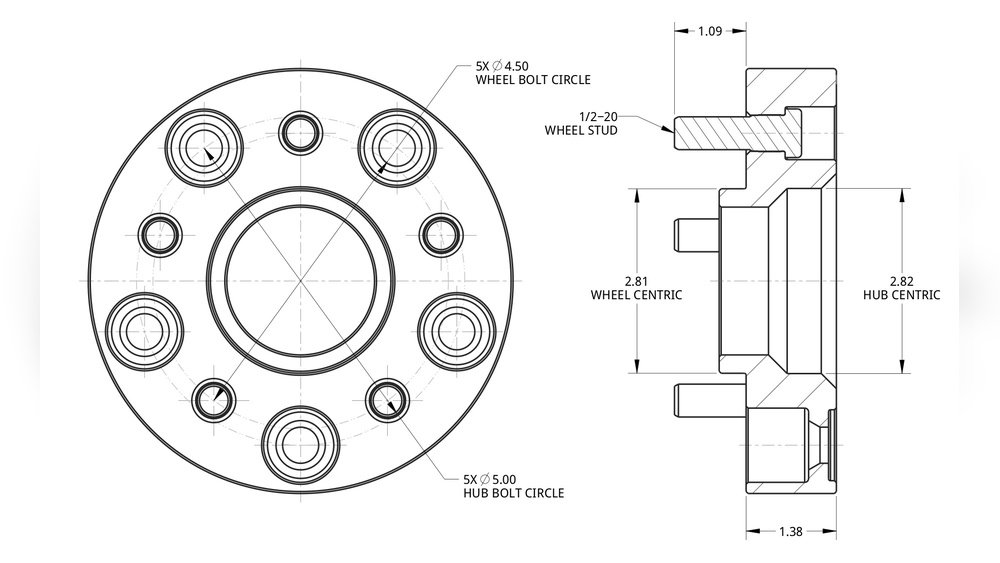
We'll explore the common patterns, the importance of offset and backspacing, and what might happen if you choose the wrong fitment. For off-road enthusiasts and daily drivers alike, getting the wheel bolt pattern right is the first step to customizing your Wrangler and keeping it performing at its best.
Understanding Wheel Bolt Patterns
A wheel bolt pattern, also known as a PCD (Pitch Circle Diameter), is a set of numbers that describe the size and configuration of the wheel studs or lug bolts on your vehicle. It tells you how many bolts (or studs) are used and the diameter of the circle they form. This is one of the most critical factors when selecting aftermarket wheels.
The Anatomy Of A Bolt Pattern
The bolt pattern is expressed in two parts: the number of bolt holes and the diameter of the bolt circle. For example, a common pattern is 5×5.5 inches. This means there are 5 bolt holes, and the diameter of the circle connecting the center of these bolt holes is 5.5 inches.
- Number of Bolt Holes: This is usually 4, 5, or 6, though some vehicles may have more.
- Bolt Circle Diameter: This is the distance across the center of the wheel where the bolts are located. It’s measured in inches or millimeters.
For the 93 Jeep Wrangler, the specific pattern is a key detail that dictates compatibility. Incorrectly matching this pattern can lead to wheels that don’t fit at all, or worse, wheels that fit but are unsafe and can cause damage.
Why The Bolt Pattern Matters
The bolt pattern is essentially the handshake between your wheel hub and the wheel itself. If the pattern doesn’t match, the wheel cannot be securely attached.
- Safety: A correctly matched bolt pattern ensures the wheel is centered and securely fastened to the hub. An incorrect fit can lead to vibrations, uneven tire wear, and in extreme cases, the wheel coming loose while driving.
- Performance: Properly fitted wheels contribute to balanced handling and ride quality.
- Aesthetics: While not directly related to function, the correct bolt pattern is the foundation for achieving the desired look with new wheels.
- Compatibility: It’s the primary filter for determining which wheels will physically bolt onto your 93 Jeep Wrangler.
Common Bolt Patterns In Jeep Wranglers
Jeep has used several bolt patterns throughout its history. Older models, particularly those from the CJ era, often used different patterns than the more modern TJ, JK, and JL generations. However, there are some common threads.
The most prevalent bolt pattern for many Jeep Wrangler models, including the YJ generation that the 93 model falls under, is 5×5.5 inches. This pattern has been a staple for a long time, making it a popular choice for aftermarket wheel manufacturers to support.
How To Measure Or Find Your Bolt Pattern
If you’re unsure about your vehicle’s bolt pattern, there are a few ways to find out.
- Consult Your Owner’s Manual: This is the most reliable source for factory specifications.
- Look Up Your Vehicle Online: Many automotive databases provide detailed specifications for specific makes and models.
- Measure It (with caution): If you have a wheel off the vehicle, you can measure it. For a 5-lug pattern, measure from the *outside edge* of one stud to the *center* of the stud two positions away, then add a small amount. It’s easier and more accurate to find a reliable chart or spec sheet online for your specific year and model. A quick search for “93 Jeep Wrangler wheel bolt pattern” will typically yield the correct answer.
For the 93 Jeep Wrangler, the confirmed pattern is 5×5.5 inches. This is a critical piece of information for anyone planning wheel upgrades.
The Specifics: 93 Jeep Wrangler Wheel Bolt Pattern
The 1993 Jeep Wrangler, belonging to the YJ generation, firmly utilizes the 5×5.5 inch (or 5×139.7mm) wheel bolt pattern. This is a widely recognized and historically significant bolt pattern within the Jeep community, especially for models predating the TJ generation.
Why 5×5.5 Inches?
The 5×5.5-inch bolt pattern has been a standard for many Jeep vehicles for decades, dating back to the early CJ models. This consistent use has several advantages:
- Parts Availability: Because so many Jeep models share this pattern, there is an enormous aftermarket selection of wheels designed to fit. This means you have a vast array of choices, from rugged off-road wheels to stylish street wheels.
- Interchangeability: It allows for a degree of interchangeability with other Jeep models and even some other makes that adopted this common pattern.
- Strength: The 5-lug design with a 5.5-inch circle is robust and capable of handling the stresses associated with off-road driving, which is a hallmark of the Wrangler.
What This Means For Your 93 Wrangler
When you are searching for new wheels for your 93 Jeep Wrangler, your primary filter should be the 5×5.5 inch bolt pattern. Any wheel that does not have this specific pattern will not fit your vehicle.
This pattern is also sometimes referred to by its metric equivalent, 5×139.7mm. While most manufacturers will list it as 5×5.5, knowing the metric equivalent can be helpful when looking at wheels from brands that primarily use metric measurements.
Beyond The Bolt Pattern: Other Fitment Factors
While the bolt pattern is the first and most important hurdle, it’s not the only factor to consider for wheel fitment. Once you confirm a wheel has the 5×5.5 bolt pattern, you must also consider:
- Offset: This refers to the distance from the wheel’s mounting surface to the centerline of the wheel. A positive offset pushes the wheel inward, while a negative offset pushes it outward. For Wranglers, a negative offset is often preferred for off-road use to provide more clearance for suspension components and wider tires.
- Backspacing: This is the distance from the back of the wheel mounting surface to the outer lip of the wheel. It’s closely related to offset but measured differently. Lower backspacing (which usually corresponds to a more negative offset) is common for off-road builds.
- Center Bore: This is the hole in the center of the wheel that fits over your Jeep’s hub. If the center bore of an aftermarket wheel is too small, it won’t fit. If it’s too large, you’ll need hub-centric rings to ensure a snug fit and prevent vibrations. The 93 Jeep Wrangler has a specific center bore size that should be checked against aftermarket wheel specifications.
- Wheel Diameter and Width: These determine the overall size of the wheel and how much tire it can accommodate. Larger diameter wheels are common for aesthetics, while wider wheels can support wider tires for better traction off-road.
Ensuring all these factors are correct, in addition to the 5×5.5 bolt pattern, will guarantee a proper and safe fit for your 1993 Jeep Wrangler.

Exploring Wheel Options For The 93 Jeep Wrangler
With the 5×5.5 inch bolt pattern confirmed for your 93 Jeep Wrangler, you have a vast world of wheel options. The YJ generation is particularly popular for modifications, and manufacturers cater to this demand with a wide range of styles and functionalities.
Popular Wheel Styles And Designs
The choice of wheel style often depends on the intended use of your Wrangler.
- Off-Road Wheels: These are typically designed for durability and performance in harsh conditions. They often feature a rugged, utilitarian look with strong beadlock or simulated beadlock designs, deep lips, and exposed lug nuts. Common finishes include matte black, anthracite, and gunmetal grey.
- Street/All-Terrain Wheels: These wheels balance aesthetics with practicality. They might have more intricate spoke designs, polished lips, or chrome finishes. While still robust, they are often chosen for a more refined look for daily driving or light trail use.
- Classic Designs: Some owners prefer to stick with classic Jeep wheel designs, such as the iconic “Canyon” or “Moab” style wheels, which might be available in aftermarket versions that fit the 5×5.5 pattern.
Material Considerations
Wheels are primarily made from two materials: steel and aluminum alloy.
- Steel Wheels:
- Pros: Inexpensive, very durable, and easy to repair if damaged (can often be hammered back into shape). They are a popular choice for hardcore off-roaders who expect to encounter rough terrain.
- Cons: Heavy, which can negatively impact fuel economy and suspension performance. They are also more prone to rust if not properly maintained.
- Aluminum Alloy Wheels:
- Pros: Significantly lighter than steel wheels, which improves fuel efficiency, acceleration, and handling. They also offer a wider range of complex and attractive designs.
- Cons: More expensive than steel wheels. They can be more brittle and prone to cracking under severe impact, though modern alloys are very strong. Repairs can be more difficult or impossible for severely damaged alloy wheels.
For a 93 Jeep Wrangler, both steel and aluminum alloy wheels are viable options. Steel is often chosen for budget-conscious or extreme off-road builds, while aluminum alloy is favored for its weight savings and aesthetic versatility.
Common Wheel Brands For Jeep Wranglers
Many reputable wheel manufacturers produce wheels that fit the 5×5.5 bolt pattern and are designed with Jeep Wranglers in mind. Some popular brands include:
- Method Race Wheels: Known for high-quality, durable off-road wheels.
- Fuel Off-Road: Offers a wide variety of aggressive and stylish designs.
- Mickey Thompson: Famous for performance tires and wheels, often catering to off-road enthusiasts.
- Pro Comp: A long-standing name in off-road suspension and wheels.
- Rugged Ridge: Offers a broad range of Jeep accessories, including wheels.
- American Racing: A classic brand with a long history in wheel manufacturing, offering various styles.
When selecting a brand, consider their reputation for quality, the specific designs they offer, and whether they cater to the off-road or street-oriented needs of your 93 Jeep Wrangler.
Sizing Considerations: Diameter, Width, And Tire Fitment
Beyond the bolt pattern, the physical dimensions of the wheel are crucial for tire fitment and overall vehicle stance.
- Diameter: Common sizes for the 93 Jeep Wrangler range from 15 inches (often used with larger, more aggressive tires for off-roading) up to 18 inches or even larger for street-focused builds. Larger diameter wheels typically require lower profile tires.
- Width: Wheel width typically ranges from 7 inches to 10 inches or more. A wider wheel can accommodate a wider tire, providing a larger contact patch for better grip. The appropriate width depends on the tire size you plan to run.
- Tire Size Interaction: The wheel diameter and width must be compatible with the tire size you intend to use. For instance, a 33-inch tire might look good on a 15×8 inch wheel, while a 35-inch tire might require a 17×9 inch wheel for optimal performance and clearance. Always check tire manufacturer recommendations for compatible wheel sizes.
The 5×5.5 bolt pattern is your starting point, but careful consideration of diameter, width, offset, and backspacing is essential for a successful wheel upgrade on your 93 Jeep Wrangler.
The Importance Of Offset And Backspacing
While the 93 Jeep Wrangler wheel bolt pattern of 5×5.5 inches is the key to making wheels physically bolt on, offset and backspacing are critical for proper fitment, suspension clearance, and the overall stance of your vehicle. These two measurements work together to determine how far the wheel sits in relation to the fender and the suspension components.
Understanding Wheel Offset
Offset is the distance between the wheel’s mounting surface (where it bolts to the hub) and the centerline of the wheel. It’s typically measured in millimeters (mm).
- Positive Offset (+): The mounting surface is *in front* of the wheel’s centerline. This pushes the wheel *inward* towards the vehicle’s suspension. Most modern passenger cars have positive offset wheels.
- Negative Offset (-): The mounting surface is *behind* the wheel’s centerline. This pushes the wheel *outward*, away from the vehicle’s suspension and towards the fender. Off-road vehicles like the Jeep Wrangler often benefit from negative offset.
- Zero Offset (0): The mounting surface is exactly at the wheel’s centerline.
For a 93 Jeep Wrangler, many off-road enthusiasts opt for wheels with a negative offset. This helps to:
- Increase Clearance: Pushes the wheel and tire further out, providing more room for suspension components, especially when lifted or using larger tires.
- Improve Stance: Gives the Jeep a more aggressive, wider appearance.
- Accommodate Wider Tires: Helps to keep wider tires from rubbing on suspension arms or fenders.
Understanding Backspacing
Backspacing is the measurement from the back of the wheel mounting surface to the *outer lip* of the wheel. It is usually measured in inches. Backspacing is directly related to offset but is a more practical measurement for determining clearance against suspension components.
- Lower Backspacing: Generally means the wheel sits further out, similar to a negative offset.
- Higher Backspacing: Generally means the wheel sits further in, similar to a positive offset.
A common backspacing for a 93 Jeep Wrangler that uses the 5×5.5 bolt pattern and is fitted with larger tires might be in the range of 3.75 to 4.5 inches. This range often provides a good balance for clearance and stability.
The Relationship Between Offset And Backspacing
Offset and backspacing are interconnected. A wheel with a specific offset will have a corresponding backspacing, and vice versa.
However, the exact relationship depends on the wheel's diameter and width.
- Example: A 15×8 inch wheel with a -25mm offset might