The Enduring Appeal Of The ’90s Jeep Enforcer Power Wheels
The '90s were a golden era for many things, including iconic toys that captured the imagination of a generation. Among these, the Power Wheels brand held a special place, offering children a taste of automotive freedom in a safe, scaled-down package.
One particular model that stands out for its rugged charm and adventurous spirit is the '90s Jeep Enforcer Power Wheels. This toy wasn't just a ride-on; it was a gateway to countless backyard expeditions, a symbol of childhood independence, and a cherished memory for many who grew up with it.
The allure of the Jeep Enforcer was rooted in its design. It mimicked the popular Jeep Cherokees and Wranglers of the time, complete with a sturdy build, often in bold colors like red, blue, or green, and sometimes featuring realistic details like a pretend spare tire on the back or a roll bar.
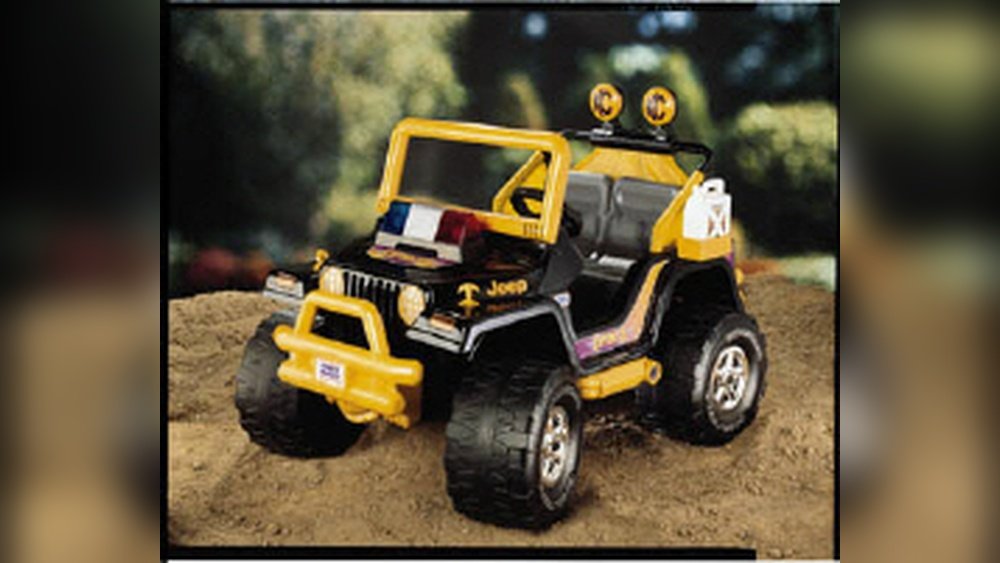
These features weren’t just cosmetic; they contributed to the toy’s perceived durability and its promise of off-road adventure, even if that adventure was limited to the family lawn or a gravel driveway. For a child, this was more than enough to fuel hours of imaginative play, transforming ordinary spaces into challenging terrains ripe for exploration.
The Jeep Enforcer Power Wheels was more than just a toy; it was an experience. It offered a tangible sense of control and agency to young drivers, allowing them to navigate their world on their own terms. The simple operation, usually a forward pedal and a gear shifter, was easy for even the youngest children to master, while the speed, typically around 2.5 mph, was safe enough for parents to supervise without constant worry. This balance of fun and safety made it a popular choice for birthday gifts and holiday presents, cementing its status as a beloved item of ’90s childhood.
Design And Features That Defined The Jeep Enforcer
When the ’90s Jeep Enforcer Power Wheels first rolled onto the scene, its design immediately set it apart. It wasn’t just a generic plastic car; it was a deliberate effort to replicate the rugged, adventurous aesthetic of real Jeep vehicles. This attention to detail is what made it so appealing to both children and parents.
The Iconic Jeep Silhouette
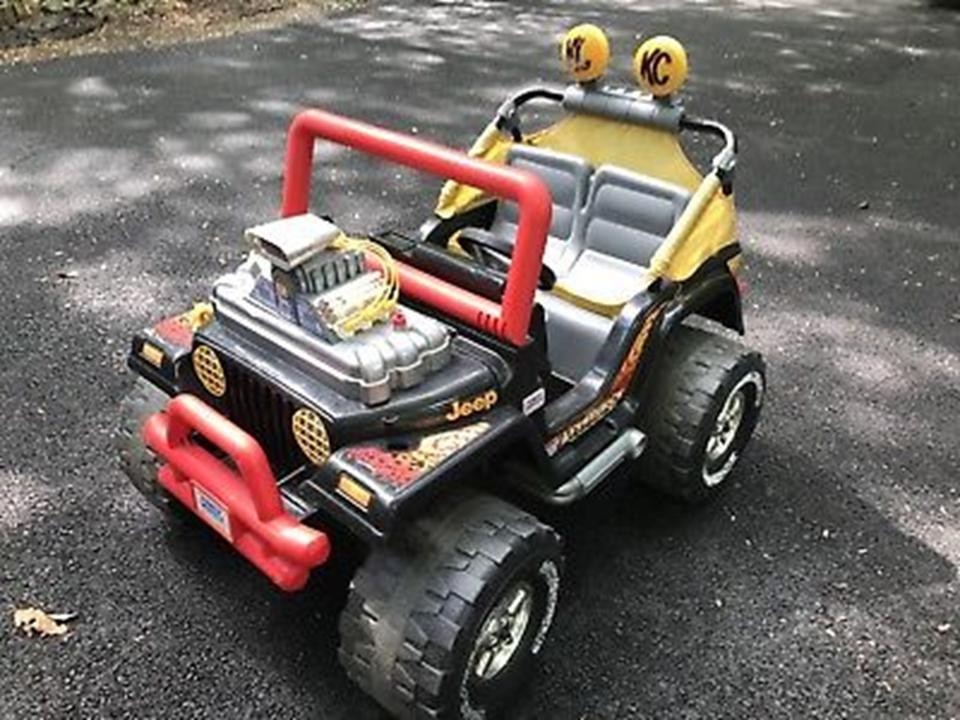
The most striking feature of the Jeep Enforcer was its authentic Jeep styling. Manufacturers meticulously recreated the boxy, utilitarian look that Jeep is famous for. This included the signature seven-slot grille, round headlights, and a slightly raised profile that gave it a formidable presence. Models often featured a detachable windshield, adding another layer of realism and allowing for different play scenarios. The overall shape was instantly recognizable, evoking a sense of outdoor adventure and capability.
Robust Construction For Backyard Exploration
Beyond its looks, the Power Wheels Jeep Enforcer was built to last. Constructed from durable plastic, it could withstand the bumps and scrapes that inevitably come with active play. The wheels were designed to provide decent traction on various surfaces, from smooth pavement to grass and even light dirt. Many models included a pretend roll bar, not only enhancing the off-road look but also offering a sturdy point for parents to potentially hold onto or for children to grip. The overall build quality contributed to its reputation as a reliable toy that could endure years of use.
Functional Details For Enhanced Play
The designers didn’t stop at just the exterior. The Jeep Enforcer often came with features that enhanced the play experience:
- Working Doors: Some versions featured doors that could actually open and close, allowing children to “get in” and “out” of the vehicle, adding to the role-playing aspect.
- Steering Wheel and Dashboard: A realistic steering wheel, often with a working horn button (producing a simple electronic sound), and a dashboard with pretend gauges and switches made the driving experience more immersive.
- Gear Shifter: A simple shifter that allowed for forward and sometimes reverse motion added a touch of operational complexity that felt engaging for young drivers.
- Power Source: These vehicles were powered by rechargeable 6-volt or 12-volt batteries. The 12-volt models offered a bit more speed and power, making them particularly thrilling. Battery life was typically sufficient for a good hour or two of playtime on a full charge, depending on the terrain and weight of the rider.
The combination of these design elements, the authentic Jeep look, robust construction, and interactive features, made the ’90s Jeep Enforcer Power Wheels a standout toy that offered a compelling blend of realism and fun.

Performance And Playability: What Made It Fun
The ’90s Jeep Enforcer Power Wheels wasn’t just about looking good; it was designed to provide an engaging and fun driving experience for children. Its performance characteristics, though simple by today’s standards, were perfectly tuned for backyard adventures.
Speed And Power: The Right Balance
The typical speed for a Power Wheels Jeep Enforcer in the ’90s ranged from 1.5 to 2.5 miles per hour (mph). This was a crucial design choice. It was fast enough to feel like real driving to a child, offering a sense of excitement and independence, but slow enough to be safe for supervision. Parents could easily keep pace with their children, and the risk of serious injury from falls or collisions was minimal.
Models with a 12-volt battery generally offered slightly higher speeds and better torque compared to the 6-volt versions. This meant they could handle slightly more challenging terrain, like gentle slopes or thicker grass, with more ease. The transition from a standstill to moving was smooth, typically initiated by pressing a foot pedal, which also acted as the brake when released.
While primarily designed for smooth surfaces like driveways and sidewalks, the Jeep Enforcer could handle a surprising variety of backyard environments. Its sturdy plastic wheels with some tread provided adequate grip on:
- Grass: Shorter, well-maintained grass was generally manageable, especially for lighter riders or on flatter ground.
- Dirt Paths: Compacted dirt or light gravel driveways were often ideal for these toys, offering a bit more of an “off-road” feel.
- Pavement: This was the optimal surface, allowing for the smoothest ride and longest battery life.
However, steep hills, very thick or wet grass, or loose sand could pose challenges. The motor might struggle, and the wheels could spin without gaining traction.
This limitation, however, often encouraged imaginative problem-solving, as kids would find ways to overcome obstacles or stick to the paths their Power Wheels could conquer.
Battery Life And Recharging Considerations
The rechargeable battery was the heart of the Power Wheels experience. In the ’90s, battery technology was less advanced than today. A typical charge would yield anywhere from 45 minutes to 1.5 hours of playtime. This duration was often influenced by factors such as:
- Rider’s weight: Heavier riders consumed more battery power.
- Terrain: Driving on grass or inclines required more energy than smooth pavement.
- Battery age and condition: Older batteries naturally held less charge.
Recharging typically took several hours, often overnight. This meant that planning playtime was essential. Parents would often charge the battery overnight so it was ready for use the next day. Some families opted for a second battery to allow for continuous play, swapping them out when one ran low. This was a common strategy for maximizing the fun.
The performance of the Jeep Enforcer Power Wheels, with its balanced speed, decent terrain capability, and manageable battery life, made it a highly playable and enjoyable toy that consistently delivered on its promise of adventure.
Maintenance And Longevity: Keeping The Enforcer Rolling
Like any beloved toy, the ’90s Jeep Enforcer Power Wheels benefited from proper care. While built tough, a little maintenance could significantly extend its lifespan and ensure it continued to provide joy for years, or even across siblings.
Battery Care: The Key To Longevity
The rechargeable battery was the most critical component. To maximize its life:
- Full Charge: Always ensure the battery is fully charged before the first use and after each play session. Leaving a battery partially discharged for extended periods could degrade its capacity.
- Avoid Overheating: Do not leave the battery in direct sunlight or hot environments for long periods, as heat can damage battery cells.
- Proper Storage: If storing the Power Wheels for an extended time (e.g., over winter), charge the battery fully and then disconnect it from the toy. It’s also advisable to recharge it every few months during storage to maintain its charge.
- Replacement: Batteries have a finite lifespan. After several years of use, performance will degrade. Replacement batteries were, and still are, available from manufacturers or third-party suppliers.
Cleaning And General Upkeep
Keeping the Jeep Enforcer clean was straightforward and important for preventing rust or degradation of plastic parts:
- Wipe Down: Regularly wipe down the exterior with a damp cloth to remove dirt, mud, and grime. For tougher spots, mild soap and water could be used, followed by a thorough rinse and drying.
- Check for Damage: Periodically inspect the wheels, body, and any moving parts for cracks or loose components. Small repairs, like tightening screws or securing loose plastic, could prevent bigger issues.
- Motor Area: While generally sealed, keeping the area around the motor free of excessive dirt and debris was beneficial. Avoid submerging the toy in water.
Troubleshooting Common Issues
Even the most durable toys can encounter problems. Some common issues with ’90s Power Wheels included:
- Not Moving: This could be due to a drained battery, a loose battery connection, a tripped circuit breaker (often a small red button on the battery pack or motor), or a faulty motor.
- Slow Movement: Often a sign of a weakening battery, a heavy rider, or driving on difficult terrain.
- Intermittent Power: Could indicate loose wiring or a battery that is nearing the end of its life.
Many of these issues could be addressed with basic troubleshooting, such as checking connections, resetting the circuit breaker, or replacing the battery. For more complex electrical problems, consulting a repair manual or seeking help from a hobbyist with experience in Power Wheels modification could be an option.
The durability of the ’90s Jeep Enforcer meant that with relatively simple care, it could remain a functional and cherished toy for many years, becoming a piece of nostalgic memorabilia for those who owned one.
The Nostalgia Factor: Why The ’90s Jeep Enforcer Still Resonates
The ’90s Jeep Enforcer Power Wheels holds a special place in the hearts of many adults today, not just as a toy, but as a powerful symbol of their childhood. The nostalgia surrounding this particular model is multifaceted, blending memories of freedom, adventure, and a simpler time.
A Symbol Of Childhood Independence
For many children growing up in the ’90s, the Power Wheels Jeep Enforcer represented their first taste of autonomy. Being able to “drive” themselves around the yard, to decide where to go and when, fostered a sense of independence that was incredibly empowering. It was a tangible way to explore their immediate world, to feel in control, and to emulate the adult world they saw around them. The ability to traverse the backyard, to go “off-road” on the lawn, or to embark on a “safari” around the house, created countless stories and cherished memories.
The “cool Factor” Of The Jeep Brand
Jeep has always been synonymous with adventure, ruggedness, and capability. This brand identity translated directly to the Power Wheels version. The iconic Jeep silhouette, complete with its distinctive grille and sturdy build, made the Enforcer one of the most desirable ride-on toys. It wasn’t just any plastic car; it was a miniature Jeep, a vehicle that promised excitement and exploration. This association with a respected automotive brand gave the toy an inherent “cool factor” that appealed to kids who wanted to emulate the adventurous spirit of their parents or favorite characters.
Simplicity And Imaginative Play
In an era before ubiquitous smartphones and complex electronic entertainment, toys like the Jeep Enforcer thrived on simplicity and the power of imagination. The toy provided the basic vehicle, but it was the child’s mind that filled in the details: the roaring engine sound, the challenging terrain, the dramatic rescue missions. This open-ended play encouraged creativity and storytelling, skills that are invaluable in development. The physical act of driving, steering, and navigating also provided essential sensory input and motor skill development, all while being incredibly fun.
The ’90s Jeep Enforcer Power Wheels is part of a shared cultural memory for millions of people. It’s a toy that many parents might have owned themselves or can now share with their own children. This generational connection adds another layer to its nostalgic appeal. Discussing memories of their old Power Wheels, the adventures they had, or even the modifications they made, creates a bonding experience. It’s a tangible link to the past, a reminder of simpler times and the pure joy of childhood play. The enduring presence of Power Wheels, with updated models, also allows for this nostalgia to be passed down, creating new memories built on the foundation of classic designs.
The ’90s Jeep Enforcer Power Wheels was more than just plastic and a motor; it was a vehicle of imagination, a symbol of freedom, and a cornerstone of childhood for a generation, making its nostalgic resonance incredibly strong even today.
Comparing The ’90s Jeep Enforcer To Other Power Wheels Models
While the Jeep Enforcer was a standout, Power Wheels offered a wide array of vehicles in the ’90s. Comparing the Enforcer to some of its contemporaries highlights its unique appeal and place within the Power Wheels lineup.
The Enforcer Vs. Sports Cars And Atvs
Power Wheels also produced models that mimicked sleek sports cars (like Ferraris or Porsches) and rugged ATVs.
- Sports Cars: These models focused on speed and a flashy appearance. They often had lower profiles and were best suited for smooth surfaces. While appealing for their “cool” factor, they lacked the rugged, adventurous image of the Jeep Enforcer.
- ATVs: These were designed for a more off-road feel, often with knobbier tires and a more robust stance than sports cars. However, they sometimes lacked the iconic, recognizable silhouette that the Jeep Enforcer possessed.
The Jeep Enforcer struck a balance. It offered the adventure aesthetic of an ATV with the familiarity and brand recognition of a Jeep. Its slightly higher profile and more open design made it feel more accessible for younger children compared to some lower-slung sports cars.
Power Differences: 6-volt Vs. 12-volt Models
Within the Power Wheels range, including the Jeep Enforcer, battery voltage was a key differentiator in performance.
- 6-Volt Models: These were typically the entry-level options. They offered a single



















