Understanding The 6 Volt Battery For Your Hot Wheels Ride-on Jeep
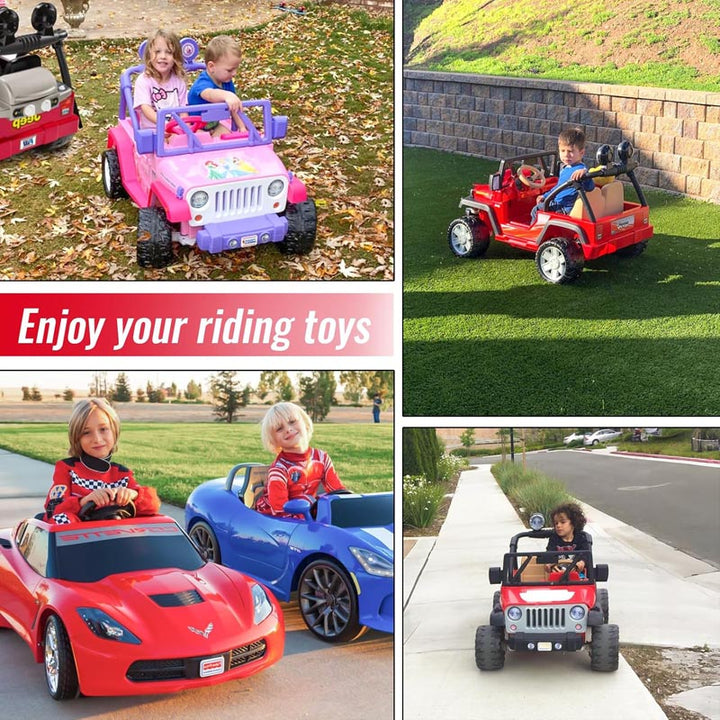
For many children, the joy of a Hot Wheels ride-on jeep is amplified by the freedom to explore their own little world. These battery-powered vehicles bring imagination to life, allowing kids to cruise around the backyard or driveway in their favorite miniature car.
At the heart of this exciting experience is the 6-volt battery. This power source is crucial for the jeep's operation, dictating its speed, run time, and overall performance.
Choosing the right battery, understanding its care, and knowing when to replace it are essential for keeping the fun rolling.
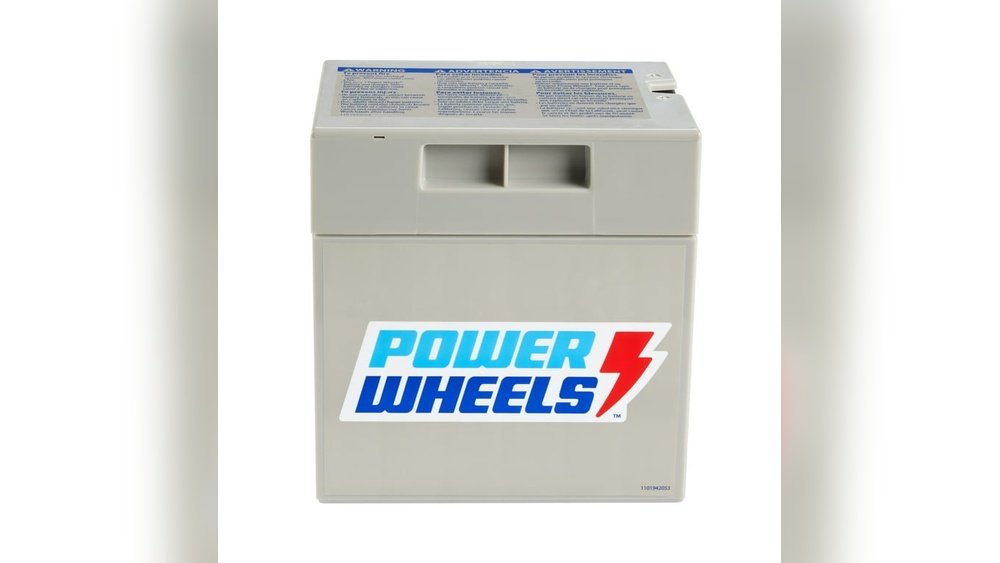
This guide will walk you through everything you need to know about the 6-volt battery for your Hot Wheels ride-on jeep, ensuring your child gets the most out of their playtime.
The 6-volt system is a common choice for many children's ride-on toys. It offers a good balance between power and safety.
These batteries are typically sealed lead-acid (SLA) batteries, similar to those found in motorcycles or alarm systems, but designed for lighter applications.
They are rechargeable, making them an economical and environmentally friendly option compared to disposable batteries. The "6-volt" designation refers to the battery's nominal voltage, which is a measure of its electrical potential.
This voltage, combined with the battery's amperage-hour (Ah) rating, determines how long the jeep can run on a single charge and how much power it can deliver to the motors.
Key Features Of A 6 Volt Battery For Hot Wheels Jeeps
When you look at a 6-volt battery intended for a Hot Wheels ride-on jeep, several characteristics stand out. These features are designed to meet the specific demands of a children’s toy that needs to be durable, safe, and provide consistent power.
Understanding these features helps in making informed decisions, whether you’re buying a replacement or learning more about the existing battery.
Voltage And Power Output
The 6-volt rating is the most fundamental specification. It tells you the electrical potential the battery provides. For a ride-on jeep, this voltage works in conjunction with the electric motor(s) to determine the vehicle’s speed and torque. A 6-volt system is generally suitable for lighter-duty toys and younger children, offering speeds typically between 2 to 4 miles per hour. While higher voltage systems (like 12-volt or 24-volt) offer more power and speed, the 6-volt system is designed with safety and manageability in mind for younger riders. The power output is not just about the voltage; it’s also about the battery’s ability to deliver current. This is often described by its C-rating or its amperage-hour (Ah) capacity, which we’ll discuss further.
Amperage-hour (ah) Rating
The amperage-hour (Ah) rating is a critical indicator of a battery’s capacity, essentially, how much energy it can store. A higher Ah rating means the battery can supply a certain amount of current for a longer period. For example, a 6-volt, 7Ah battery can theoretically supply 7 amps for one hour, or 1 amp for seven hours, or 0.5 amps for fourteen hours. In the context of a ride-on jeep, a higher Ah battery will generally provide a longer playtime on a single charge compared to a battery with a lower Ah rating, assuming all other factors are equal. When looking for a replacement battery, it’s often possible to upgrade to a higher Ah rating if the physical size and charging system are compatible, which can significantly extend play sessions.
Sealed Lead-acid (sla) Technology
Most 6-volt batteries for ride-on toys are Sealed Lead-Acid (SLA) batteries. This technology is popular because it’s relatively inexpensive, readily available, and dependable for this type of application. SLA batteries are designed to be maintenance-free, meaning you don’t need to add water or check electrolyte levels, unlike older types of lead-acid batteries. They are also spill-proof and can operate in various orientations, making them safer for use in children’s toys. The internal construction involves lead plates submerged in an electrolyte, which is typically a sulfuric acid solution immobilized in a gel or absorbed into a mat.
Physical Size And Terminal Type
When replacing a battery, physical dimensions are paramount. The battery must fit snugly into the designated compartment within the Hot Wheels jeep. Manufacturers design these compartments for specific battery sizes. Common sizes for 6-volt ride-on toys include dimensions like 4.3 inches x 2.7 inches x 3.9 inches (for a 6V 4.5Ah battery) or similar variations. Always measure the old battery or the compartment before purchasing a new one. Equally important is the terminal type. Most SLA batteries use spade terminals (often F1 or F2 type, referring to the width of the spade connector), which are metal tabs that the jeep’s wiring harness connects to. Ensure the new battery has the same terminal type and orientation to ensure a proper connection.
Comparing Popular 6 Volt Battery Options
The market offers several brands and types of 6-volt batteries suitable for Hot Wheels ride-on jeeps. While many share the same core SLA technology, variations in brand reputation, warranty, and specific performance metrics can influence your choice.
It's helpful to compare some common options to understand what might be the best fit for your needs.
Here’s a look at some frequently encountered types:
| Battery Type/Brand | Typical Ah Rating | Key Features | Best For |
|---|---|---|---|
| **Original Equipment (OE) Replacement** | 4.5Ah – 7Ah | Exact fit, designed for the specific model | Maintaining original specifications, ease of replacement |
| **Power-Wheels Brand** | 6V 4.5Ah | Often proprietary connectors, good reliability | Owners who prefer branded parts and have compatible connectors |
| **Mighty Max Battery** | 6V 7Ah | High capacity for longer playtime, standard F1 terminals | Upgrading capacity, users seeking good value and performance |
| **ExpertPower** | 6V 4.5Ah – 7Ah | Reliable performance, often used in various applications | General replacement, consistent power delivery |
| **UPG (Universal Power Group)** | 6V 5Ah | Compact size, good for tight compartments | Replacing smaller capacity batteries, ensuring a snug fit |
| **Wisco** | 6V 7Ah | Durable construction, known for longevity | Frequent use, demanding environments, users prioritizing lifespan |
It’s important to note that while some batteries might have a higher Ah rating, they may also be physically larger. Always verify the dimensions against the space available in the ride-on jeep. Some Power-Wheels branded batteries might use unique connectors that are not standard spade terminals. If you are replacing a Power-Wheels battery with a third-party option, you might need to cut and splice wires or use adapter harnesses, which can void warranties.
Understanding Battery Specifications For Hot Wheels Jeeps
When choosing a battery, several specifications are crucial beyond just the voltage. These numbers and terms might seem technical, but they directly impact how well the battery performs and how long it lasts.
Getting these right ensures your child's ride-on jeep operates as expected.
Ah Vs. Mah
You'll often see batteries rated in Ampere-hours (Ah) or milliAmpere-hours (mAh). Since 1 Ah = 1000 mAh, a 7Ah battery is equivalent to a 7000mAh battery.
For the larger batteries used in ride-on toys, the Ah rating is more common and easier to work with.
A higher Ah number directly translates to longer run times. For instance, a 6V 7Ah battery will run roughly 50% longer than a 6V 4.
5Ah battery if both are drained under similar conditions.
Cycle Life
This refers to the number of charge and discharge cycles a battery can endure before its capacity significantly degrades. For SLA batteries, the cycle life can vary widely based on the depth of discharge, charging practices, and temperature.
A typical SLA battery might offer anywhere from 200 to 500 cycles.
Deeper discharges and improper charging will shorten this lifespan. For a Hot Wheels jeep used frequently, a battery with a higher cycle life rating will offer better long-term value.
Charge Time And Current
The time it takes to recharge a battery depends on its capacity and the charger's output current. Chargers are often matched to the battery's Ah rating.
Using a charger with too high a current can damage the battery, while one with too low a current will result in excessively long charge times.
Most 6-volt toy chargers are designed to charge a 6V 4. 5Ah to 7Ah battery in about 8 to 12 hours.
It's crucial to use the charger specifically designed for the battery and toy, or one with compatible specifications.
Temperature Effects
Battery performance is significantly affected by temperature. In very cold conditions, the battery's capacity can be reduced, leading to shorter run times.
Conversely, high temperatures can accelerate battery degradation and potentially lead to safety issues if the battery overheats. It's best to store and operate the ride-on jeep and its battery within a moderate temperature range, typically between 50°F and 80°F (10°C to 27°C).
Maintaining Your 6 Volt Battery For Longevity
Proper care and maintenance are key to extending the life of your Hot Wheels ride-on jeep's 6-volt battery and ensuring consistent performance. These batteries, while sealed and maintenance-free, still require attention to charging habits and storage conditions.
By following a few simple guidelines, you can maximize its usable life and avoid premature replacement.
Proper Charging Practices
The most critical aspect of battery maintenance is charging. Always use the original charger that came with the ride-on jeep or a certified replacement with matching voltage and current specifications. Overcharging or undercharging can harm the battery. Modern chargers usually have an automatic shut-off feature, but it’s still good practice not to leave a fully charged battery connected indefinitely.
- Full Charge: Ensure the battery is fully charged before the first use and after each play session. Allowing the battery to sit in a discharged state for extended periods can lead to sulfation, a process that damages the battery plates and reduces capacity.
- Avoid Partial Charges: While SLA batteries can handle partial charges better than older battery types, consistently topping them off without allowing a full discharge cycle can sometimes impact their overall health over time. Aim for a full charge after each use.
- Monitor Charging: Check the battery and charger periodically during charging. If the battery feels excessively hot, or if the charger’s indicator light doesn’t behave as expected, disconnect it immediately and consult the manual or manufacturer.
Storage Guidelines
If the ride-on jeep will be stored for an extended period (e. g.
, over winter), proper battery storage is essential.
- Charge Before Storage: Always fully charge the battery before putting it away. Storing a discharged battery can lead to irreversible damage.
- Cool, Dry Place: Store the battery (ideally still in the toy, if possible) in a cool, dry environment, away from extreme temperatures and direct sunlight. A temperature range of 40°F to 70°F (5°C to 21°C) is ideal.
- Periodic Top-Up: For very long storage periods (several months), it’s a good idea to recharge the battery every 2-3 months to maintain its charge level and prevent deep discharge.
Cleaning And Inspection
Periodically inspect the battery and its terminals for any signs of corrosion or damage.
- Terminal Cleaning: If you notice white, powdery corrosion on the terminals, disconnect the battery (if safely possible) and clean the terminals with a wire brush or a mixture of baking soda and water. Ensure the terminals are dry before reconnecting. Corrosion can impede electrical flow, reducing performance.
- Physical Damage: Check for any cracks, leaks, or swelling in the battery case. Any physical damage indicates the battery may be compromised and should be replaced immediately for safety reasons.
Understanding Battery Lifespan
A 6-volt SLA battery for a ride-on toy typically lasts between 1 to 3 years, depending heavily on usage patterns, maintenance, and quality. Frequent use, deep discharges, and exposure to extreme temperatures will shorten its lifespan.
Recognizing the signs of a failing battery can help you replace it proactively before it completely stops working.
Signs Your 6 Volt Battery Needs Replacement
Batteries don't last forever, and the one powering your child's Hot Wheels jeep is no exception. Over time, their capacity diminishes, and their ability to hold a charge weakens.
Recognizing the tell-tale signs of a failing battery can save you and your child from disappointment and ensure a safe transition to a new power source.
Reduced Run Time
The most common indicator of a dying battery is a significantly shorter run time than usual. If your child used to get an hour of playtime on a full charge, and now the jeep only runs for 15-20 minutes, the battery’s capacity has likely degraded considerably. This reduction in performance is a natural part of the battery’s aging process as its internal chemical components degrade.
Slower Speeds Or Weak Performance
A failing battery might struggle to provide enough power to the motors, resulting in the jeep moving slower than it used to, even on a full charge. You might notice it hesitates, struggles to climb slight inclines it previously handled with ease, or the motor sounds weaker. This is because the battery can no longer deliver the necessary current to maintain optimal performance.
Inability To Hold A Charge
Sometimes, a battery might seem to charge normally, but it loses its charge very quickly, even when the toy is not in use. If you charge it fully, and within a day or two, it’s already depleted or shows a very low charge level, the battery’s internal structure is likely failing, and it can no longer retain energy effectively.
Swollen Battery Case
In more severe cases, a failing SLA battery can swell or bulge. This is often a sign of internal gas buildup, which can occur due to overcharging, damage, or internal short circuits. A swollen battery is a safety hazard and should be immediately removed and replaced. Do not attempt to use or charge a swollen battery.
Battery Age
While not a direct performance indicator, the age of the battery is a strong predictor of its remaining life. If your battery is three years old or more, even if it seems to be working okay, it’s nearing the end of its typical lifespan. It might be wise to consider a replacement proactively, especially before a special occasion or if you rely on the