Choosing the right Jeep Wrangler lift kit is a big decision for any off-road enthusiast. It’s more than just making your Jeep look taller; it’s about enhancing its capability, improving its stance, and tailoring it to your specific driving needs.
Whether you dream of conquering rocky trails, cruising over sand dunes, or simply want a more aggressive look for your daily driver, a lift kit can be a crucial upgrade. With 25 different types of lift kits available, understanding what each offers can feel overwhelming.
This guide will break down 25 popular Jeep Wrangler lift kit options, explaining their benefits, ideal uses, and what to expect, helping you make an informed choice for your next adventure.
Understanding Lift Kit Types And Their Impact
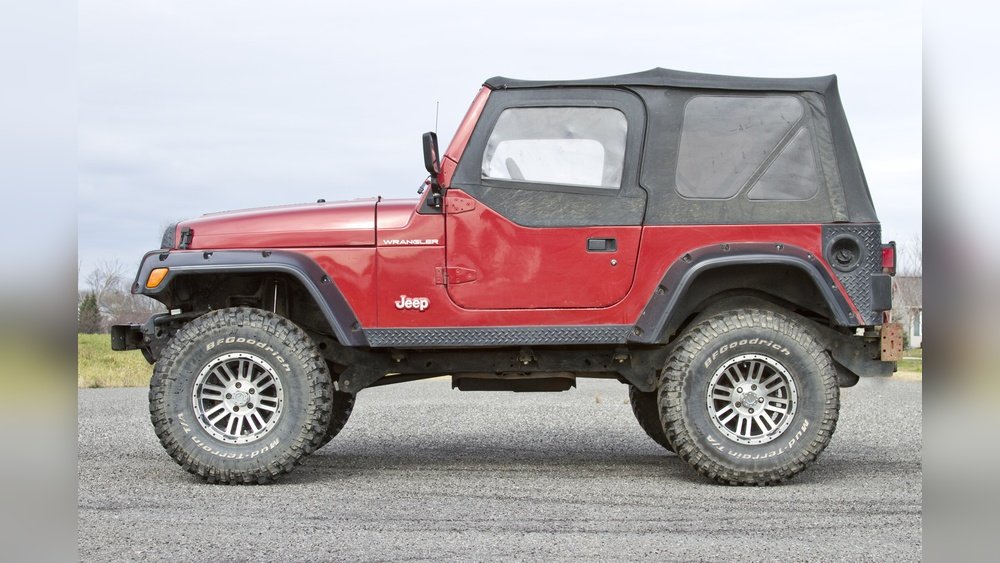
Before diving into specific kits, it’s important to grasp the fundamental ways lift kits alter your Jeep. Generally, lift kits achieve height in two main ways: suspension lifts and body lifts. Suspension lifts modify your Jeep’s springs, shocks, or control arms to raise the entire body and suspension system. Body lifts, on the other hand, insert spacers between the Jeep’s frame and body, providing lift without altering suspension geometry. Each has pros and cons regarding performance, installation complexity, and cost.
Top 25 Jeep Wrangler Lift Kits Explained
Here’s a detailed look at 25 popular Jeep Wrangler lift kit options, designed to help you find the perfect fit for your off-road aspirations.
1. 2-inch Budget Boost Lift Kit
This is often the first lift kit many Wrangler owners consider. A 2-inch budget boost typically uses spacers that sit on top of your existing coil springs.
Benefits:
- Affordability: These kits are very budget-friendly.
- Easy Installation: Can often be installed in a few hours with basic tools.
- Improved Tire Clearance: Allows for slightly larger tires (up to 33 inches) without rubbing.
- Mild Lift: Offers a subtle height increase for a more aggressive look.
Considerations:
- Minimal impact on suspension articulation.
- Doesn’t improve ride quality significantly.
2. 2.5-inch Basic Suspension Lift Kit
A step up from budget boosts, a 2.5-inch suspension lift usually replaces or modifies components like coil springs and shock absorbers.
Benefits:
- Better Performance: Improved off-road capability compared to budget boosts.
- Accommodates Larger Tires: Can often fit 33-inch to 35-inch tires.
- Enhanced Ride Quality: New springs and shocks can offer a more comfortable ride.
Considerations:
- More complex installation than budget boosts.
- Slightly higher cost.
3. 3-inch Suspension Lift Kit
Offering more ground clearance, a 3-inch lift kit is a popular choice for those wanting to run larger tires and gain more off-road prowess. These kits often include longer shocks, new coil springs, and sometimes sway bar links.
Benefits:
- Significant Clearance: Allows for 35-inch tires with minimal or no modification.
- Improved Off-Road Geometry: Can positively affect approach and departure angles.
- Better Trail Performance: Increased ground clearance helps clear obstacles.
Considerations:
- May require adjustments to driveshafts or steering components on some models.
- Installation can take a full day or more.
4. 3.5-inch Suspension Lift Kit
This lift height provides a substantial increase in ground clearance and tire size capability, often accommodating 37-inch tires. Kits at this level typically include more comprehensive components like adjustable control arms or track bars to correct suspension geometry.
Benefits:
- Aggressive Stance: Gives the Jeep a commanding presence.
- Excellent Tire Fitment: Ideal for 37-inch tires.
- Enhanced Trail Capability: Significantly improves ability to tackle rough terrain.
Considerations:
- Installation is more involved and may require professional help.
- Can affect on-road handling if not properly aligned.
5. 4-inch Suspension Lift Kit
A 4-inch lift kit is a significant upgrade, offering ample clearance for larger tires and serious off-roading. These kits often come with a full suite of suspension components to ensure proper geometry.
Benefits:
- Maximized Tire Size: Can easily fit 37-inch to 40-inch tires.
- Superior Ground Clearance: Essential for extreme off-roading.
- Improved Approach/Departure Angles: Reduces the risk of scraping.
Considerations:
- Complex installation, often requiring professional expertise.
- Drivetrain modifications might be necessary.
- Ride quality can be compromised without high-quality shocks.
6. 4.5-inch Suspension Lift Kit
Similar to 4-inch kits, 4.5-inch lifts offer slightly more height, pushing the boundaries for tire size and off-road performance. They often include components like drop brackets for steering components and sway bars.
Benefits:
- Room for 37s-40s: Ideal for very large tire setups.
- Advanced Geometry Correction: Addresses potential issues with caster and pinion angles.
- Serious Off-Road Ready: Designed for challenging trails.
Considerations:
- Significant cost and installation complexity.
- May require re-gearing for optimal performance with larger tires.
7. 6-inch Suspension Lift Kit
At this height, you’re looking at serious off-road builds. 6-inch lift kits are designed for maximum tire clearance (40 inches and up) and extreme articulation. They often involve more extensive modifications, including potential driveshaft changes and longer brake lines.
Benefits:
- Unmatched Tire Clearance: For the largest tire sizes.
- Extreme Articulation: Allows wheels to drop down further on uneven terrain.
- Dominating Presence: Creates an imposing look.
Considerations:
- Very complex and expensive installation.
- On-road drivability can be significantly impacted.
- May void drivetrain warranties.
8. Short Arm Suspension Lift Kit
These kits typically range from 2. 5 to 4.
5 inches and use shorter, stock-length control arms that are relocated to a different mounting point on the frame to achieve the lift and correct geometry.
Benefits:
- Cost-Effective Lift: Often more affordable than long arm kits.
- Good Trail Performance: Offers a noticeable improvement over stock.
- Easier Installation: Compared to long arm systems.
Considerations:
- Geometry Limitations: Shorter arms can limit suspension articulation and caster change at higher lift heights.
- May still require adjustable track bars.
9. Long Arm Suspension Lift Kit
Long arm kits, typically 4 inches and above, replace the stock short control arms with much longer ones. This significantly improves suspension geometry, caster angle, and articulation.
Benefits:
- Superior Articulation: Allows for much greater wheel travel.
- Improved On-Road Ride: Better caster angles lead to more stable steering.
- Enhanced Off-Road Performance: More predictable handling over rough terrain.
Considerations:
- Higher cost and more complex installation.
- Requires frame modifications for mounting points.
10. Coilover Suspension Lift Kit
Coilovers are integrated shock and spring units that offer a wide range of adjustability for ride height and damping. They provide excellent performance for both on-road comfort and off-road capability.
Benefits:
- Adjustable Ride Height: Fine-tune your lift precisely.
- Superior Damping Control: Tunable shocks improve ride quality and handling.
- Excellent Articulation: Often designed for maximum wheel travel.
Considerations:
- Expensive.
- Installation requires specialized knowledge.
- Regular maintenance is needed.

11. Rock Crawler Suspension Lift Kit
These kits are built for extreme off-roading, prioritizing articulation, durability, and clearance for large tires. They often incorporate features like long arms, high-quality shocks, and reinforced components.
Benefits:
- Maximum Articulation: For crawling over obstacles.
- Extreme Durability: Built to withstand harsh conditions.
- High Clearance: Accommodates very large tires.
Considerations:
- Compromised on-road comfort.
- Very expensive and complex installation.
- Often requires other modifications like re-gearing and axle upgrades.
12. Jeep Wrangler Body Lift Kit
A body lift uses spacers to raise the Jeep’s body off the frame. This is a simpler and cheaper way to gain clearance for larger tires, typically up to 33 inches, without altering suspension components.
Benefits:
- Affordable: Significantly cheaper than suspension lifts.
- Simple Installation: Can be done in a weekend.
- Maintains Stock Ride Quality: Suspension remains untouched.
- Allows for Larger Tires: Primarily for fitting bigger tires.
Considerations:
- Does not increase ground clearance under the axles.
- Can create visible gaps between the body and frame.
- Steering column modification might be needed.

13. Suspension And Body Lift Combination Kit
Many enthusiasts combine a mild suspension lift (e. g.
, 2-2. 5 inches) with a small body lift (e.
g. , 1-1.
5 inches) to achieve significant tire clearance (e. g.
, 35 inches) while minimizing the impact on suspension geometry and ride quality.
Benefits:
- Maximized Tire Clearance: For larger tires without extreme suspension modifications.
- Balanced Approach: Combines benefits of both lift types.
- Potentially Better Ride: Less stress on suspension components than a very tall suspension lift alone.
Considerations:
- Requires installation of both types of components.
- Can still have some drawbacks of each type (e.g., minor geometry changes, slight body gap).
14. 2-inch Spacer Lift Kit (budget Boost)
This is a very common entry-level lift. It uses polyurethane or aluminum spacers placed above the stock coil springs to achieve a 2-inch lift.
It’s a straightforward way to get a little extra height.
Benefits:
- Inexpensive: One of the most budget-friendly options.
- Simple to Install: Can be done by DIYers.
- Allows for Slightly Larger Tires: Typically up to 33 inches.
Considerations:
- Does not improve ride quality.
- Limited articulation improvement.
15. 3-inch Full Suspension Lift Kit
This kit provides a more substantial lift than a budget boost, usually including new springs and shocks. It’s a good balance for those wanting to run 35-inch tires and improve off-road performance without going too extreme.
Benefits:
- Good Tire Clearance: Accommodates 35-inch tires well.
- Improved Ride Quality: New shocks and springs can enhance comfort.
- Better Off-Road Capability: More ground clearance for obstacles.
Considerations:
- Installation is more involved than spacer lifts.
- May require adjustable track bars or sway bar links.
16. 4-inch Long Arm Suspension Kit
For serious off-roading, a 4-inch long arm kit is a popular choice. It replaces the stock short arms with longer ones, significantly improving suspension geometry for better articulation and on-road stability.
Benefits:
- Excellent Articulation: Allows for maximum wheel travel.
- Improved Caster Angle: Enhances steering stability.
- Accommodates 37-inch Tires: With proper setup.
Considerations:
- Expensive and complex installation.
- Requires frame modifications.
17. 4.5-inch Mid-arm Suspension Kit
These kits use slightly longer arms than stock but not as long as full long arm kits. They offer a good compromise between the performance of long arms and the installation simplicity of short arm kits, often supporting 37-inch tires.
Benefits:
- Good Geometry Correction: Better than short arm kits.
- Improved Articulation: Over stock or basic lifts.
- Accommodates 37-inch Tires: Often without major driveline issues.
Considerations:
- More expensive than basic kits.
- Installation is moderately complex.
18. 6-inch Long Arm Suspension Kit
This is for extreme builds, designed to clear 40-inch tires and provide maximum suspension travel. These kits often include extensive component replacements and geometry correction.
Benefits:
- Maximum Tire Clearance: For 40-inch or larger tires.
- Superior Articulation: Ideal for rock crawling.
- Aggressive Stance: Makes a bold statement.
Considerations:
- Very expensive, complex installation.
- Significant impact on on-road handling and drivability.
- Drivetrain and axle upgrades are often necessary.
19. 2.5-inch Dual Rate Spring Kit
This type of kit uses springs with two different spring rates wound into one coil. This allows for a softer initial rate for small bumps and a stiffer rate for larger impacts or heavier loads.
Benefits:
- Improved Ride Quality: Smoother over various terrains.
- Better Performance: Adapts to different trail conditions.
- Accommodates Larger Tires: Typically up to 35 inches.
Considerations:
- More expensive than basic spacer or single-rate spring kits.
- Installation is standard for suspension lifts.
20. 3-inch Progressive Rate Spring Kit
Similar to dual-rate, progressive rate springs offer a variable spring rate. They become stiffer as they are compressed, providing a balance of comfort and control.
Benefits:
- Comfortable Ride: Absorbs bumps well.
- Good Control: Handles body roll better than simple lifts.
- Supports 35-inch Tires: A common application.
Considerations:
- Can be slightly less predictable than dual-rate or coilovers in extreme situations.
- Installation complexity is similar to other suspension lifts.

21. 4-inch Progressive Rate Spring Kit
This offers the benefits of progressive springs at a higher lift height, typically supporting 37-inch tires. It’s a good option for those seeking improved ride quality and capability without the complexity of long arms.
Benefits:
- Enhanced Comfort and Control: For daily driving and trails.