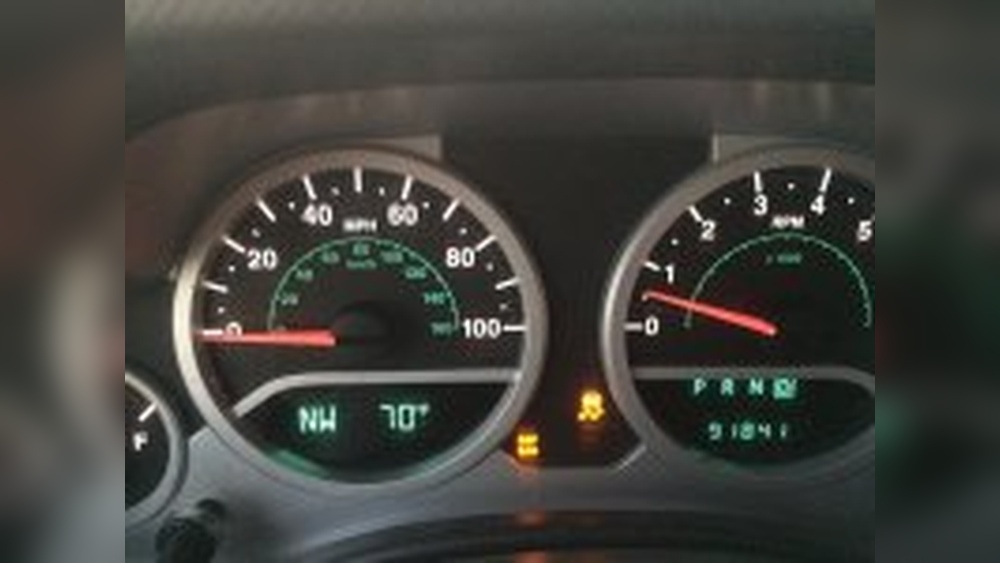
If you’re driving your 2010 Jeep Wrangler and notice the ESP, BAS, and traction control lights glowing on your dashboard, it’s easy to feel a bit uneasy. These warning lights aren’t just random, they signal that your vehicle’s stability and braking systems might not be working properly.
You might wonder, “What’s causing this? Is it dangerous?
Can I fix it myself? ” The good news is, you’re not alone, and many Jeep owners face the same issue.
You’ll discover the common reasons why these lights come on and practical steps you can take to diagnose and fix the problem.
By understanding what’s happening under the hood, you’ll gain confidence and keep your Jeep running safely on the road or trail. Keep reading to learn exactly what to do when those warning lights show up.
Common Causes
The ESP, BAS, and traction control lights on a 2010 Jeep Wrangler signal issues in the vehicle’s safety systems. These lights turn on when the system detects a problem. Understanding the common causes helps pinpoint the exact issue. This section explains the typical reasons these warning lights appear.
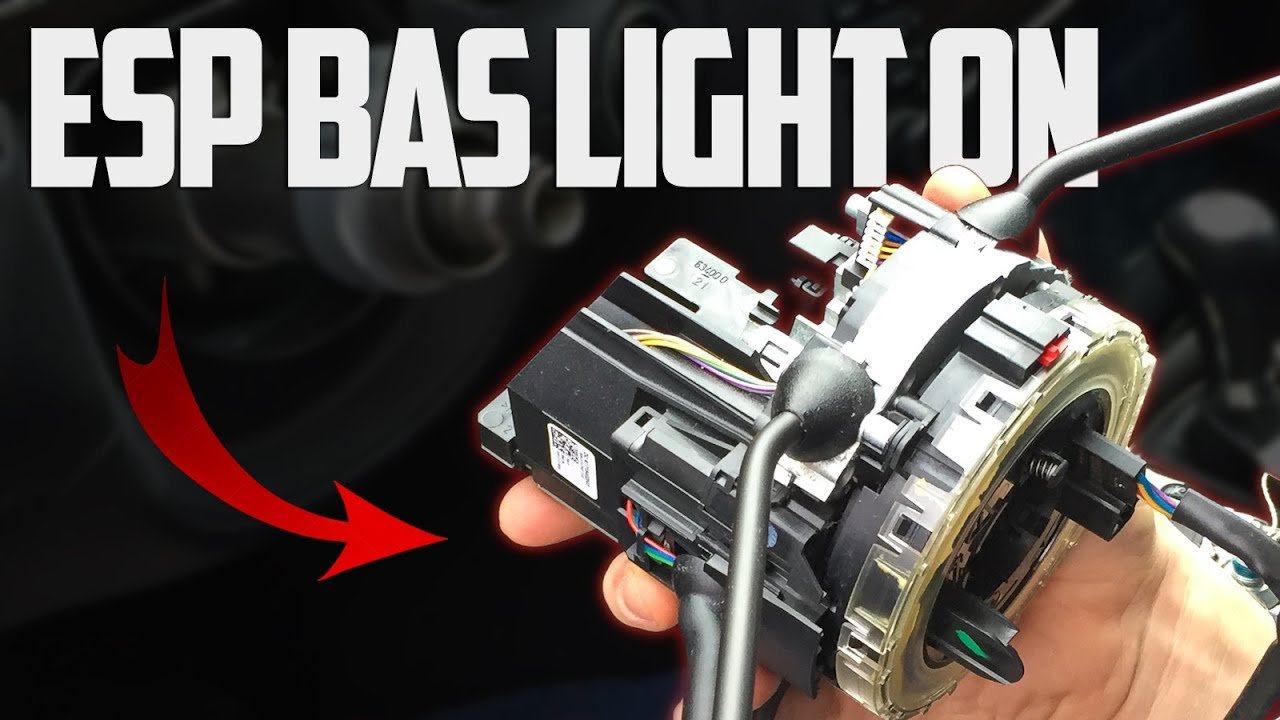
Steering Angle Sensor Issues
The steering angle sensor measures the wheel’s position. It sends data to the stability control system.
If the sensor fails or sends wrong data, the ESP and BAS lights turn on. Problems may arise from sensor misalignment or damage.
Fixing this often requires recalibrating or replacing the sensor.
Wheel Speed Sensor Problems
Wheel speed sensors track how fast each wheel spins. This data helps control braking and traction.
Dirt, corrosion, or damage can cause sensor failure. A faulty sensor triggers the ESP, BAS, and ABS lights.
Cleaning or replacing these sensors usually solves the issue.
Wiring And Brake Switch Faults
Faulty wiring or a bad brake switch can disrupt signals in the control system. Loose connections or broken wires cause errors.
The brake switch tells the system when the brake pedal is pressed. If it fails, the lights may stay on.
Inspecting and repairing wiring or the switch fixes this problem.
Damaged Wheel Hubs
Wheel hubs house the wheel speed sensors and support the wheel assembly. Damage to the hub can affect sensor readings.
Worn or broken hubs cause inaccurate data and trigger warning lights. Replacing damaged hubs restores proper sensor function and clears the lights.
Symptoms To Watch For
The 2010 Jeep Wrangler may show warning lights linked to the ESP, BAS, and traction control systems. These alerts point to possible issues affecting vehicle safety and handling.
Recognizing the symptoms early helps prevent bigger problems and keeps you safe on the road.
Pay attention to how the vehicle behaves and the dashboard signals. Some signs clearly indicate a problem with the stability or braking systems.
Knowing these symptoms guides you to the right solution faster.
Lights Staying On
The ESP, BAS, and traction control lights should turn off after a few seconds when starting the Jeep. If these lights stay on, the system detects a fault.
This may mean a sensor is failing or a wiring problem exists. Constant warning lights require immediate attention to avoid unsafe driving conditions.
Loss Of Traction Control
A faulty ESP or traction control system reduces grip on slippery roads. The Jeep may slide or spin out more easily during turns or sudden stops.
Drivers might notice the vehicle struggles to maintain stability on wet or icy surfaces. Loss of traction control increases the risk of accidents in poor weather.
Abs Warning Indicators
The ABS warning light often appears alongside ESP and BAS alerts. This light warns of a brake system malfunction.
Problems may include a broken wheel speed sensor or a faulty brake switch. If the ABS light stays on, the Jeep may lose anti-lock braking, leading to longer stopping distances.
Basic Fixes
Basic fixes for the 2010 Jeep Wrangler ESP BAS and traction control lights are simple steps. These steps help clear common sensor errors and restore system function.
Most issues come from sensor misalignment, dirt, or loose parts. Trying these fixes first may save time and money before visiting a mechanic.
Straightening The Steering Wheel
The steering wheel must be perfectly centered. A slightly off-center wheel can trigger the ESP and BAS lights.
Turn the wheel to the straight position. Hold it firmly while tightening the steering column bolts.
This resets the steering angle sensor. Drive a short distance to see if the lights go off.
Cleaning And Inspecting Sensors
Dirty or damaged sensors often cause warning lights. Clean the wheel speed sensors with a soft brush.
Remove any mud, debris, or rust. Check the sensor wires for cracks or loose connections.
Clean the connectors with electrical contact cleaner. Replace sensors if they look broken or corroded.
Checking Wheel Hub Stability
Loose wheel hubs affect sensor readings and trigger lights. Lift the Jeep and secure it on stands.
Grab the wheel at the top and bottom. Try to move it inward and outward.
If there is play, the hub bearings may be worn. Tighten or replace wheel hubs to fix the issue. This prevents false sensor signals.
Resetting The Steering Angle Sensor
Resetting the steering angle sensor is a key step when the ESP, BAS, and traction control lights stay on in a 2010 Jeep Wrangler. This sensor tells the vehicle how much the steering wheel is turned.
If it sends wrong signals, these warning lights can activate. Resetting it can clear errors and restore proper function.
This process is straightforward and does not need special tools. It helps the vehicle recalibrate the sensor to the center position.
Resetting can fix issues caused by sensor drift or after repairs involving the steering system. It is a useful first step before seeking professional help.
Step-by-step Reset Procedure
Park the Jeep on a flat surface and turn off the engine.
Turn the steering wheel fully to the left, then fully to the right slowly.
Center the steering wheel exactly in the middle position.
Turn the ignition to the ON position, but do not start the engine.
Press the brake pedal firmly for about 10 seconds.
Turn off the ignition and wait for 30 seconds before restarting.
Check if the ESP, BAS, and traction control lights turn off.
When To Try A Manual Reset
Try a manual reset after the steering wheel is replaced or realigned.
Use it when warning lights stay on after minor repairs.
Attempt reset if the vehicle pulls to one side or steering feels off.
If lights return after a reset, professional diagnosis is needed.
Resetting is best before replacing costly parts like sensors or modules.
Diagnosing With A Scanner
Diagnosing the ESP BAS and traction control lights on a 2010 Jeep Wrangler requires the right tools. A scanner helps read the vehicle’s trouble codes.
These codes reveal the exact problem causing the warning lights.
Using a scanner saves time and money. It avoids guesswork and unnecessary parts replacement.
Understanding how to use these scanners is key to accurate diagnosis.
Using Obdii And Specialized Scanners
OBDII scanners connect to your Jeep’s diagnostic port. They read basic codes from the engine and transmission.
These scanners show error codes related to ABS, ESP, and traction control systems.
Specialized scanners provide deeper insight. They access modules specific to Jeep’s stability control and braking systems.
These tools display live data, sensor status, and system tests. This helps pinpoint sensor failures or wiring issues quickly.
Finding The Right Diagnostic Tool
Choosing the right scanner depends on your needs and budget. Basic OBDII scanners fit casual users and simple code reading.
They work well for general checkups but lack advanced features.
Professional-grade scanners suit mechanics or serious DIYers. These devices cover all vehicle systems and offer detailed diagnostics.
They can reset warning lights and run system calibrations. Investing in a reliable scanner ensures precise fault detection for your Jeep Wrangler.

Replacing Faulty Components
Replacing faulty components is key when the ESP, BAS, and traction control lights stay on in your 2010 Jeep Wrangler. These lights often signal issues in the vehicle’s stability or braking systems.
Fixing them ensures safety and restores normal function.
Several parts can cause these warnings. Wheel speed sensors, wiring, and wheel hubs commonly fail.
Identifying and replacing these parts stops the warning lights and helps the systems work correctly again.
Wheel Speed Sensor Replacement
The wheel speed sensor sends data to the ABS and traction control systems. A broken sensor causes these systems to malfunction and triggers the warning lights.
Replacing it requires removing the wheel and the sensor from the hub assembly. Use a proper replacement sensor for your Jeep Wrangler model.
After installation, clear the fault codes with a scanner to reset the system.
Repairing Wiring Issues
Wiring problems often cause sensor errors and system faults. Inspect the wiring harness for damage, corrosion, or loose connections.
Repair any damaged wires by cutting and soldering or using quality connectors. Secure the wiring to avoid future damage.
Proper wiring repair restores communication between sensors and the control modules, turning off the warning lights.
Hub Replacement Guidelines
Sometimes, the wheel hub bearing fails, which affects the wheel speed sensor reading. If the hub is worn or damaged, replace it to fix the issue.
Remove the brake components, then the hub assembly. Install the new hub carefully, ensuring it fits correctly.
Reassemble the brake parts and test drive the vehicle. A new hub can stop false sensor readings and clear the ESP, BAS, and traction control lights.
Preventive Maintenance Tips
Preventive maintenance helps keep your 2010 Jeep Wrangler’s ESP, BAS, and traction control systems working well. These systems rely on sensors and wiring to detect wheel speed and control vehicle stability.
Small issues can cause warning lights to turn on. Regular care reduces the chance of faults and keeps you safe on the road.
Simple checks and cleaning protect these parts from dirt, damage, and wear. Follow these tips to avoid unexpected light warnings and costly repairs.
Regular Sensor Cleaning
Wheel speed sensors and steering angle sensors gather data for your vehicle’s control systems. Dirt, mud, or brake dust can cover these sensors and cause wrong readings.
Clean sensors gently with a soft cloth and mild cleaner. Avoid harsh chemicals that can damage sensor surfaces.
Clean sensors help the system work correctly and prevent warning lights.
Routine Wheel And Hub Inspections
Wheels and hubs can collect dirt or rust, affecting sensor signals. Check for signs of corrosion or damage regularly.
Remove debris that may block sensor signals. Tighten loose parts to prevent sensor misalignment.
Proper wheel and hub condition ensures accurate sensor data and stable vehicle control.
Keeping Wiring Intact
Wiring connects sensors to the vehicle’s computer system. Damaged or loose wires cause communication problems and trigger warning lights.
Inspect wiring harnesses for cracks, frays, or loose connections. Secure wires away from heat or moving parts.
Well-maintained wiring supports reliable sensor signals and system performance.
What Does Esp Bas And Traction Control Light Mean?
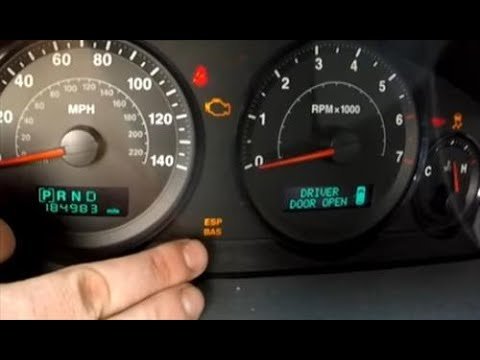
The ESP, BAS, and traction control lights indicate issues with your vehicle’s stability, braking, or traction systems. These warnings often mean a sensor or wiring fault needs attention to maintain safe driving and proper control.
What Did My Dash Suddenly Signal Esp, Bas, Abs, And Traction Control Light?
Your dash lights signal faults in stability, braking, or traction systems. Common causes include faulty wheel speed sensors, steering angle sensor issues, or wiring problems.
These lights often appear together when the vehicle detects control system errors. Check sensors, wiring, and wheel alignment to fix the issue.
Why Is My Abs And Traction Control Light On My Jeep Patriot?
The ABS and traction control lights on your Jeep Patriot indicate faults in the stability or anti-lock braking systems. Common causes include faulty wheel speed sensors, steering angle sensor issues, damaged wiring, or a bad wheel hub.
Cleaning or replacing sensors and resetting the steering angle sensor often fixes the problem.
Why Did My Abs And Traction Control And Esp Light Come On?
Your ABS, traction control, and ESP lights indicate a fault in stability or anti-lock braking systems. Common causes include faulty wheel speed sensors, steering angle sensor issues, or wiring problems.
Check and clean sensors, straighten the steering wheel, or inspect wheel hubs for damage to fix the problem.
Conclusion
The 2010 Jeep Wrangler's ESP, BAS, and traction control lights warn of stability or braking issues. Common causes include faulty wheel speed sensors, steering angle sensors, or wiring problems.
Checking and cleaning sensors often helps. Straightening the steering wheel can also fix the problem.
If lights stay on, professional diagnosis is best to ensure safety. Regular maintenance keeps these systems working well.
Stay alert to these warnings to drive with confidence and control.