If you own a 2008 Jeep Patriot, seeing a code related to the all-wheel drive system can be frustrating and confusing. You might be wondering what exactly this problem means and how it affects your vehicle’s performance.
Is it something serious? Can you fix it yourself, or do you need a mechanic?
You’ll discover the common causes behind the 2008 Jeep Patriot all-wheel drive code issues and learn practical steps to diagnose and address them. Keep reading to protect your Jeep and avoid costly repairs down the road.
Common Awd Issues
The 2008 Jeep Patriot’s all-wheel drive (AWD) system can face several common problems. These issues often affect driving safety and vehicle performance.
Understanding these problems helps owners detect and address them early. The following sections explain typical AWD troubles.
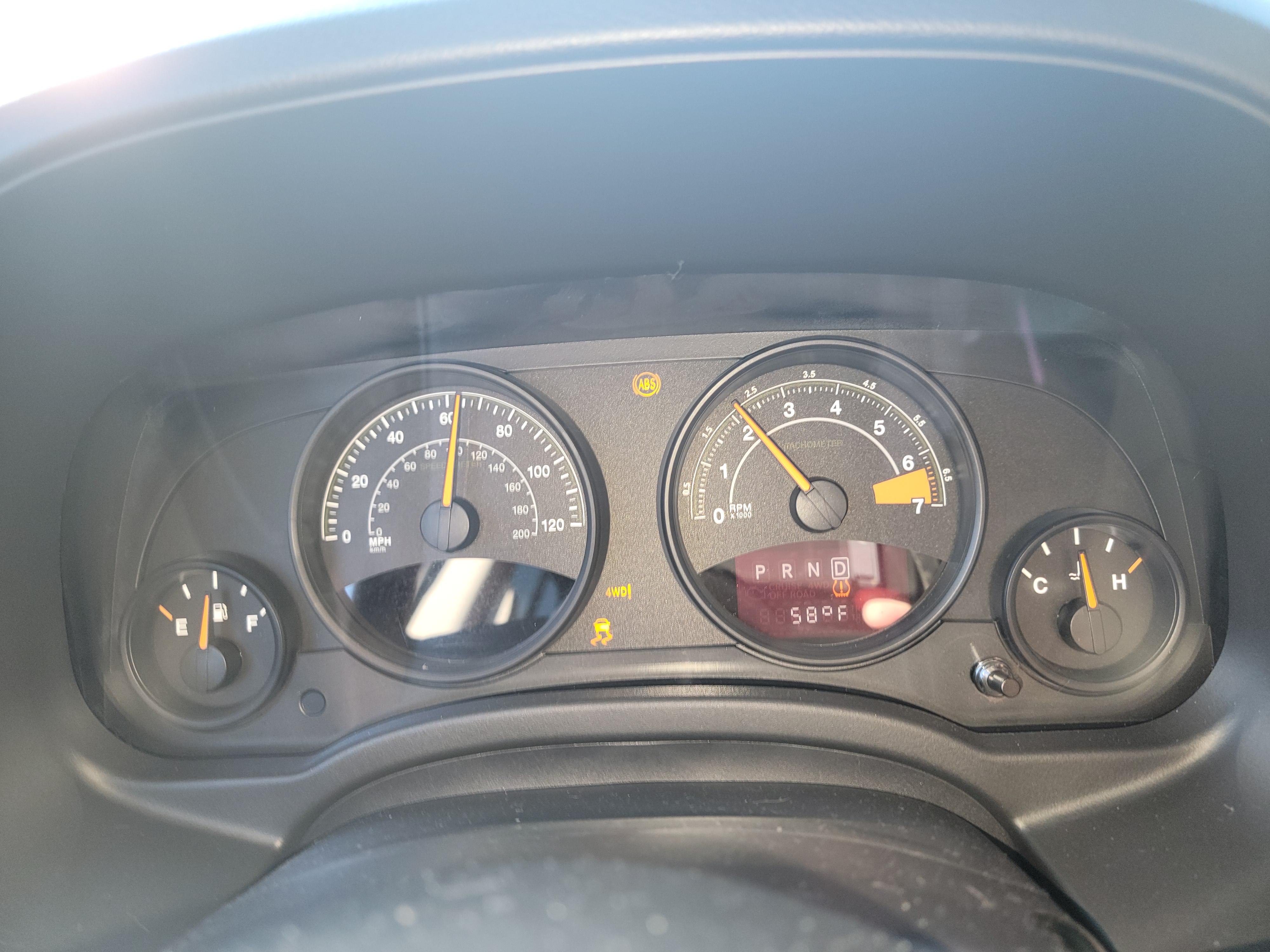
Awd System Warning Light
The AWD system warning light often turns on unexpectedly. It signals a fault in the drivetrain or sensors.
Ignoring this warning can lead to more serious damage. Many drivers report the light flashing during normal driving.
This alerts the need for a system check.
Frequent Error Codes
Common error codes appear related to the AWD system. Codes like P1889 or P1840 often show up.
These codes indicate issues with the transfer case or clutch. Faulty wheel speed sensors can also trigger error codes.
Clearing the codes without repair usually brings them back.
Limp Mode Activation
The Jeep Patriot may enter limp mode to protect the AWD system. Limp mode limits speed and power for safety reasons.
This mode activates after repeated AWD faults. Drivers notice reduced performance and warning lights.
Addressing the root cause is necessary to exit limp mode.
Main Causes
The 2008 Jeep Patriot often shows all-wheel drive (AWD) system trouble codes. Effective repairs focus on fixing the root cause quickly.
Proper diagnosis is key to avoid repeated issues. This section covers the main repair methods for AWD problems.
Replacing Faulty Sensors
Wheel speed sensors often fail and cause AWD errors. These sensors send data to the AWD module.
Faulty sensors give wrong signals, triggering warning codes. Replacing bad sensors restores accurate data flow.
This step usually clears the AWD system code.
Repairing Or Replacing The Clutch
The AWD system uses a clutch to engage the rear wheels. Over time, the clutch can wear out or fail.
Repair or replacement of the clutch fixes slipping and engagement issues. This repair improves drivetrain performance and stops fault codes.
Module Reset And Reprogramming
The AWD control module can develop software glitches. Resetting the module clears error codes temporarily.
Reprogramming the module updates its software to fix bugs. Both steps help the system run smoothly and prevent false warnings.
Addressing Wiring And Switch Faults
Wiring problems or faulty switches may disrupt signals to the AWD system. Inspecting and repairing damaged wires restores proper connectivity.
Replacing bad switches ensures correct input to the module. Fixing electrical faults stabilizes the AWD system operation.
Symptoms To Watch For
Preventive measures play a key role in avoiding all wheel drive problems in the 2008 Jeep Patriot. Taking simple steps regularly can keep the AWD system healthy.
These steps help spot issues early and reduce repair costs. Follow basic care routines to keep your vehicle running smoothly.
Regular Maintenance Tips
Check your Jeep Patriot’s AWD system during regular service visits. Inspect the driveshaft, axles, and wheel bearings for wear or damage.
Replace worn parts quickly to prevent bigger problems. Change the transmission and differential fluids as recommended by the manufacturer.
Keep tires properly inflated and rotated to balance the AWD system. Clean and lubricate moving parts to avoid rust and friction.
Monitoring Electrical Components
Electrical parts affect the AWD system’s performance. Test the wheel speed sensors for proper function.
Faulty sensors can cause incorrect signals and trigger warning lights. Check wiring and connectors for signs of corrosion or damage.
Ensure the AWD control module is secure and free from moisture. Use a diagnostic tool to read error codes and clear minor faults.
Early detection of electrical issues prevents system failures.
Keeping Software Updated
Software updates improve the AWD system’s reliability. Visit your dealer to check for available updates.
Updated software can fix bugs and improve system response. It helps the vehicle adapt to new driving conditions.
Regular updates reduce the chance of false error codes. Keep your Jeep’s computer system current for optimal AWD operation.
Frequently Asked Questions
What Does It Mean When My Car Says All Wheel Drive System Problem?
An "all-wheel drive system problem" means your vehicle's AWD components or sensors malfunction. It may affect traction and handling.
Have a mechanic inspect the AWD module, wheel speed sensors, and related wiring to avoid further damage.
Why Is The 4 Wheel Drive Light On In My Jeep Patriot?
The 4 wheel drive light on your Jeep Patriot indicates a potential issue with the AWD system, like a faulty sensor, switch, or module. Check for electrical problems or low voltage signals.
Resetting the code may help, but consult a mechanic if the light stays on.
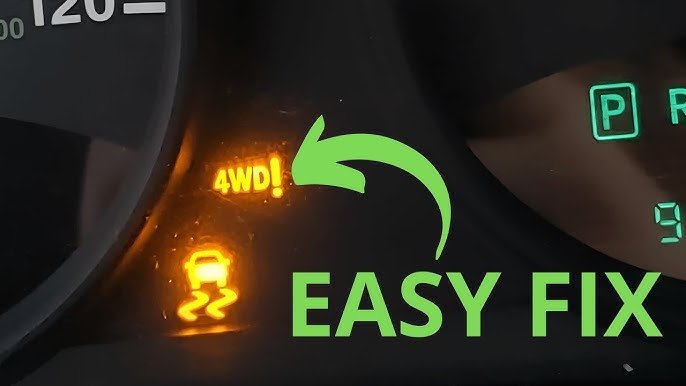
What Does 4wd With An Exclamation Point Mean?
The 4WD with an exclamation point indicates a problem in the four-wheel-drive system. Check the system immediately to avoid damage.
What Is The Common Problem With Jeep Patriot?
The common problem with Jeep Patriot is frequent all-wheel-drive system issues, often caused by faulty wheel speed sensors or a bad AWD module. This leads to warning lights and drivability problems like slipping or delayed starts.
Regular resets may temporarily clear codes but don’t fix the root cause.
Conclusion
The 2008 Jeep Patriot’s all-wheel-drive system can show error codes for several reasons. Common issues include faulty sensors, electrical problems, or module failures.
Addressing these problems early helps avoid bigger repairs. Regular maintenance keeps the AWD system working smoothly.
Paying attention to warning signs ensures safer driving.
This way, you protect your vehicle and enjoy better performance on the road.


















