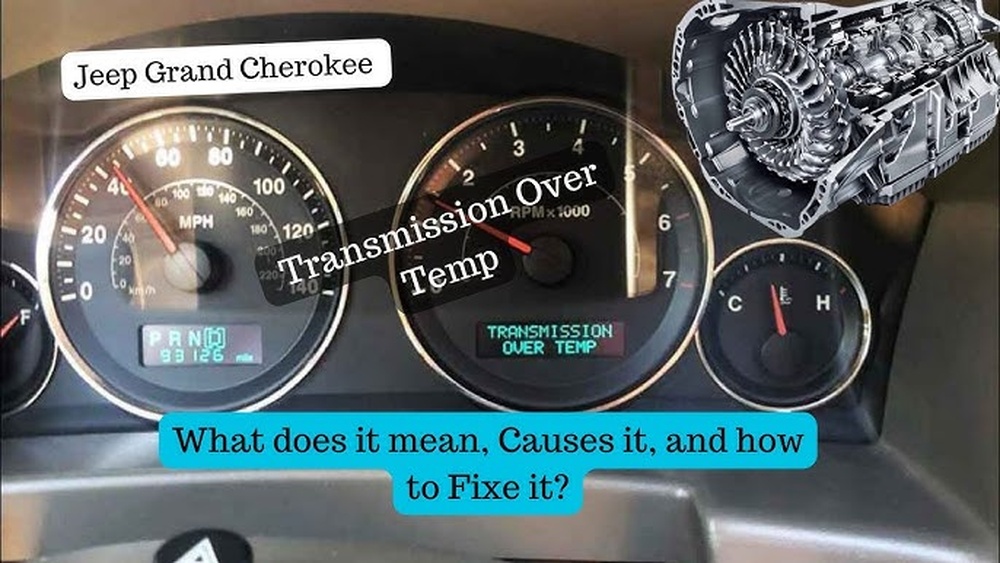
If you own a 2006 Jeep Grand Cherokee, seeing a “Transmission Over Temp” warning can be alarming. You might wonder what it really means and whether your vehicle is in serious trouble.
This alert isn’t just a random message it’s your Jeep’s way of telling you that the transmission is running hotter than it should. Ignoring it could lead to costly repairs or even complete transmission failure.
But don’t panic just yet. You’ll learn what causes this warning, how to check your transmission’s health, and practical steps you can take to fix the issue before it becomes a major headache.
Keep reading to protect your Jeep and keep it running smoothly.

Symptoms Of Transmission Overheat
Recognizing the symptoms of transmission overheating in a 2006 Jeep Grand Cherokee is vital. Early detection helps avoid costly repairs. Overheated transmissions show clear signs that alert the driver to an issue.
Warning Lights And Messages
The vehicle’s dashboard often shows warning lights when the transmission overheats. A “Transmission Over Temp” message may appear.
This alert signals the fluid is too hot. Ignoring it risks severe transmission damage.
Pay close attention to any unusual warning lights.
Burning Smell And Fluid Condition
A burning smell inside or near the vehicle is a strong symptom. It usually means the transmission fluid is overheating or burning.
Check the fluid condition regularly. Healthy fluid is bright red and smells clean.
Dark or burnt-smelling fluid shows overheating and possible damage.
Sluggish Gear Shifting
Transmission overheating often causes slow or rough gear changes. The Jeep may hesitate when shifting between gears.
This sluggish behavior can worsen if the problem continues. Smooth shifting is a sign of a healthy transmission. Any delay or jerking indicates overheating issues.
Common Causes Of Over Temperature
The 2006 Jeep Grand Cherokee can show transmission over temperature warnings for several reasons. Identifying the cause helps prevent serious damage. The transmission may overheat due to sensor faults, electrical problems, blockages, or fluid issues. Each cause affects how the transmission works and needs specific attention.
Faulty Transmission Fluid Temperature Sensor
The transmission fluid temperature sensor monitors heat levels in the transmission. A faulty sensor can send wrong signals to the vehicle’s computer.
This may cause false warnings of overheating or fail to alert actual heat problems. Replacing a bad sensor can restore accurate temperature readings and prevent unnecessary repairs.
Corroded Starter Wire And Electrical Issues
Corrosion on the yellow starter wire often triggers false transmission temperature alerts. Electrical faults disrupt communication between sensors and the control module.
Rust or dirt on wires can cause shorts or poor connections. Cleaning or replacing corroded wires fixes many false warning problems.
Clogged Transmission Cooler And Lines
The transmission cooler lowers fluid temperature by passing fluid through a radiator. Blocked cooler lines or buildup inside the cooler reduce cooling efficiency.
This causes fluid to overheat quickly. Inspecting and cleaning the cooler and lines helps maintain proper fluid temperature and protects the transmission.
Low Or Degraded Transmission Fluid
Transmission fluid lubricates and cools internal parts. Low fluid levels or old, dirty fluid cannot protect the transmission well.
Fluid that is dark or smells burnt indicates it is degraded. Checking fluid levels and changing old fluid keeps the transmission running smoothly and prevents overheating.
Checking Transmission Fluid
Checking the transmission fluid in your 2006 Jeep Grand Cherokee helps prevent overheating issues. Low or dirty fluid can cause the transmission to run too hot.
Regular inspection keeps the transmission healthy and avoids costly repairs.
Transmission fluid plays a key role in cooling and lubricating the transmission parts. Monitoring the fluid level and quality ensures the transmission runs smoothly and stays within safe temperature ranges.
How To Inspect Fluid Level And Color
Park your Jeep on a level surface and keep the engine running. Shift through all gears slowly, ending in Park.
Pull out the transmission dipstick carefully and wipe it clean. Reinsert the dipstick fully and remove it again to check the fluid level.
The fluid should reach the marked level on the dipstick. Look at the color closely.
Healthy transmission fluid is bright red. Dark or brown fluid signals problems that need attention.
Identifying Burnt Fluid Smell
Smell the transmission fluid on the dipstick. A burnt or acrid odor means the fluid is overheated or degraded.
This burnt smell can cause slipping gears and poor shifting. It indicates the transmission is at risk of serious damage if not fixed soon.
When To Change Fluid And Filter
Change the transmission fluid and filter if the fluid is dark, low, or smells burnt. Also, replace them based on the manufacturer’s recommended intervals, usually every 30,000 to 60,000 miles.
Fresh fluid and a clean filter help maintain proper cooling and prevent overheating.
Regular fluid changes improve transmission life and reduce the chance of the transmission over temp warning. It is a simple step that protects your Jeep Grand Cherokee’s transmission system.
Conclusion
The 2006 Jeep Grand Cherokee transmission over temp warning should not be ignored. Overheating can cause serious damage to your transmission.
Regularly check your transmission fluid for color and smell. Inspect the cooler and lines for blockages or damage.
Electrical issues, like corroded wires, may also trigger warnings.
Address problems early to avoid costly repairs. Stay attentive to warning signs and maintain your vehicle well.
This helps keep your Jeep running smoothly and safely on the road.