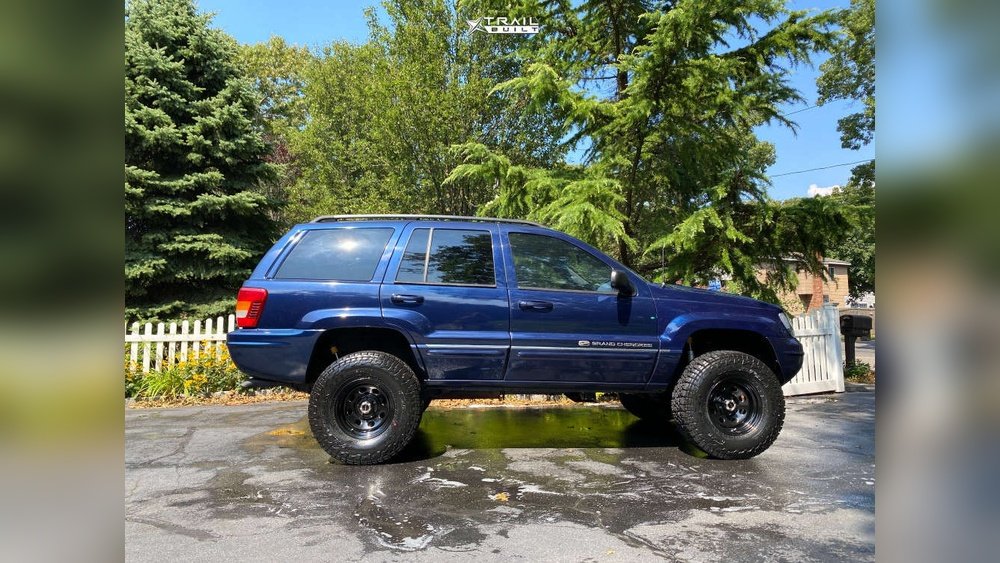
The 04 Jeep Grand Cherokee models represent a significant step forward for the popular SUV, particularly for those looking to take their adventures off the beaten path. While all Grand Cherokees offer a blend of comfort and capability, certain configurations and features make them more adept at handling rough terrain.
This guide focuses on understanding what makes these specific models suitable for off-road driving, covering their strengths, potential upgrades, and what to look for when choosing one for serious trail use.
We’ll explore the engineering that sets them apart, the drivetrain options, and the modifications that can enhance their already impressive off-road prowess.
Understanding The 2004 Jeep Grand Cherokee’s Off-road Foundation
The 2004 model year, belonging to the third generation of the Grand Cherokee (WJ), brought several key advancements that improved its off-road capabilities compared to earlier versions. Jeep’s heritage is deeply rooted in off-road vehicles, and the Grand Cherokee, while often seen as a luxury SUV, still carries that DNA. For the 2004 model, Jeep offered different 4×4 systems and available locking differentials, which are crucial for tackling challenging terrain.
The WJ generation was known for its solid front axle in earlier years, but the 2004 model transitioned to an independent front suspension (IFS). While IFS can offer a more comfortable ride on the road, it sometimes presents challenges for extreme off-roading due to reduced articulation and potential vulnerability. However, Jeep engineers worked to make this IFS system robust. The rear suspension remained a solid axle, which is generally preferred for its durability and articulation capabilities off-road.
Engine Options And Their Off-road Impact
The 2004 Grand Cherokee came with two primary engine choices, each offering different benefits for off-road scenarios.
- 4.0L Inline-6 Engine: This legendary Jeep engine is renowned for its torque, durability, and simplicity. It provides a good balance of power for climbing obstacles and the low-end grunt needed for crawling over rocks. Its inline-six configuration is also known for its smooth operation and ease of maintenance, which can be a significant advantage when you’re far from a repair shop. This engine is often the preferred choice for those prioritizing reliability and consistent off-road performance.
- 4.7L V8 Engine: The V8 option offers more horsepower and torque than the inline-six, providing extra power for situations requiring speed or sustained effort, such as traversing sandy washes or hauling heavier loads. While it consumes more fuel, its increased power output can be beneficial for more demanding off-road activities. However, the V8 is a more complex engine, and its added weight can slightly impact the vehicle’s center of gravity.
Drivetrain And 4×4 Systems
Jeep offered several 4×4 systems for the 2004 Grand Cherokee, and understanding these is key to selecting the right vehicle for off-road use.
- Selec-Trac II: This is a full-time 4WD system that can operate in 2WD, 4WD Auto, 4WD Low, and 4WD Full-Time. The “4WD Auto” mode allows the system to send power to the wheels with the most traction, making it convenient for varied conditions. The “4WD Low” setting provides a 2.72:1 gear reduction, which is essential for crawling over difficult obstacles at low speeds and increasing torque to the wheels. This system is versatile for daily driving and light to moderate off-roading.
- Quadra-Drive: This is the more advanced system, offering enhanced traction control. Quadra-Drive includes vari-lok differentials (also known as limited-slip differentials) on both the front and rear axles, in addition to the full-time 4WD transfer case with a 2.72:1 low range. The vari-lok differentials can automatically send power to the wheel with the most traction, significantly improving the vehicle’s ability to maintain grip when one or more wheels lose contact with the ground. For serious off-roading, Quadra-Drive is the superior factory option.
Key Features For Off-roading In The 2004 Grand Cherokee
When evaluating a 2004 Grand Cherokee for off-road use, several specific features and components stand out. These are the elements that directly contribute to its ability to handle challenging trails.
Ground Clearance And Suspension
The stock ground clearance of a 2004 Grand Cherokee varies depending on the specific trim and tire size, but it’s generally adequate for moderate trails. However, for more aggressive off-roading, increasing ground clearance is often a priority. This can be achieved through suspension lift kits, which replace or modify the stock springs and shocks to raise the vehicle.
- Suspension Types: The front IFS, while comfortable, can limit articulation compared to a solid axle. Aftermarket solutions exist, but they can be complex and expensive. The rear solid axle offers better articulation potential.
- Articulation: This refers to the suspension’s ability to keep the wheels in contact with the ground over uneven terrain. Good articulation is vital for maintaining traction. While the stock suspension is decent, aftermarket longer travel shocks and disconnecting sway bars can significantly improve articulation for extreme off-roading.
Tires And Wheels
The tires are arguably the most critical component for off-road performance, even more so than the vehicle’s drivetrain. Stock tires are typically designed for on-road comfort and fuel efficiency, offering limited grip on loose surfaces like mud, sand, or rocks.
- All-Terrain (AT) Tires: These are a popular choice for a balance between on-road manners and off-road capability. They have a more aggressive tread pattern than street tires, with larger voids to help clear mud and debris.
- Mud-Terrain (MT) Tires: For serious off-roading, MT tires offer the best traction on soft surfaces. They feature large, widely spaced tread blocks that dig into mud and rocks effectively. However, they can be noisy on the highway and wear down faster.
- Tire Size: Larger tires increase ground clearance and improve the ability to roll over obstacles. However, fitting larger tires often requires suspension modifications or body modifications (like fender trimming) to prevent rubbing.
The wheels themselves should be durable. While stock wheels are often sufficient, aftermarket beadlock wheels are designed to prevent tires from coming off the rim under low tire pressure, a common practice for increasing traction off-road.
Protection And Durability
Off-roading can be tough on a vehicle’s undercarriage. Protecting vital components is crucial to avoid costly damage and being stranded.
- Skid Plates: These are metal plates that bolt to the underside of the vehicle to protect components like the engine oil pan, transmission, transfer case, and fuel tank from impacts with rocks and debris. Stock skid plates on the 2004 Grand Cherokee are often thin and may not offer sufficient protection for serious off-roading. Aftermarket heavy-duty skid plates made from steel or aluminum are a worthwhile investment.
- Rock Sliders: These are protective bars mounted along the rocker panels (the area below the doors) to prevent damage from rocks and other obstacles. They also provide a point to rest the vehicle on if sliding sideways.
- Bumper Protection: Stock bumpers are often made of plastic and can be easily damaged. Aftermarket steel bumpers offer much greater protection and can also provide mounting points for winches and recovery gear.

Popular Modifications For The 2004 Grand Cherokee Off-road Build
While the 2004 Grand Cherokee is capable in stock form, many owners choose to modify their vehicles to enhance their off-road performance. These modifications range from simple bolt-ons to more extensive upgrades.
Suspension Lifts
One of the most common modifications is a suspension lift. Lifts are measured in inches and provide increased ground clearance, allowing for larger tires and improving the vehicle’s approach, departure, and breakover angles.
- Budget Lifts: These often involve spacers that sit on top of the stock springs. They are a cost-effective way to gain a couple of inches of lift but can sometimes negatively impact ride quality and suspension travel.
- Complete Suspension Systems: These typically include new springs, shocks, and sometimes control arms or track bars to correct suspension geometry. These systems offer better performance, improved ride quality, and greater durability. For the 2004 Grand Cherokee with its IFS front, full suspension kits are more complex than for solid-axle vehicles.
Drivetrain Enhancements
While the Quadra-Drive system is excellent, further enhancements can improve off-road capability.
- Differential Locks: For extreme traction needs, locking differentials (like ARB Air Lockers or Eaton E-lockers) can be installed. These provide a 100% mechanical lock between the axles, ensuring both wheels on an axle receive power, even if one is completely off the ground. These require an air compressor (for ARB) or an electrical switch (for Eaton) to engage.
- Gearing: Changing the differential gear ratio (re-gearing) is often done when installing larger tires. Larger tires effectively make the vehicle’s existing gears “taller,” reducing acceleration and making it harder to spin the tires. Re-gearing to a lower ratio (e.g., from 3.73 to 4.56 or 4.88) compensates for larger tires, restoring lost performance and improving crawling ability.
Recovery And Utility Gear
Being able to recover yourself or help others is a crucial part of off-roading.
- Winch: A winch is an essential recovery tool, allowing a vehicle to pull itself or another vehicle out of difficult situations using a cable or synthetic rope. Mounting a winch typically requires an aftermarket bumper designed to accommodate it.
- Tow Hooks and Recovery Points: Ensure your vehicle has strong recovery points front and rear. Stock tow hooks can sometimes be weak. Aftermarket shackles and recovery hooks that bolt directly to the frame offer more secure attachment points for recovery straps and snatch blocks.
- Snorkel: For vehicles that may encounter deep water crossings, a snorkel raises the engine’s air intake to roof level, preventing water from entering the engine and causing catastrophic failure.
Off-roading The 2004 Jeep Grand Cherokee: What To Expect
The 2004 Grand Cherokee, especially when equipped with the Quadra-Drive system and appropriate tires, is a very capable off-roader right out of the box for moderate trails. However, understanding its limitations and how to use its systems is key to a successful and safe experience.
Trail Types And Capabilities
- Forest Roads and Fire Trails: The Grand Cherokee excels on these types of surfaces. Its comfortable ride, combined with the full-time 4WD and low-range gearing, makes them easy to navigate.
- Moderate Off-Road Trails: With AT tires and perhaps a mild lift, the 2004 Grand Cherokee can handle trails with moderate obstacles, including some rocks and ruts. The Quadra-Drive system’s limited-slip differentials will be particularly helpful here.
- Extreme Off-Roading: For rock crawling, deep mud, or highly technical terrain, significant modifications would be necessary. The IFS front suspension is a limiting factor for extreme articulation and durability under heavy stress.
Driving Techniques For Off-road
- Low Range Gearing: Always use 4WD Low for challenging terrain. This multiplies engine torque, allowing you to crawl over obstacles slowly and with more control. It also reduces the chance of damaging drivetrain components.
- Momentum vs. Control: On some surfaces like sand or loose gravel, a little momentum can help. However, on rocky or uneven terrain, slow and steady is the mantra. Use your throttle control to gently climb or descend obstacles.
- Line Selection: Choosing the correct line through an obstacle is crucial. Look ahead and plan your path to avoid damaging your vehicle. Aim for the smoothest, least obstructed route.
- Tire Pressure: Adjusting tire pressure is a simple yet effective way to improve off-road traction and ride comfort. Lowering tire pressure increases the tire’s contact patch with the ground, providing more grip. Caution: Never lower tire pressure too much, especially on rough terrain, as it increases the risk of tire damage or de-beading (the tire coming off the rim). A good starting point for moderate trails might be 20-25 PSI, but this varies greatly with tire type and terrain. Always have a way to re-inflate your tires afterward.
Common Pitfalls And How To Avoid Them
- Over-Modifying Too Soon: Start with basic upgrades like tires and skid plates. Drive your Jeep and learn its capabilities and limitations before investing in expensive, complex modifications.
- Ignoring Drivetrain Maintenance: Off-road use puts extra strain on the transfer case, differentials, and axles. Ensure these components are regularly inspected and maintained, with fluid changes according to a more aggressive schedule if you frequently off-road.
- Lack of Recovery Gear: Never go off-road alone, and always carry essential recovery gear such as a tow strap, shackles, and a first-aid kit. Know how to use them safely.
- Underestimating Water Crossings: Water can be incredibly deceptive. Always assess the depth and the riverbed before attempting a crossing. If in doubt, don’t go. A snorkel helps, but it’s not a guarantee against engine hydrolock if the crossing is too deep or the water speed is too high.

Comparing 4×4 Systems: Selec-trac Ii Vs. Quadra-drive
For potential buyers looking for an off-road-capable 2004 Grand Cherokee, understanding the differences between the available 4×4 systems is paramount. The choice between Selec-Trac II and Quadra-Drive significantly impacts the vehicle’s ability to handle challenging terrain.
| Feature | Selec-Trac II | Quadra-Drive |
|---|---|---|
| **Transfer Case** | Full-time 4WD with 2.72:1 Low Range | Full-time 4WD with 2.72:1 Low Range |
| **Front Differential** | Open Differential | Vari-Lok (Limited Slip Differential) |
| **Rear Differential** | Open Differential | Vari-Lok (Limited Slip Differential) |
| **Traction Control** | Standard traction control (applies brakes) | Enhanced traction control via Vari-Lok differentials |