The Jeep Grand Cherokee is one of America’s most popular SUVs. It’s known for its rugged style, comfortable ride, and strong performance.
But not every Grand Cherokee model year delivers the same reliability. Some years are infamous for costly repairs and frustrating issues.
If you’re thinking about buying a used Grand Cherokee, knowing which years to avoid can save you money and trouble.
Why Some Grand Cherokee Years Are Problematic
Over the decades, the Grand Cherokee has seen changes in design, engineering, and technology. Sometimes, these changes introduced new problems. Issues like faulty transmissions, electrical glitches, and engine troubles have affected certain years more than others. Owners report these problems through websites like NHTSA and Consumer Reports, helping future buyers spot patterns.
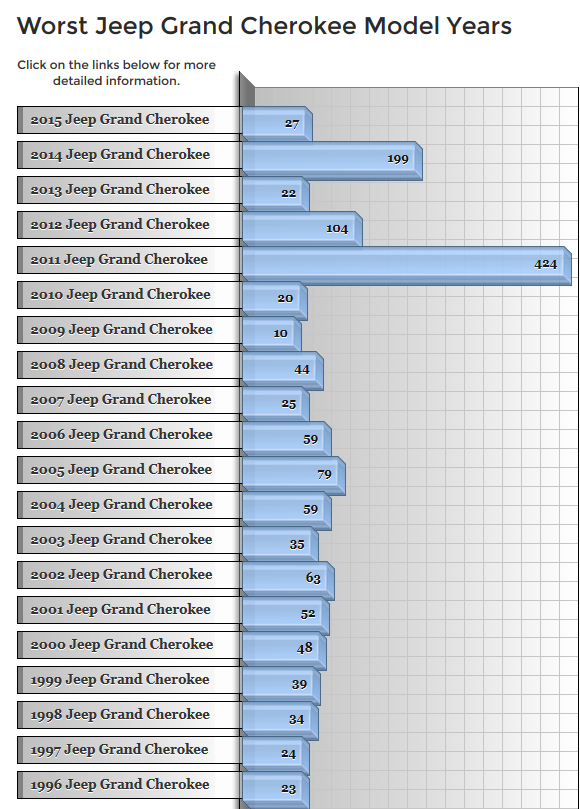
The Most Troublesome Grand Cherokee Years
Let’s look at the worst years for Jeep Grand Cherokee. These models are often flagged by mechanics and owners for serious reliability concerns.
| Model Year | Main Problems | Estimated Repair Cost |
|---|---|---|
| 2011 | Electrical, TIPM failure, stalling | $1,200 – $2,000 |
| 2012 | Engine, alternator failure, electrical | $900 – $1,800 |
| 2014 | Transmission, software, shifting issues | $1,500 – $2,500 |
| 2015 | Transmission, interior electronics | $1,000 – $2,200 |
| 2005 | Engine, electrical, suspension | $800 – $2,000 |
2011: The Tipm Nightmare
The 2011 Grand Cherokee suffers from TIPM (Totally Integrated Power Module) failure. This part controls many electrical functions, and when it fails, drivers face stalling engines, random horn sounds, and even problems starting the car. Replacing the TIPM is expensive and often needed more than once.
2012: Alternator And Engine Headaches
For 2012, owners report alternator failures that cause sudden power loss. The engine may stall while driving, creating dangerous situations. Many drivers also deal with electrical issues that affect the radio, lights, and windows. These problems are less severe than 2011 but still frequent and costly.
2014–2015: Transmission Trouble
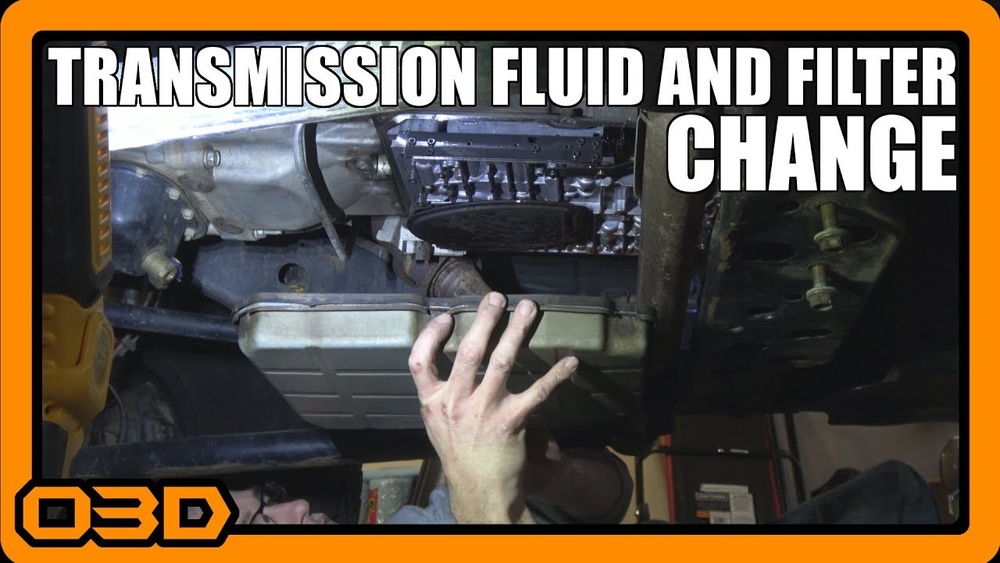
The 2014 and 2015 models are known for transmission problems. Many owners complain about rough shifting, hesitation, and sudden jerks. These issues stem from software faults and poor transmission design. The cost to repair or replace the transmission is high, and fixes sometimes fail to solve the problem.
2005: Early Electronic And Suspension Issues
The 2005 Grand Cherokee has a reputation for engine failures, electrical gremlins, and suspension wear. Engine stalls and rough idle are common. Electrical systems often malfunction, causing windows and locks to stop working. Suspension parts wear out quickly, leading to expensive repairs.
Common Issues And Their Impact
Certain problems appear again and again in these worst years. Here’s a quick comparison of how they affect daily driving:
| Problem | Symptoms | Driving Impact |
|---|---|---|
| TIPM Failure | Stalling, no start, random noises | Unsafe, can leave you stranded |
| Transmission Issues | Hard shifting, jerks, hesitation | Reduces comfort, can cause accidents |
| Alternator Failure | Sudden power loss, battery drain | Stops vehicle, needs tow |
| Electrical Glitches | Windows, locks, lights malfunction | Annoying, sometimes unsafe |
| Suspension Wear | Rough ride, noises, poor handling | Decreases control, costly repairs |
Why These Years Are Risky For Buyers
Buying a used Grand Cherokee from these years means a higher risk of unexpected expenses. Even if the car looks good and drives well at first, hidden problems can appear later. Some issues, like TIPM failure, are hard to diagnose until the car starts behaving strangely. Repairs can cost thousands of dollars, and sometimes the fixes don’t last.
How To Avoid The Worst Years
If you’re shopping for a used Grand Cherokee, careful research is key. Here are practical steps to avoid buying a problematic model:
- Check VIN history: Use a service like Carfax to look for past recalls and repairs.
- Inspect for electrical issues: Test every electronic feature during your test drive.
- Ask for repair records: Owners who have replaced major parts may be more trustworthy.
- Look for recalls: Some models have open recalls that Jeep will fix for free.
- Get a professional inspection: A mechanic can spot signs of trouble before you buy.
Better Alternatives: Reliable Grand Cherokee Years
Some years stand out for their reliability and fewer complaints. Models from 2008, 2010, 2016, and 2019 are often praised for having fewer major issues. These years benefit from improved engineering and better quality control.
| Model Year | Reliability Rating (out of 5) | Common Issues |
|---|---|---|
| 2008 | 4.2 | Minor electrical |
| 2010 | 4.1 | Small engine issues |
| 2016 | 4.4 | Few transmission complaints |
| 2019 | 4.5 | Almost none |
Non-obvious Insights For Used Buyers
Many buyers focus only on mileage and appearance. But with Grand Cherokees, hidden electrical and transmission issues matter more than miles driven. Also, models with multiple owners often have more problems, since past owners may have ignored maintenance. Always check if the car has had all recalls fixed, as this improves reliability.
Frequently Asked Questions
<!– wp:rank-math/faq-block {"questions":[{"id":"faq-question-ffaf90fcbd1f","title":"What Is The Tipm In Jeep Grand Cherokee?","content":"The TIPM is the electrical control center for the car. It manages functions like fuel pumps, lights, and windows. When TIPM fails, many parts stop working, and the car may stall or not start.
“,”visible”:true},{“id”:”faq-question-b6eaca5697da”,”title”:”Are All 2011–2012 Grand Cherokees Affected By Tipm Issues?”,”content”:”Not every vehicle has the problem, but many do. The failure rate is high enough that mechanics often recommend avoiding these years unless the TIPM has been replaced.
“,”visible”:true},{“id”:”faq-question-754cdfab59ed”,”title”:”How Can I Check If A Used Grand Cherokee Has Transmission Issues?”,”content”:”During a test drive, pay attention to how the car shifts gears. If you feel jerks, hesitation, or rough shifts, the transmission may be faulty. Ask for service records showing transmission work.
“,”visible”:true},{“id”:”faq-question-60a343c2d087″,”title”:”Is It Worth Buying A 2014 Or 2015 Grand Cherokee?”,”content”:”Only consider these years if the transmission has already been repaired or replaced. Otherwise, the risk of expensive problems is high.
“,”visible”:true},{“id”:”faq-question-b1ea1ee77135″,”title”:”Where Can I Find More Detailed Reliability Data For Jeep Grand Cherokee?”,”content”:”For deep analysis and owner reviews, visit Consumer Reports.
Choosing a used Jeep Grand Cherokee can be rewarding if you avoid the worst years. By focusing on reliability data and careful inspection, you can find a model that brings joy instead of headaches.
“,”visible”:true}]} –>What Is The Tipm In Jeep Grand Cherokee?
The TIPM is the electrical control center for the car. It manages functions like fuel pumps, lights, and windows. When TIPM fails, many parts stop working, and the car may stall or not start.
Are All 2011–2012 Grand Cherokees Affected By Tipm Issues?
Not every vehicle has the problem, but many do. The failure rate is high enough that mechanics often recommend avoiding these years unless the TIPM has been replaced.
How Can I Check If A Used Grand Cherokee Has Transmission Issues?
During a test drive, pay attention to how the car shifts gears. If you feel jerks, hesitation, or rough shifts, the transmission may be faulty. Ask for service records showing transmission work.
Is It Worth Buying A 2014 Or 2015 Grand Cherokee?
Only consider these years if the transmission has already been repaired or replaced. Otherwise, the risk of expensive problems is high.
Where Can I Find More Detailed Reliability Data For Jeep Grand Cherokee?
For deep analysis and owner reviews, visit Consumer Reports.
Choosing a used Jeep Grand Cherokee can be rewarding if you avoid the worst years. By focusing on reliability data and careful inspection, you can find a model that brings joy instead of headaches.