How Long Does A Jeep Liberty Last?
If you’re thinking about buying a Jeep Liberty or you already own one, you probably want to know: how long does a Jeep Liberty last? This question is important for your wallet, your plans, and your peace of mind.
A car’s lifespan depends on many things, including how you drive, how often you do maintenance, and even luck. But the Jeep Liberty has a real-world record you can learn from.
In this guide, you’ll find honest numbers, what helps or hurts the Liberty’s longevity, and how you can make yours last longer.
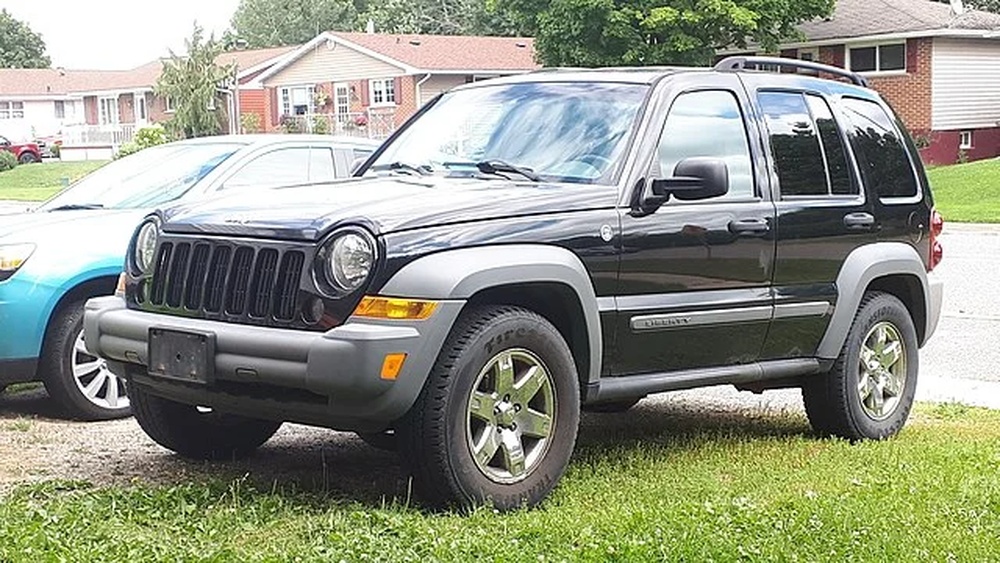
You’ll also see how it compares to other SUVs, common problems to watch for, and answers to questions most owners have.
Let’s get started.
Average Lifespan Of A Jeep Liberty
The average Jeep Liberty lifespan is between 200,000 and 300,000 miles. Many drivers reach 200,000 miles with regular care. Some go beyond 250,000 miles, but this is less common. A few owners have reported passing 300,000 miles, but this usually requires top maintenance and some luck.
Here’s a quick look at what these numbers mean in years:
- If you drive 12,000 miles per year (the US average), a Jeep Liberty can last about 16 to 25 years with proper care.
- High-mileage drivers might see 10-15 years of use.
But remember, age is not the only factor. Mileage, climate, and maintenance matter even more.
What Affects Jeep Liberty Longevity?
Several things can make your Jeep Liberty last longer or break down sooner. Here are the main factors:
1. Maintenance Habits
Regular oil changes, fluid checks, and replacing worn parts are key. Skipping these leads to bigger problems.
2. Driving Style
Gentle driving helps the engine and transmission last. Hard acceleration, sudden stops, and off-road driving cause more wear.
3. Climate And Environment
Rust from road salt, extreme heat, or cold can shorten lifespan. Keeping your Jeep clean helps fight rust.
4. Build Quality And Year
Early models (2002-2007) sometimes had more issues than later ones (2008-2012). Some years are known for better reliability.
5. Repairs And Parts
Using quality parts and skilled mechanics makes a difference. Cheap fixes often lead to repeat repairs.
Real-world Owner Reports
Many owners on forums and review sites share their mileage. Here’s what they say:
- 150,000 miles: Common with basic care, most Libertys reach this easily.
- 200,000 miles: Achievable with regular maintenance.
- 250,000+ miles: Seen in well-kept vehicles, though repairs become more frequent.
- 300,000+ miles: Rare, but possible with excellent care.
Common Problems And How To Avoid Them
The Jeep Liberty has a few known problems that can cut its life short if ignored. Here are the most common, and how to prevent them:
1. Transmission Issues
Some Libertys, especially older ones, have transmission problems. Delayed shifting, slipping gears, or leaks are warning signs. Changing transmission fluid every 30,000 to 60,000 miles helps. Ignoring shifts or leaks can lead to costly repairs.
2. Suspension And Ball Joints
Worn ball joints are a common issue. If you hear clunking noises or feel loose steering, get these checked.
Replacing them early costs less than waiting for a full failure.
3. Rust And Body Corrosion
Libertys in snowy states often get rust, especially on the frame and underbody. Washing your Jeep in winter and using rustproofing sprays can help prevent this.
4. Electrical Problems
Some owners report window regulators, switches, or sensor issues. Most are minor but annoying. Fixing electrical problems promptly avoids bigger headaches.
5. Engine Cooling System
Water pumps, radiators, and thermostats sometimes fail. Watch for overheating or coolant leaks.
Replace parts at the first sign of trouble.
Jeep Liberty Vs. Other Suvs: Longevity Comparison
How does the Jeep Liberty stack up against similar SUVs? Here’s a side-by-side look at average lifespan:
| Model | Average Lifespan (miles) | Reliability Rating* |
|---|---|---|
| Jeep Liberty | 200,000 to 250,000 | Average |
| Honda CR-V | 250,000 to 300,000 | Above Average |
| Toyota RAV4 | 250,000 to 300,000 | High |
| Ford Escape | 200,000 to 250,000 | Average |
| Chevy Equinox | 175,000 to 225,000 | Below Average |
*Based on owner surveys and third-party reliability data.
What Does This Mean?
The Jeep Liberty is competitive, but not best-in-class for lifespan. Japanese models like the Honda CR-V and Toyota RAV4 often last a bit longer with fewer repairs. Still, a well-kept Liberty can match or beat many American rivals.
Maintenance Schedule For Maximum Life
Want your Jeep Liberty to last as long as possible? Follow a strict maintenance plan. Here’s a simple outline:
| Task | Interval | Why It Matters |
|---|---|---|
| Oil Change | 5,000 to 7,500 miles | Keeps engine healthy |
| Transmission Fluid | 30,000 to 60,000 miles | Prevents gearbox issues |
| Coolant Flush | 60,000 miles | Protects engine from overheating |
| Timing Belt/Chain | Inspect at 100,000 miles | Avoids engine damage |
| Brake Pads/Rotors | 20,000 to 60,000 miles | Ensures safe stopping |
| Spark Plugs | 100,000 miles | Improves engine performance |
| Suspension Parts | Inspect every 30,000 miles | Reduces wear and tear |
Pro tip: Keep all service records. This not only helps you track maintenance, but also adds value if you sell the vehicle.
Cost Of Ownership Over Time
Buying a used Jeep Liberty is only part of the cost. Repairs, fuel, and insurance can add up. Here’s what you can expect:
Average Yearly Costs
- Repairs: $400, $700 per year (varies by age and condition)
- Fuel: 15 to 22 mpg. The Liberty is not the most fuel-efficient.
- Insurance: $1,100, $1,400 per year (US average)
- Parts: Generally easy to find and affordable compared to European or luxury SUVs
Unexpected repairs are common as the Jeep ages. Budget for occasional suspension, brake, or electrical fixes after 100,000 miles.
Sample 10-year Cost Breakdown
| Year | Typical Repair Costs | Notes |
|---|---|---|
| 1 to 3 | $300, $500/year | Mostly routine service |
| 4 to 7 | $500, $800/year | More parts wear out |
| 8 to 10 | $700, $1,200/year | Major repairs possible |
Real insight: Many owners are surprised by rising repair costs after 120,000 miles. Plan ahead to keep your Liberty running smoothly.
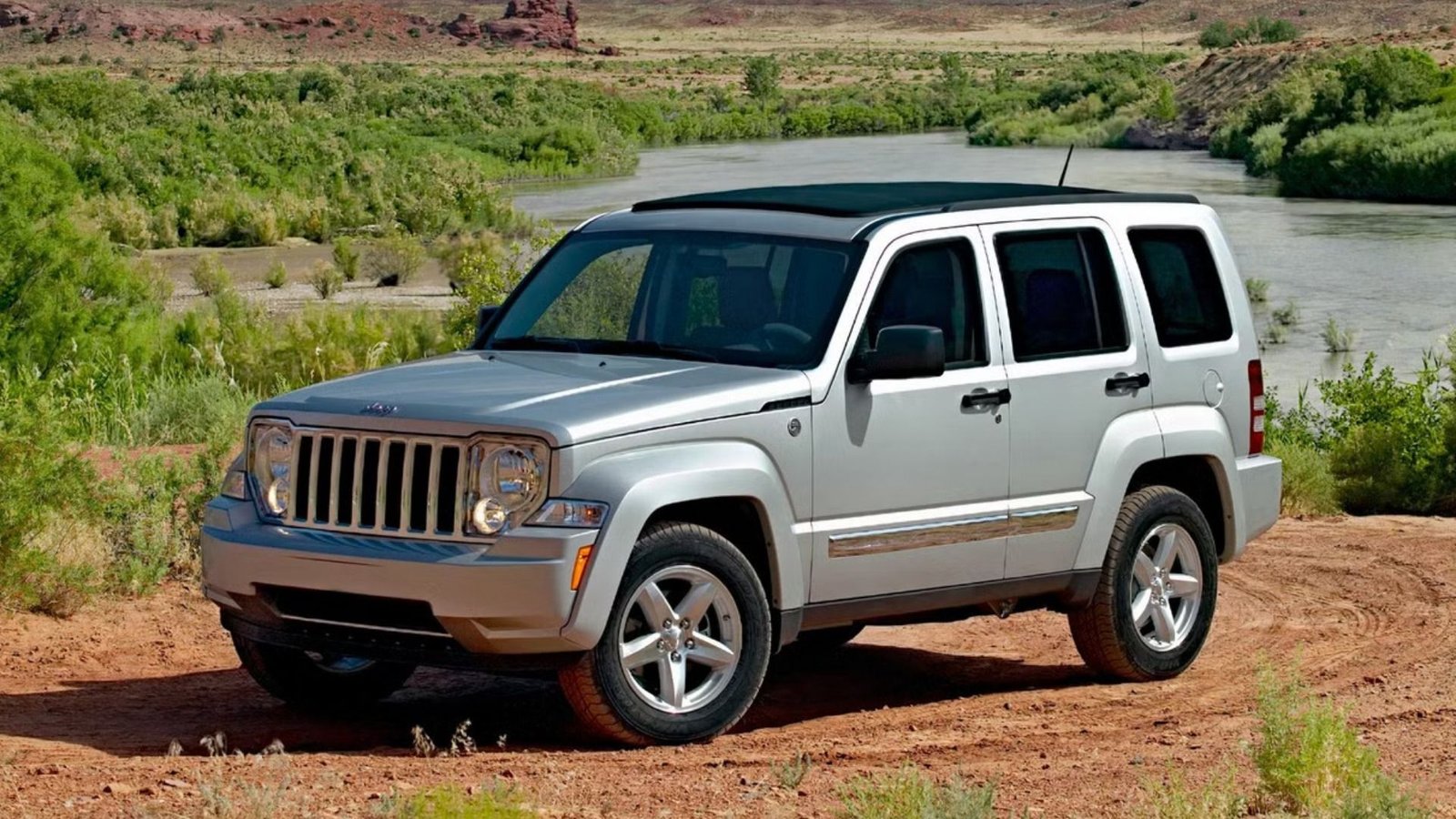
Pros And Cons Of Jeep Liberty Longevity
Pros
- Simple mechanics: Easier and cheaper to fix than many modern SUVs.
- Strong engine options: The 3.7L V6 is known for durability.
- Good off-road ability: Built for rough roads, but extra wear if used heavily off-road.
- Affordable used prices: Lower purchase price than rivals.
Cons
- Below-average fuel economy: Older design, not as efficient as newer SUVs.
- Rust issues: Especially in cold climates, can shorten lifespan.
- Transmission/suspension concerns: Some years had more frequent failures.
- No new models: Ended production in 2012, so all are used.
Non-obvious insight: The Liberty’s simpler design means fewer fancy electronics to break, but it also lacks the advanced safety features of newer SUVs.
Practical Tips To Make Your Jeep Liberty Last Longer
- Stay on top of fluids: Oil, coolant, and transmission fluid are critical. Check monthly.
- Wash underbody in winter: Salt and grime cause rust fast.
- Replace suspension parts proactively: Don’t wait for total failure. Early repairs are cheaper.
- Avoid rough off-roading: Occasional trails are fine, but heavy use wears parts quickly.
- Fix small problems early: A minor leak or rattle can become a big repair if ignored.
Extra tip: Don’t overlook recalls. Check your VIN for any open recalls and get them fixed, safety and reliability depend on it.
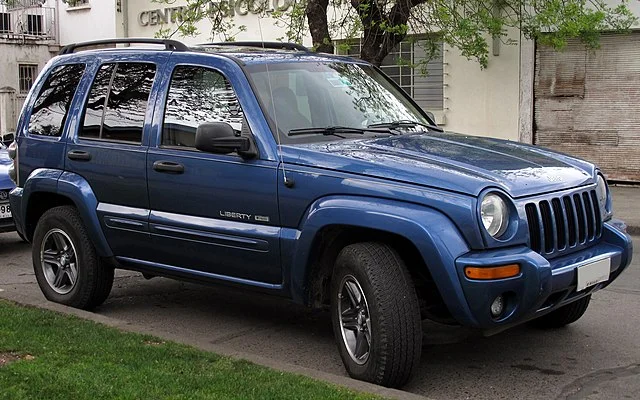
Is A Jeep Liberty Worth Buying Used?
If you want an affordable, rugged SUV and are willing to do regular maintenance, a used Jeep Liberty can be a good buy. It’s not the most reliable SUV in history, but it offers a balance of price and capability. Just know that older models may need more frequent repairs.
Always check for rust, ask for maintenance records, and get a trusted mechanic to inspect any used Liberty before buying.
<!– wp:rank-math/faq-block {"questions":[{"id":"faq-question-a820c4747bea","title":"How Many Miles Can A Jeep Liberty Last?","content":"Most Jeep Libertys last between 200,000 and 250,000 miles with proper care. Some reach 300,000 miles, but this is rare and requires regular maintenance.
“,”visible”:true},{“id”:”faq-question-e041813fbfde”,”title”:”Are Jeep Libertys Expensive To Repair?”,”content”:”Repair costs are moderate. Expect to pay $400 $700 per year for typical repairs. Major issues like transmission or suspension repairs can cost more, especially as the vehicle ages.
“,”visible”:true},{“id”:”faq-question-443aaa2a7ef8″,”title”:”What Year Jeep Liberty Is Most Reliable?”,”content”:”The 2008 to 2012 models are generally more reliable than earlier years. These later models had fewer recalls and improved build quality.
“,”visible”:true},{“id”:”faq-question-6662b66941fd”,”title”:”Is A Jeep Liberty Good For Off-road Driving?”,”content”:”Yes, the Jeep Liberty is designed for light to moderate off-road use. But heavy off-roading can shorten its lifespan due to extra wear on suspension and drivetrain parts.
“,”visible”:true},{“id”:”faq-question-e423ad02c6b7″,”title”:”Where Can I Find More Jeep Liberty Reliability Data?”,”content”:”You can find more details and owner reviews on the official NHTSA website. This site tracks recalls, complaints, and safety ratings.
“,”visible”:true}]} –>How Many Miles Can A Jeep Liberty Last?
Most Jeep Libertys last between 200,000 and 250,000 miles with proper care. Some reach 300,000 miles, but this is rare and requires regular maintenance.
Are Jeep Libertys Expensive To Repair?
Repair costs are moderate. Expect to pay $400 $700 per year for typical repairs. Major issues like transmission or suspension repairs can cost more, especially as the vehicle ages.
What Year Jeep Liberty Is Most Reliable?
The 2008 to 2012 models are generally more reliable than earlier years. These later models had fewer recalls and improved build quality.
Is A Jeep Liberty Good For Off-road Driving?
Yes, the Jeep Liberty is designed for light to moderate off-road use. But heavy off-roading can shorten its lifespan due to extra wear on suspension and drivetrain parts.
Where Can I Find More Jeep Liberty Reliability Data?
You can find more details and owner reviews on the official NHTSA website. This site tracks recalls, complaints, and safety ratings.
Final Thoughts
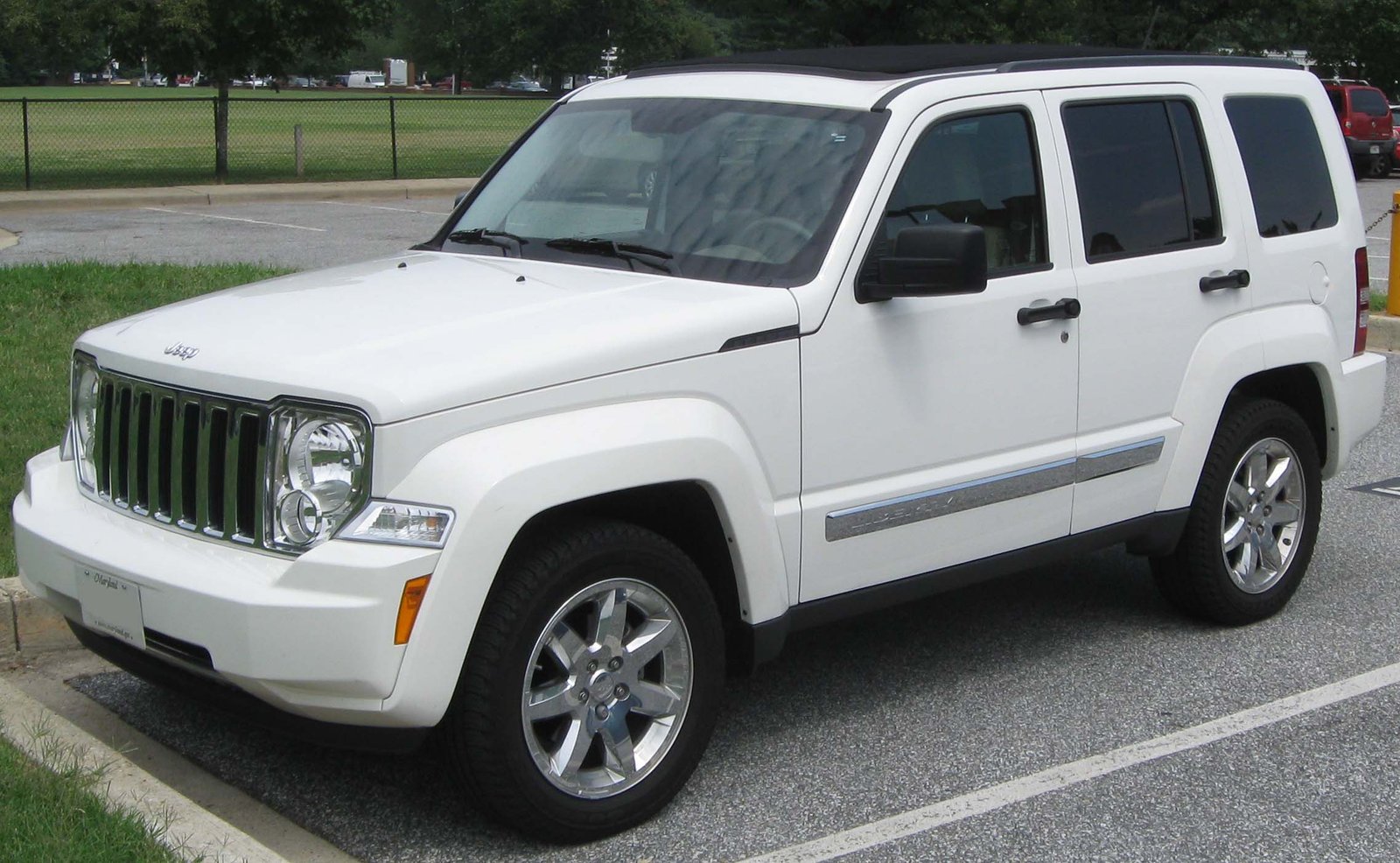
The Jeep Liberty can last a long time with the right care, often 200,000 miles or more. It’s not as maintenance-free as some rivals, but it rewards owners who stay on top of repairs. If you want a solid used SUV with off-road ability and don’t mind a little extra maintenance, the Liberty is worth considering. Always check for rust, keep up with fluids, and fix small problems before they grow. With these habits, you’ll get the most from your Jeep Liberty for many years to come.