The idea of a Jeep pickup has always sparked excitement in the auto world. Jeep, famous for its rugged SUVs and off-road ability, has a loyal fanbase that often asks: *Will Jeep make a pickup?
* The answer is more interesting than many people think. Let’s explore what Jeep has done in the pickup market, what’s happening now, and what the future might hold for fans wanting a tough, adventure-ready truck.
Jeep’s History With Pickup Trucks
Many people don’t know that Jeep pickups are not a new idea. Jeep built several pickups in the past, with the first models dating back to the late 1940s. The Jeep Gladiator (1962–1988) and the Jeep Comanche (1986–1992) both earned respect for their durability.
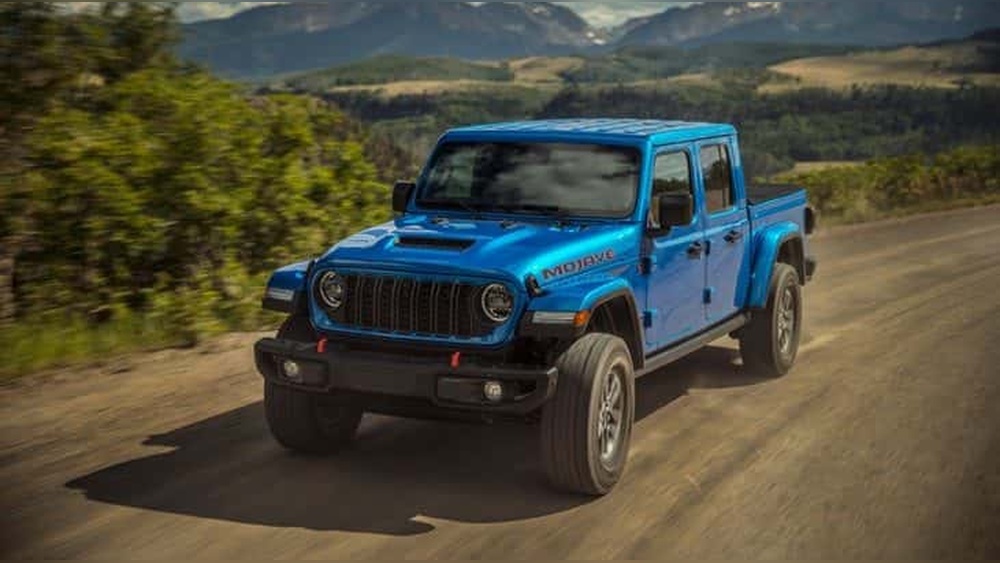
Over time, Jeep shifted focus to SUVs. This move left a gap in their lineup just as pickup trucks grew more popular in the US.
For decades, Jeep fans kept asking for a new pickup.
The Modern Jeep Pickup: Gladiator’s Comeback
In 2019, Jeep answered the call and launched the Jeep Gladiator (JT). This new Gladiator combined the best parts of the Wrangler with the flexibility of a midsize truck. It quickly became popular among outdoor lovers and Jeep loyalists.
Gladiator Vs. Other Midsize Pickups
Let’s see how the Gladiator compares to two top competitors:
| Model | Towing Capacity (lbs) | Payload (lbs) | 4×4 Standard |
|---|---|---|---|
| Jeep Gladiator | 7,700 | 1,700 | Yes |
| Toyota Tacoma | 6,800 | 1,685 | Optional |
| Ford Ranger | 7,500 | 1,860 | Optional |
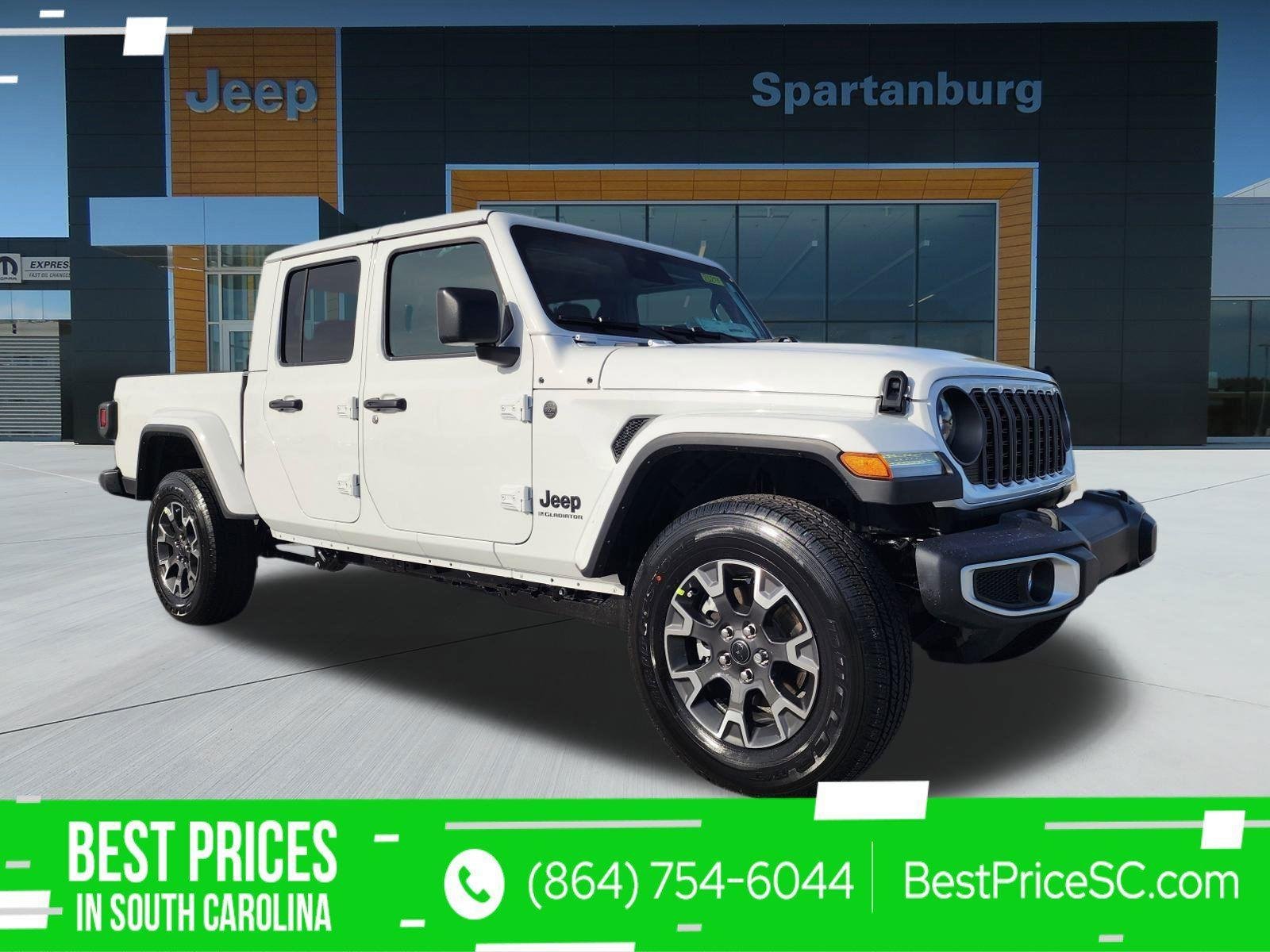
The Gladiator stands out with its true off-road ability and a removable roof something no other pickup offers.
Why Did Jeep Wait So Long?
It might seem strange that Jeep took so many years to return to the pickup market. There are a few reasons for this:
- Changing Consumer Trends: In the 1990s and early 2000s, SUVs like the Grand Cherokee were more profitable.
- Corporate Changes: Jeep changed owners several times, with each new company focusing on different markets.
- Development Costs: Creating a pickup that meets Jeep standards for off-road and utility requires heavy investment.
Many fans don’t realize that Jeep often tested concepts at auto shows, like the Jeep J-12 and Gladiator Concept. These tests helped Jeep understand what customers really wanted.
Will Jeep Make Another Pickup?
With the Gladiator’s return, Jeep is officially back in the pickup market. But will there be more Jeep pickups? The answer depends on several factors.
Market Demand
Jeep carefully watches truck sales numbers. If the Gladiator continues to succeed, Jeep may expand the lineup or even create a smaller pickup. Some rumors suggest a compact Jeep truck could join the Renegade and Compass in showrooms.
Electric And Hybrid Pickups
The auto industry is moving toward electric vehicles. Jeep’s parent company, Stellantis, has announced plans to electrify many models. It’s possible we’ll see a Jeep electric pickup in the next few years. This would compete with the Ford F-150 Lightning and Chevrolet Silverado EV.
Here’s a quick look at how an electric Jeep pickup might compare if it launches:
| Model | Estimated Range (miles) | 0–60 mph (sec) | Max Towing (lbs) |
|---|---|---|---|
| Jeep Electric Pickup (est.) | 250–300 | 5.0–6.0 | 7,000+ |
| Ford F-150 Lightning | 230–320 | 4.1 | 10,000 |
| Chevy Silverado EV | 400 | 4.5 | 10,000 |
This is a projection, but it shows Jeep will need to keep up with new technology and strong competition.
What Makes A Jeep Pickup Special?
Jeep’s main selling point is its off-road performance. The Gladiator, for example, uses solid axles, high ground clearance, and advanced 4×4 systems. These features make it stand out from most pickups, which focus more on city driving.
Another unique feature is open-air design. The Gladiator is the only pickup in its class with removable doors and roof. This appeals to adventure lovers who want to enjoy the outdoors.
Some buyers miss that Jeep pickups keep a strong resale value. This is due to their loyal fanbase and reputation for capability.
Common Buyer Mistakes
Many people new to the Jeep brand make a few mistakes:
- Assuming All Pickups Are the Same: Jeep pickups are designed for off-road first, so the ride can feel firmer than a street-focused truck.
- Ignoring Payload Ratings: The Gladiator’s bed is smaller than a full-size truck, so heavy work use may not fit every need.
- Skipping Research on Trim Levels: Each Gladiator model offers different features, from basic sport trims to high-end Rubicon and Mojave versions.
Carefully comparing models and understanding your real needs helps avoid disappointment.

The Future: What To Watch For
The next few years will be important for Jeep in the pickup market. With the move toward electric vehicles and changing buyer tastes, Jeep will need to innovate.
Insiders say Jeep is considering new designs, more efficient engines, and even plug-in hybrid pickups. If you want the latest updates, keep an eye on official Jeep announcements and trusted car news sources like Car and Driver.
Frequently Asked Questions
Will Jeep Make A Smaller Pickup Truck?
Jeep has not confirmed a smaller pickup, but rumors suggest they are studying the idea. If the market shows enough interest, Jeep could add a compact pickup in the future.
Is The Jeep Gladiator Good For Towing?
Yes, the Gladiator can tow up to 7,700 pounds when properly equipped. That’s near the top of the midsize truck class.
Will Jeep Offer An Electric Pickup?
Jeep’s parent company plans to electrify much of its lineup. While there is no electric pickup yet, one is likely in the next few years.
What Is The Difference Between The Gladiator And Wrangler?
Both share a similar look and off-road ability, but the Gladiator has a longer wheelbase and a pickup bed, making it better for carrying cargo.
Are Jeep Pickups Expensive To Maintain?
Jeep pickups are built tough, but off-road use can increase wear. Regular care and choosing the right trim can help manage maintenance costs.
Jeep’s return to pickups has been a bold move, and its future looks exciting. Whether you want a classic off-roader or are waiting for the next big thing, Jeep’s pickup plans are worth watching.