If you’re considering mounting 275/55R20 tires on your Jeep Grand Cherokee, you’re not alone. Many owners want a more aggressive look or better performance. But does this size fit well? Let’s break down the facts, compare data, and give you the confident answers you need.
What Does 275/55r20 Mean?
First, it helps to understand what 275/55R20 means. The “275” is the tire’s width in millimeters. “55” is the aspect ratio, meaning the sidewall is 55% of the width. The “R” stands for radial, and “20” is the rim diameter in inches.
This tire size is wider and slightly taller than many stock Jeep Grand Cherokee tires. For example, most Grand Cherokees use 265/50R20 or 265/60R18 as standard.

Factory Tire Sizes For Jeep Grand Cherokee
Here’s a look at common stock tire sizes for recent Grand Cherokee models:
| Trim | Stock Tire Size | Rim Size |
|---|---|---|
| Laredo | 265/60R18 | 18″ |
| Limited | 265/50R20 | 20″ |
| Overland | 265/50R20 | 20″ |
| Summit | 265/50R20 | 20″ |
Comparing 275/55r20 To Stock Sizes
How does 275/55R20 compare with the factory size? Let’s look at the numbers.
| Tire Size | Diameter (in) | Width (mm) | Sidewall (mm) |
|---|---|---|---|
| 265/50R20 | 30.4 | 265 | 132.5 |
| 275/55R20 | 31.9 | 275 | 151.3 |
So, the 275/55R20 is about 1.5 inches taller and 10 mm wider. This affects fitment and performance.
Will 275/55r20 Fit On Jeep Grand Cherokee?
The short answer: It can fit, but not always without changes. Here’s what to consider:
- Wheel Well Clearance: The larger diameter can cause rubbing, especially during sharp turns or over bumps.
- Suspension Setup: Air suspension models may handle bigger tires better than standard.
- Rim Width: The ideal rim width for 275/55R20 is 8.5-10″. Most stock Grand Cherokee 20” wheels are 8-8.5″ wide, which works but is at the lower end.
- Speedometer Error: Larger tires make your speedometer read slightly lower than actual speed.

20 Common Concerns About Fitting 275/55r20
Below are the top 20 items you must check or expect before switching. Each is important for safety, performance, or cost.
1. Wheel Arch Clearance
Larger tires may hit the inner fender or wheel liner, especially with a full load or off-road.
2. Suspension Travel
If you go off-road, the suspension compresses more. This can make wider tires rub.
3. Wheel Offset
A higher offset may push the tire closer to the suspension. You might need spacers for better fitment.
4. Rim Width
Make sure your rims are at least 8″ wide. Narrower rims can pinch the tire sidewall.
5. Turning Radius
Wider tires can reduce your turning radius or rub when fully turned.
6. Speedometer Reading
Your speed will show slightly less than true speed. For example, 60 mph on the dash might be 62 mph in reality.
7. Abs And Traction Control
Changing tire diameter can confuse these systems, causing warnings or odd behavior.
8. Tire Load Rating
Check the load rating on the new tire. It should match or exceed your vehicle’s requirement.
9. Fuel Economy
Bigger, heavier tires can reduce gas mileage by 1-2 mpg.
10. Ride Comfort
Taller tires often give a softer ride but can feel less sharp in handling.
11. Road Noise
Wide, aggressive tires may be noisier, especially all-terrain or mud-terrain types.
12. Tire Cost
275/55R20 tires are usually more expensive than factory sizes.
13. Availability
This size is popular for trucks and SUVs, so options are good, but not every brand makes them.
14. Tire Weight
Heavier tires put more stress on suspension and brakes.
15. Braking Distance
Bigger tires can increase stopping distance by a small amount.
16. Warranty Impact
Some dealerships may question warranty claims if you use non-stock tire sizes.
17. Insurance
Always tell your insurance if you change tire size. Not reporting can cause issues in an accident.
18. Tire Pressure Monitoring System (tpms)
TPMS sensors usually work fine, but always check after installation.
19. Off-road Ability
Wider and taller tires can improve off-road grip, but may reduce mud clearance in tight wheel wells.
20. Alignment
Changing tire size may require a wheel alignment to prevent uneven tire wear.
Real-world Experiences
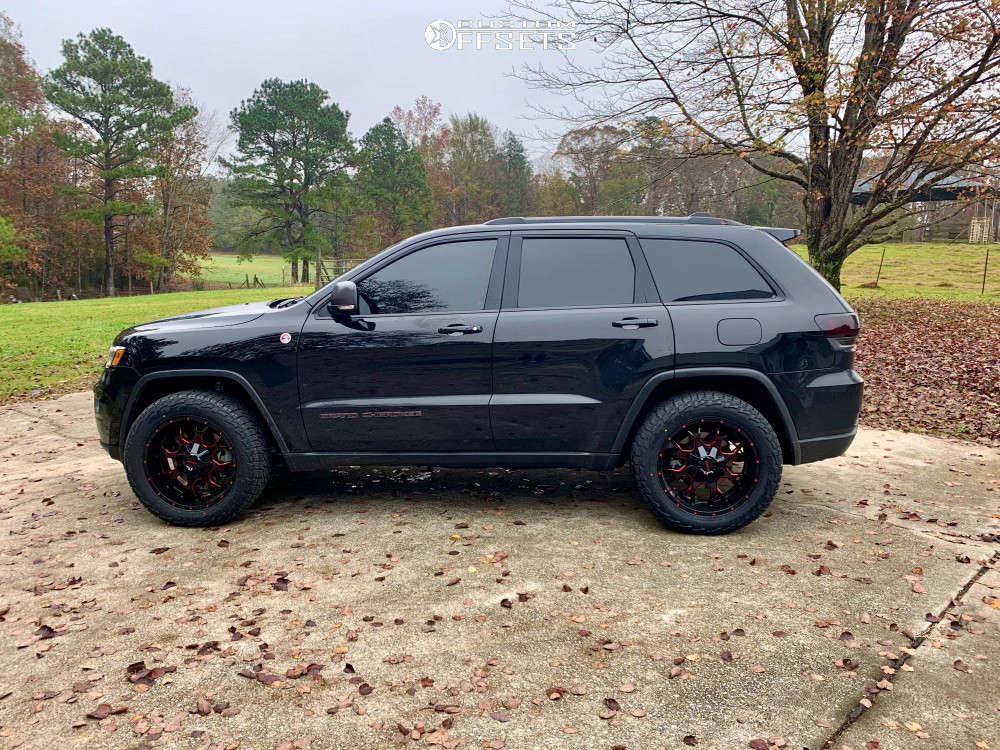
Many Jeep Grand Cherokee owners have fitted 275/55R20 tires successfully. Most report minor rubbing at full turn or on big bumps—especially without a lift. Some fix this with leveling kits or trimming the plastic liner. A few say the ride feels smoother, but steering is slightly heavier.
When Is A Lift Kit Needed?
If you plan to go off-road, or want zero rubbing, a 2-inch lift kit is often recommended. This gives extra clearance and helps keep the tires from hitting the fenders.
How To Check Before You Buy
Before spending money, measure your wheel well. Leave at least ½ inch (12 mm) clearance between the tire and fender at all points. Many tire shops can “test fit” one wheel before mounting all four.
Should You Recalibrate The Speedometer?
For accurate speed and odometer readings, consider a speedometer recalibration tool. Some Jeep dealers can do this, or you can buy a programmer online.
Insurance And Safety
Always update your insurance after changing tire sizes. It protects you legally and avoids coverage problems. For more on tire safety, see the National Highway Traffic Safety Administration.
Frequently Asked Questions
Will 275/55r20 Tires Void My Jeep’s Warranty?
Using non-stock tires can affect the warranty for related parts, like suspension, but usually not the whole vehicle. Check with your dealer.
Is There Any Rubbing At Stock Height?
Most people report minor rubbing at full lock or over big bumps. A leveling kit or small lift usually solves this.
Can I Use 275/55r20 On Stock 20” Wheels?
Yes, if your wheels are at least 8” wide. It’s a tight fit but works for most Grand Cherokees.
Will My Speedometer Be Accurate?
No, it will read about 2-3% low. You can recalibrate it for accuracy.
Do I Need Spacers Or A Lift Kit?
Spacers may be needed if your wheel offset is high. A lift is not required for street driving, but recommended for off-roading or no rubbing.
Switching to 275/55R20 on your Jeep Grand Cherokee is possible and popular, but requires careful planning. Measure, consult experts, and consider your driving style. With the right steps, you can enjoy a bolder look and solid performance without surprises.