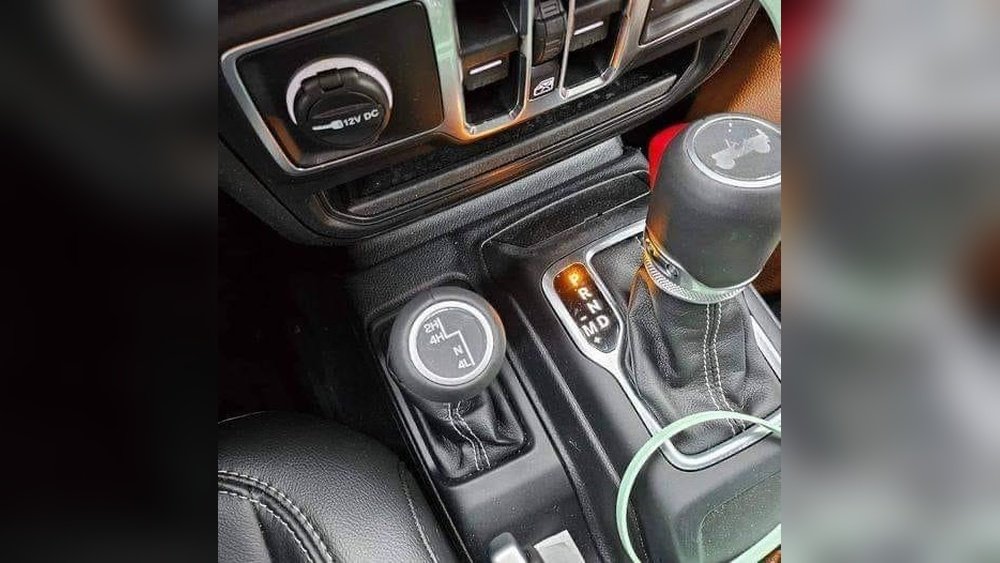
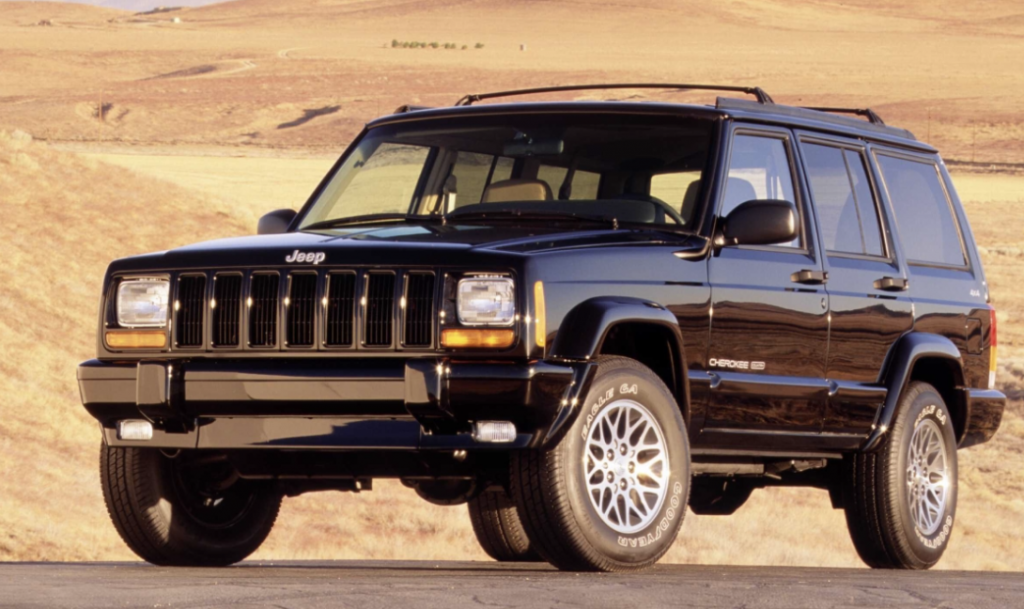
The Jeep Cherokee was once a familiar sight on American roads, known for its rugged style and reliable performance. Over the years, it built a strong reputation as a family SUV and off-road companion.
But in 2023, Jeep made a surprising decision: they discontinued the Cherokee. This move left many fans and owners wondering why such a popular model disappeared from dealerships.
Understanding the reasons behind this change can help drivers make sense of the shifting auto market and what it means for future SUVs.
Changing Consumer Preferences
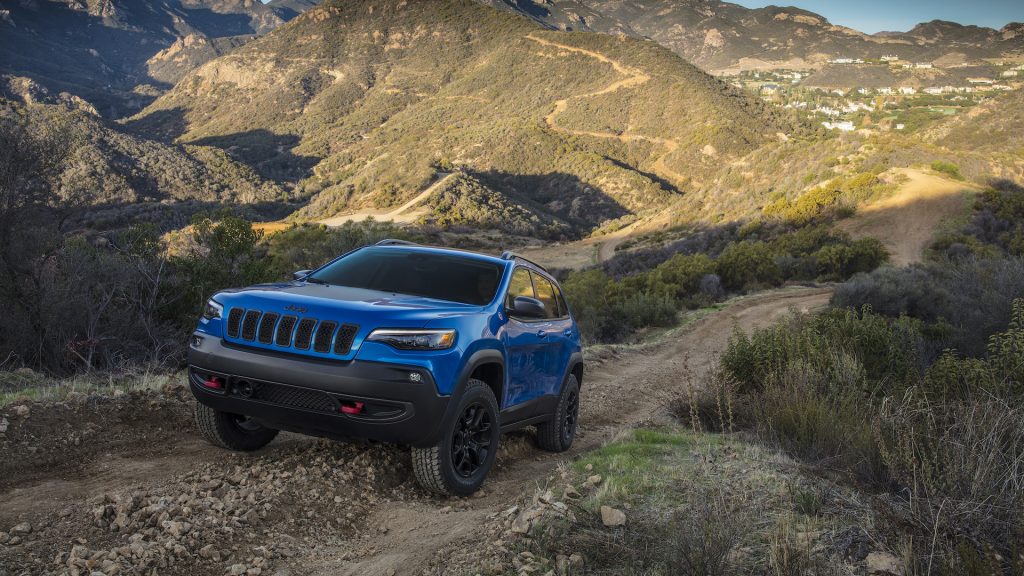
The SUV market has changed a lot in the last decade. Buyers now want vehicles that are more fuel-efficient, offer modern technology, and have a fresh design. The Jeep Cherokee, first launched in 1974 and revived in 2014, struggled to keep up with these demands.
In recent years, compact SUVs have become more popular than traditional midsize SUVs. Models like the Toyota RAV4 and Honda CR-V attracted buyers with better fuel economy and advanced safety features. The Cherokee, while reliable, lagged behind in these areas. According to 2022 sales data, the Cherokee sold just 40,322 units in the US, while the Toyota RAV4 sold over 366,000 units. This huge difference shows how much buyer preferences have shifted.
| Model | US Sales (2022) | Fuel Efficiency (MPG) |
|---|---|---|
| Jeep Cherokee | 40,322 | 23 city / 31 highway |
| Toyota RAV4 | 366,741 | 27 city / 35 highway |
| Honda CR-V | 238,155 | 28 city / 34 highway |
Rising Competition And Market Pressure
The Cherokee faced strong competition from other brands, which made it hard to stand out. Many rivals offered similar features but with better value. For example, Hyundai and Kia launched models with more technology and longer warranties. Ford and Chevrolet also updated their SUVs with modern designs.
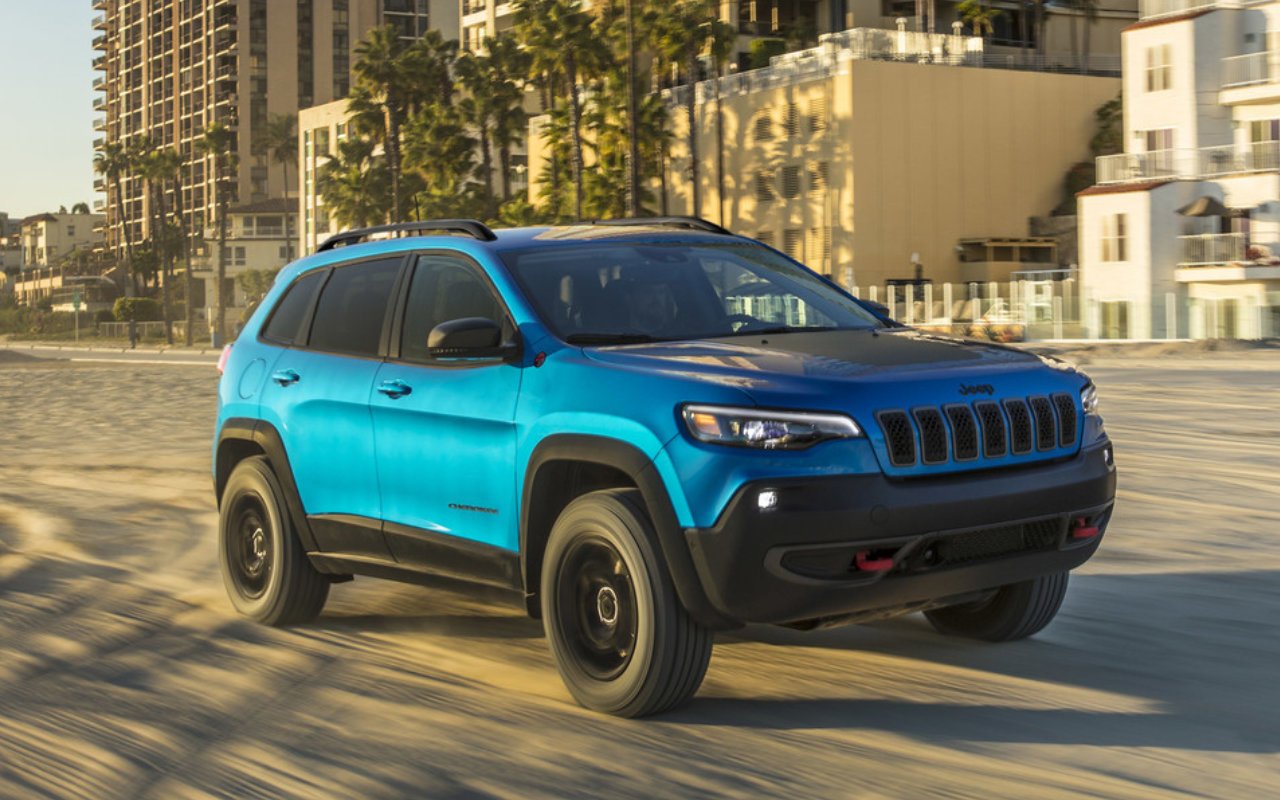
Jeep kept the Cherokee’s design mostly unchanged since 2014. While the rugged look appealed to some, others found it outdated.
The lack of major updates hurt its chances against newer models. Auto experts often pointed out that the Cherokee’s infotainment system and interior materials felt behind the times.
Another key issue was price. The Cherokee’s starting price was higher than many competitors, even though it offered fewer standard features.
This made buyers look elsewhere, especially when budget was important.
Production And Supply Chain Challenges
Jeep produced the Cherokee at the Belvidere Assembly Plant in Illinois. In early 2023, Jeep announced it would halt production at this factory. The reason wasn’t just sales; it was also about supply chain issues and rising costs. The plant had trouble getting parts like semiconductors, which are essential for modern car electronics.
In addition, Jeep’s parent company, Stellantis, wanted to focus on electric and hybrid vehicles. The Cherokee’s platform didn’t easily support electrification, so updating it would have been expensive and slow. Instead, Stellantis decided to invest in new models that fit the company’s future strategy.
| Factor | Impact on Cherokee | Result |
|---|---|---|
| Supply Chain Delays | Parts shortages | Production slowdown |
| Plant Closure | Belvidere shutdown | End of Cherokee assembly |
| EV Strategy | Platform not EV-ready | No electrified Cherokee |
Regulatory And Environmental Pressures
Car makers face new rules about emissions and fuel economy. The Cherokee’s engines, while strong, didn’t meet stricter standards as easily as newer designs.
Many buyers and governments now demand vehicles with lower emissions and better gas mileage.
Jeep has started building more hybrids and electric vehicles, like the Jeep Wrangler 4xe. The Cherokee, however, did not offer hybrid or electric versions. Updating the Cherokee to meet these rules would have cost a lot, so Jeep decided to move on.
Non-obvious Insights
- Cherokee’s fleet sales dropped sharply before discontinuation. Many rental car companies stopped buying it due to reliability concerns and higher maintenance costs, making a big dent in overall sales numbers.
- Jeep’s decision to end the Cherokee was also influenced by the need to focus on global models. The Cherokee was mainly sold in North America, while Jeep’s newer vehicles are designed for worldwide markets, helping the brand grow in Europe and Asia.
What Happens Next?
Jeep says it plans to offer new SUVs in the Cherokee’s size class, but these will likely be more modern and electrified. The Jeep Compass and the upcoming electric Wagoneer S are two examples. Jeep fans can expect more advanced technology and better efficiency in future models.
| Jeep Model | Type | Market Focus |
|---|---|---|
| Compass | Compact SUV | Global |
| Wagoneer S | Electric SUV | Global |
| Cherokee | Midsize SUV | North America |
Frequently Asked Questions
Why Did Jeep Discontinue The Cherokee?
Jeep stopped making the Cherokee due to low sales, rising competition, and challenges with production and parts. The model also struggled to meet new emission standards and was not easily upgraded to electric or hybrid versions.
Will The Cherokee Return In The Future?
Jeep has not confirmed any plans to bring back the Cherokee. However, they may release new models with similar size and features, focusing on electrification and global appeal.
What Jeep Models Replace The Cherokee?
The Jeep Compass and upcoming Wagoneer S will fill the gap left by the Cherokee. These models offer more modern technology and are designed for both US and international markets.
Was The Cherokee Popular Before It Was Discontinued?
Yes, the Cherokee was once a popular SUV. Sales peaked in the mid-2010s but dropped sharply in the last few years due to changing buyer tastes and stronger rivals.
Where Can I Learn More About Jeep’s New Models?
You can find updates on Jeep’s future vehicles at the official Jeep website or from trusted sources like Cars.com, which offer news and reviews about upcoming SUVs.
The end of the Jeep Cherokee marks a turning point for both the brand and the SUV market. While it’s sad to see a well-known model go, Jeep’s shift toward electrification and global vehicles shows how car makers must adapt.
For buyers, this means more choices and better technology in the years ahead. If you’re considering a Jeep, keep an eye out for their new models they’re likely to bring exciting changes to the road.