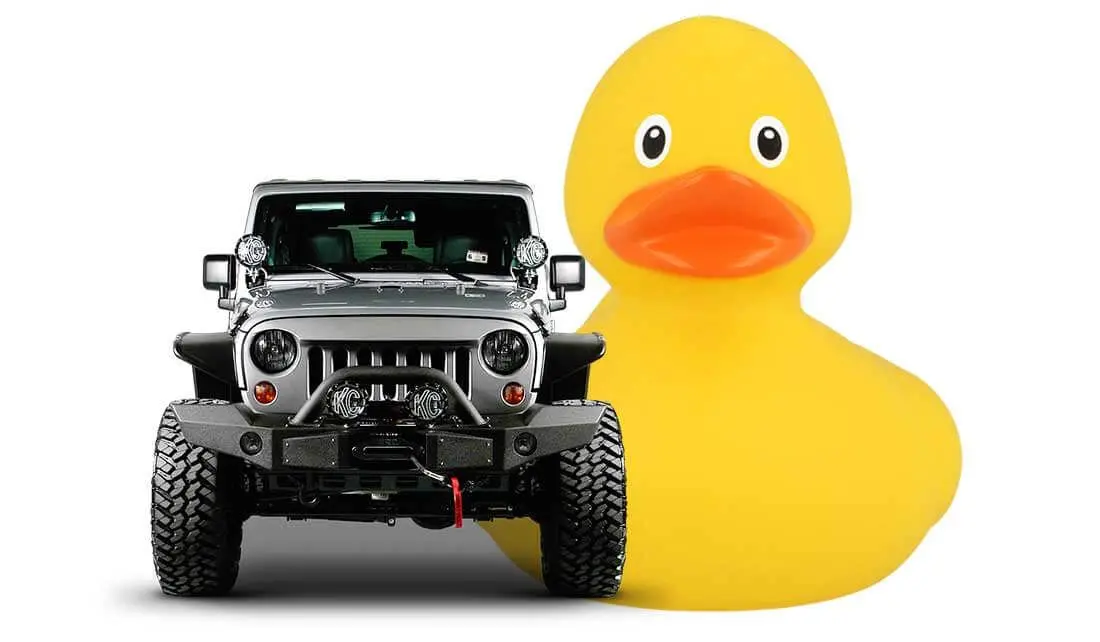
People often notice small rubber ducks sitting on the dashboards or hoods of Jeeps. This playful trend has spread across the world, leaving many to wonder: Why do people put ducks in their Jeeps? If you’re new to the Jeep community or simply curious about these little ducks, this article explains the reasons, history, and impact of this unique tradition.
The Origin Of Jeep Ducking
The idea of ducking Jeeps started in 2020 in Ontario, Canada. A Jeep owner named Allison Parliament placed a rubber duck on another Jeep as a way to spread kindness during difficult times. She left a note with the duck, hoping to brighten someone’s day. This act was shared on social media and quickly caught on with Jeep owners everywhere.
What began as a small gesture turned into a global trend. Now, Jeep ducking is not just about the ducks—it’s about connection, community, and friendly surprises.
What Jeep Ducking Means To Owners
For many, the rubber duck is more than a toy. It has become a symbol. Here’s what the ducks mean to Jeep owners:
- Friendship: Ducking is a way to say “hello” to other Jeep drivers. It helps break the ice and starts conversations.
- Kindness: The act encourages random acts of kindness. People enjoy making each other smile.
- Pride: Owners feel proud to be part of a welcoming, fun community.
- Recognition: It’s a way to spot fellow Jeep lovers, even among strangers.
Many Jeep owners keep their first duck as a special memory. Some even display their collection on the dashboard, showing how many times they have been “ducked. ”
How Jeep Ducking Works
The process is simple. Owners carry a few rubber ducks in their Jeeps. When they see another Jeep, they place a duck on the handle, hood, or dashboard. Often, they add a small note or tag.
Here’s a breakdown:
| Step | Action | Details |
|---|---|---|
| 1 | Get Ducks | Buy rubber ducks in bulk (often colorful or themed) |
| 2 | Add Note | Attach a tag explaining Jeep ducking or with a fun message |
| 3 | Find a Jeep | Look for Jeeps in parking lots or on the street |
| 4 | Place the Duck | Leave the duck on the Jeep’s door handle, mirror, or hood |
| 5 | Share Online (Optional) | Post a photo on social media with hashtags like #duckduckjeep |
Ducking is meant to be friendly and respectful. Most people enjoy it, but it’s important to avoid touching a Jeep if the owner seems uncomfortable.
Why Ducks And Not Something Else?
The choice of ducks may seem random, but there are reasons behind it:
- Affordable: Rubber ducks are cheap and easy to find.
- Non-damaging: They don’t scratch or harm the vehicle.
- Fun: Ducks are cute, come in many designs, and bring smiles to people of all ages.
- Symbolic: Ducks stand out and are often linked to fun, light-heartedness, and play.
Some Jeep owners even compete to collect the most creative or rare ducks, turning the activity into a friendly contest.
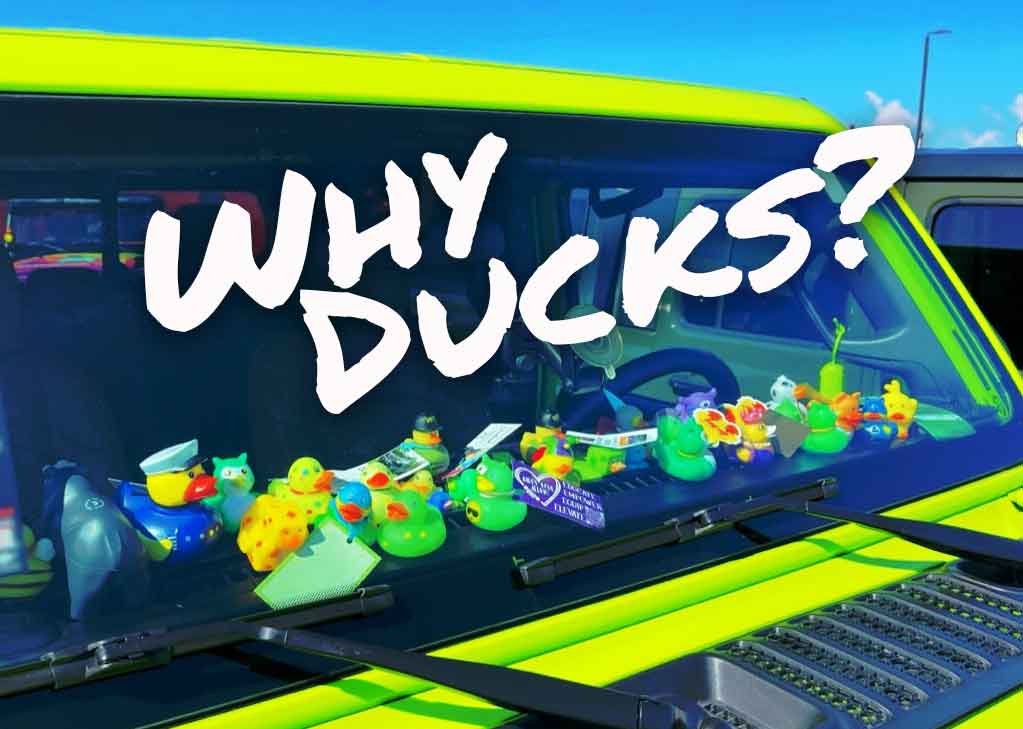
Jeep ducking has built a stronger sense of community among owners. It’s not just about the vehicles—it’s about sharing positive experiences. Many people have made new friends or started conversations because of a simple rubber duck.
Social media plays a big role. Jeep drivers often post photos with hashtags like #duckduckjeep. There are even groups and events where people share their ducking stories.
Here’s a quick comparison of the most popular Jeep traditions:
| Tradition | What It Involves | Purpose |
|---|---|---|
| Jeep Ducking | Leaving rubber ducks on Jeeps | Kindness, fun, community |
| Jeep Wave | Waving at other Jeep drivers | Recognition, tradition |
| Off-Roading Meetups | Group trips on trails | Adventure, bonding |
While the Jeep Wave is long-standing, ducking feels new and interactive, especially for younger drivers.
Non-obvious Insights About Jeep Ducking
Many newcomers miss a few key points:
- Personalization matters: Some people write their Instagram handle or Jeep club name on the duck’s tag. This can lead to new online connections or friendships.
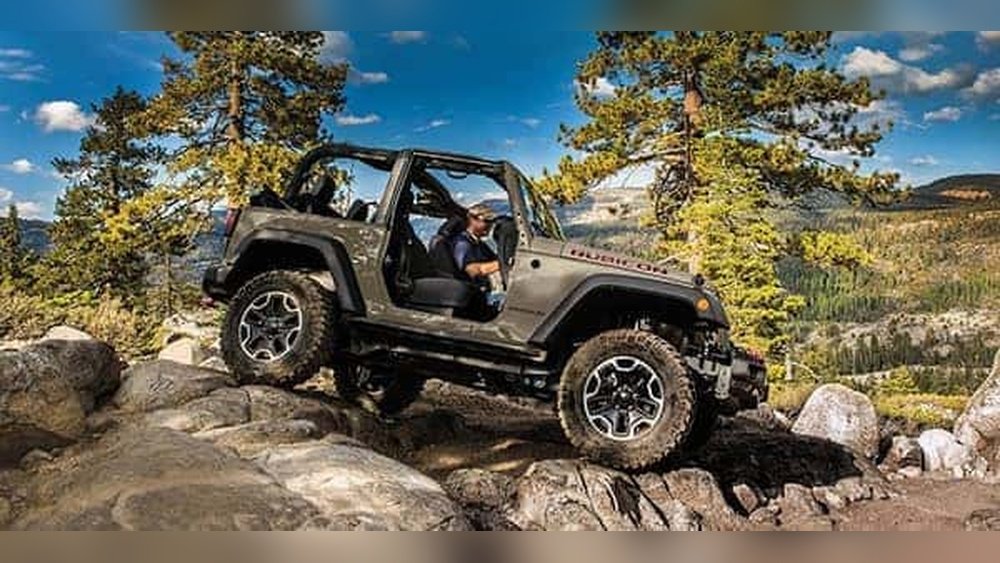
- Not just for Wranglers: Although the Wrangler is the most ducked model, any Jeep can be ducked—Cherokee, Grand Cherokee, Renegade, and others.
- Duck trading: At Jeep events, owners sometimes trade rare ducks, making it a hobby within the hobby.
Also, some companies now make custom ducks for Jeep clubs or special events, adding more variety and personal touch to the tradition.

The Impact On The Jeep Community
The ducking trend has helped make the Jeep community more welcoming. It gives new owners a way to join in, even if they are shy or new to Jeep culture. The ducks are a sign that everyone belongs.
It’s also had a positive impact beyond Jeep drivers. Sometimes people who don’t own Jeeps see the ducks and join the fun, spreading kindness in their own way.
Here’s a look at the growth of the trend:
| Year | Estimated Jeep Duckers | Social Media Posts (#duckduckjeep) |
|---|---|---|
| 2020 | 10,000 | ~5,000 |
| 2021 | 100,000+ | ~50,000 |
| 2023 | 300,000+ | ~200,000 |
The numbers show how quickly a simple idea can become a global movement.
Frequently Asked Questions
Why Do Jeep Owners Put Rubber Ducks On Other Jeeps?
Jeep owners put rubber ducks on other Jeeps to spread kindness, make new friends, and show community spirit. It’s a light-hearted way to connect with fellow Jeep fans.
Is Jeep Ducking Allowed Everywhere?
Most places allow ducking, but always respect private property and local laws. Avoid ducking in places with strict security or where touching vehicles is discouraged.
Can I Duck Other Types Of Cars?
Jeep ducking is meant for Jeeps, but some people have started ducking other vehicles for fun. However, the main tradition stays within the Jeep community.
Do All Jeep Owners Know About Ducking?
Not all owners know about the tradition, especially new Jeep buyers or those outside North America. If you get a duck and don’t know why, it’s a friendly gesture, not a prank.
Where Can I Learn More About Jeep Ducking?
For more details and stories, visit the official Jeep website or this Wikipedia page on Jeep ducking.
Rubber ducks in Jeeps are more than a trend—they’re a sign of joy, friendship, and community. Whether you’re a longtime Jeep fan or just learning about ducking, these little ducks show how small acts can bring people together.