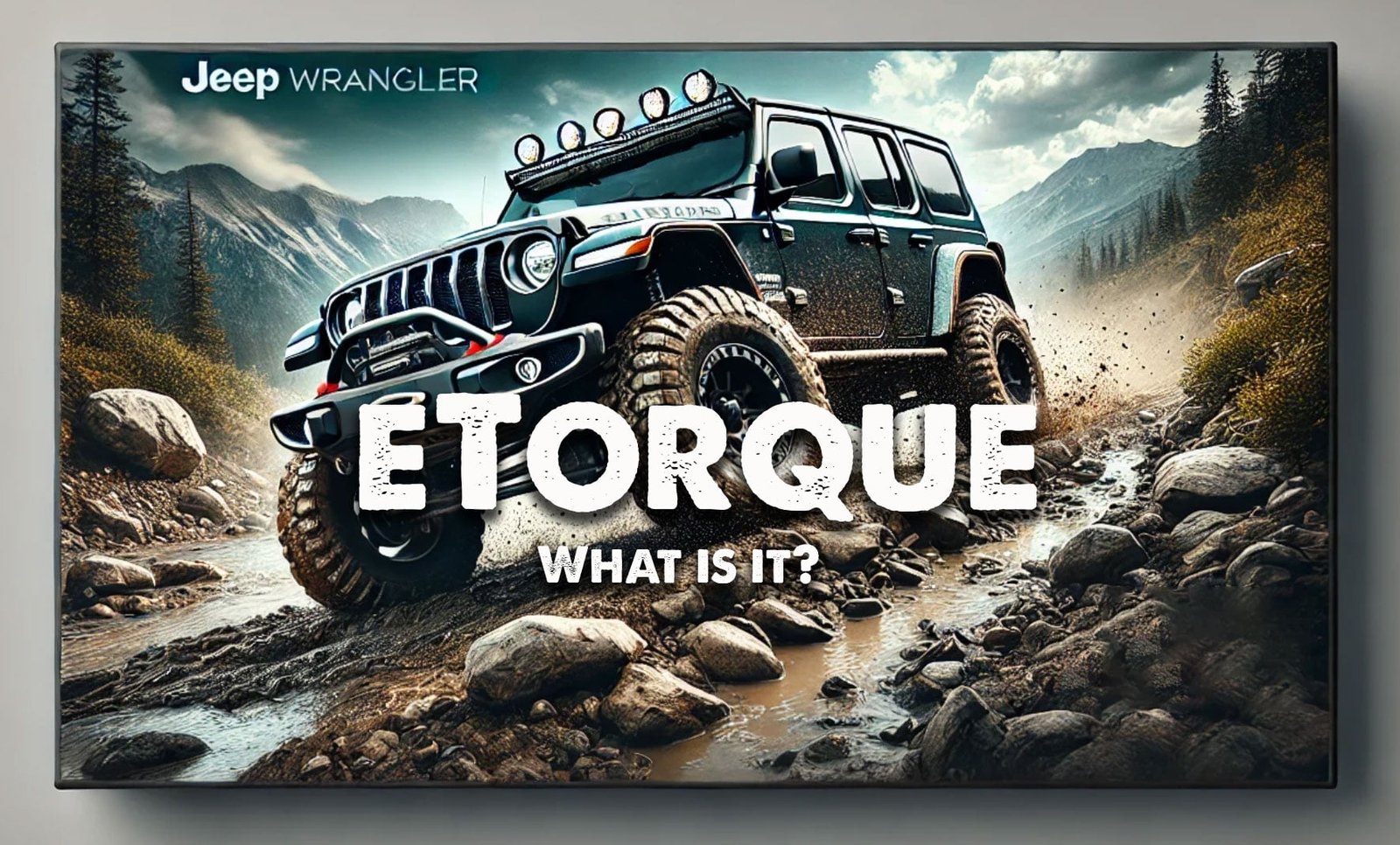
Boosting the torque of your Jeep can transform how it handles rough trails, steep climbs, and heavy towing. However, many Jeep owners worry about damaging their engine or drivetrain by making the wrong upgrades. If you want more torque—the twisting force that moves your Jeep forward—there are safe, proven ways to get it. Let’s look at the best methods to increase torque without putting your Jeep at risk.
Understanding Torque In Jeep Vehicles
Torque is the force that helps your Jeep accelerate, especially at low speeds or when you need to climb hills. Unlike horsepower, which measures speed, torque is what gets you moving from a stop or out of a muddy patch. Jeep engines, especially V6 and V8 models, already offer good torque, but there’s always room for improvement.
Most factory Jeeps produce between 250 to 400 lb-ft of torque, depending on the model and engine. But with the right upgrades, you can increase this safely by 10–30%, making off-road adventures and towing much easier.
Safe Upgrades To Boost Jeep Torque
1. Performance Air Intake Systems
A performance air intake allows your engine to breathe better by pulling in cooler, denser air. This can boost torque by 5–10%. Look for models with heat shields and high-flow filters. Avoid cheap intakes that can let in dirt or do not fit well.
2. High-flow Exhaust Systems
Replacing the stock exhaust with a high-flow exhaust reduces back pressure, helping gases escape faster. This upgrade can add 10–15 lb-ft of torque and gives your Jeep a deeper sound. Stainless steel systems last longer than mild steel and resist rust.
3. Ecu Tuning
An ECU tune (or reflash) adjusts your Jeep’s computer for more power and torque. Choose a tune designed for your specific engine and fuel type. A good tune can safely boost torque by 10–20%, but avoid “race” tunes that push your engine too hard for daily driving.
4. Upgraded Throttle Body
A larger throttle body lets more air into the engine, leading to better throttle response and a small torque increase. This upgrade works best when combined with other intake and exhaust improvements.
5. Re-gearing The Differentials
Changing the differential gear ratio is one of the most effective ways to improve torque at the wheels, especially if you run larger tires. Lower gears (higher numerical ratio) multiply torque but may reduce fuel economy. Talk to a specialist for the best ratio for your driving style.
6. Proper Tire Size And Pressure
Oversized tires look great but can rob your Jeep of torque. Stick to tire sizes that your engine and gears can handle, and keep tires properly inflated. This reduces rolling resistance and improves acceleration.
7. Regular Maintenance
Simple things like clean air filters, fresh spark plugs, and good oil keep your engine running at its best. Neglecting basic maintenance can reduce torque, no matter how many upgrades you add.
Comparing Popular Torque-boosting Upgrades
It helps to see how different upgrades stack up in terms of cost and torque gains.
| Upgrade | Estimated Torque Gain | Approximate Cost |
|---|---|---|
| Performance Air Intake | +5–10% | $200–$500 |
| High-Flow Exhaust | +10–15 lb-ft | $400–$1,200 |
| ECU Tuning | +10–20% | $300–$800 |
| Throttle Body Upgrade | +3–7% | $250–$600 |
| Re-gearing Differentials | +15–30% at wheels | $1,200–$2,000 |
Key Points For Safe Torque Upgrades
- Avoid “universal” parts that don’t fit your model exactly.
- Check your warranty. Some upgrades can void parts of your factory warranty.
- Balance upgrades. Adding power without improving cooling or drivetrain strength can cause problems.
- Work with professionals for complex changes like ECU tuning or gear swaps.
Common Mistakes When Upgrading Jeep Torque
Many beginners make simple errors that can cost money or damage their Jeep. Here are two mistakes to avoid:
- Skipping Supporting Mods: If you add power but ignore brakes, cooling, or transmission upgrades, you risk breakdowns.
- Chasing Big Numbers: Some people want the highest torque possible. This usually means sacrificing reliability or fuel economy. Aim for practical, safe increases.
Another overlooked tip: Dyno testing your Jeep before and after upgrades shows real gains and helps spot problems early.
Example: Safe Torque Boost On A Jeep Wrangler
Let’s say you drive a 2020 Jeep Wrangler with a 3. 6L V6.
Factory torque is around 260 lb-ft. By installing a cold air intake, high-flow exhaust, and a mild ECU tune, you could see torque rise to about 300 lb-ft a 15% boost.
This makes a big difference off-road, but keeps the engine reliable.
Table: Stock Vs. Upgraded Torque On Common Jeep Models
Here’s how torque can change with safe upgrades:
| Jeep Model | Stock Torque (lb-ft) | With Upgrades (lb-ft) |
|---|---|---|
| Wrangler 3.6L V6 | 260 | 295–310 |
| Grand Cherokee 5.7L V8 | 390 | 430–450 |
| Gladiator 3.0L EcoDiesel | 442 | 480–500 |
When To See A Professional
If you’re unsure about any upgrade, especially ECU tuning or gear changes, talk to a certified Jeep technician. Some upgrades need special tools or software.
A mistake can cost more than the upgrade itself.
For more detailed technical information on Jeep engines and torque, visit the Jeep Wrangler Wikipedia page.
Frequently Asked Questions
What Is The Safest Way To Boost Jeep Torque?
Start with intake and exhaust upgrades combined with a mild ECU tune. These changes are reversible, don’t stress the engine, and often improve both power and reliability.
Will Increasing Torque Hurt My Jeep’s Fuel Economy?
Slight increases in torque (10–20%) usually have little effect. However, aggressive upgrades or bigger tires can reduce fuel economy noticeably.
Do I Need To Upgrade My Transmission For More Torque?
For moderate torque gains, the stock transmission is usually fine. If you plan to add more than 30% torque or use your Jeep for heavy towing, consider transmission upgrades.
Can I Boost Torque On A Stock Jeep Without Voiding The Warranty?
Some parts, like drop-in air filters or cat-back exhausts, usually don’t affect the warranty. ECU tunes or gear changes might, so check with your dealer first.
Is Dyno Testing Necessary After Upgrades?
Dyno testing isn’t required, but it’s the best way to see real torque gains and spot any issues. Many performance shops offer this service.
Boosting your Jeep’s torque can make every drive more fun and capable just remember, smart upgrades and regular care will keep your Jeep running strong for years to come.