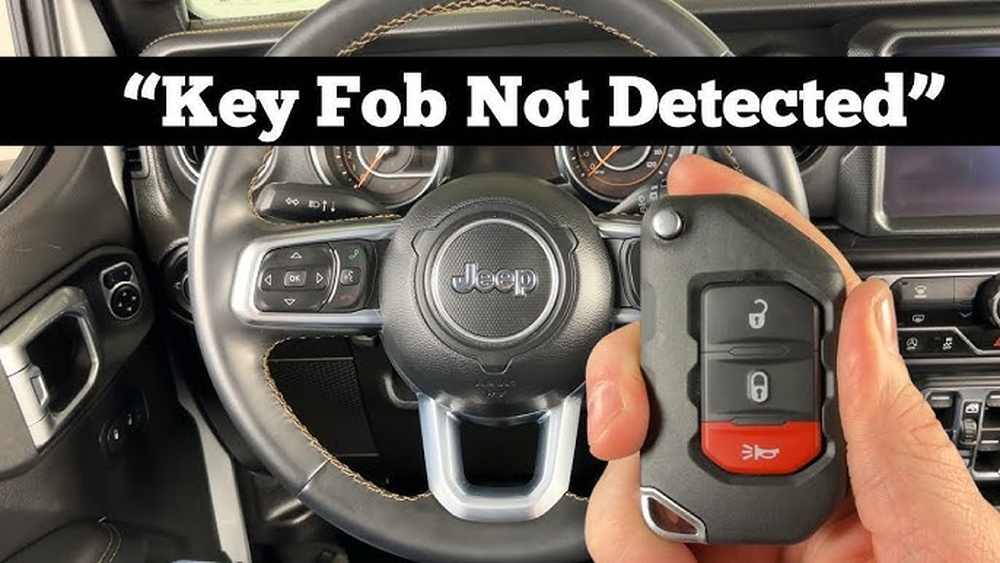
Buying a car is a big decision, and many people dream about owning a Jeep Wrangler. Its rugged look, open-air driving, and off-road abilities make it popular. But before you jump in, it’s smart to look at the downsides. The Jeep Wrangler is not for everyone, and understanding why can save you money, time, and frustration. Let’s explore reasons why you might want to think twice about getting a Jeep Wrangler.
High Price And Poor Value
The Jeep Wrangler is expensive compared to other SUVs. Even used Wranglers can cost more than similar vehicles.
The starting price for a new Wrangler is around $33,000, but most buyers spend much more after choosing options and upgrades. Some models easily reach $45,000 or higher.
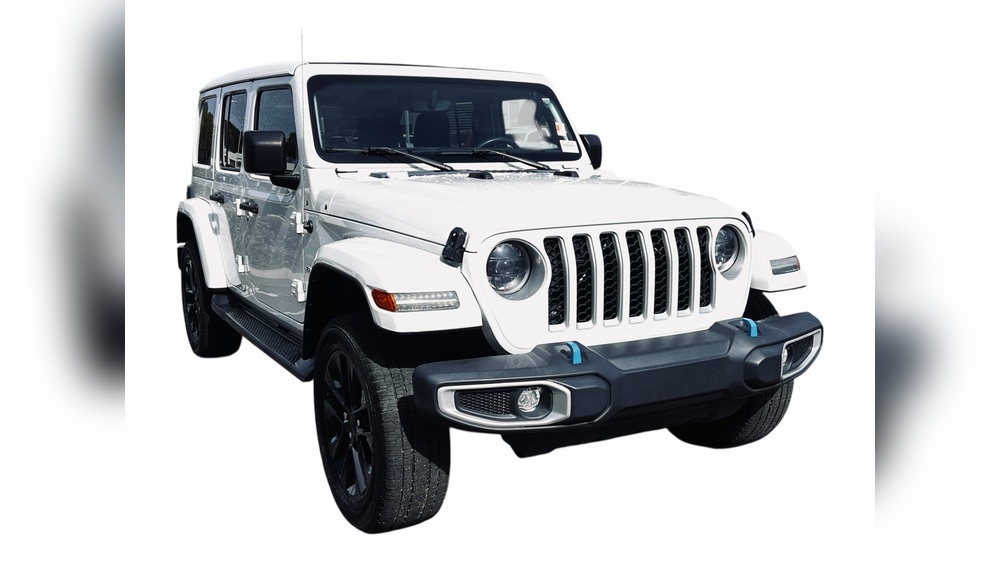
When you compare the Wrangler’s price to its features, the value isn’t impressive. Other SUVs offer more comfort, better technology, and smoother rides for less money. Here’s a quick comparison:
| Vehicle | Starting Price | Fuel Economy (MPG) | Safety Features |
|---|---|---|---|
| Jeep Wrangler | $33,000 | 17/23 | Basic |
| Honda CR-V | $29,500 | 28/34 | Advanced |
| Toyota RAV4 | $28,000 | 27/35 | Advanced |
Many buyers don’t realize the Jeep Wrangler often costs more to insure and maintain. Repairs can be expensive, especially if you use the vehicle for off-roading.
Terrible Fuel Economy
Gas mileage is one of the Wrangler’s biggest weaknesses. Its boxy shape and heavy weight mean the engine has to work harder. Most Wrangler models get around 17 mpg city and 23 mpg highway, which is low for today’s standards.
If you drive a lot, you’ll spend much more on gas than with other SUVs. This can add up quickly, especially with rising fuel prices. For example, driving 15,000 miles per year could cost you $600–$800 more in fuel compared to a Toyota RAV4.
| Model | Yearly Fuel Cost | Annual Mileage |
|---|---|---|
| Jeep Wrangler | $2,400 | 15,000 |
| Honda CR-V | $1,700 | 15,000 |
| Toyota RAV4 | $1,600 | 15,000 |
A surprising fact: even the newer Wrangler 4xe (hybrid) doesn’t save as much fuel as you might expect. Many owners report real-world mileage is lower than advertised.

Lack Of Comfort And Noise
The Jeep Wrangler is built for off-road adventures, not daily comfort. The ride is rough, especially on city streets or highways.
You’ll feel bumps and potholes much more than in other SUVs.
Inside, the cabin is noisy. Wind, road, and engine sounds are loud, making conversations difficult.
Long trips can be tiring because the seats are firm and the suspension is stiff.
Some common complaints from owners:
- Hard to climb in and out (especially for kids or older people)
- Limited cargo space
- Small rear doors on the 2-door model
If you want a quiet, smooth, and spacious vehicle, the Wrangler may disappoint.
Safety Issues And Low Ratings
Safety is another area where the Wrangler falls short. The National Highway Traffic Safety Administration (NHTSA) gave the Wrangler only 3 out of 5 stars for rollover risk. This is because the tall, narrow shape makes it easier to tip over during sharp turns or sudden moves.
Many standard safety features found in other SUVs are missing or optional in the Wrangler. For example, automatic emergency braking and lane-keeping assist are not standard. Some models don’t even have side airbags.
Compare the safety ratings:
| Model | Rollover Rating | Crash Protection |
|---|---|---|
| Jeep Wrangler | 3/5 | Average |
| Honda CR-V | 4/5 | Good |
| Toyota RAV4 | 4/5 | Good |
One non-obvious insight: the removable doors and roof can make the Wrangler less safe in a crash. Many buyers don’t realize this affects side-impact protection.
High Maintenance And Reliability Concerns
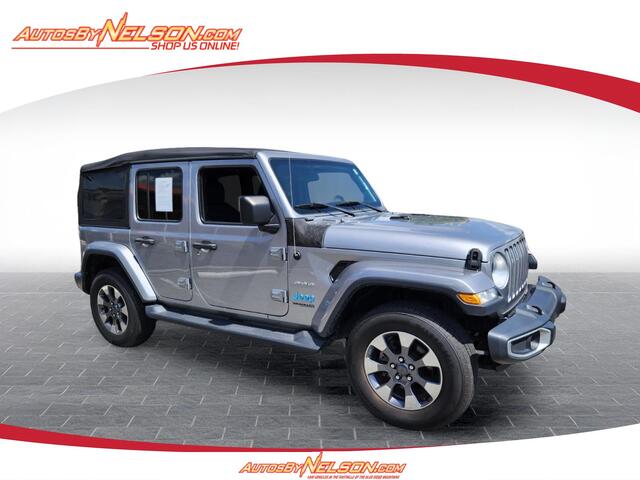
Wrangler owners often face more repairs than with other SUVs. According to Consumer Reports, the Wrangler scores below average for reliability. Problems with the transmission, electronics, and suspension are common.
If you plan to use your Jeep for heavy off-roading, expect parts to wear out faster. Repairs can be costly, especially if you need specialized service.
For example, replacing the clutch or suspension can cost $1,500 $2,000.
Another hidden issue: aftermarket modifications (like lift kits or bigger tires) can void warranties and cause extra problems. Many buyers don’t realize this until it’s too late.
Not Practical For Daily Use
The Wrangler is fun for adventures, but it’s not ideal for everyday needs. Parking is difficult because of the high ground clearance and poor visibility.
The turning radius is wide, making it hard to maneuver in tight spaces.
The cargo area is small, especially in the 2-door model. If you need to haul groceries, sports gear, or luggage, you’ll notice the lack of space.
The rear seats don’t fold flat, making it harder to load big items.
For families or commuters, the Wrangler’s design can be frustrating. Features like heated seats, modern infotainment, and advanced driver aids are often missing or only available on expensive trims.
Frequently Asked Questions
Is The Jeep Wrangler Good For City Driving?
No, the Wrangler is not ideal for city driving. Its rough suspension, wide turning radius, and poor fuel economy make it less practical for urban areas.
How Reliable Is The Jeep Wrangler?
The Wrangler scores below average for reliability. Common issues include transmission problems, electronic glitches, and suspension wear. Repairs can be expensive.
Are Jeep Wranglers Safe Vehicles?
Wranglers have lower safety ratings, especially for rollover risk. They lack many standard safety features found in other SUVs, and their removable parts can reduce crash protection.
Why Is The Jeep Wrangler So Expensive?
Wranglers are priced higher because of their off-road ability and iconic design. However, they lack many features found in cheaper SUVs. Insurance and maintenance costs are also higher.
Can You Use The Jeep Wrangler For Family Trips?
While you can use a Wrangler for family trips, its small cargo space, uncomfortable ride, and noisy cabin make it less suitable than other SUVs. Families often find it inconvenient.
Choosing the right vehicle is about matching your needs. The Jeep Wrangler offers adventure, but it comes with trade-offs. If comfort, safety, and value matter most to you, consider other options. For more details and expert reviews, visit Consumer Reports. Always test drive and research before deciding. A car should fit your life, not just your dreams.