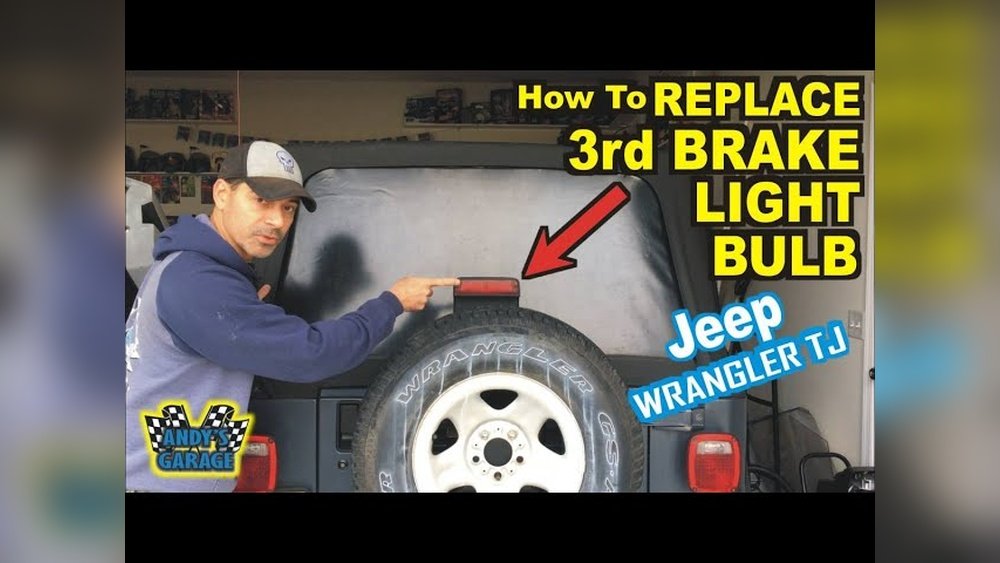
Buying a Jeep sounds exciting. These vehicles are famous for their rugged looks and off-road abilities. Many people picture themselves driving over rocks or through mud, living the adventure. But what happens after you buy one? Many Jeep owners quickly realize that owning a Jeep can bring headaches, not just fun. If you’re thinking about buying a Jeep, it’s important to know the real drawbacks. This article explains why Jeeps are bad, using facts, comparisons, and real examples. You’ll learn about reliability issues, high costs, safety concerns, and more. Before spending your money, read this guide to understand what you might face.
Reliability Problems
Jeeps have a reputation for poor reliability. According to J.D. Power’s 2023 Vehicle Dependability Study, Jeep ranked near the bottom among major brands. Owners often report frequent breakdowns and repairs. The Jeep Wrangler is especially known for mechanical issues like transmission failures, electrical glitches, and leaking seals.
Let’s compare Jeep reliability scores to other brands:
| Brand | Reliability Score (out of 100) |
|---|---|
| Jeep | 77 |
| Toyota | 89 |
| Honda | 87 |
| Ford | 83 |
A lower score means more problems. Jeep’s score is below average, so you may spend more time and money fixing your vehicle.
High Maintenance And Repair Costs
Jeeps are not cheap to maintain. Parts cost more, and repairs can be frequent. For example, the annual maintenance cost for a Jeep Wrangler is about $694 according to RepairPal. This is higher than the average for all cars, which is $652.
Common issues include:
- Transmission failures
- Engine leaks
- Suspension problems
- Faulty electronics
If you need to replace the transmission, you could pay between $1,500 and $3,500. Even simple repairs can be expensive because Jeep parts are specialized.
Here’s a quick comparison:
| Vehicle | Annual Maintenance Cost |
|---|---|
| Jeep Wrangler | $694 |
| Toyota RAV4 | $429 |
| Honda CR-V | $407 |

Poor Fuel Efficiency
Jeeps are famous for bad gas mileage. Most models have heavy frames and engines that use more fuel, especially for city driving. For example, the Jeep Wrangler gets about 17 mpg city / 25 mpg highway. Compare this to a Honda CR-V, which gets 28 mpg city / 34 mpg highway.
The difference means you’ll spend more money at the gas station. Over a year, this adds up. If you drive 12,000 miles per year, you might spend $500–$800 more on gas compared to other SUVs.
Safety Concerns
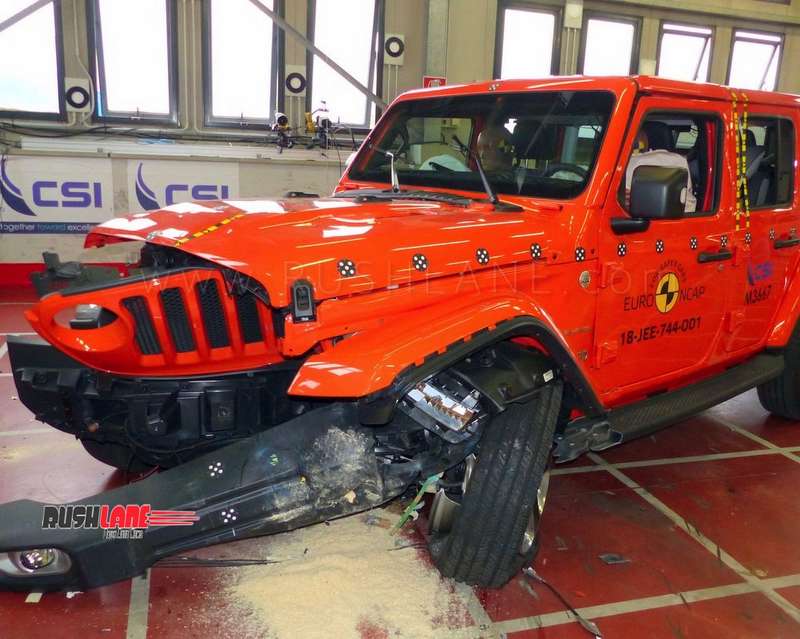
Jeeps often score lower in safety tests. The Jeep Wrangler and Jeep Cherokee have received average or below-average ratings from the Insurance Institute for Highway Safety (IIHS). The Wrangler, for example, tipped over during crash tests and scored poorly in side-impact protection.
Many Jeep models lack advanced safety features found in other brands. Features like automatic emergency braking or lane-keeping assist are often optional, not standard. This can put you at higher risk in an accident.
Uncomfortable Ride Quality
Jeep vehicles are built for off-roading, not comfort. Many owners complain about rough rides, noisy cabins, and poor handling. The suspension is stiff, and the boxy shape lets in wind and road noise. On highways, you may feel vibrations and hear rattles.
If you’re planning to use your Jeep for daily driving, you might find it tiring and unpleasant. Long trips can be especially uncomfortable.
Weak Resale Value
When you sell your Jeep, you may lose more money than expected. According to Kelley Blue Book, Jeeps often depreciate faster than other SUVs. This is because buyers know about reliability and maintenance concerns.
Here’s a comparison of 5-year resale values:
| Vehicle | Resale Value After 5 Years |
|---|---|
| Jeep Wrangler | 55% |
| Toyota RAV4 | 67% |
| Honda CR-V | 65% |
A lower percentage means your Jeep loses more value.
Non-obvious Insights
Most people focus on big issues, but there are smaller problems too. For example, Jeep tops leak during heavy rain, causing water damage inside. Another hidden issue is the limited cargo space. Despite looking large, many Jeeps don’t have much room for luggage or groceries.
Another overlooked problem is insurance cost. Jeeps often cost more to insure because they’re seen as risky and expensive to fix.
Real-world Examples
Many Jeep owners share their experiences online. One owner reported replacing the transmission twice in three years. Another mentioned constant dashboard warning lights and electrical failures. These stories are common in Jeep forums and review sites.
If you want to see more owner opinions, check Consumer Reports for detailed reviews.

Frequently Asked Questions
Are Jeeps Reliable For Daily Driving?
No. Jeeps often face mechanical problems and frequent repairs, making them less reliable than other SUVs for daily use.
How Expensive Is Jeep Maintenance?
Maintenance is higher than average. Expect to pay about $694 per year for a Jeep Wrangler, plus higher costs for major repairs.
Do Jeeps Get Good Gas Mileage?
Jeeps usually have poor fuel efficiency. Most models get 17–25 mpg, which is lower than many competitors.
Are Jeeps Safe For Families?
Jeep safety scores are average or below average. Many models lack standard advanced safety features, making them less ideal for families.
Why Do Jeeps Lose Value Quickly?
Jeep resale values are weak because buyers know about reliability and maintenance problems. Depreciation is faster compared to other SUVs.
Buying a Jeep can feel adventurous at first, but the reality is often disappointing. From high maintenance costs to poor reliability, these vehicles bring more trouble than expected. If you want a dependable, comfortable, and safe ride, it’s wise to look at other brands. Knowing these facts can help you make a smarter choice and avoid regrets.