Every Jeep owner knows their vehicle is more than just a way to get from place to place. There’s a unique culture around Jeep, full of adventure, freedom, and community. In recent years, many Jeep owners have noticed something curious: small rubber ducks, often brightly colored, left on their door handles, mirrors, or dashboards. This playful act, known as “Jeep Ducking,” has become a global trend. But what’s the story behind it? Why do Jeep drivers have ducks? Let’s explore the history, meaning, and impact of this quirky tradition.
The Origin Of Jeep Ducking
The Jeep Ducking trend began in 2020 during the early days of the COVID-19 pandemic. It started with a Canadian Jeep owner, Allison Parliament, who wanted to spread a bit of joy and kindness. After a stressful encounter at a gas station, she decided to place a small rubber duck on a stranger’s Jeep with a friendly note. The gesture was simple, but it quickly caught on.
Jeep owners around the world started “ducking” each other, sharing photos on social media with hashtags like #DuckDuckJeep. The movement grew fast, turning into a symbol of positivity in difficult times.
Why Ducks? The Meaning Behind The Tradition
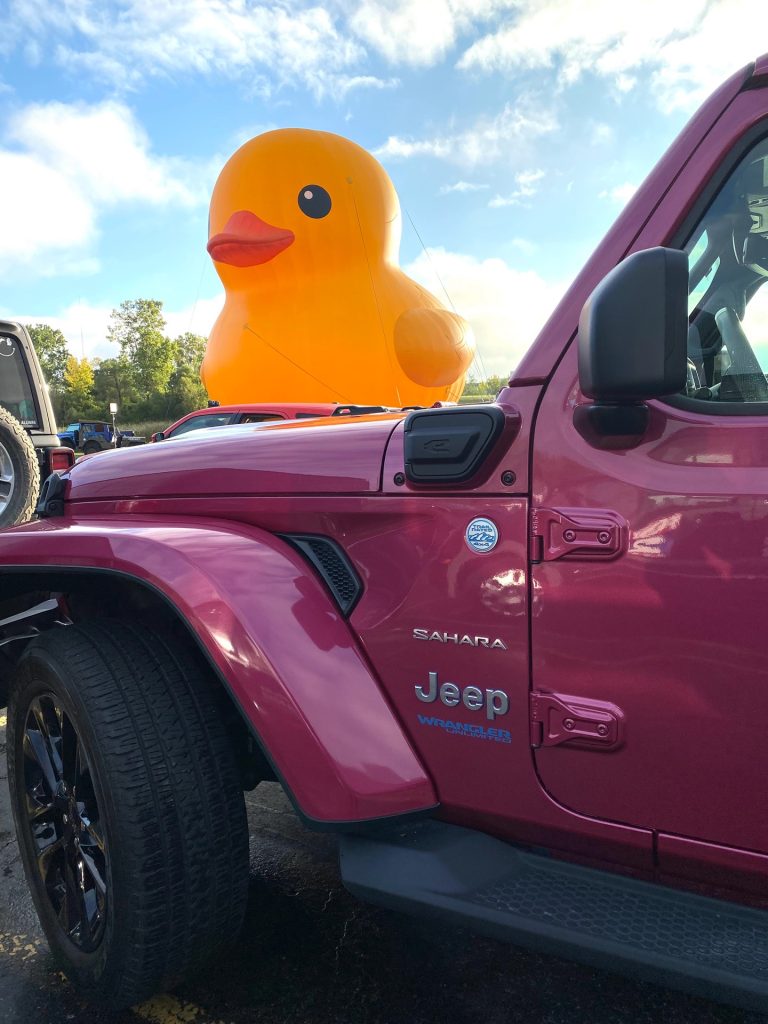
You might wonder, why rubber ducks? Why not another object? Rubber ducks are small, inexpensive, and instantly recognizable. They’re also cheerful and a bit silly, which matches the fun spirit of the Jeep community.
The duck serves as a token of appreciation. When you find a duck on your Jeep, it means another Jeep owner noticed your vehicle and wanted to share a smile. It’s not about the value of the duck—it’s about the connection it creates.
How Jeep Ducking Works
Ducking is simple. Here’s how it usually happens:
- A Jeep owner buys a pack of small rubber ducks.
- They keep a few ducks in their vehicle.
- When they see another Jeep in a parking lot or on the road, they leave a duck on it—often with a note or hashtag.
- The owner finds the duck and may continue the tradition with others.
Some ducks have tags with messages like “You’ve been ducked!” or instructions to share a photo online. The process is easy, and anyone with a Jeep can join in.
Why The Jeep Community Loves Ducking
Jeep drivers are known for their friendly wave to each other on the road. Ducking takes this further, making the bond between owners even stronger.
- Community Spirit: Ducking brings Jeep owners together, even if they’re strangers.
- Positivity: Finding a duck can brighten someone’s day, especially during stressful times.
- Inclusion: Ducking is for everyone—age, model, or location doesn’t matter.
Many Jeep owners say ducking helped them feel less alone during the pandemic. It’s become a way to spread happiness, one small duck at a time.

Comparing Jeep Ducking To Other Car Cultures
Different car brands have their own traditions. Here’s how Jeep ducking compares to other well-known car cultures:
| Brand | Tradition | Purpose |
|---|---|---|
| Jeep | Duck Duck Jeep | Spread kindness and joy |
| Mini Cooper | Mini Wave | Friendly greeting |
| Subaru | Subie Wave | Show community spirit |
| Volkswagen Beetle | Beetle Wave | Classic connection |
While many brands have some form of wave or signal, the act of leaving a physical object is unique to Jeep.
What Makes A Jeep “duckable”?
Not every Jeep gets ducked equally. Owners often choose Jeeps that stand out. Here are some factors that make a Jeep more likely to get a duck:
| Feature | Reason | Duck Likelihood |
|---|---|---|
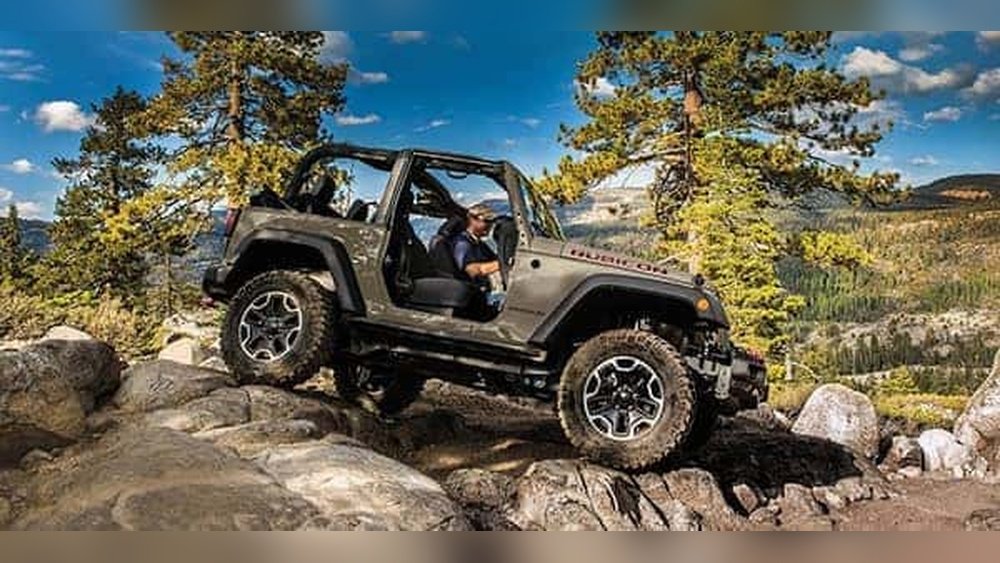
| Wrangler Model | Iconic Jeep style | High |
| Lifted Suspension | Shows off-roading spirit | High |
| Unique Decals | Personalized touch | Medium |
| Clean Stock Jeep | Classic look | Medium |
| Other Jeep Models | Less common for ducking | Low |
As you see, Wranglers and highly customized Jeeps tend to get ducked most often.
How To Join The Duck Duck Jeep Movement
If you want to join in, it’s easy and inexpensive. Here’s what to do:
- Buy a bag of small rubber ducks online or in a store.
- Write a simple note or hashtag on each duck (“#DuckDuckJeep” or “You’ve been ducked!”).
- Keep the ducks in your Jeep.
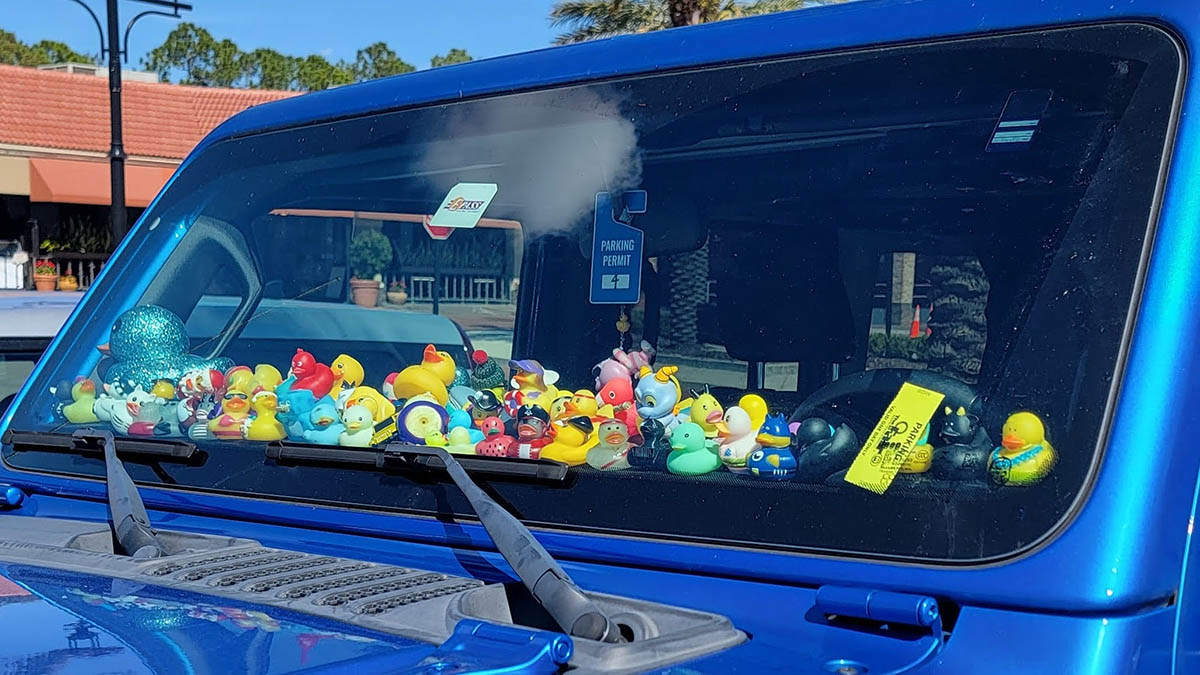
- When you spot another Jeep, leave a duck where the owner will find it safely—like on the door handle or windshield.
- Take a photo if you like and share it with the community.
Tip: Never put ducks where they could distract the driver or block visibility.
Surprising Effects Of Jeep Ducking
Besides making people smile, Jeep ducking has had some unexpected results:
- Boost in Rubber Duck Sales: Retailers reported a jump in duck sales after the trend started.
- Charity Events: Some Jeep clubs organize duck runs, where they give out ducks for charity.
- Tourism: Jeep events and meetups have used ducking as a theme, attracting visitors.
Many new Jeep owners say they bought their first duck before their first Jeep! This shows how much the tradition has become part of the brand’s identity.
Common Mistakes When Ducking
Even a simple act like ducking can have small mistakes. Here are some things to avoid:
- Placing ducks on non-Jeep vehicles. This can confuse or annoy other drivers.
- Leaving ducks in unsafe spots. Don’t block mirrors, wipers, or door locks.
- Using large or heavy ducks. Stick with small, light ducks to avoid damage.
- Ignoring local rules. Some private parking lots may not allow ducking.
Remember, the goal is to brighten someone’s day, not create problems.
Frequently Asked Questions
Why Do Jeep Owners Put Ducks On Each Other’s Vehicles?
Jeep owners place ducks as a friendly gesture. It’s a way to connect with other Jeep fans and spread positivity.
What Do You Do If You Find A Duck On Your Jeep?
You can keep the duck, share a photo online, and continue the tradition by “ducking” other Jeeps.
Does Ducking Only Happen With Jeep Wranglers?
No, but Wranglers are most common targets. Owners of other Jeep models can join in too.
Where Did The Jeep Ducking Tradition Start?
It began in Canada in 2020, started by a Jeep owner named Allison Parliament.
Is Jeep Ducking Allowed Everywhere?
Most places allow it, but always check for local rules and avoid private or restricted areas.
Jeep ducking is a simple act, but it means a lot to those who participate. It’s a reminder that small gestures can build strong communities—even with something as unexpected as a rubber duck. If you drive a Jeep, keep your eyes open. You might find a little duck waiting to make your day brighter. For more on Jeep culture, visit the official Jeep Wikipedia page.