Many Jeep Wrangler owners love the adventure and freedom their vehicles offer, but a sudden squeaking sound can quickly ruin the experience. Whether you hear it while driving, turning, or even just starting the engine, that annoying squeak often means something needs attention. Understanding why your Jeep Wrangler is squeaking is the first step to fixing the problem and enjoying smooth rides again. Let’s look at the main causes, how to diagnose them, and what you can do to stop the squeak for good.
Common Causes Of Squeaking In Jeep Wranglers
Jeep Wranglers are known for their rugged build, but even tough vehicles have weak points. Several parts can cause squeaks, and each tells a story about your vehicle’s condition.
1. Suspension And Steering Components
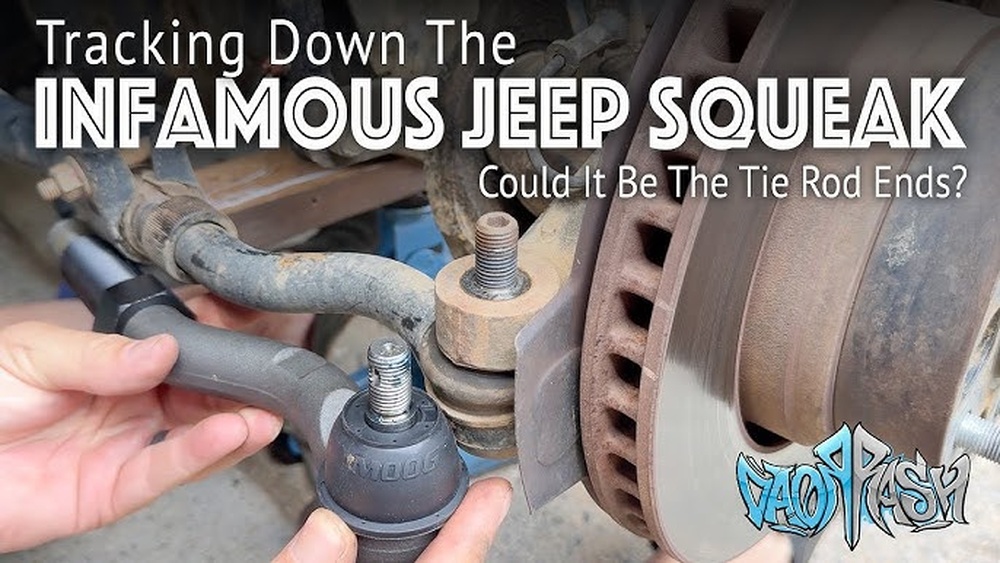
Worn bushings or ball joints are frequent sources of squeaks, especially when turning or going over bumps. Off-roading or rough roads can speed up wear, making the squeaks louder over time.
2. Brakes
If you hear squeaking when you slow down, your brake pads might be worn or have dust buildup. Sometimes, the brake hardware itself can get dry and start to squeak.
3. Doors And Hinges
The Wrangler’s removable doors are a unique feature, but they can develop squeaks if the hinges are dry. This is often heard when opening or closing the doors.
4. Drive Belt
A high-pitched squeal from the front of the engine often means the serpentine belt or one of the pulleys is worn or loose.
5. U-joints And Drivetrain
Underneath, the universal joints (U-joints) in the driveshaft can make a rhythmic squeak, especially during acceleration or deceleration.
6. Weatherstripping And Body Panels
Sometimes, squeaks come from body flex or old weatherstripping, especially after off-roading or in older Jeeps.
Here’s a quick comparison of where you might hear different squeaks:
| Part | Common Squeak Situation | Danger Level |
|---|---|---|
| Suspension | Turning, bumps | Medium |
| Brakes | Slowing down | High |
| Doors/Hinges | Opening/closing | Low |
| Drive Belt | Engine running | Medium |
| U-Joints | Driving, changing speed | High |
How To Diagnose A Squeak
Finding the exact source of a squeak takes patience and a bit of detective work. Here’s how you can narrow down the problem:
- Listen Carefully: Try to note when the squeak happens. Is it only when driving, turning, or braking?
- Check Under the Hood: Open the hood and listen while the engine is running. A belt squeal is often easy to spot.
- Bounce Test: Push down on each corner of your Jeep. If you hear a squeak, it’s likely a suspension issue.
- Drive Slowly: Roll the windows down and listen as you drive slowly in a quiet area. This can help you locate the general area.
- Spray Test: Spray a small amount of water on the serpentine belt. If the squeak goes away briefly, the belt is likely the problem.
- Door Test: Open and close each door. If you hear squeaking, lubricate the hinges.
Here’s a table showing what different squeaks can mean:
| Squeak Timing | Likely Cause | Easy DIY Fix? |
|---|---|---|
| When braking | Brakes, hardware | Medium |
| When turning | Suspension, steering | No |
| Engine start | Serpentine belt | Yes |
| Opening doors | Hinges | Yes |
| While driving straight | U-joints, drivetrain | No |
Fixing The Squeak: What You Can Do
Some squeaks are easy to fix at home, while others need a mechanic. Here’s what you can try:
- Lubricate Door Hinges: Use a silicone spray on all hinges and check for rust.
- Replace or Tighten Belts: If the serpentine belt is worn, cracked, or loose, replace it. Always follow your Jeep’s manual.
- Clean or Replace Brake Pads: If you suspect the brakes, check the pads and clean out any dust or debris. Replace if worn.
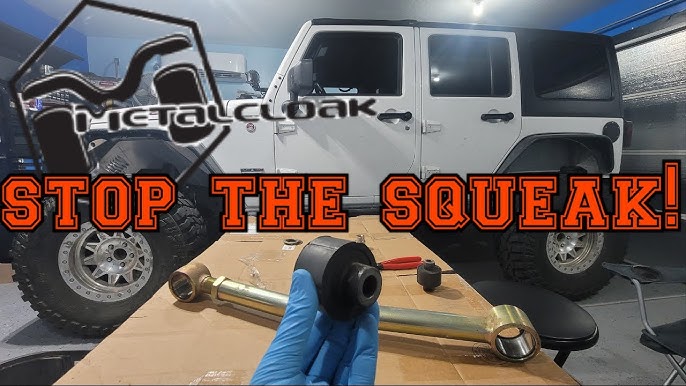
- Check Suspension: If you find worn bushings or ball joints, these usually need a shop to replace.
- Grease U-Joints: Some U-joints are serviceable and can be greased. If they are sealed, replacement is required.
When To See A Mechanic
It’s smart to get professional help if:
- The squeak is getting louder or turns into a grinding sound.
- You feel vibration or shaking while driving.
- The squeak is coming from the drivetrain or brakes.
Squeaks in suspension or drivetrain parts can be a safety issue. Don’t ignore these driving with a failing U-joint or ball joint can be dangerous.

Two Insights Many Owners Miss
- Off-Roading Speeds Up Wear: If you often go off-road, dust, mud, and water can wash away lubrication from joints and bushings. Regular cleaning and greasing are essential.
- Aftermarket Parts Can Squeak More: Some aftermarket suspension or lift kits use harder bushings that squeak more than factory parts, even when new.
Preventing Future Squeaks
- Regular Maintenance: Stick to your Jeep’s maintenance schedule.
- Wash Underneath: After off-roading, spray the undercarriage to remove mud and dirt.
- Use the Right Grease: For suspension and drivetrain, use high-quality synthetic grease made for 4×4 vehicles.

Frequently Asked Questions
Why Does My Jeep Squeak Only When It Rains?
Moisture can wash away lubrication from joints or belt pulleys, causing them to squeak. Water can also make worn belts slip and squeal.
Can I Drive With A Squeaking Belt?
You can, but it’s not recommended. A worn belt can snap, leaving you stranded. Replace it as soon as possible.
Are All Squeaks Dangerous?
No, but some can be. Squeaks from brakes, suspension, or drivetrain parts should be checked quickly, while door or hinge squeaks are less urgent.
How Much Does It Cost To Fix A Squeak?
Costs vary. Simple fixes like lubricating hinges are cheap, but replacing suspension or U-joints can cost $200 $600 or more, depending on the part and labor.
Is It Safe To Use Wd-40 On Jeep Parts?
WD-40 can stop some squeaks, but it’s not a long-term lubricant. For hinges and joints, use a proper silicone or lithium grease. For more details, see this Jeep Wrangler overview.
A squeaking Jeep Wrangler can be frustrating, but it’s also a useful signal. By listening closely and acting quickly, you can keep your Wrangler safe and ready for any adventure.
Regular care and prompt repairs will ensure your Jeep stays quiet and dependable, mile after mile.