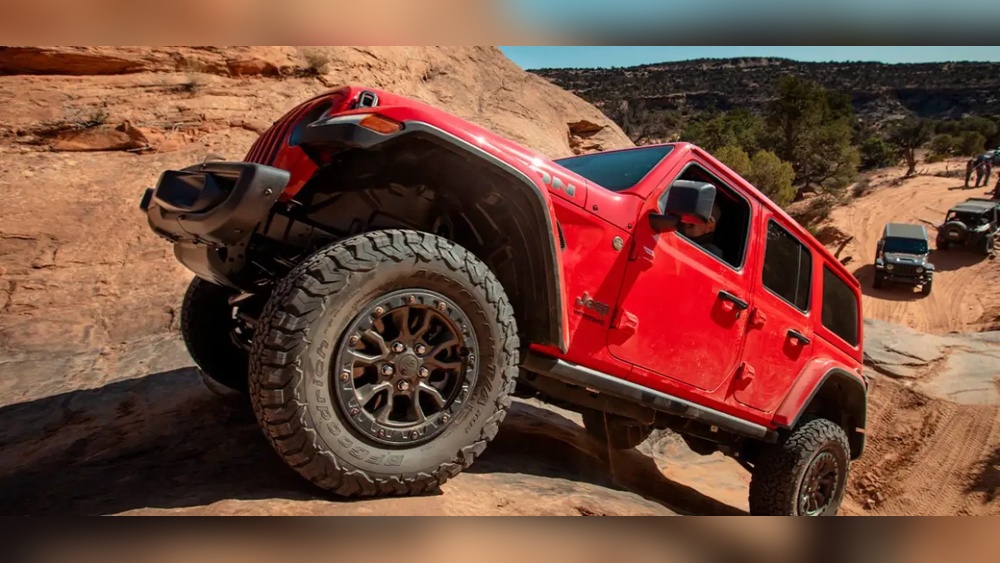
Many Jeep Wrangler owners love the adventure their vehicle brings. But nothing spoils a drive faster than unexpected shaking. Whether it happens at high speeds or when you hit a bump, that steering wheel vibration can be worrying. You might wonder if it’s just a tire issue or something more serious.
Understanding the real reasons behind your Jeep Wrangler shaking is important for safety and peace of mind.
Common Reasons Your Jeep Wrangler Shakes
Knowing why your Jeep Wrangler shakes helps you fix the problem faster. Here are the most frequent causes:
1. Unbalanced Or Damaged Tires
Tires are the first thing to check. If they are worn unevenly, have missing weights, or suffer from sidewall damage, you’ll often feel a shake, especially at certain speeds. Off-road driving can cause mud or rocks to stick to the rim, making the balance worse.
2. Alignment Issues
Hitting curbs or potholes can knock your wheel alignment out of place. When your wheels aren’t aligned, the Jeep can pull to one side and vibrate, especially above 40 mph. Proper alignment is critical for safety and to prevent uneven tire wear.
3. Worn Suspension Or Steering Parts
The suspension system in a Jeep Wrangler takes a lot of abuse, especially if you love trails. Loose or worn ball joints, tie rod ends, or track bars can cause the infamous “death wobble”—a violent shake that makes the Jeep hard to control. Even minor wear can create noticeable vibrations.
4. Brake Problems
If your steering wheel shakes when you brake, the likely cause is warped brake rotors. This happens when the metal heats up and changes shape. You’ll notice the shaking most while slowing down from highway speeds.
5. Driveshaft And U-joint Wear
Wranglers use a driveshaft to connect the transmission to the axles. If the U-joints or driveshaft are worn or out of balance, you may feel vibration at all speeds, often louder or stronger when accelerating.
How To Diagnose The Shake
Pinpointing the exact cause can save you time and money. Here’s how to narrow it down:
- When does it shake? If it’s at certain speeds, suspect tires or wheels. If it’s when you brake, check the brakes.
- Where do you feel it? Steering wheel shakes point to front-end issues; seat or floor vibrations can mean rear-end or driveshaft problems.
Here’s a quick comparison of common symptoms:
| Cause | When It Happens | Where You Feel It |
|---|---|---|
| Unbalanced Tires | 40-60 mph | Steering Wheel & Floor |
| Alignment Issues | All Speeds | Steering Wheel |
| Warped Rotors | During Braking | Steering Wheel |
| Driveshaft Problems | Accelerating | Floor/Seat |

Advanced Causes: What Most Owners Miss
Some shakes are trickier to diagnose. Here are two less obvious causes:
Loose Track Bar
The track bar keeps your Jeep’s axle centered. If the bolts loosen, it can create a severe shake called “death wobble.” Most owners miss this, especially after lifting their Jeep or off-roading.
Hub Bearings
A worn hub bearing makes a humming sound and can cause vibration at higher speeds. If ignored, it can fail completely, risking the wheel coming off.
Preventing Jeep Wrangler Shaking
Prevention is easier than repairs. Here are ways to keep your Jeep running smooth:
- Rotate and balance tires every 5,000-7,000 miles.
- Check alignment after hitting large potholes or curbs.
- Inspect suspension and steering at every oil change.
- Tighten all bolts after off-road trips.
- Replace worn parts early to avoid bigger problems.
Here’s a quick maintenance reminder:
| Task | Frequency |
|---|---|
| Tire Rotation & Balance | 5,000-7,000 miles |
| Alignment Check | Annually or after impacts |
| Suspension Inspection | Every oil change |
| Brake Inspection | Every 10,000 miles |
When To Get Professional Help
If basic checks don’t fix the shaking, it’s smart to see a mechanic. Some problems, like death wobble or driveshaft issues, need special tools and experience. Ignoring them can make things worse or even unsafe.
A skilled mechanic can:
- Use diagnostic tools to find worn parts
- Test-drive the Jeep to feel the exact vibration
- Suggest the safest and most cost-effective repairs
Never ignore severe shaking. It can lead to loss of control or damage other parts.
Cost Of Fixing Jeep Wrangler Shakes
Many owners worry about repair costs. Here’s a rough guide to what you might pay:
| Repair Needed | Estimated Cost (USD) |
|---|---|
| Tire Balancing | $40-$100 |
| Wheel Alignment | $80-$150 |
| Replace Ball Joints | $250-$600 |
| Brake Rotor Replacement | $200-$400 |
| Driveshaft Repair | $350-$800 |
Prices vary by location and Jeep model. Off-road use or lifted suspensions may increase costs.
Final Thoughts
A shaking Jeep Wrangler isn’t just annoying—it can be dangerous. Most shakes come from tires, alignment, brakes, or suspension. Early diagnosis saves money and keeps you safe. Don’t guess—inspect your Jeep, follow regular maintenance, and get expert help if needed. Taking action now ensures your Wrangler stays ready for every adventure.
Frequently Asked Questions
Why Does My Jeep Wrangler Shake At High Speeds?
This usually means tire imbalance or alignment issues. Check your tires for uneven wear, make sure they are balanced, and get an alignment if needed.
What Is The “death Wobble” In A Jeep Wrangler?
Death wobble is a violent steering shake, often after hitting a bump at speed. It’s usually caused by loose or worn suspension parts, especially the track bar or tie rods.
Is It Safe To Drive With A Shaking Jeep?
It depends. Minor shakes at low speeds may be safe short-term. But strong vibrations, especially at high speeds, can be dangerous. Have your Jeep checked as soon as possible.
Can Bigger Tires Cause My Jeep To Shake?
Yes, larger or off-road tires can worsen vibrations if not balanced properly. Always have new tires balanced and check other suspension parts after upgrades.
Where Can I Find More Details About Jeep Wrangler Steering Issues?
You can read more about technical details on the Jeep Wrangler Wikipedia page, which covers common problems and fixes.