For many Jeep enthusiasts, understanding what makes the Jeep Wrangler so capable off-road is a journey worth taking. One question comes up over and over: How many axles does a Jeep Wrangler have?
While the answer may sound simple, there’s a lot more to uncover about the Wrangler’s axle setup, upgrades, and what each configuration means for your driving experience. If you’re curious about axles, gearing, and the best setup for your adventures, this guide is for you.
Jeep Wrangler’s Standard Axle Configuration
A standard Jeep Wrangler, whether it’s an older YJ, a TJ, a JK, or the modern JL, comes with two axles. This is known as a solid front axle and a solid rear axle layout. These axles connect the wheels on each side of the vehicle, allowing them to turn together and giving the Jeep its iconic four-wheel drive capability.
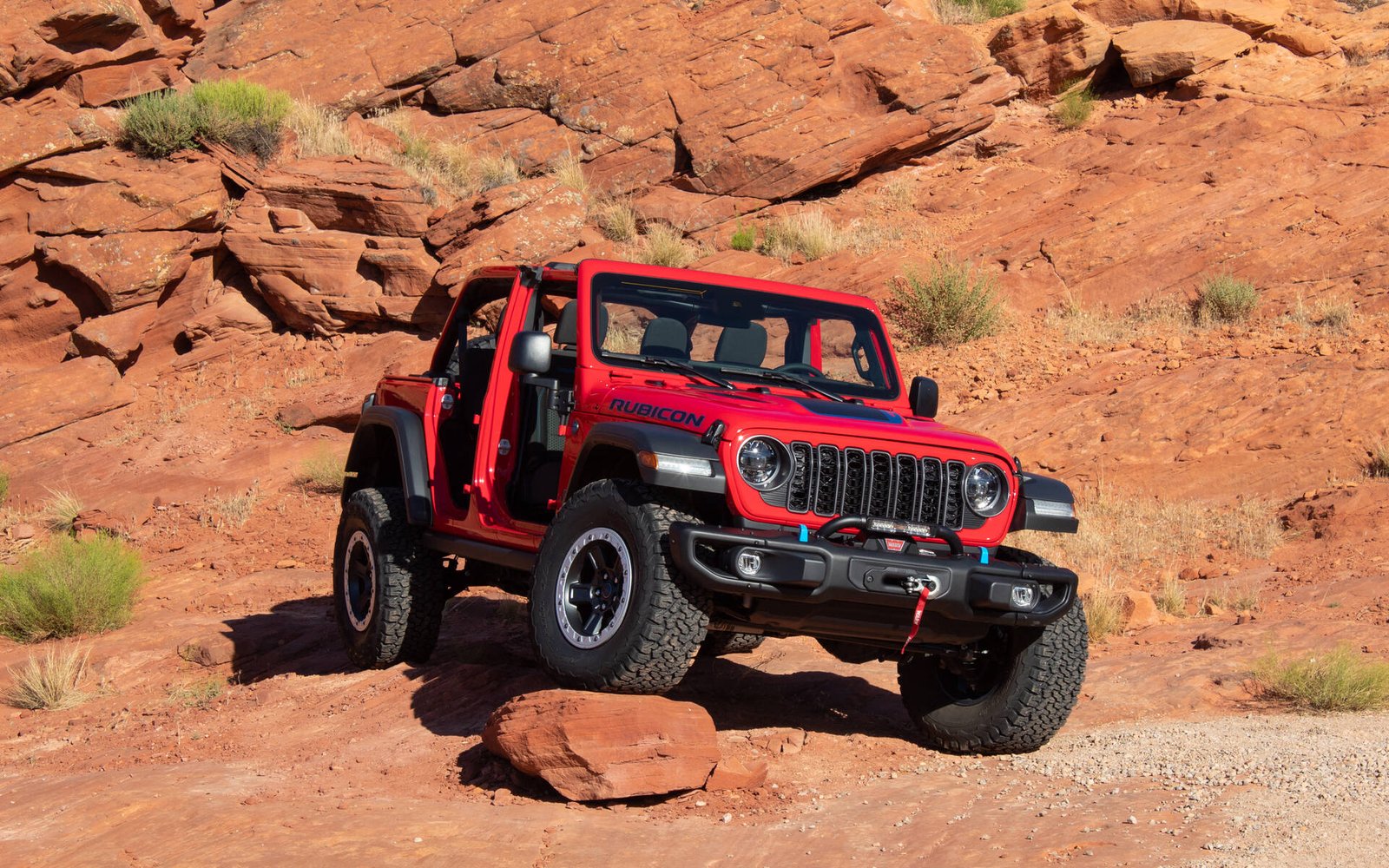
The typical Wrangler uses a front Dana 30 and a rear Dana 35 (or Dana 44 on certain trims or packages). Both are solid axles, meaning they’re strong and can handle off-road punishment better than independent suspension systems.
Why Two Axles?
- Four wheels, two axles: Each axle serves two wheels. The front axle handles steering and power, while the rear manages the rest of the driving force.
- Classic 4×4 design: This setup is simple and proven, making repairs and upgrades easier.
Jeep Wrangler Axle Types And Generations
Axle types vary across Wrangler generations and trims. Here’s a quick comparison:
| Wrangler Generation | Front Axle | Rear Axle |
|---|---|---|
| YJ (1987-1995) | Dana 30 | Dana 35 |
| TJ (1997-2006) | Dana 30 | Dana 35 / Dana 44 |
| JK (2007-2018) | Dana 30 / Dana 44 | Dana 44 |
| JL (2018-present) | Dana 30 / Dana 44 / Dana 44 Adv. | Dana 35 / Dana 44 Adv. |
Some special editions or off-road packages may come with Dana 44 axles front and rear, which are stronger and preferred for heavy trail use.
Two-axle Vs. Three-axle Wranglers: Is There A “three-axle” Wrangler?
Most Wranglers you’ll see on the road have two axles. A third axle is very rare and only seen in custom builds. These three-axle Wranglers, sometimes called 6×6 conversions, add another axle at the rear. They are made for extreme off-road needs or for show—not factory production.
Key differences:
| Feature | Standard Wrangler (2 Axles) | 6×6 Conversion (3 Axles) |
|---|---|---|
| Number of Wheels | 4 | 6 |
| Traction | Excellent | Extreme |
| Availability | Factory | Custom only |
| Cost | Standard | Very High |
While a 6×6 Wrangler looks impressive, for most people, the classic two-axle design offers all the strength and capability they need.
Axle Strength And Off-roading
The axle configuration in a Jeep Wrangler is a big reason for its famous off-road power. Solid axles handle rough terrain and large tires better than independent suspension systems. For those who want to push their Jeep further, knowing the strength of your axles is important.
- Dana 30: Good for daily driving and light off-roading, but not ideal for very large tires or heavy use.
- Dana 35: Similar to Dana 30, but the rear position can be a weak point under big loads.
- Dana 44: Much stronger and handles bigger tires, tough trails, and more power.
If you plan to modify your Wrangler, you’ll want to know which axles you have. Upgrading from a Dana 35 to a Dana 44 is a common step for serious off-roaders.
Common Beginner Mistake
Many new Jeep owners think bigger tires alone will make their Wrangler better off-road. In reality, axle strength matters just as much. Big tires on a weak axle can lead to breakage.
Axle Ratios And Their Importance
Besides the number and type, axle ratios affect how your Wrangler performs. The ratio describes how many times the driveshaft turns for each rotation of the wheels.
Common ratios include:
- 3.21: Best for highway driving and fuel economy.
- 3.73: Good mix of power and efficiency.
- 4.10: Better for off-roading and towing.
Choosing the right axle ratio is key if you plan on adding bigger tires or pulling heavy loads.
Modifying And Upgrading Wrangler Axles
Jeep Wranglers are famous for how easy they are to upgrade. Axle swaps, gear changes, and locker installs are all possible.
However, upgrading axles can be expensive and requires careful planning.
Tips for upgrades:
- Know your goals: Daily driver? Weekend trails? Extreme rock crawling?
- Check current axles: Upgrades depend on what’s already installed.
- Budget for extras: Upgrading axles often means new driveshafts, brakes, or suspension tweaks.
- Get professional help: Axle work needs precise tools and knowledge.
A common non-obvious mistake is forgetting about the extra costs of axle upgrades like needing new wheels or adjusting your steering geometry.

Axle Maintenance And Longevity
Taking care of your Wrangler’s axles is simple but important. Regularly check for leaks, listen for strange noises, and change axle fluid as the manual recommends.
Simple maintenance steps:
- Inspect axle seals and boots for leaks.
- Listen for clunks or grinding sounds.
- Change differential oil every 30,000–50,000 miles.
Ignoring these basics can lead to expensive repairs, even on the toughest axles.
Frequently Asked Questions
How Many Axles Does A Jeep Wrangler Have?
A standard Jeep Wrangler has two axles—one in the front and one in the rear.
What Type Of Axles Come On A Stock Jeep Wrangler?
Most Wranglers use a Dana 30 front axle and either a Dana 35 or Dana 44 rear axle, depending on the year and trim.
Can I Add A Third Axle To My Wrangler?
It’s possible, but not practical for most owners. Three-axle (6×6) Wranglers are custom builds and cost much more than stock models.
Does Axle Type Matter For Off-roading?
Yes. Dana 44 axles are stronger and better for off-roading compared to Dana 30 or Dana 35.
Where Can I Find More Technical Details About Jeep Axles?
Check the official Jeep Wrangler Wikipedia page for detailed specifications and axle information.
Understanding the axle setup on your Jeep Wrangler is more than just counting parts. It’s about knowing what’s under your Jeep, how it affects your driving, and what upgrades make sense for your adventures.
Whether you’re keeping your Wrangler stock or dreaming of a full custom build, smart axle choices will keep you rolling strong on any trail.