Hearing a ticking sound from your Jeep can be worrying, especially if you’re not sure what’s causing it. Some ticking noises are harmless, but others can signal a serious problem that needs attention.
Understanding these sounds early can help you avoid expensive repairs and keep your Jeep running smoothly.
Common Reasons For Jeep Ticking Noises
Several things can make your Jeep tick. Some are simple fixes, while others may require a mechanic. Here’s what you should consider first.
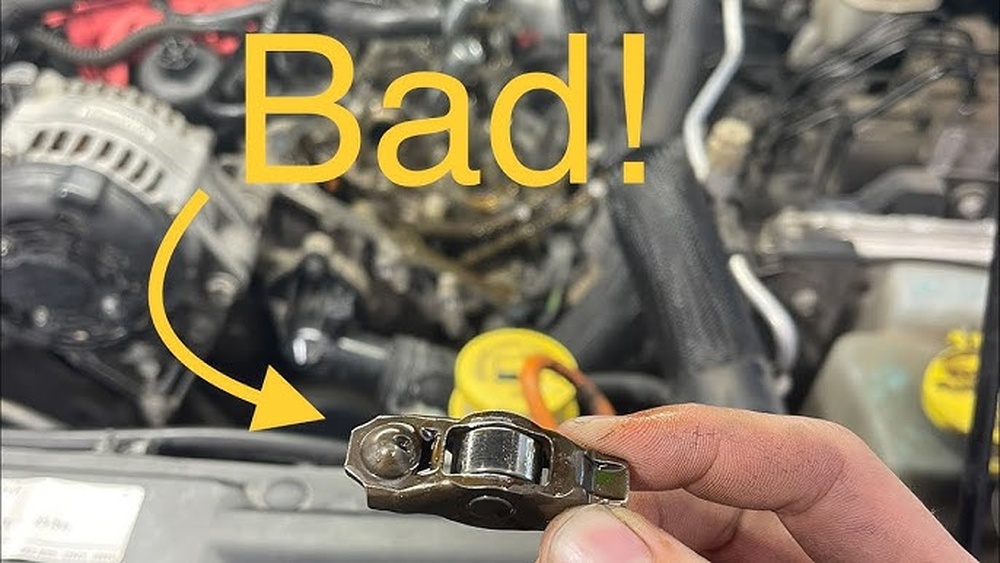
1. Engine Valvetrain Issues
The valvetrain manages how air and fuel enter your engine and how exhaust exits. Over time, parts like lifters, rockers, and pushrods can wear out, causing a ticking sound—especially during cold starts. Older Jeeps and those with high mileage are more likely to have this problem.
Valvetrain Noise Vs Other Ticks
| Source | When It Happens | Severity |
|---|---|---|
| Valvetrain | Cold starts, idle | Medium–high |
| Exhaust leak | Acceleration | Medium |
| Fuel injectors | Idle, constant | Low |
If your tick comes from the top of the engine and gets louder with RPMs, the valvetrain is a likely cause.
2. Exhaust Manifold Leak
A leaking exhaust manifold can make a sharp ticking noise, especially when you first start the engine. As the manifold warms up, the noise may fade. This is common on Jeeps with the 4.0L engine.
Why It Matters
An exhaust leak can let harmful gases into the cabin and may reduce engine performance. If left unfixed, it can also damage nearby parts due to heat.
3. Fuel Injector Operation
Modern Jeep engines use fuel injectors that open and close rapidly, making a rhythmic ticking sound. This is usually normal and nothing to worry about. The sound is most noticeable on newer models and is often softer.
4. Low Or Old Engine Oil
Low oil level or dirty oil can make your engine noisy. Oil lubricates moving parts—when it’s too low or worn out, metal components can tap or tick. Always check your oil regularly and change it as recommended.
5. Worn Engine Components
Parts like pistons, wrist pins, or timing chains can wear out. A ticking noise that gets worse as you rev the engine could signal internal engine wear. This is more serious and often requires a mechanic.
6. Damaged Spark Plugs
Loose or cracked spark plugs can also cause ticking. The noise is usually sharp and comes from the cylinder head. Changing or tightening spark plugs often solves this issue.
How To Pinpoint The Ticking Sound
Finding the source of a ticking sound can be tricky. Here’s how you can narrow it down:
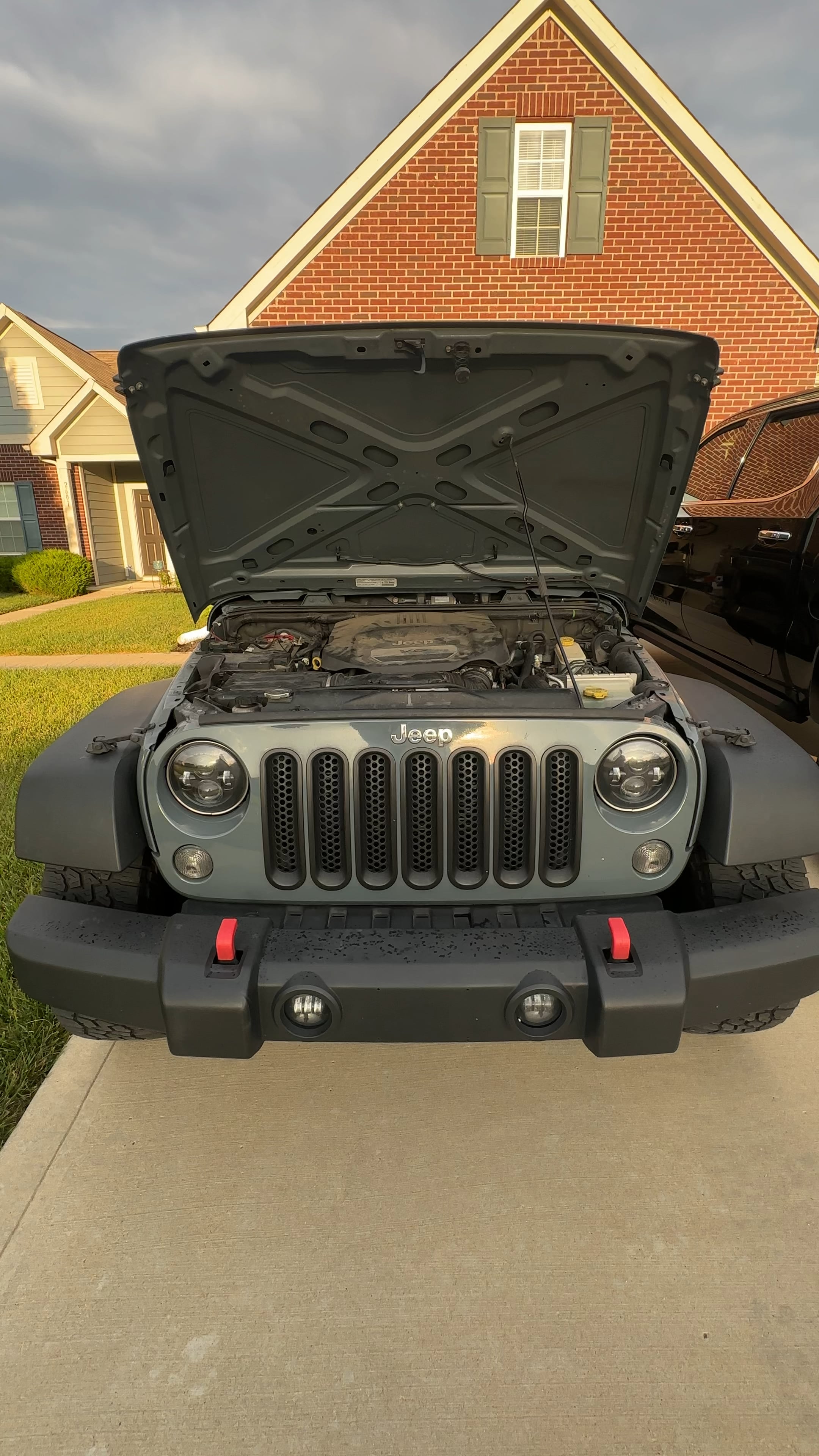
- Open the hood with the engine running. Listen closely—use a mechanic’s stethoscope or a long screwdriver to localize the sound.
- Pay attention to when the tick happens (cold start, idle, acceleration).
- Check the oil level and quality first. Low oil can cause ticking right away.
- Look for leaks around the exhaust manifold. Black soot can indicate escaping gases.
- Inspect spark plug wires and boots for signs of arcing or looseness.
If you’re unsure, it’s best to have a professional diagnose the noise.
Ticking Noise: When To Worry
Not all ticking sounds mean trouble. Here are signs you should take action:
- The ticking gets louder or faster over time.
- There’s a loss of power, rough running, or misfires.
- The check engine light comes on.
- There’s a burning smell or visible smoke.
Driving with a serious engine tick can lead to major repairs or even engine failure. Don’t ignore these warning signs.
Real-world Example: Jeep Wrangler Engine Tick
A 2014 Jeep Wrangler owner noticed a ticking noise that got louder with engine speed. After checking the oil and spark plugs, the noise remained.
A mechanic found a cracked exhaust manifold common on this model. After replacing the manifold and gasket, the tick disappeared.
This example shows why it’s important to check common causes first and not jump to conclusions.
Preventing Ticking Noises
You can reduce the chance of ticking sounds by following simple maintenance steps:
- Change your oil and filter on schedule.
- Use the correct oil weight for your Jeep’s engine.
- Check spark plugs and wires at every service.
- Warm up your Jeep before driving hard, especially in cold weather.
- Listen for new noises and check them early.
Many ticking issues start small. Early action saves money and keeps your Jeep reliable.
Jeep Ticking: Common Misunderstandings
Some Jeep owners believe all ticking means disaster. In reality, many ticks are harmless or easy to fix.
For example, fuel injectors tick on many modern engines it’s normal. But ignoring a loud or changing tick can lead to expensive problems.
Another common mistake is using the wrong oil or skipping changes. Old or thin oil can make the engine noisy. Always use oil that meets Jeep’s specifications.
Quick Comparison: Normal Vs. Problematic Ticking
Here’s a simple way to tell if your Jeep’s ticking is likely normal or not:
| Ticking Type | Normal? | Action Needed |
|---|---|---|
| Soft, rhythmic tick (fuel injectors) | Yes | None |
| Loud tick at cold start (valvetrain) | Maybe | Check oil, inspect parts |
| Sharp, exhaust-area tick (manifold leak) | No | Repair leak |
| Tick with power loss or misfire | No | See mechanic |
When To See A Mechanic
If you’ve checked the basics oil, spark plugs, and visible leaks but the ticking remains, it’s time for expert help. Mechanics have tools and experience to diagnose internal engine issues, which can save you money in the long run.
Frequently Asked Questions
Why Does My Jeep Tick Only When Cold?
When your engine is cold, metal parts contract and oil is thick. The valvetrain or exhaust manifold may tick until the engine warms up and parts expand, sealing small gaps. If the tick stays after warming up, it could mean a bigger issue.
Is A Ticking Noise Always A Serious Problem?
Not always. Some ticking, like from fuel injectors, is normal. However, loud or changing ticks, especially with other symptoms, should be checked by a mechanic.
Can Low-quality Oil Cause Ticking?
Yes. Old or thin oil may not protect engine parts well, leading to ticking sounds. Using the right oil and changing it on schedule helps prevent this issue.
How Much Does It Cost To Fix A Ticking Jeep Engine?
Costs vary. Replacing spark plugs or adding oil is cheap (often under $100). Fixing a cracked exhaust manifold can cost $200–$600. Internal engine repairs may cost much more.
Where Can I Find More Information On Jeep Engine Noises?
A good resource is the official Jeep Wrangler Wikipedia page, which covers engine types and common issues in detail.
Paying attention to new sounds can help you catch small problems before they become big ones. Regular checks and timely repairs will keep your Jeep running strong for years to come.



















