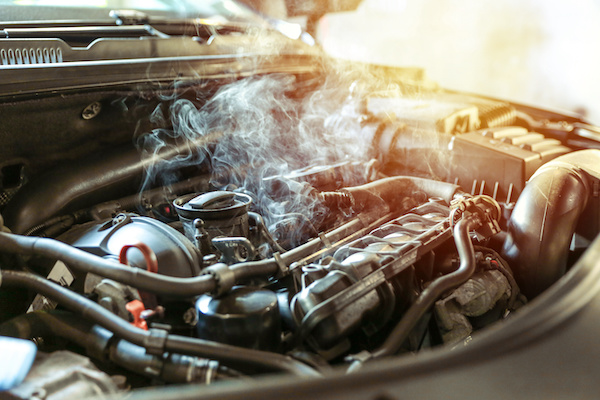
Seeing smoke coming from under your Jeep’s hood can be scary. It usually means something is wrong, but not every cause is a disaster. Some issues are easy to fix, while others need quick action to avoid damage or danger. If you act quickly and know what to check, you can save money and keep your Jeep running safely.
This guide explains why your Jeep might be smoking under the hood, what different smoke colors mean, and what steps you should take. By the end, you’ll have a clear idea of what to do and when to call a professional.
Common Causes Of Smoke Under The Hood
Understanding the reasons behind the smoke helps you respond fast. Here are the most frequent causes:
1. Coolant Leak
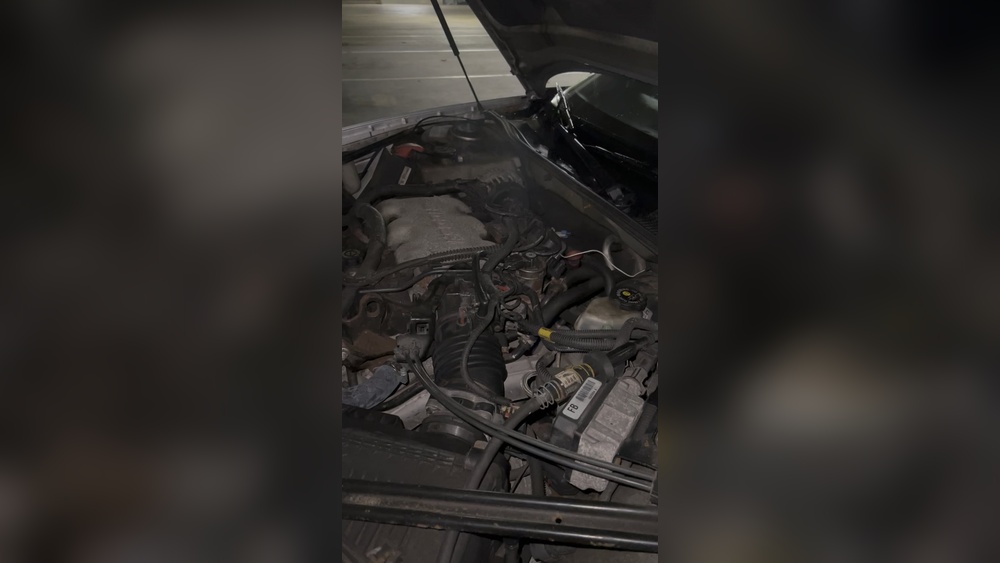
A leak in the cooling system can cause coolant to drip onto hot engine parts. When coolant hits the engine or exhaust, it turns into white steam or smoke.
2. Oil Leak
Oil leaking onto hot surfaces will burn and create blue or grayish smoke. This often happens if the valve cover gasket or oil pan gasket is damaged.
3. Electrical Short
Burning electrical wires or components make a sharp, acrid smell and thin, white smoke. This is a fire risk and should be handled immediately.
4. Overheating Engine
An engine running too hot can boil the coolant or oil, causing steam or smoke. This often comes with a rising temperature gauge and warning lights.
5. Brake Fluid Leak
If brake fluid leaks onto the exhaust or engine, it may burn and produce smoke. This is rare but dangerous, as it affects braking power.
6. Debris Caught In The Engine Bay
Plastic bags or leaves can get stuck and melt or burn, creating smoke and a bad smell.
7. Faulty Gaskets Or Seals
Worn seals can let fluids escape onto hot engine parts, causing smoke. This is more common in older Jeeps.
What Smoke Color Means
The color of the smoke gives clues about what’s wrong:
| Smoke Color | Possible Cause | What to Do |
|---|---|---|
| White | Coolant leak, condensation | Check coolant level, look for leaks |
| Blue/Gray | Oil leak or burning oil | Check oil level, look for leaks |
| Black | Fuel burning, electrical issue | Check for electrical smell, burning wires |
Step-by-step: What To Do If You See Smoke
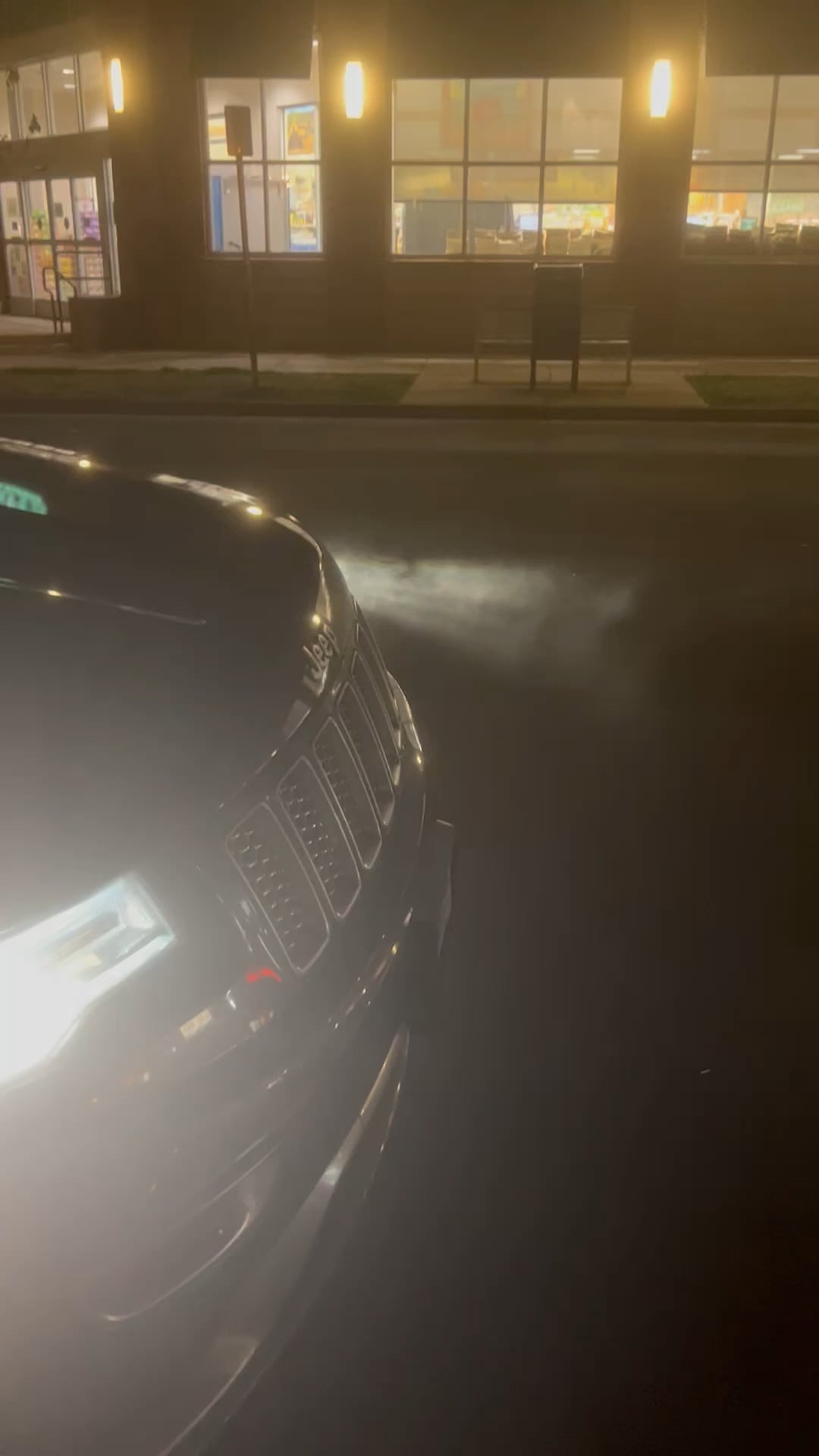
If your Jeep starts smoking, stay calm and follow these steps:
1. Pull Over Safely
Find a safe place and turn off the engine. Do not open the hood right away wait a few minutes to let things cool down.
2. Observe The Smoke
Look at the smoke color and notice any smells. This can help you or a mechanic find the problem faster.
3. Check Warning Lights
See if the dashboard shows any lights like the temperature warning or oil pressure light.
4. Inspect For Leaks
After the engine cools, check under the Jeep for puddles of fluid. Coolant is usually green or orange, while oil is brown or black.
5. Look For Obvious Problems
Check for melted plastic, burnt wiring, or debris stuck near the engine.
6. Restart Only If Safe
If you’re unsure or the smoke is thick, call for help. Never drive a smoking vehicle unless you are sure it’s safe.
Key Differences: Coolant Vs. Oil Leaks
Knowing whether you’re dealing with a coolant or oil leak makes a big difference. Here’s a simple comparison:
| Coolant Leak | Oil Leak |
|---|---|
| White steam or sweet smell | Blue/gray smoke or burnt oil smell |
| Puddle is green, orange, or pink | Puddle is dark brown or black |
| Temperature gauge rises quickly | Possible low oil pressure warning |
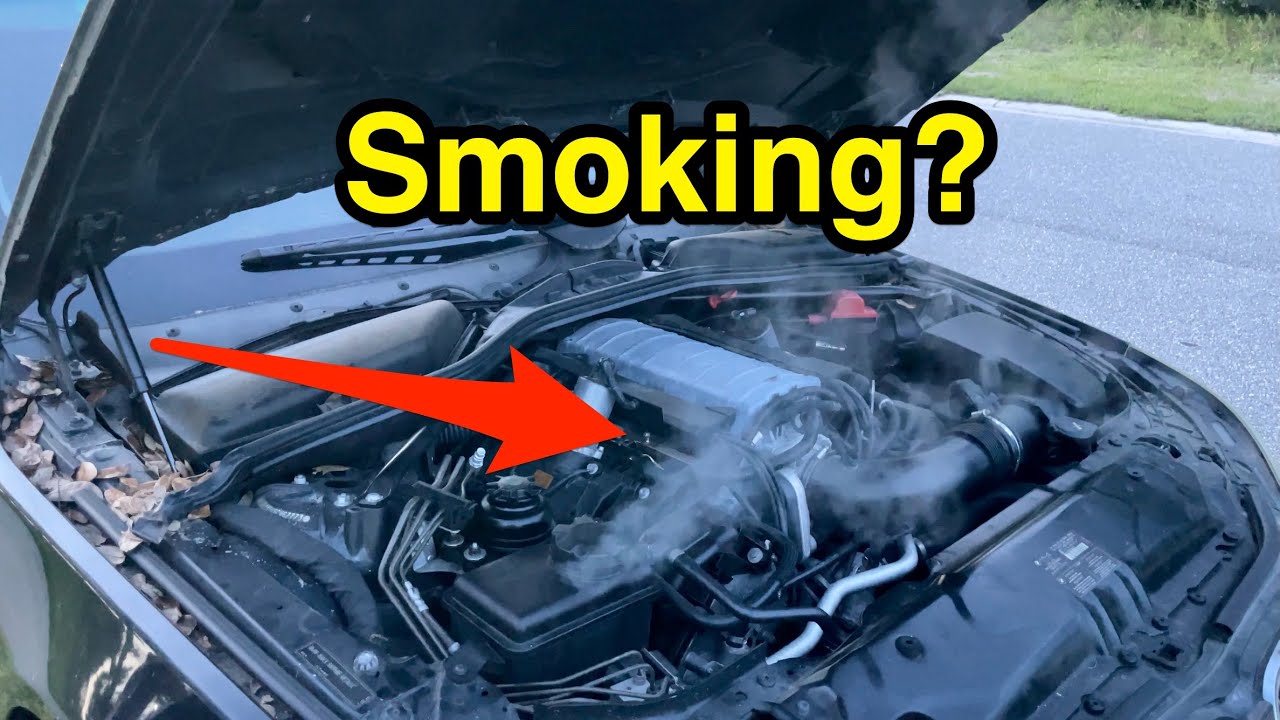
Many Jeep owners miss these less obvious problems:
- Small leaks: Minor leaks can drip only when the engine is hot, making them hard to spot.
- Intermittent smoke: Smoke that comes and goes may still be serious. Don’t ignore it, even if it stops.
- Faulty PCV valve: A worn Positive Crankcase Ventilation (PCV) valve can push oil vapor into the intake, causing smoke and poor performance.
A common mistake is topping off fluids without fixing the leak. This can hide the real issue until it gets worse.
When To Call A Mechanic
Some problems need expert help:
- Smoke is thick, black, or smells like burning plastic.
- Electrical burning smell.
- Engine temperature keeps rising.
- You can’t find the leak or the problem is not obvious.
Driving with these issues can cause engine damage or fires. If in doubt, always call for help.
Preventing Future Smoke Issues
You can avoid most smoke problems with regular care:
- Check fluids weekly and before long trips.
- Inspect hoses and belts for cracks or leaks every few months.
- Replace gaskets and seals as they age, especially in older Jeeps.
- Remove debris from the engine bay after off-roading or driving through leaves.
Regular maintenance can catch small problems before they become big ones.
Real-world Example
In 2022, a Jeep Wrangler owner noticed white smoke after a long drive. He found a small coolant leak at the radiator hose.
Fixing the hose cost under $100. If he’d ignored it, the engine could have overheated, causing damage costing thousands.
This shows why quick action matters.
For more on common car issues, see this Car Maintenance Guide from Wikipedia.
Frequently Asked Questions
Why Does My Jeep Only Smoke When Idling?
This can mean a minor oil leak or coolant seepage that only burns when the engine is hot and still. Check for drips under the Jeep after parking.
Is It Safe To Drive If My Jeep Is Smoking Under The Hood?
Usually, it is not safe to drive. Some causes, like electrical shorts or severe leaks, can lead to fires or engine damage. Always check the source before continuing.
Can A Dirty Engine Cause Smoke?
A dirty engine alone rarely causes smoke, but built-up oil or debris can burn if it touches hot parts. Keeping your engine clean helps prevent this.
How Much Does It Cost To Repair A Smoking Engine?
Costs vary. Small leaks might cost $50–$200 to fix. Major repairs, like a blown head gasket, can reach $1,000 or more. Early action saves money.
What Should I Do If I See Smoke But No Warning Lights?
Some issues don’t trigger dashboard lights. Always investigate the smoke—even without warnings, a leak or electrical issue could be serious.
Smoke under your Jeep's hood is a warning you shouldn’t ignore. By understanding the causes and knowing what to look for, you can take smart steps to protect your vehicle and avoid costly repairs.
Stay alert, check your Jeep regularly, and don’t hesitate to get professional help when needed.