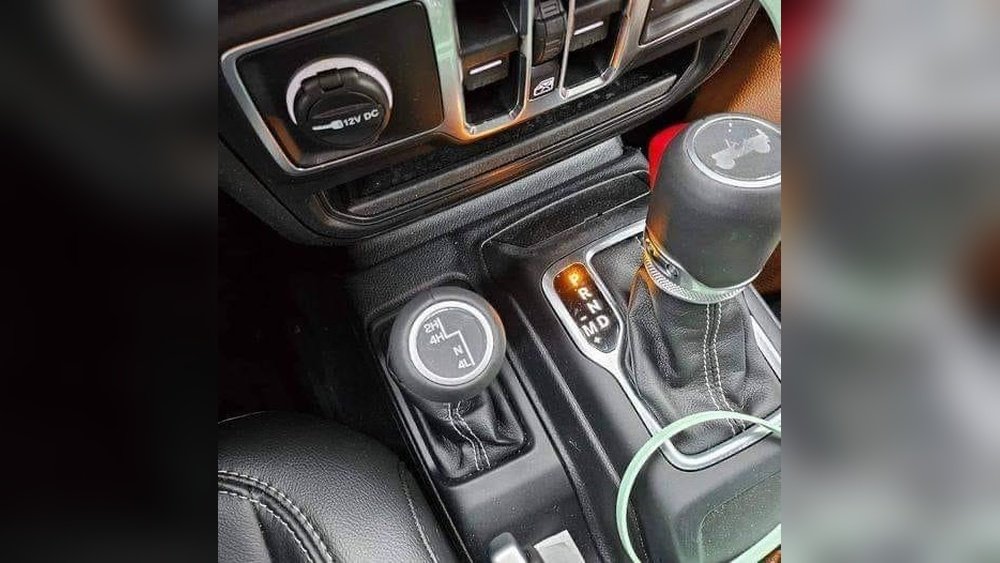
If you drive a Jeep, you expect a reliable ride both on and off the road. But sometimes, you notice your Jeep’s engine revving high—the RPM gauge climbs, the engine sounds louder, and your Jeep feels different.
This can be worrying, especially if you don’t know what’s causing it. High revving can point to small issues or signal something more serious.
Understanding why your Jeep is revving high helps you fix problems early, avoid bigger repairs, and keep your vehicle running smoothly.
What Does “revving High” Mean?
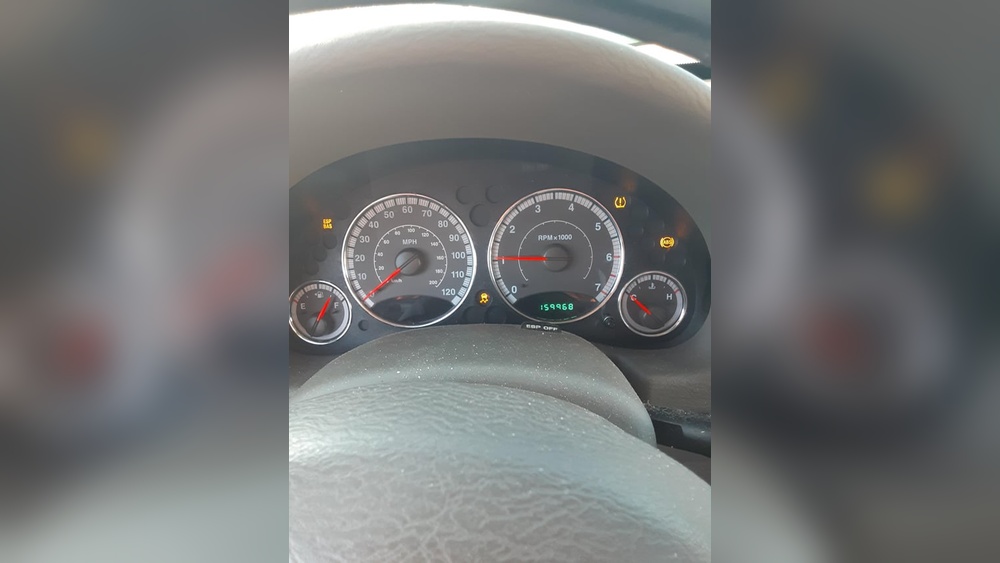
When people say their Jeep is “revving high,” they usually mean the engine RPM (revolutions per minute) stays above normal, especially when idling or during low-speed driving. On most Jeeps, normal idle RPM ranges from 600 to 800 RPM. If your RPM regularly goes above 1,000 RPM without pressing the gas pedal, that’s considered high. Occasional spikes are normal, but a steady high RPM is not.
Common Reasons Your Jeep Is Revving High
Several issues can cause your Jeep’s engine to rev higher than normal. Here are the most likely reasons:
1. Faulty Idle Air Control Valve (iac)
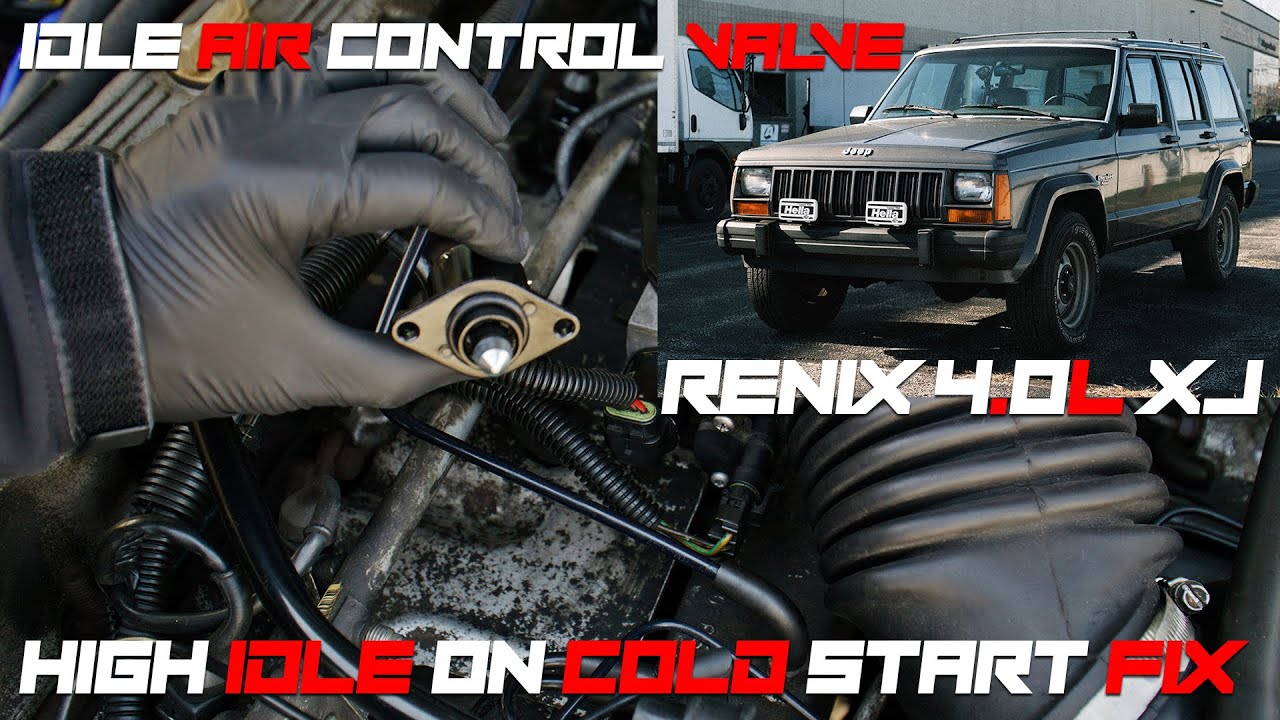
The idle air control valve manages engine idle speed. If it gets dirty, sticks, or fails, it can send the wrong signals and raise the RPM. This is a common issue in older Jeep models.
2. Vacuum Leaks
A leak in any of the vacuum hoses lets extra air into the engine, causing the air-fuel mix to change. The engine will compensate by increasing RPM. Vacuum leaks are hard to spot but are a frequent reason for high revving.
3. Throttle Body Problems
Carbon buildup or a stuck throttle plate in the throttle body can prevent it from closing fully, letting more air in and causing high RPM. Cleaning the throttle body often fixes this.
4. Transmission Issues
If your Jeep has an automatic transmission, a slipping transmission or torque converter problem can keep RPMs high, especially when shifting gears or driving at steady speeds.
5. Faulty Sensors
Modern Jeeps use sensors like the mass airflow sensor and throttle position sensor to control engine speed. If these sensors fail, they send incorrect data, making the engine rev higher.
6. Engine Control Unit (ecu) Malfunction
The ECU is the computer that manages all engine functions. A glitch or failure can make it send the wrong commands, including keeping the RPM high.
7. Cruise Control Or Stuck Accelerator
Sometimes, the cruise control system or the accelerator cable can stick, causing the engine to hold high RPM even when you release the gas pedal.
How To Diagnose High Revving In Your Jeep
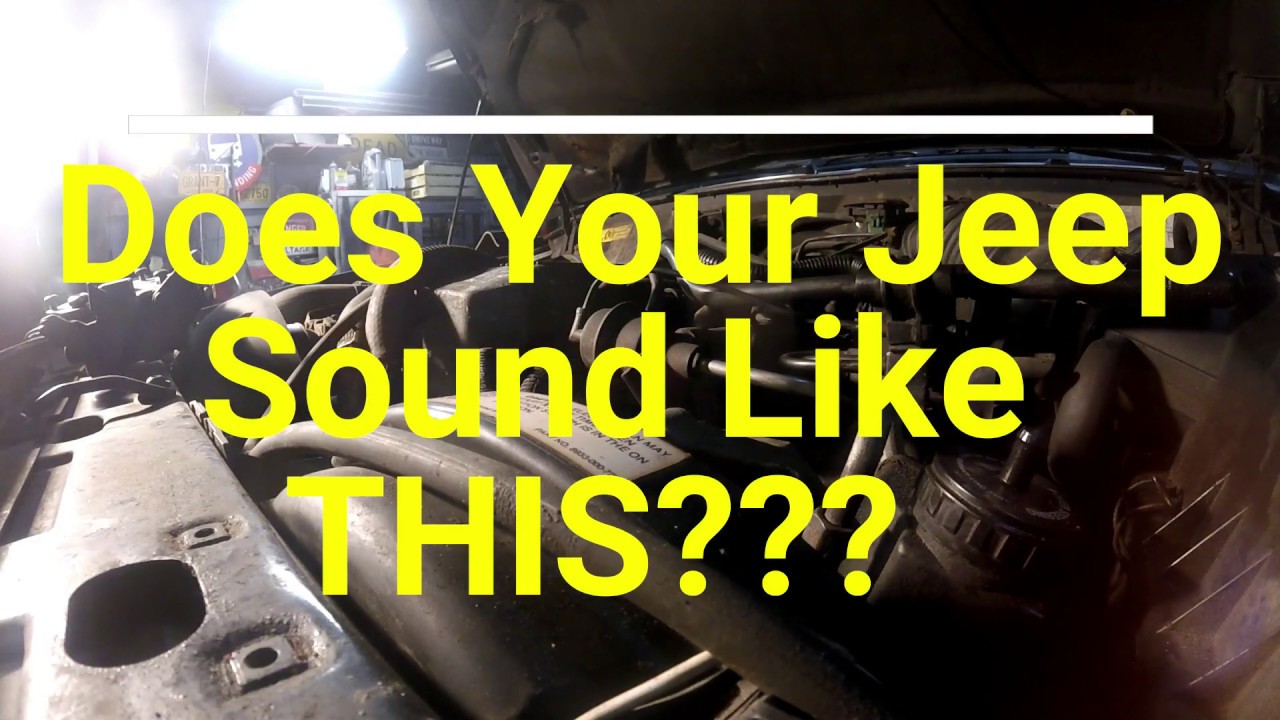
To help you figure out why your Jeep is revving high, here’s a quick comparison of possible causes and how to spot them:
| Cause | How to Identify | Difficulty to Fix |
|---|---|---|
| Idle Air Control Valve | Unstable idle, check engine light | Moderate |
| Vacuum Leak | Hissing noise, rough idle | Moderate |
| Throttle Body | Sticky gas pedal, high idle | Easy to Moderate |
| Transmission | Delayed shifts, slipping gears | Hard |
| Sensors | Poor fuel economy, warning lights | Moderate |
Non-obvious tip: Small vacuum leaks sometimes only cause high RPM when the engine is cold. Listen for changes as the engine warms up.
High Revving: Idle Vs. Driving
High RPM can happen in two main situations: when your Jeep is idling or when you’re driving. The cause and solution can be different for each.
| Situation | Common Causes | What to Check First |
|---|---|---|
| Idling (Stopped) | IAC valve, vacuum leak, throttle body | Check for leaks and clean throttle body |
| While Driving | Transmission, sensors, cruise control | Check transmission fluid and sensor connections |
If the RPMs are high only while driving and not at idle, the transmission may be the problem. If high RPM happens at idle, focus on air intake and idle control systems.
What Should You Do First?
If your Jeep starts revving high, here’s what you can do before visiting a mechanic:
- Check dashboard warning lights. A check engine light can give clues.
- Listen for unusual sounds. Hissing, whistling, or clicking may point to air leaks.
- Inspect the throttle. Make sure the gas pedal and cable are moving freely.
- Examine vacuum hoses. Look for cracks or loose connections.
- Read engine codes. Use an OBD-II scanner to check for trouble codes.
Practical tip: Even if your Jeep still drives fine, do not ignore high RPM for long. It can reduce fuel efficiency, increase wear, and damage components.
How High Revving Affects Your Jeep
Driving with a high-revving engine puts extra stress on key parts. Here’s a quick look at what can happen if you don’t fix the issue:
| Component | Possible Damage | Long-Term Effect |
|---|---|---|
| Engine | Overheating, faster wear | Shorter engine life |
| Transmission | Slipping, overheating | Costly repairs |
| Fuel System | Poor mileage | Higher running costs |
| Exhaust System | Higher emissions | Failed emissions tests |
Non-obvious insight: Even a small air leak can trigger the check engine light and cause your Jeep to fail an emissions test.
When To See A Mechanic
If simple checks don’t solve the problem, or if you notice these signs, get professional help:
- Check engine light stays on
- RPM jumps suddenly or stays high
- Transmission slips or makes noise
- Fuel smell or visible leaks
A skilled mechanic has the tools to test sensors, find leaks, and diagnose computer issues.
Preventing High Revving In Your Jeep
Preventing high RPM problems is easier than fixing them. Here’s how you can avoid trouble:
- Regular maintenance: Replace air filters, spark plugs, and fluids as recommended.
- Clean the throttle body: This avoids sticky throttle problems.
- Inspect hoses: Check for cracks and wear during oil changes.
- Use quality fuel: Bad gas can affect sensors and engine response.
- Update software: For newer Jeeps, ask your dealer about ECU updates.
Following your Jeep’s maintenance schedule reduces the risk of high revving and keeps your SUV running strong. For more details on Jeep maintenance, check the official Jeep Maintenance Guide.

Frequently Asked Questions
<!– wp:rank-math/faq-block {"questions":[{"id":"faq-question-9fa81f732df4","title":"Why Does My Jeep Rev High When Starting?","content":"Many Jeeps rev higher for a few seconds after starting. This is normal as the engine warms up.
If high RPM continues after a minute, there may be a sensor or air leak problem.
“,”visible”:true},{“id”:”faq-question-015fe9b20bf2″,”title”:”Is It Safe To Drive My Jeep If It’s Revving High?”,”content”:”Short trips may be okay, but driving long-term with high RPM can damage your engine and transmission. It’s best to find and fix the problem quickly.
“,”visible”:true},{“id”:”faq-question-1742713256ab”,”title”:”Can A Dirty Air Filter Cause High Revving?”,”content”:”A dirty air filter usually causes low power, not high RPM. However, if the filter is very clogged, it can affect sensor readings and idle speed.
“,”visible”:true},{“id”:”faq-question-18bd28bb6a62″,”title”:”How Much Does It Cost To Fix High Revving In A Jeep?”,”content”:”Simple fixes like cleaning the throttle body or replacing a vacuum hose can cost $50-$150. More serious issues like sensor or transmission repairs may cost $200-$1,000 or more.
“,”visible”:true},{“id”:”faq-question-cb87c61025d3″,”title”:”Can Weather Affect My Jeep’s Rpm?”,”content”:”Yes. Cold weather can cause higher RPM at start-up.
However, the engine should settle to normal idle quickly. If it stays high, there’s likely another issue.
Noticing your Jeep revving high can feel stressful, but with the right checks, you can often find and fix the problem quickly. Addressing these issues early keeps your Jeep in top shape and saves you money on bigger repairs later.
“,”visible”:true}]} –>Why Does My Jeep Rev High When Starting?
Many Jeeps rev higher for a few seconds after starting. This is normal as the engine warms up.
If high RPM continues after a minute, there may be a sensor or air leak problem.
Is It Safe To Drive My Jeep If It's Revving High?
Short trips may be okay, but driving long-term with high RPM can damage your engine and transmission. It’s best to find and fix the problem quickly.
Can A Dirty Air Filter Cause High Revving?
A dirty air filter usually causes low power, not high RPM. However, if the filter is very clogged, it can affect sensor readings and idle speed.
How Much Does It Cost To Fix High Revving In A Jeep?
Simple fixes like cleaning the throttle body or replacing a vacuum hose can cost $50-$150. More serious issues like sensor or transmission repairs may cost $200-$1,000 or more.
Can Weather Affect My Jeep's Rpm?
Yes. Cold weather can cause higher RPM at start-up.
However, the engine should settle to normal idle quickly. If it stays high, there’s likely another issue.
Noticing your Jeep revving high can feel stressful, but with the right checks, you can often find and fix the problem quickly. Addressing these issues early keeps your Jeep in top shape and saves you money on bigger repairs later.