If your Jeep Renegade refuses to start, it can quickly ruin your day. Whether you’re heading to work or just coming back from the store, a car that won’t start is more than an inconvenience. The good news is that most starting problems have a few common causes. With a bit of knowledge, you can often find the issue—or at least know what to tell your mechanic. This article explains the main reasons your Jeep Renegade might not start, with clear advice to help you get back on the road faster.
Common Reasons Your Jeep Renegade Won’t Start
Before you panic, remember that not starting doesn’t always mean a big, expensive problem. Sometimes, it’s something simple you can fix yourself.
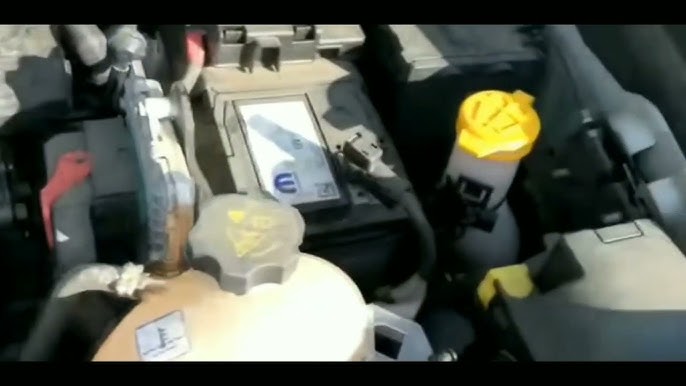
1. Dead Or Weak Battery
A dead battery is the most common reason for a no-start situation. You might hear a clicking sound, or nothing at all, when you turn the key or push the start button.
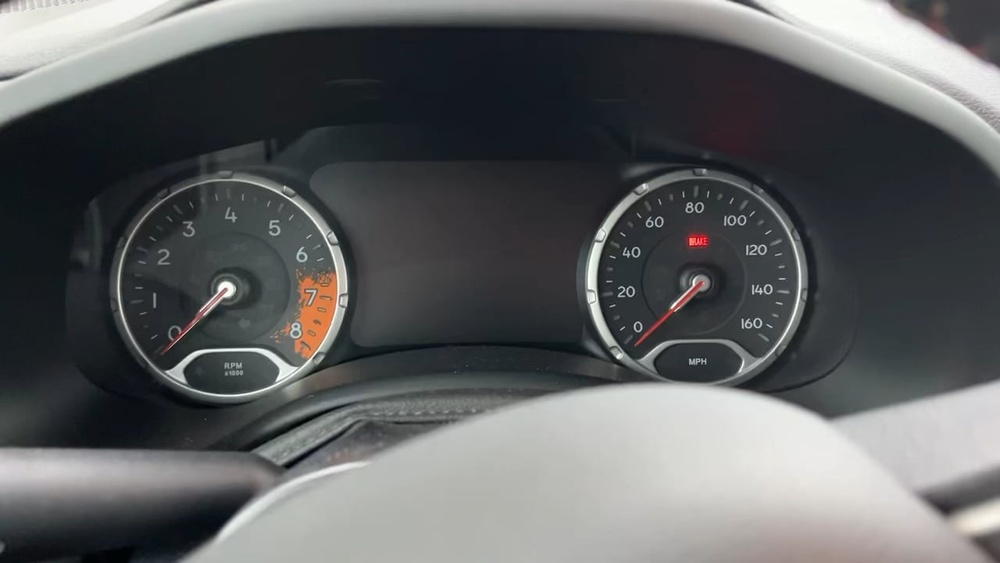
Signs of a weak battery:
- No interior lights or very dim lights
- Radio and electronics don’t turn on
- Clicking noise when starting
Batteries usually last 3-5 years. If your battery is older or you left the lights on, try a jump start. If it works, the battery was likely the problem.
| Battery Age | Chance of Failure |
|---|---|
| 0-2 years | Low |
| 3-5 years | Medium |
| 6+ years | High |
2. Faulty Starter Motor
If your battery is fine but you hear a single loud click or nothing at all, the starter motor might be bad. This small motor helps turn over the engine. Sometimes, tapping the starter with a tool while someone turns the key can help (as a temporary solution), but it’s best to replace a failing starter soon.
3. Bad Ignition Switch
A bad ignition switch can stop power from reaching the starter and the rest of the car’s systems. Signs include:
- No dashboard lights
- Accessories don’t work
- Car doesn’t crank
If jiggling the key or trying a spare key works, the switch or key itself may be worn out.
4. Fuel System Problems
If your engine turns over but doesn’t start, you might have a fuel issue. A failed fuel pump, clogged fuel filter, or even an empty tank can stop the Jeep from starting.
Common signs:
- Engine cranks but doesn’t start
- Smell of gasoline (if there’s a leak)
- No sound from the fuel pump (it should hum for a few seconds when you turn the key)
5. Faulty Sensors Or Security Issues
Modern Jeeps use many sensors and anti-theft systems. A bad crankshaft position sensor or a security lockout can prevent starting. Look for a flashing key symbol on the dashboard, or error messages.
How To Diagnose The Problem
You don’t need to be a mechanic to do some basic checks. Here’s a simple process to help you figure out what’s wrong.
- Check the Battery: Are the lights and electronics working? Try jump-starting the car.
- Listen for Sounds: Clicking, silence, or engine cranking can give clues.
- Look for Warning Lights: Any warning lights or messages on the dashboard?
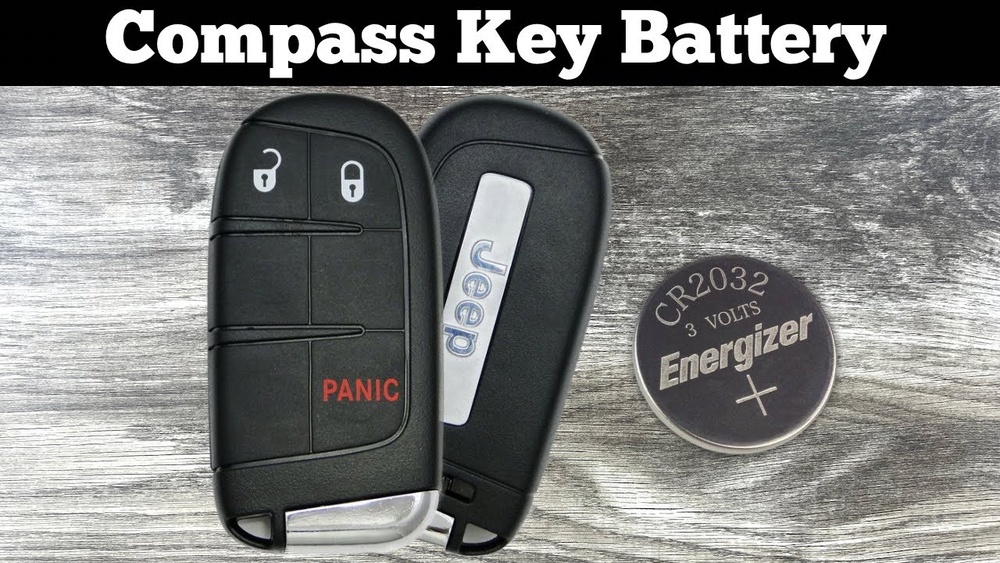
- Try Both Keys: Sometimes, a worn key or fob battery is the problem.
- Check Fuel Level: Make sure you’re not out of gas (it happens more often than you think).
If you’re still unsure, a code reader (OBD-II scanner) can check for error codes. Many auto parts stores will check codes for free.
| Symptom | Possible Cause |
|---|---|
| No sound, no lights | Dead battery |
| Clicking noise | Weak battery or bad starter |
| Cranks, no start | Fuel or sensor issue |
| Key warning light | Security system problem |

Non-obvious Issues Beginners Miss
Many people overlook two important factors:
- Loose or Dirty Battery Connections: Even if your battery is new, loose or corroded terminals can stop electricity from flowing. Always check for white or green powder on the battery connections. Clean them with a wire brush and tighten the clamps.
- Neutral Safety Switch: If your Jeep won’t start in “Park,” try shifting to “Neutral.” Sometimes, the neutral safety switch fails, so the car doesn’t “know” it’s in the right gear to start.
When To Call A Mechanic
If you’ve checked the basics and your Jeep Renegade still won’t start, it’s time for a professional. Electrical issues, sensor failures, and computer faults can be complex and need special tools.
Don’t keep trying to start the car if it makes strange noises or smells like burning. This can cause more damage.
How To Prevent Starting Problems
A little care goes a long way. Here are tips to avoid getting stranded:
- Change your battery every 3-5 years
- Keep battery terminals clean and tight
- Don’t ignore warning lights or strange sounds
- Use your car regularly—batteries die faster in cars that sit unused
- Fix small problems before they become big ones
| Prevention Step | How Often |
|---|---|
| Battery check | Every 6 months |
| Drive regularly | Weekly |
| Inspect fuel system | Yearly |
| Listen for warning sounds | Always |
Frequently Asked Questions
Why Does My Jeep Renegade Click But Not Start?
A clicking sound usually means the battery is weak or the starter motor is failing. Try jump-starting the car. If that doesn’t help, check the battery connections or call a mechanic.
My Jeep Renegade Cranks But Won’t Fire Up. What Could Be Wrong?
If the engine turns over but doesn’t start, check for fuel system problems or faulty sensors. Make sure there’s fuel, and listen for the fuel pump. Sometimes, a crankshaft position sensor is the cause.
Can The Key Fob Battery Prevent My Jeep Renegade From Starting?
Yes. If your key fob battery is dead, the car may not recognize the key and won’t start. Try using a spare fob or replace the battery. Some models let you start the car by holding the fob close to the start button.
What Does The “key” Warning Light Mean On My Jeep Renegade?
This light signals a problem with the anti-theft system or key recognition. Try another key, or make sure your key fob battery isn’t dead. If the problem continues, the system may need reprogramming.
How Much Does It Cost To Fix A Jeep Renegade That Won’t Start?
Costs vary. A new battery can cost $100-$200. Starter motors are $300-$600 installed. Sensor or computer issues can be higher. Always get a quote before agreeing to repairs. For more details on car part costs, see this Consumer Reports guide.
No one likes a car that won’t start, but knowing these common issues can save you time, money, and stress. With the right checks, you can often find and fix simple problems yourself or at least avoid costly surprises at the repair shop.