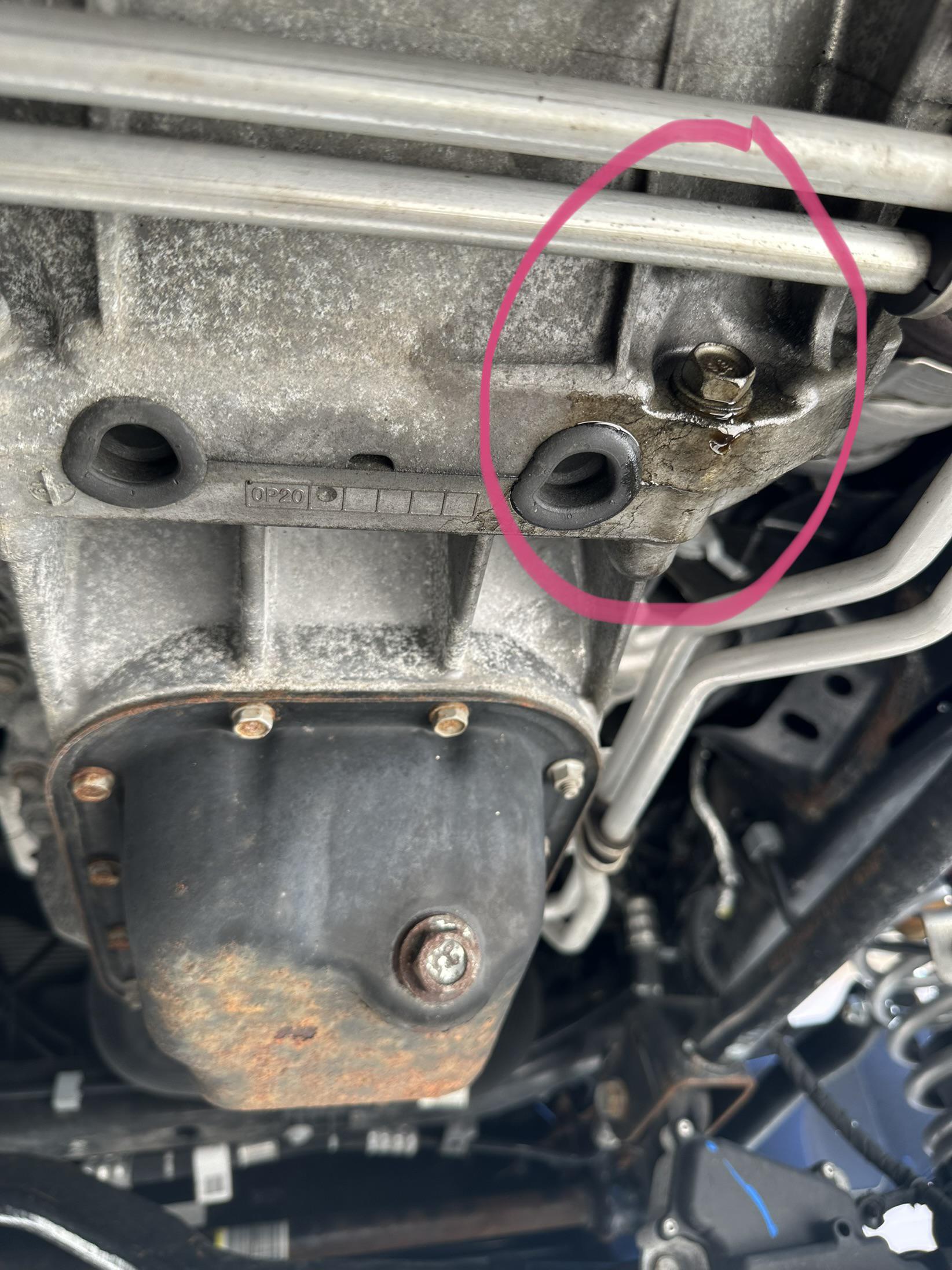
If you notice an oil stain under your Jeep, it’s a signal you shouldn’t ignore. Oil leaks can lead to bigger problems, like engine damage or costly repairs. Many Jeep owners face this issue, but understanding why your Jeep is leaking oil can help you fix it faster and keep your vehicle healthy. Let’s explore the common causes, symptoms, and solutions so you can take confident action.
Common Causes Of Jeep Oil Leaks
Several parts in your Jeep can cause oil leaks. Each one has its own warning signs and risks. Here are the main reasons:
1. Worn Gaskets And Seals
Gaskets and seals keep oil inside the engine. Over time, heat and pressure can make them crack or shrink. The valve cover gasket and oil pan gasket are frequent trouble spots. If you see oil near the engine or dripping underneath, these could be the cause.
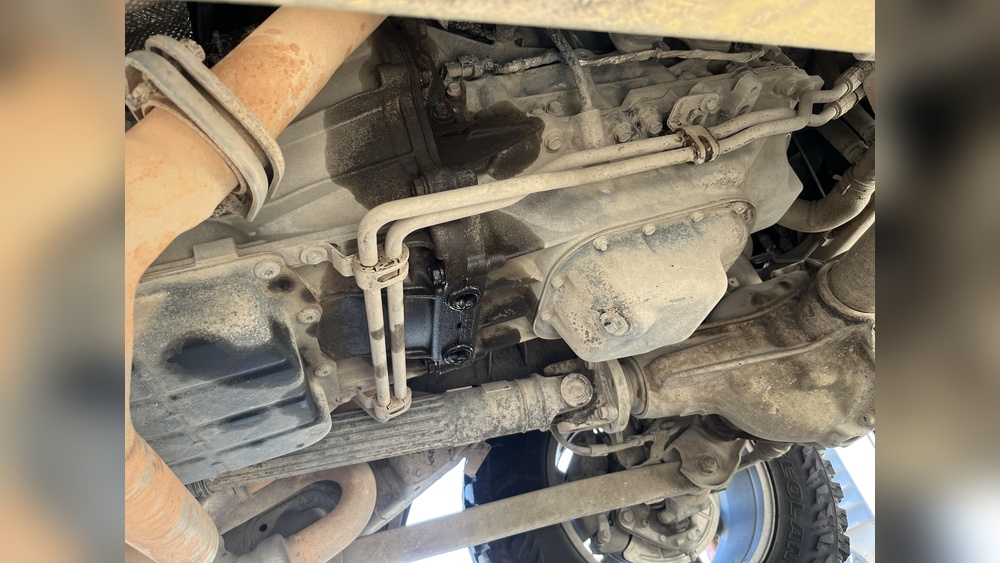
2. Loose Or Damaged Oil Filter
After oil changes, the filter may not be tightened enough or might be defective. This can create leaks.
Check for oil around the filter area and make sure it’s installed correctly.
3. Cracked Engine Block Or Cylinder Head
Extreme temperature shifts or an accident can cause cracks. These cracks allow oil to escape, often mixed with coolant.
If you see milky oil or notice overheating, this is a serious issue.
4. Worn Out Oil Drain Plug
The drain plug at the bottom of the oil pan is removed for oil changes. If it’s not tightened or its gasket is old, oil can seep out.
Sometimes, the plug threads get stripped, making leaks worse.
5. Faulty Pcv Valve
The PCV (Positive Crankcase Ventilation) valve controls engine pressure. If it’s blocked or broken, pressure builds up and forces oil out through seals and gaskets.
6. Damaged Oil Cooler Lines
Some Jeeps have oil coolers with rubber lines. With age, these lines crack, letting oil leak slowly.
Look for oil near the radiator or front of the engine.
Jeep Oil Leak Causes Vs. Other Cars
Jeep models often face oil leaks due to their off-road use and older design features. Compare with other vehicles:
| Cause | Jeep Frequency | Other Cars Frequency |
|---|---|---|
| Valve Cover Gasket | High | Medium |
| Oil Pan Gasket | Medium | Medium |
| PCV Valve | Medium | Low |
| Oil Cooler Lines | Medium | Low |
How To Spot An Oil Leak In Your Jeep
Finding an oil leak early can save you money and trouble. Here’s how to check:
- Look for dark stains under your Jeep after parking overnight.
- Inspect the engine bay for wet, shiny spots—especially around gaskets.
- Check the oil level often. A sudden drop means oil is escaping.
- Smell for burning oil, which happens when oil drips onto hot engine parts.
Some leaks are easy to see, while others need careful inspection. If you’re unsure, ask a mechanic for help.
Visual Signs Vs. Performance Symptoms
| Sign Type | Examples | What It Means |
|---|---|---|
| Visual | Oil puddles, wet engine | Leak is active |
| Performance | Low oil pressure, engine noise | Leak is affecting function |
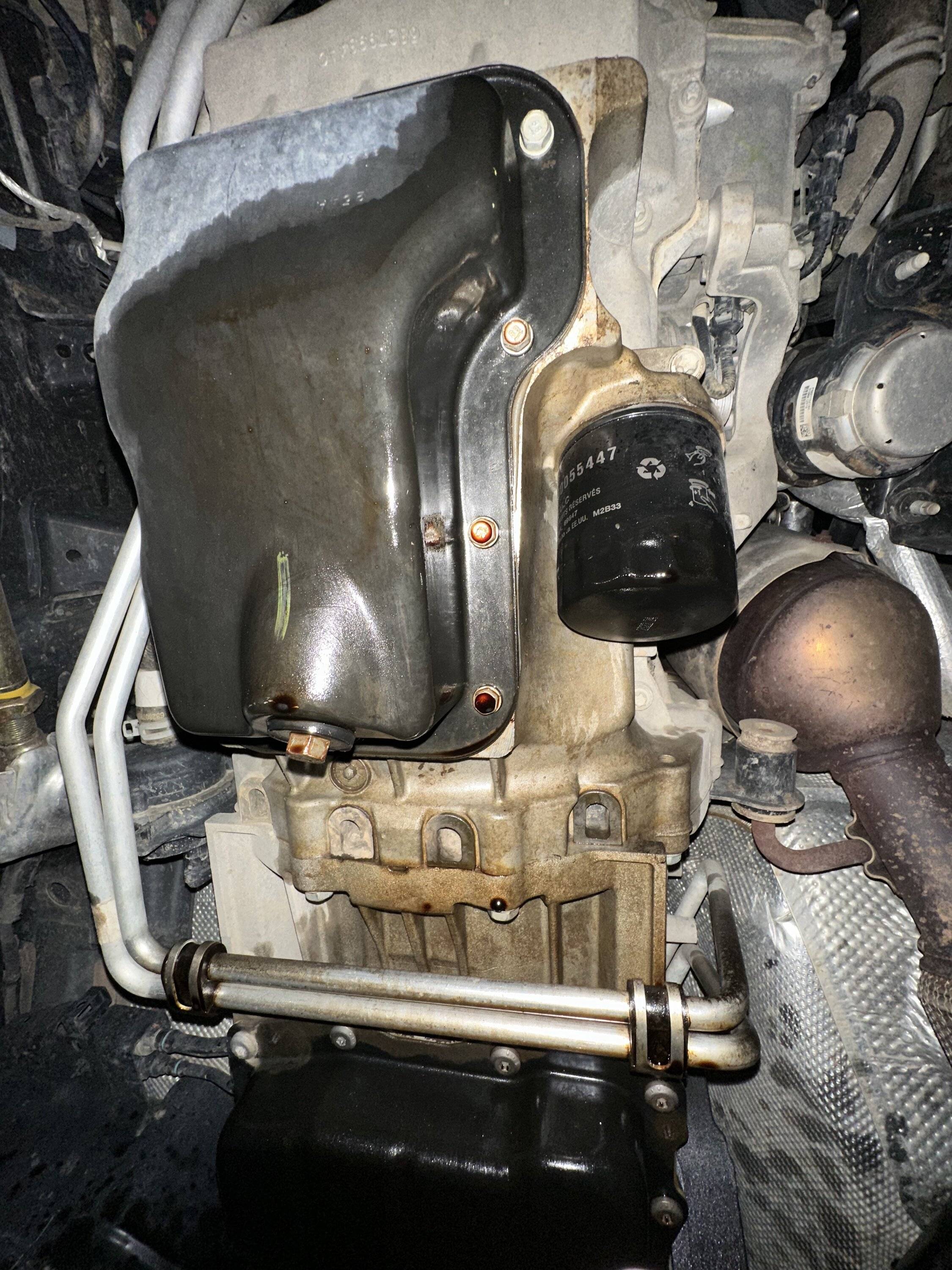
What To Do If Your Jeep Is Leaking Oil
If you confirm an oil leak, act quickly. Here’s what you should do:
1. Check Oil Level
Keep your oil topped up to avoid engine damage. Don’t drive with low oil.
2. Clean Leak Area
Wipe the area to track where fresh oil appears. This helps find the real source.
3. Inspect Gaskets And Seals
Look closely at the valve cover, oil pan, and drain plug. If you see damage, plan for replacement.
4. Tighten Oil Filter And Drain Plug
If these parts are loose, tighten them gently. Don’t over-tighten, as this can cause new leaks.
5. Visit A Mechanic
If you can’t find the cause, or the leak is serious, get professional help. Leaks from cracks or cooler lines need expert repair.
Diy Fixes Vs. Professional Repairs
| Repair Type | Cost Range | Difficulty |
|---|---|---|
| Replace Valve Cover Gasket | $100-$350 | Medium |
| Tighten Oil Filter | $0 | Easy |
| Fix Cracked Block | $1000+ | Hard |
Preventing Oil Leaks In Your Jeep
Most leaks can be avoided with simple habits:
- Change oil and filter at recommended intervals.
- Use high-quality gaskets during repairs.
- Avoid over-tightening bolts and plugs.
- Check rubber lines and hoses for cracks.
- Use the oil type your Jeep recommends.
Experienced Jeep owners know that off-roading and harsh driving speed up gasket wear. If you drive in tough conditions, check for leaks more often.
https://www.youtube.com/watch?v=WsgzMbCBrVsNon-obvious Insights
Many people miss these points:
- Small leaks can become big problems. Oil escaping slowly may not leave a big puddle, but can lower oil levels and cause engine damage over time.
- Aftermarket parts sometimes don’t fit as well as OEM (original) parts. If you’ve recently replaced a gasket or filter and see leaks, check the part quality and fit.
When To Worry About Oil Leaks
Not all leaks are urgent, but some need fast action. If you notice:
- Oil mixed with coolant or white smoke from exhaust (sign of a cracked block or head)
- Oil pressure warning light on dashboard
- Burning oil smell inside the cabin
Stop driving and call for help. Ignoring these signs can ruin your engine.
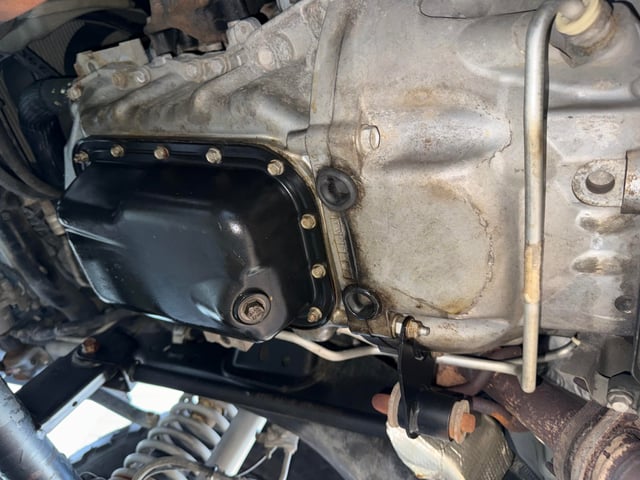
Where To Find Reliable Jeep Repair Info
For detailed repair guides and Jeep owner forums, visit Jeep Official Site. You’ll find service manuals and expert tips for your specific model.
Frequently Asked Questions
What Are The Most Common Places Oil Leaks From In A Jeep?
Valve cover gasket, oil pan gasket, oil filter area, and drain plug are the most frequent spots. Older Jeeps and those used off-road tend to leak more from gaskets.
Is It Safe To Drive My Jeep With An Oil Leak?
Driving with a leak is risky. If the leak is small and oil level is normal, short trips are possible.
But low oil can quickly damage your engine.
How Much Does It Cost To Fix A Jeep Oil Leak?
Costs depend on the cause. Simple fixes like tightening a filter are free.
Replacing gaskets can cost $100 $350. Engine block repairs may cost $1000 or more.
Why Do Older Jeeps Leak Oil More Often?
Age causes seals and gaskets to harden and crack. Older designs may also use materials that degrade faster. Off-road driving increases wear.
Can I Use Stop-leak Products To Fix Oil Leaks?
These products may help with very small leaks, but they’re not a long-term solution. It’s better to replace the faulty part for lasting results.
Oil leaks are a common issue for Jeep owners, but they don’t have to be a mystery. By checking your Jeep regularly and acting quickly, you can prevent expensive repairs and keep your ride in top shape.