Feeling your Jeep jerk as you drive can be both annoying and worrying. Whether it happens when you speed up, slow down, or just cruise, that sudden jolt is a signal your vehicle needs attention.
Jerking is not just uncomfortable it’s often the first sign of a mechanical or electrical problem.
Understanding what causes your Jeep to jerk can help you fix the issue before it becomes a bigger, more expensive headache.
Common Reasons Your Jeep Jerks While Driving
Many Jeep owners face jerking problems at some point. Here are the most frequent causes, plus what you can do about them.
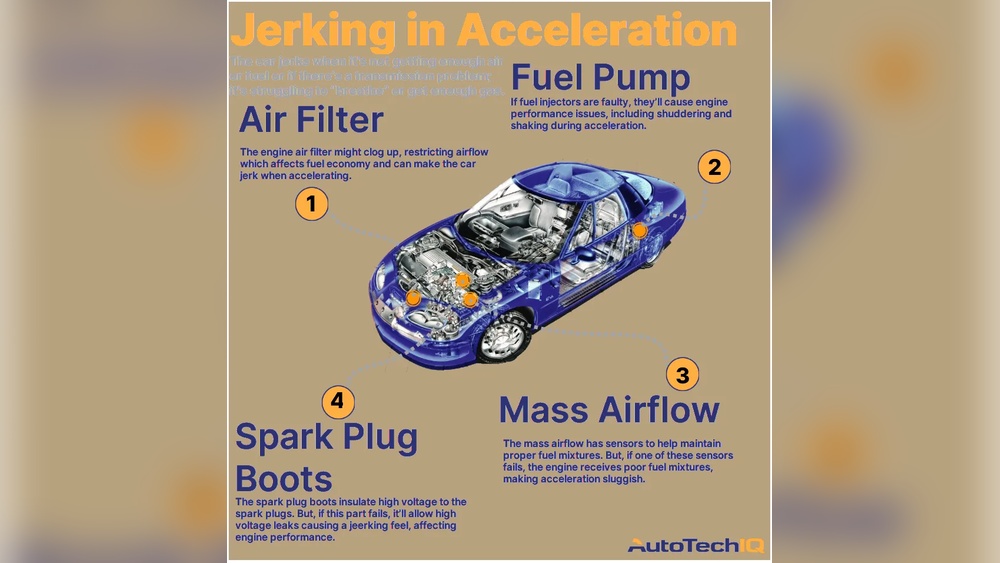
1. Fuel System Issues
A common culprit is the fuel system. If your Jeep isn’t getting the right amount of fuel, it may jerk or hesitate.
- Dirty fuel injectors: Over time, injectors can clog, causing poor fuel delivery.
- Failing fuel pump: A weak pump can’t keep up with engine demands.
- Clogged fuel filter: This blocks fuel flow, especially when accelerating.
If you notice jerking along with poor fuel economy or slow starting, check these parts first.
2. Ignition Problems
The ignition system makes sure your engine gets the spark it needs. Problems here lead to engine misfires, which feel like jerking.
- Worn spark plugs: Old plugs fail to ignite fuel properly.
- Bad ignition coils: These deliver voltage to spark plugs. A failing coil disrupts firing.
- Faulty spark plug wires: Cracked or old wires can cause intermittent sparks.
Replacing spark plugs and checking coils is a good starting point if you haven’t done so in a while.
3. Transmission Troubles
If your Jeep jerks when shifting gears, the transmission could be to blame.
- Low or dirty transmission fluid: This makes gear changes rough.
- Worn clutch (manual transmission): Causes jerky starts and shifting.
- Transmission control module issues: This electronic part can fail, leading to erratic shifting.
Catching transmission problems early helps prevent costly repairs down the line.
4. Air Intake And Emissions
Your Jeep needs the right air-fuel mix. If anything blocks or disrupts airflow, you may feel jerking.
- Dirty air filter: Restricts airflow, especially at high speeds.
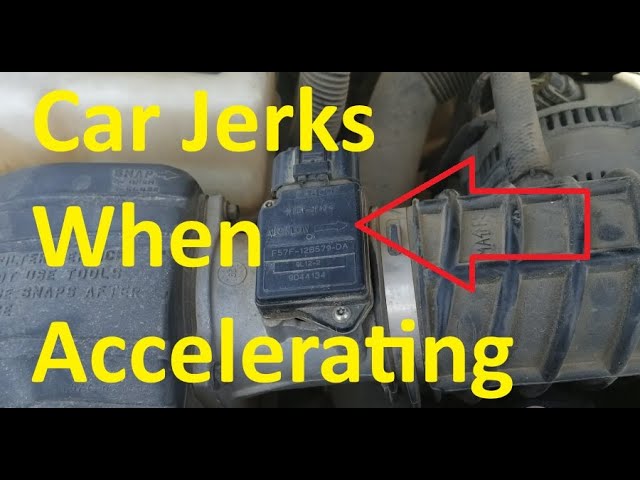
- Mass airflow sensor (MAF) problems: This sensor tells your engine how much air is coming in. A dirty or broken MAF sensor causes poor engine response.
- Vacuum leaks: Cracked hoses let extra air in, messing up the air-fuel ratio.
These problems often trigger a check engine light. Scan for codes to help narrow down the cause.
5. Electrical And Sensor Issues
Modern Jeeps rely on sensors and computers. When these fail, your Jeep may jerk, hesitate, or stall.
- Faulty throttle position sensor (TPS): Tells the computer how much you’re pressing the gas. A bad TPS causes uneven acceleration.
- Crankshaft or camshaft position sensors: These sensors manage timing. When they fail, the engine may cut out or jerk.
- Loose or corroded wiring: Bad electrical connections can cause unpredictable jerking.
An OBD-II scanner can help identify sensor-related problems.
How To Diagnose The Problem
Finding the exact cause of your Jeep’s jerking can save you time and money. Here’s a step-by-step approach:
- Watch for warning lights: Is your check engine light on? Note any codes.
- Pay attention to when it jerks: Does it happen during acceleration, at a stop, or when shifting?
- Listen and observe: Any odd noises, smells, or leaks?
- Perform basic checks: Look at fluid levels, inspect visible wiring, and check air and fuel filters.
If you’re unsure, a mechanic can use diagnostic tools to pinpoint the issue faster.
Real-world Examples
Let’s look at a few real situations Jeep owners have faced:
- Case 1: A 2012 Jeep Wrangler jerks only when accelerating. The owner finds a clogged fuel filter and replaces it. The problem stops.
- Case 2: A 2018 Jeep Grand Cherokee jerks when shifting. Diagnosis reveals low transmission fluid due to a small leak.
- Case 3: A 2015 Jeep Compass jerks at idle and stalls. The issue is a dirty MAF sensor, which is cleaned to restore normal driving.
It’s important to match your symptoms with these examples, but always check your own vehicle for unique issues.
Comparing Jeep Jerking Causes
Here’s a quick overview to compare the most common causes and their symptoms:
| Cause | Main Symptoms | Quick Check |
|---|---|---|
| Fuel System | Jerking during acceleration, poor fuel economy | Check filter, injectors, fuel pump |
| Ignition System | Misfires, rough idle, jerking at any speed | Inspect spark plugs and coils |
| Transmission | Jerking when shifting gears | Check fluid level and color |
| Air Intake | Jerking at higher speeds, check engine light | Check air filter, MAF sensor |
| Sensor/Electrical | Random jerking, hesitation, warning lights | Scan for codes, check wiring |
Maintenance Tips To Prevent Jerking
Simple routine checks help keep your Jeep running smoothly:
- Replace air and fuel filters as recommended.
- Use quality fuel and oil.
- Have the transmission fluid checked at regular intervals.
- Watch for leaks under the car.
- Pay attention to warning lights and fix issues early.
Many jerking problems start small and get worse over time. Staying ahead with maintenance can save you from being stranded on the road.
Non-obvious Insights Most Drivers Miss
- Aftermarket modifications (like performance chips or lifts) can sometimes cause jerking. These changes may confuse your Jeep’s computer, especially if not installed properly.
- Bad motor mounts can also cause a jerky feeling. If the engine moves too much, it feels like a jerk even though the engine is running fine.
These less common causes are often overlooked, but can lead to the same symptoms as more familiar problems.
Cost Comparison For Common Repairs
Understanding repair costs helps you plan:
| Repair | Estimated Cost (USD) |
|---|---|
| Replace spark plugs | $100 – $200 |
| Clean/replace fuel injectors | $150 – $400 |
| Transmission fluid change | $80 – $250 |
| MAF sensor replacement | $120 – $300 |
| Throttle position sensor | $100 – $250 |
Prices can vary by location and Jeep model. Always get a few quotes before repairing.
When To See A Mechanic
If basic checks don’t solve the problem, or if you see warning lights, it’s time for a professional. Ignoring jerking can turn a small repair into a major one.
A trusted mechanic has the tools and experience to quickly diagnose and fix issues. If your Jeep is still under warranty, visit an authorized dealer for help.
For more detailed technical explanations on vehicle jerking, you can check this Wikipedia article on engine knocking and related symptoms.
Frequently Asked Questions
Why Does My Jeep Jerk Only When Accelerating?
Most likely, it’s a fuel or ignition problem. Check your fuel injectors, spark plugs, or air intake system for blockages or wear.
Is It Safe To Drive My Jeep If It’s Jerking?
Short trips may be safe, but continued driving can cause more damage. It’s best to have it checked soon.
Can Bad Gas Make My Jeep Jerk?
Yes. Poor-quality fuel can cause misfires and jerking. If you suspect bad gas, try refueling at a reputable station and add a fuel system cleaner.
What If My Jeep Jerks After A Recent Repair?
Sometimes, a new part isn’t installed correctly, or a sensor was disturbed. Return to the mechanic to recheck their work.
Will A Check Engine Light Always Come On If My Jeep Is Jerking?
Not always. Some problems don’t trigger a light right away.
But if the light does come on, scan for error codes to help find the cause.
Jerking in your Jeep is a sign you shouldn’t ignore. By understanding the possible reasons and acting early, you can keep your ride smooth and avoid bigger problems down the road.