If your Jeep is idling higher than normal, it can feel worrying and annoying. Sometimes, the engine revs even when you’re not pressing the gas.
This can lead to wasted fuel, strange noises, and even damage over time. Understanding why your Jeep idles high isn’t always simple, but knowing the main causes can help you fix it faster and avoid bigger problems.
What Is High Idle And Why Does It Matter?
When your engine is running but you aren’t pressing the gas, it’s called idling. Most Jeeps idle between 600 and 800 RPM (revolutions per minute). If your Jeep’s RPM is above 1000 while idling, that’s considered high idle.
High idle can cause:
- Poor fuel economy
- Hard shifting in automatic transmissions
- Excessive engine wear
- Difficulty stopping smoothly
Ignoring high idle can lead to bigger repairs later. So, it’s important to find the cause quickly.
Common Reasons Your Jeep Idles High
Many things can cause high idle in a Jeep. Here are the main reasons:
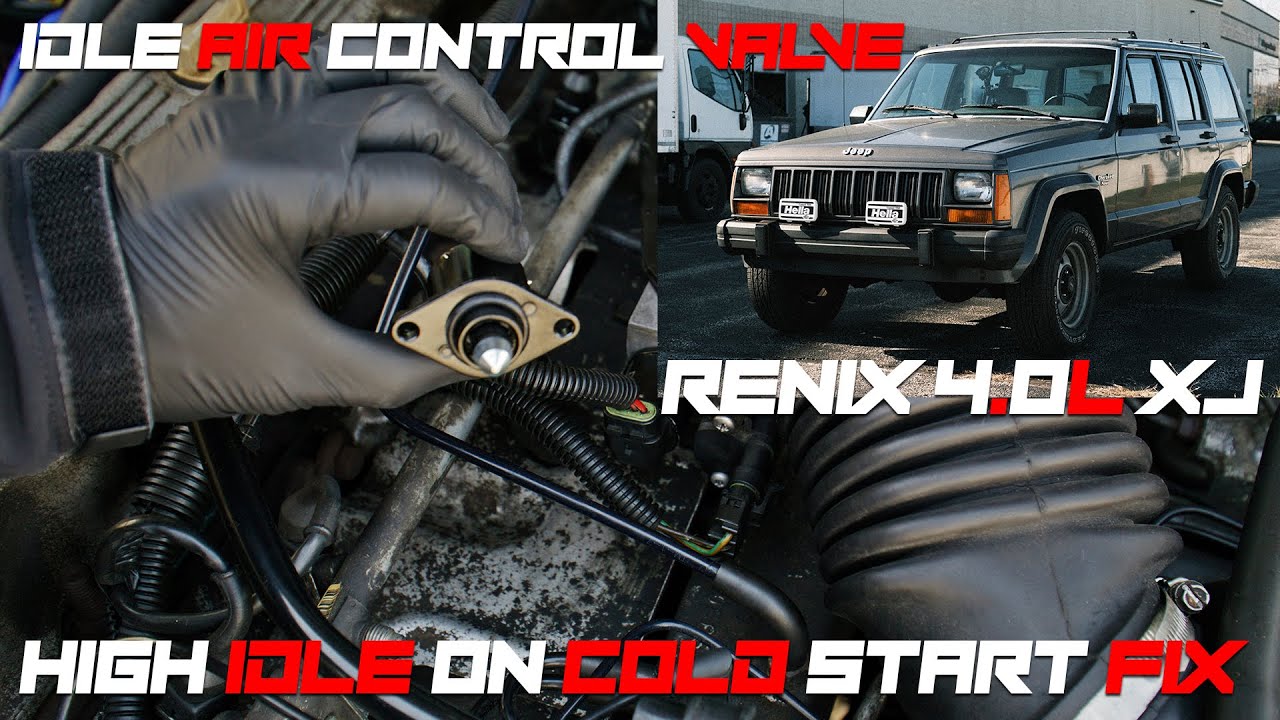
Faulty Idle Air Control Valve (iac)
The IAC valve controls how much air enters the engine when you aren’t pressing the gas. If it sticks or fails, your engine can get too much air, causing high idle.
Example: On Jeep Wranglers, a stuck IAC is a frequent cause of high idle, especially in older models.
Vacuum Leaks
Your Jeep’s engine uses vacuum hoses to manage air and fuel. If a hose cracks or disconnects, extra air enters, and the engine compensates by idling higher.
Beginner insight: Many Jeep owners overlook small hoses under the intake manifold. These are common sources of leaks.
Throttle Body Problems
The throttle body controls air flow. Dirt, carbon buildup, or a misadjusted throttle plate can make it stay open too much, increasing idle speed.
Practical tip: Cleaning the throttle body can often fix high idle without needing new parts.
Faulty Sensors
Your Jeep uses sensors like the TPS (Throttle Position Sensor) and MAP (Manifold Absolute Pressure Sensor) to control idle speed. If they fail, the computer may raise the idle to prevent stalling.
Data: In Jeep Cherokee models, faulty TPS accounts for about 15% of high idle cases.
Engine Coolant Issues
The engine coolant temperature sensor tells the computer when the engine is warm. If it’s faulty, the computer may think the engine is cold and raise the idle unnecessarily.
Non-obvious insight: Sometimes, air pockets in the coolant system can trick the sensor, leading to high idle.
Aftermarket Modifications
Adding bigger tires, lift kits, or performance parts can sometimes mess with idle speeds. Not all mods are compatible with the stock computer settings.
Example: Installing a performance air intake without tuning can cause high idle in Jeep Wranglers.

Diagnosing High Idle: Where To Start
Finding the cause of high idle can be tricky. Here’s a simple approach:
- Check RPM: Look at your Jeep’s tachometer. Is it above 1000 when idling?
- Listen for leaks: Hissing sounds often mean vacuum leaks.
- Inspect hoses: Look for cracks, loose fittings, or disconnected hoses.
- Clean throttle body: Use a throttle cleaner to remove buildup.
- Test sensors: Use a scan tool to check for error codes (P0507 for high idle).
- Check modifications: If you’ve recently added new parts, review them.
If you aren’t sure, a mechanic can run tests using specialized tools.
Jeep Models And Idle Differences
Different Jeep models can have different idle behaviors. Here’s a quick comparison:
| Model | Normal Idle RPM | Common High Idle Causes |
|---|---|---|
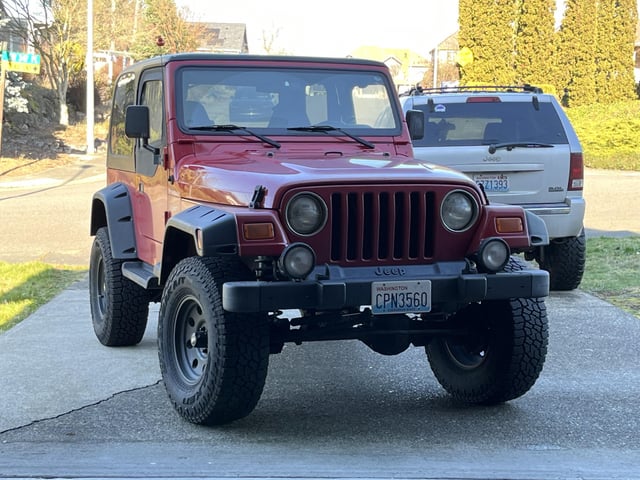
| Wrangler (TJ/JK) | 700-800 | IAC Valve, Vacuum Leaks |
| Cherokee (XJ) | 600-750 | TPS, Throttle Body |
| Grand Cherokee (WJ) | 650-800 | Coolant Sensor, MAP Sensor |
Repairs: What To Expect
Fixing high idle can be simple or expensive, depending on the cause. Here’s a rough estimate:
| Repair | Estimated Cost (USD) | Difficulty |
|---|---|---|
| Replace IAC Valve | $80–$200 | Moderate |
| Fix Vacuum Leak | $20–$100 | Easy |
| Clean Throttle Body | $15–$60 | Easy |
| Replace TPS | $50–$150 | Moderate |
| Replace Coolant Sensor | $40–$120 | Moderate |
Beginner mistake: Many people replace expensive parts before checking for simple vacuum leaks.
Preventing High Idle Issues
You can avoid high idle problems by:
- Regular maintenance: Change air filters, inspect hoses, and clean the throttle body.
- Using quality parts: Cheap sensors or valves may fail quickly.
- Avoiding risky mods: Make sure upgrades are compatible with your Jeep.
- Checking for recalls: Some Jeeps have recalls for idle issues.
When To See A Mechanic
If you’ve tried basic fixes and your Jeep still idles high, it’s best to see a mechanic. Persistent high idle can cause engine damage or unsafe driving.
Mechanics can use advanced tools to find hidden problems.