If your Jeep Grand Cherokee is shaking, it’s more than just an annoyance—it can signal real mechanical problems. Shaking can come from many sources, from tires to engine issues. Understanding why your SUV is vibrating is key to keeping it safe and reliable. This article explains the most common causes, how to check for them, and what you should do next.
Common Causes Of Shaking In A Jeep Grand Cherokee
Shaking or vibration can happen at different speeds and under different conditions. Pay attention to when the shaking occurs.
Is it when you start, brake, or drive at high speeds? This can help pinpoint the issue.
1. Tire And Wheel Problems
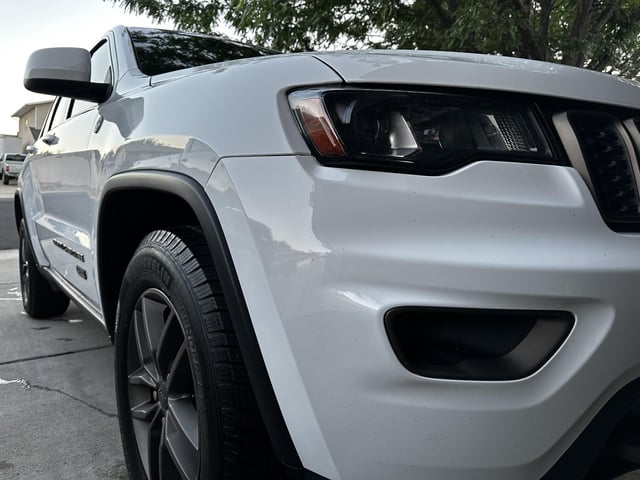
The most frequent cause is tire or wheel issues. Even a small imbalance or deformation can make your Jeep shake.
- Unbalanced tires: If a weight falls off a wheel, it can create a wobble, especially noticeable at 50–70 mph.
- Bent wheels: Hitting a pothole can bend a rim, causing vibration.
- Worn or uneven tires: Tires with uneven wear or bulges can lead to shaking at low or high speeds.
Tip: Have your tires balanced and rotated regularly. Check for visible damage or uneven tread.
2. Brake System Problems
If your Jeep shakes when you brake, the brake rotors may be warped.
- Warped rotors: Heat from heavy braking can warp rotors, creating a pulse in the brake pedal and vibration.
- Sticking caliper: This can cause uneven braking and shaking at certain speeds.
Common mistake: Replacing just the brake pads without checking rotors is not enough if you feel vibration.
3. Suspension And Steering Issues
The suspension system keeps your ride smooth. Worn parts here can make your Jeep feel unstable.
- Worn ball joints or tie rods: These parts connect your wheels and steering. If loose, they can cause shaking and poor handling.
- Damaged control arms or bushings: These rubber parts absorb shock. When worn, they can’t stop vibration.
Insight: Many owners overlook worn suspension parts, blaming only tires or brakes.
4. Engine And Drivetrain Problems
Sometimes, the issue starts under the hood or below the vehicle.
- Worn engine mounts: These rubber mounts hold the engine in place. When they break, you may feel strong vibrations at idle or when accelerating.
- Driveshaft or CV joint problems: If these parts are worn or damaged, you may notice shaking that gets worse with speed.
5. Transmission Issues
A rough or shaking sensation when shifting gears could mean transmission trouble.
- Low or old transmission fluid: This can cause rough gear changes.
- Internal wear: Sometimes, worn components in the transmission can create vibration.
How To Diagnose The Cause
Figuring out the root of the shaking helps avoid unnecessary repairs. Here are simple steps:
- Note when shaking happens: Is it at a certain speed, while braking, or all the time?
- Check tires for wear: Look for uneven tread or bulges.
- Test braking: If shaking happens only when braking, suspect rotors.
- Listen for noises: Clunks or squeaks can point to suspension or drivetrain issues.
- Look for warning lights: Engine or ABS lights may give more clues.
If you’re unsure, a mechanic can use diagnostic tools and road tests to find the problem.

Cost Comparison: Common Repairs
To help you plan, here’s a quick comparison of typical repair costs for shaking issues in a Jeep Grand Cherokee.
| Problem | Estimated Cost (USD) | Repair Time |
|---|---|---|
| Tire balancing/rotation | $40–$100 | 1 hour |
| Brake rotor replacement | $250–$400 per axle | 2–3 hours |
| Suspension repair | $200–$800 | 2–4 hours |
| Engine mount replacement | $350–$700 | 2–3 hours |
Note: Prices vary by location and model year.
When To Get Professional Help
Not all shaking problems are easy to fix at home. You should see a mechanic if:
- The shaking is sudden or severe.
- It happens at all speeds, not just high speeds.
- You hear grinding, knocking, or see warning lights.
- There’s a burning smell or smoke.
Non-obvious insight: Ignoring vibrations can cause more damage. For example, driving with a bad CV joint can lead to a complete breakdown and higher repair costs.
Preventing Shaking In The Future
Regular maintenance helps avoid many shaking problems.
- Rotate and balance tires every 6,000–8,000 miles.
- Get the wheels aligned once a year or after hitting a big pothole.
- Replace brake pads and rotors before they wear out completely.
- Inspect suspension parts every 30,000 miles.
- Change transmission fluid as recommended in your owner’s manual.
Here’s a quick look at maintenance intervals:
| Maintenance Task | Recommended Interval |
|---|---|
| Tire rotation | 6,000–8,000 miles |
| Wheel alignment | Annually |
| Brake inspection | Every 10,000 miles |
| Suspension check | Every 30,000 miles |
| Transmission fluid | 30,000–60,000 miles |
The Role Of Jeep Grand Cherokee Model Years
Some model years have more complaints about shaking than others. For example, the 2011–2013 models had issues with driveshafts and brake rotors. Newer models are less likely to have these problems, but regular maintenance is still important.
Tip: Check for recalls or service bulletins for your Jeep year at the official NHTSA website.

Frequently Asked Questions
Why Does My Jeep Grand Cherokee Shake At High Speeds?
High-speed vibration usually points to tire imbalance, bent wheels, or suspension problems. Get your tires balanced and checked first. If the shaking continues, have a mechanic inspect the suspension.
My Jeep Shakes When I Brake. What’s Wrong?
Shaking while braking often means warped brake rotors. Heat and wear can cause rotors to lose their flat shape. Replacing rotors (and sometimes brake pads) fixes this issue.
Can A Bad Engine Mount Cause Shaking?
Yes. Worn engine mounts can’t hold the engine steady, especially when accelerating or idling. This causes strong vibrations felt throughout the vehicle.
Is It Safe To Drive If My Jeep Is Shaking?
Driving with vibration can be unsafe, especially if the cause is suspension, brakes, or the drivetrain. Small issues can get worse and lead to accidents. Get it checked soon.
How Do I Know If The Problem Is The Transmission?
If you feel shaking during gear changes or notice rough shifts, the issue may be with the transmission. Other signs are leaks and burning smells. Visit a mechanic for a full check.
If your Jeep Grand Cherokee is shaking, don’t ignore it. Finding and fixing the cause early can save you money and keep your SUV safe. Regular maintenance and quick action are the best ways to keep your Jeep running smoothly for years to come.