Your Jeep Grand Cherokee is built for adventure, but when it starts overheating, every drive feels risky. Overheating is not just annoying—it’s a warning sign.
If ignored, it can lead to expensive repairs or even engine failure. Many drivers panic when the temperature gauge rises.
But understanding the causes helps you act fast and avoid bigger problems. In this article, you’ll learn why your Jeep Grand Cherokee overheats, how to spot the issue, and what to do next.
Common Reasons Your Jeep Grand Cherokee Overheats
Most overheating issues come from the cooling system. But other parts can also cause trouble. Here are the most frequent causes:
1. Low Coolant Level
Coolant absorbs heat from the engine and releases it through the radiator. If the coolant is low, the engine cannot cool itself.
Even a small leak can cause overheating quickly.
2. Faulty Thermostat
The thermostat controls when coolant flows through the engine. If it gets stuck closed, coolant cannot circulate, and the engine gets hot fast.
3. Broken Radiator Fan
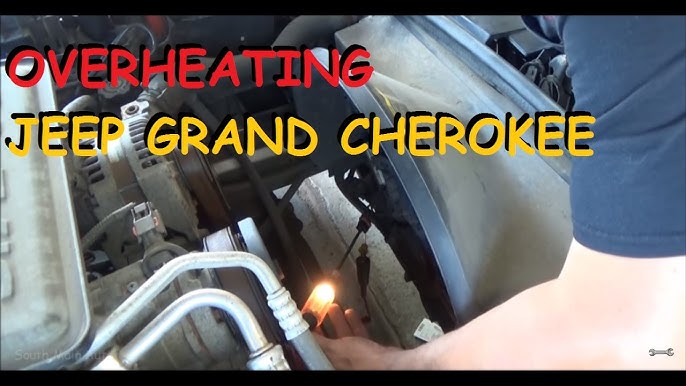
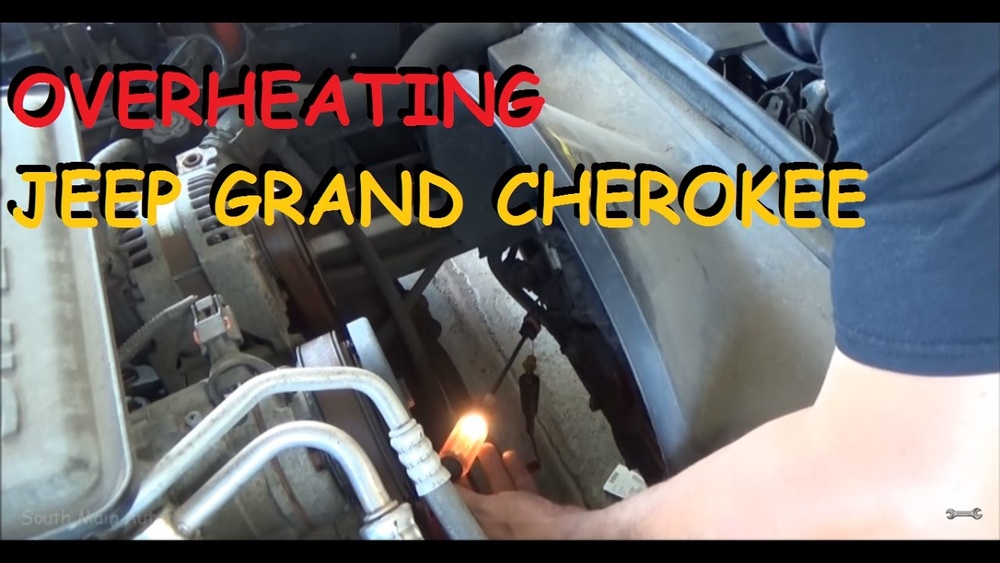
The radiator fan pulls air through the radiator to cool it down. If the fan is not working, the engine can overheat, especially in traffic or hot weather.
4. Clogged Radiator
A radiator full of debris or corrosion cannot cool the engine well. Sometimes, old coolant leaves deposits that block the radiator passages.
5. Water Pump Failure
The water pump moves coolant through the engine. If it fails, coolant stops moving, and overheating happens quickly.
6. Leaking Head Gasket
A head gasket leak can let coolant escape or mix with oil. This is serious and often comes with white smoke or milky oil.
7. Blocked Hoses
Hoses deliver coolant around the engine. If they collapse or get blocked, the flow stops, and heat builds up.
8. Air In The Cooling System
Air pockets can form if the system is not bled properly. Air blocks coolant and makes it hard for heat to escape.
How To Diagnose The Overheating Problem
Finding the cause saves time and money. Start with these steps:
- Check the coolant level and look for leaks under the car.
- Inspect the radiator for blockages or visible damage.
- Listen for the radiator fan when the engine is hot.
- Feel the hoses for signs of collapse or extreme heat.
- Watch for white smoke, milky oil, or sweet smells (these mean a head gasket issue).
Here’s a comparison of common symptoms:
| Symptom | Possible Cause |
|---|---|
| Fast temperature rise | Stuck thermostat |
| Coolant puddle under car | Leaking hose or radiator |
| No fan noise | Broken radiator fan |
| White smoke | Head gasket leak |
| Milky oil | Coolant mixing with oil |

Quick Actions To Prevent Damage
If your Jeep starts to overheat, act fast:
- Pull over and turn off the engine.
- Let the engine cool before opening the hood.
- Add coolant if it’s low (never open the radiator cap when hot).
- Check for leaks and broken parts.
- Call for help if you see white smoke or if the engine feels rough.
Ignoring overheating can lead to engine damage. Even a short drive with an overheated engine can cause a warped cylinder head or blown gasket.
Jeep Grand Cherokee Cooling System: Key Parts Compared
Your Jeep’s cooling system is made of several parts. Each plays a role in keeping the engine cool. Here’s a quick comparison:
| Part | Main Function | Signs of Failure |
|---|---|---|
| Radiator | Cools engine by releasing heat | Leaks, blockages, overheating |
| Thermostat | Controls coolant flow | Fast overheating, cold heater |
| Water Pump | Moves coolant | Whining noise, leaks |
| Radiator Fan | Pulls air through radiator | No fan noise, overheating at idle |
| Hoses | Carry coolant | Leaks, collapse, hard hoses |
Non-obvious Insights Most Owners Miss
Many Jeep owners focus only on coolant, but two hidden issues often cause trouble:
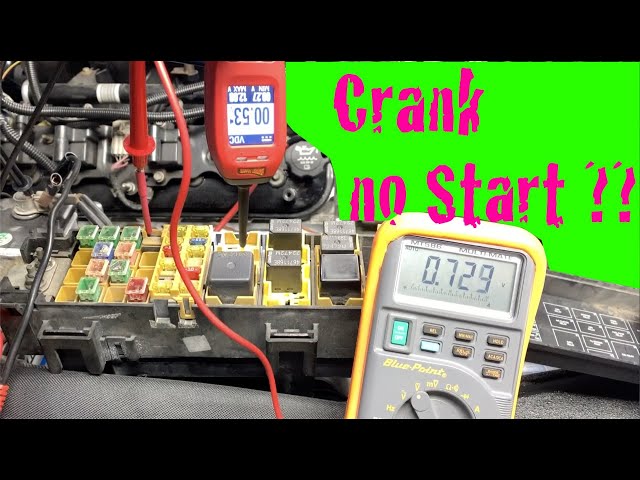
- Electrical Problems: A bad relay or fuse can stop the radiator fan, even if the fan is fine. Checking electrical parts saves time.
- Wrong Coolant Type: Using the wrong coolant can cause corrosion or blockages. Always use the coolant recommended by Jeep.
Also, some Grand Cherokees have a secondary electric fan. If only one fan works, the system struggles in hot weather or slow traffic.
Maintenance Tips To Avoid Overheating
Follow these steps to keep your Jeep running cool:
- Change coolant every 2 years or 30,000 miles.
- Inspect hoses and radiator for cracks or leaks every oil change.
- Clean radiator fins with compressed air (bugs and debris block airflow).
- Test the thermostat if the heater feels cold or engine overheats fast.
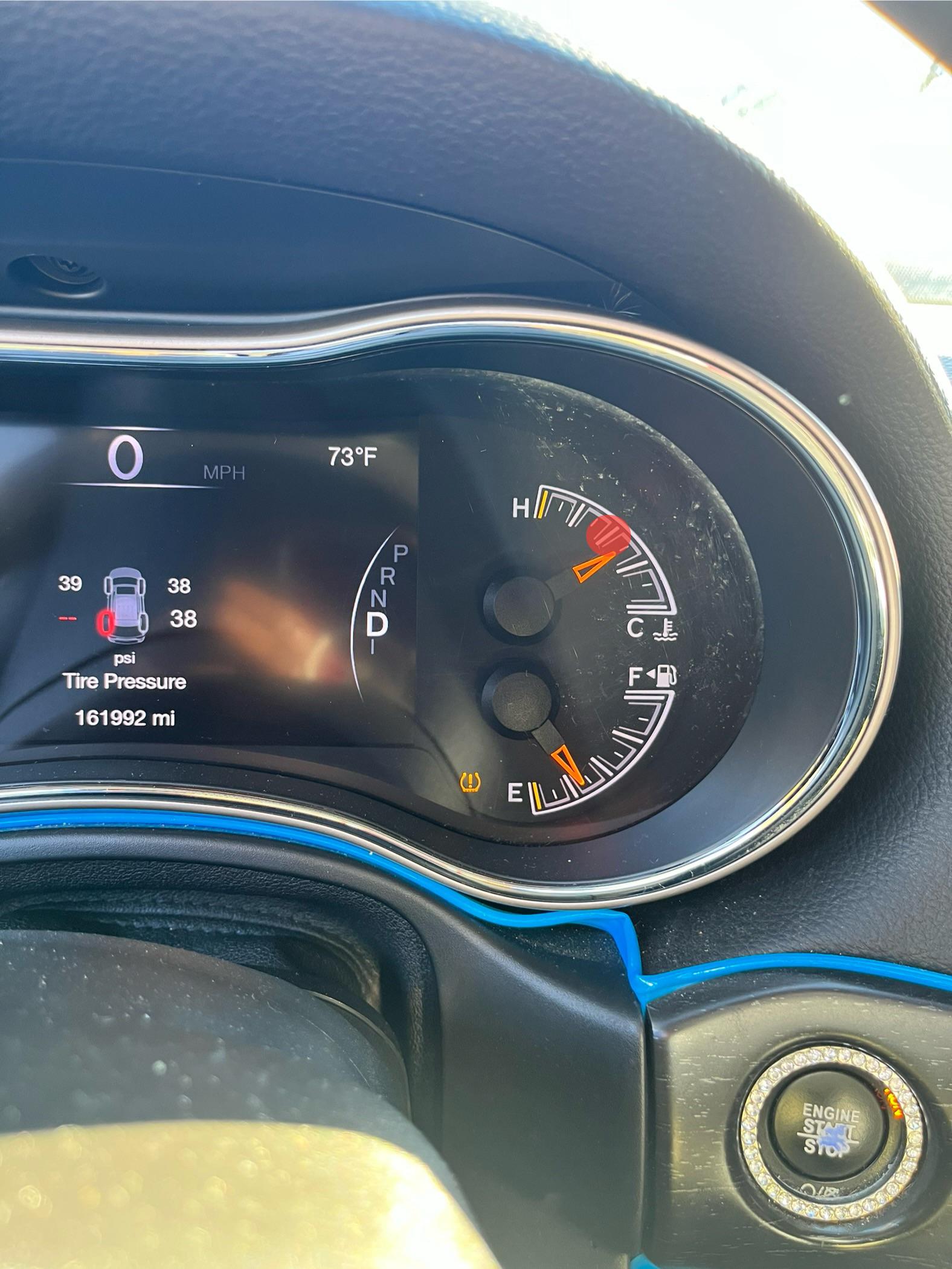
- Watch for dashboard warning lights and don’t ignore them.
Here’s how often to check key parts:
| Part | Check Interval |
|---|---|
| Coolant | Every 2 years |
| Hoses | Every oil change |
| Radiator | Annually |
| Thermostat | Every 40,000 miles |
| Water Pump | Every 60,000 miles |
When To Visit A Mechanic
Some problems are easy to fix, like topping up coolant. Others need a mechanic. If you notice white smoke, milky oil, or repeated overheating, visit a shop right away. Delaying repairs can cost thousands in engine damage.
According to Consumer Reports, cooling system repairs are one of the most common Jeep Grand Cherokee issues. Early action saves money and stress.
Frequently Asked Questions
Why Does My Jeep Overheat Only In Traffic?
This usually means the radiator fan is not working well. Without airflow from driving, the engine depends on the fan to stay cool.
Can A Bad Thermostat Cause Overheating?
Yes. A stuck thermostat prevents coolant from flowing, making the engine overheat even on short trips.
Is It Safe To Drive With Low Coolant?
No. Low coolant can cause quick overheating and severe engine damage. Always fill it before driving.
How Do I Know If The Head Gasket Is Blown?
Look for white smoke from the exhaust, milky oil, and loss of coolant with no visible leaks. These are clear signs.
What Coolant Type Should I Use?
Use the recommended coolant in your owner’s manual. Using the wrong type can cause corrosion and blockages.
Dealing with overheating in your Jeep Grand Cherokee can be stressful, but knowing the causes and solutions gives you control. Regular checks and maintenance prevent most problems. If you notice warning signs, act quickly. With the right care, your Jeep will stay reliable for many miles.