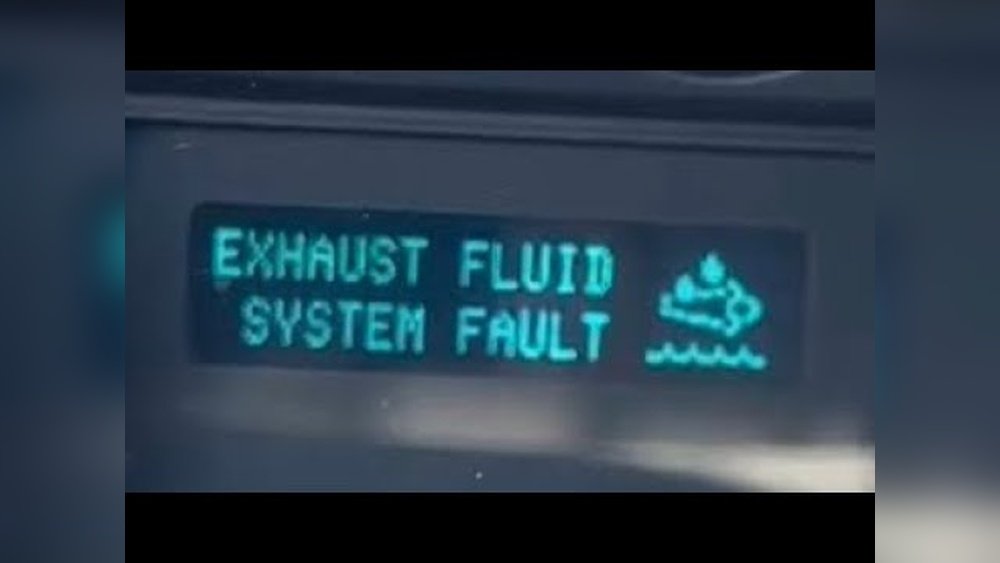
If you park your Jeep Grand Cherokee and notice a dark spot under the engine, you might feel worried. Oil leaks are common in many vehicles, but when it happens to your Jeep Grand Cherokee, it's important to understand why.
Ignoring an oil leak can lead to bigger problems, from engine damage to fire hazards. By learning the common causes and what to do next, you can keep your Jeep running smoothly and avoid expensive repairs.
What Causes Oil Leaks In A Jeep Grand Cherokee?
Oil leaks can happen for many reasons, some simple and some serious. Here are the most common causes:
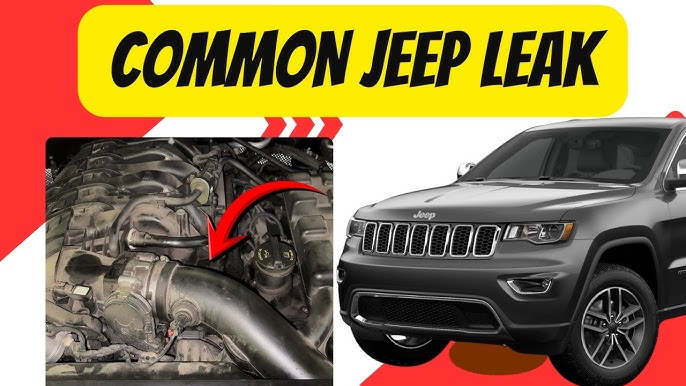
1. Worn Gaskets Or Seals
The engine has several gaskets and seals that keep oil in its place. Over time, these rubber or silicone parts can become hard, crack, or shrink. The valve cover gasket, oil pan gasket, and rear main seal are frequent trouble spots. When they fail, oil can drip onto your driveway.
2. Loose Or Damaged Oil Filter
After every oil change, the oil filter must be installed correctly. If it is loose, cross-threaded, or has a damaged rubber gasket, oil can escape.
Sometimes, an old gasket sticks to the engine and creates a poor seal with the new filter.
3. Faulty Oil Pan Or Drain Plug
The oil pan sits at the bottom of your engine. If it is struck by a rock or curb, it can crack or get a hole. The drain plug—used during oil changes—can also become stripped or lose its seal, causing slow leaks.
4. Cracked Engine Block Or Cylinder Head
This is rare but serious. If the engine overheats badly, the metal can crack, allowing oil to seep out. Such leaks are often expensive to repair.
5. Pcv Valve Problems
The positive crankcase ventilation (PCV) valve helps manage engine pressure. If it gets blocked, pressure can build up and force oil past gaskets and seals.
6. Old Or Incorrect Oil
Oil that is too old or the wrong type can break down and fail to lubricate or seal properly, which may worsen leaks.
Where Do Leaks Usually Start?
Different Jeep Grand Cherokee models and years have known weak spots. Here’s a comparison of leak-prone areas in various models:
| Model Year | Common Leak Area | Typical Repair Cost |
|---|---|---|
| 2011-2013 | Valve Cover Gasket | $200–$400 |
| 2014-2017 | Oil Filter Housing | $350–$600 |
| 2018-2021 | Oil Pan Gasket | $300–$500 |
Most leaks start around the engine or underneath the car. Check for oil stains below the front bumper. If you see oil near the transmission, it could be a rear main seal leak.
Signs Your Jeep Is Leaking Oil
Knowing what to look for can help you spot an oil leak early. Here are some key signs:
- Dark, wet spots under the engine after parking
- Low oil level on the dipstick between changes
- Burning oil smell while driving or after stopping
- Smoke from the engine bay, usually from oil dripping on hot parts
- Oil warning light on the dashboard
If you notice any of these, take action soon. Running your Jeep with low oil can cause severe engine damage.
How To Find The Source Of The Leak
Finding an oil leak isn’t always easy. Here are steps you can follow:
1. Check The Oil Level
Use the dipstick to see if your oil is low.
2. Look For Visible Drips
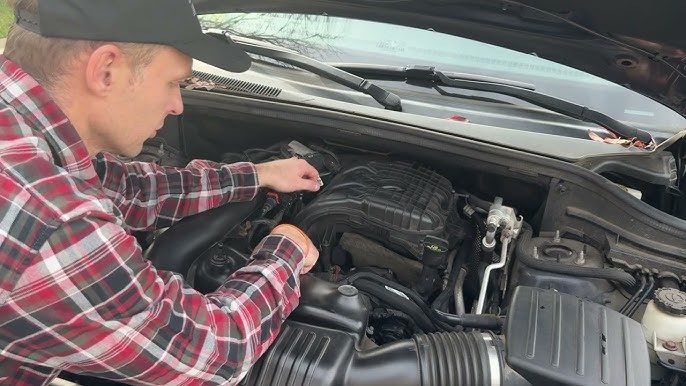
Use a flashlight to inspect under the engine, around the oil pan, and near the valve covers.
3. Clean The Area
Wipe the engine and surrounding parts with a rag, then run the engine for a short time. New oil should show up at the leak source.
4. Check Gaskets And Seals
Look for wet, shiny spots around gaskets. Gaskets that are dry and dirty are usually fine.
5. Use Uv Dye
Add a special dye to your oil (available at auto parts stores), then use a UV light to trace the leak.
Sometimes, the oil spreads to areas far from the actual leak. For example, oil dripping from the back of the engine might come from a valve cover on top.
How Serious Is An Oil Leak?
Not all oil leaks are urgent, but none should be ignored. Here’s a quick guide:
| Leak Size | Risk Level | Action Needed |
|---|---|---|
| Small drip (few drops/day) | Low | Monitor and schedule repair |
| Puddle (teaspoon or more) | Medium | Repair soon |
| Large loss (oil light on) | High | Stop driving, tow to shop |
If you notice a burning smell, smoke, or your oil light is on, stop driving right away.
Can You Fix An Oil Leak Yourself?
Some minor leaks can be fixed at home, especially if you have basic tools. Here are examples:
- Tighten the oil filter or drain plug if they are loose.
- Replace the oil cap if it’s missing or cracked.
- Change simple gaskets like the valve cover.
However, leaks from the rear main seal, oil pan, or timing cover often need a mechanic. These repairs can be complex and require lifting the engine or removing many parts.
How To Prevent Oil Leaks
You can reduce the chance of oil leaks with good habits:
- Change your oil and filter on time.
- Use the correct oil grade for your Jeep.
- Inspect for leaks during every oil change.
- Replace worn gaskets and seals before they fail.
- Avoid over-tightening the drain plug or oil filter.
A surprising tip: If you drive short trips often, your engine may not get hot enough to burn off moisture. This can cause gaskets to wear out faster. Try to take longer drives sometimes to keep your engine healthy.
Frequently Asked Questions