If you own a Jeep and notice that the fan is extremely loud, you are not alone. Many Jeep owners, from the daily commuter to the off-road enthusiast, have experienced this sudden roar from under the hood.
Sometimes it sounds like a jet engine or a heavy-duty truck.
But why does this happen, and is it something you should worry about? Understanding the reasons can help you decide what action to take and when professional help is needed.
Common Reasons For A Loud Jeep Fan
Several factors can cause your Jeep’s fan to become noisy. Some are normal, while others might signal a problem.
1. Engine Cooling Demands
When your engine gets hot, the fan kicks in to cool it down. If you are idling for a long time, driving in traffic, or towing a trailer, the fan may work overtime. Jeep models are designed for tough conditions, so their fans are powerful—and sometimes that means loud.
2. Mechanical Fan Clutch Engagement
Many Jeeps, especially older or off-road models, use a mechanical fan clutch. This part connects the fan to the engine. When the engine heats up, the clutch fully engages, making the fan spin faster and louder. This is most noticeable right after starting the engine or during heavy acceleration.
3. Electric Fan Operation
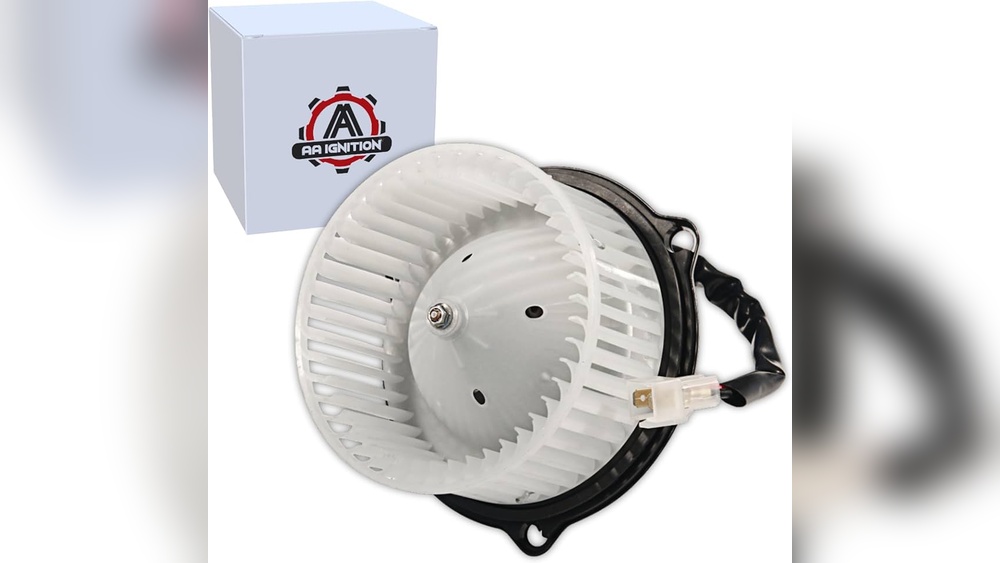
Newer Jeeps usually have electric radiator fans. When the temperature sensor detects high heat, the fan turns on at full speed. This can create a sudden, loud noise, especially if your Jeep has a high-output cooling system.
4. Dirt, Debris, Or Damaged Blades
Sometimes, dirt or debris gets trapped in the fan or shroud. This makes the fan unbalanced and noisy. Damaged or bent fan blades can also cause a loud, vibrating sound.
5. Faulty Fan Clutch Or Motor
A worn-out fan clutch or electric fan motor can make grinding, whining, or roaring noises. If the noise stays even after the engine cools down, a failing part might be to blame.
6. Cooling System Problems
Issues like a bad thermostat, clogged radiator, or low coolant can make the fan run more often and louder. The fan works harder to keep the engine safe, which increases noise.
How Loud Is Normal? Jeep Fan Noise Compared
Jeep fans are often louder than those in smaller cars, but how loud is “too loud”? Here’s a quick comparison of fan noise levels you might notice:
| Vehicle Type | Typical Fan Noise (Decibels) | When Most Noticeable |
|---|---|---|
| Compact Car | 50-60 dB | Engine hot, AC on |
| Standard SUV | 60-70 dB | Heavy traffic, towing |
| Jeep Wrangler (4.0L) | 70-80 dB | Startup, off-road, high temp |
Noise above 80 dB (similar to a vacuum cleaner) is usually too loud. If your Jeep’s fan sounds like a jet or drowns out normal conversation, something may be wrong.
Diagnosing A Loud Fan: What To Check
If your Jeep’s fan is louder than usual, here are practical steps to find the cause:
- Check for debris: Look for sticks, leaves, or mud around the fan and radiator.
- Inspect the fan blades: Make sure none are cracked or bent.
- Watch the fan clutch: With the engine off and cool, try spinning the fan by hand. If it spins freely with no resistance or wobbles, the clutch might be worn.
- Listen for odd sounds: Squealing or grinding can mean a failing bearing or motor.
- Monitor temperature: If the fan runs constantly, check your temperature gauge for signs of overheating.
A basic inspection can save you time and money. If you are unsure, a mechanic can quickly identify the issue.
When Is A Loud Fan A Problem?
A loud fan is sometimes normal, but there are warning signs you should never ignore:
- Fan stays loud after engine warms up
- Unusual smells (burning or sweet coolant)
- Engine overheats despite loud fan
- Warning lights on the dashboard
- Fan noise suddenly increases
If any of these happen, stop driving and check your vehicle. Persistent issues can damage your engine or cooling system.
Real-world Examples: Jeep Models And Fan Noise
Different Jeep models have different cooling setups. Here’s how some popular models compare:
| Jeep Model | Fan Type | Common Fan Noise Issues |
|---|---|---|
| Wrangler TJ (1997-2006) | Mechanical | Loud at startup, clutch failure |
| Wrangler JK (2007-2018) | Electric | Loud at high temp, debris |
| Grand Cherokee (2011+) | Electric | Fan relay failure, constant running |
Knowing your Jeep’s setup helps you understand what is normal and what needs attention.
Preventing Excessive Fan Noise
You can keep your Jeep’s fan quieter and healthier with some easy steps:
- Clean the radiator and fan area regularly
- Replace coolant as recommended
- Check belts and hoses for wear
- Inspect the fan clutch and motor at every oil change
Many owners forget to clean the radiator fins or check the fan’s tightness. These small steps can prevent big problems later.

Non-obvious Insights
- Aftermarket parts: Some replacement fans or clutches are cheaper but much louder than factory parts. Always check reviews or ask a mechanic before installing non-original parts.
- Altitude and climate: In high-altitude or very hot areas, your Jeep’s fan may run louder and longer. The cooling system works harder to keep the engine safe.
Frequently Asked Questions
What Is The Main Reason My Jeep’s Fan Is So Loud?
The most common cause is the fan clutch engaging when the engine is hot. This is normal in Jeeps, especially after starting the engine or during hard driving.
Is A Loud Fan Dangerous To My Jeep?
A loud fan is usually not harmful if it is working as designed. However, if the noise is new, has changed, or is joined by overheating, get it checked soon.
Can I Drive With A Loud Jeep Fan?
If the noise is steady and the engine stays cool, you can drive. But if you notice overheating, warning lights, or a sudden change in noise, stop and inspect before continuing.
How Much Does It Cost To Fix A Loud Jeep Fan?
Costs depend on the cause. Cleaning debris is free, while replacing a fan clutch or motor can cost $150 $400 for parts and labor.
Where Can I Learn More About Jeep Cooling Systems?
For detailed guides and technical info, visit the official Jeep website.
A loud fan in your Jeep can be annoying, but it often means your cooling system is doing its job.
By understanding the common causes, checking for obvious problems, and acting on warning signs, you can keep your Jeep running smoothly and quietly for years to come.