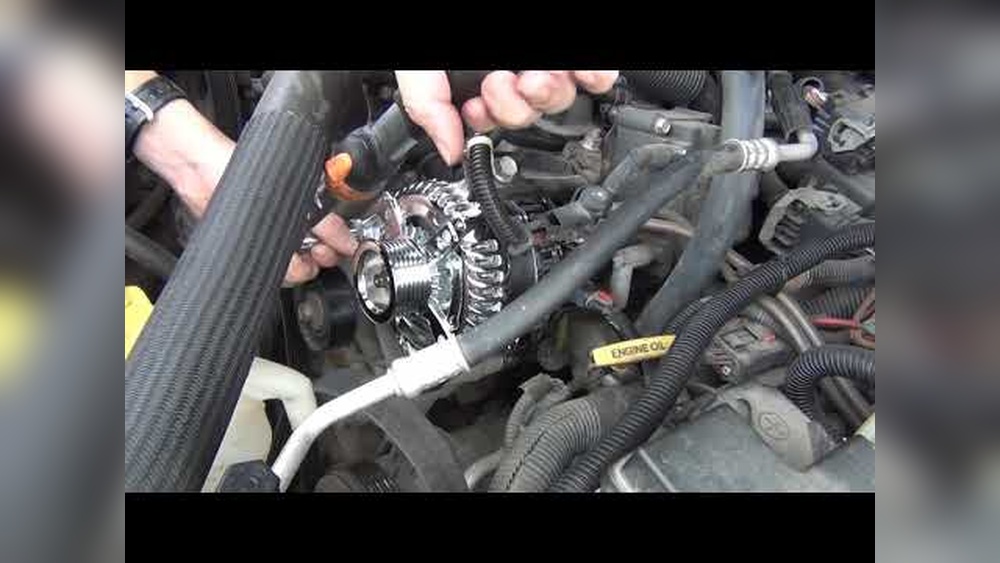
If your Jeep Cherokee is sputtering, it can feel worrying and confusing. Sputtering means your SUV’s engine is running unevenly, shaking, or making odd noises.
Sometimes, you may notice jerking, poor acceleration, or even stalling. This issue isn’t just annoying—it could mean bigger problems are starting.
Understanding why your Jeep Cherokee sputters is key to fixing it fast and keeping your vehicle reliable.
Common Causes Of Sputtering In Jeep Cherokee
Several factors can make your Jeep Cherokee sputter. Here’s a breakdown of the most frequent reasons:
1. Bad Spark Plugs
Spark plugs ignite fuel in your engine. If they are worn out or dirty, they don’t spark well. This leads to misfiring and engine sputtering. Most spark plugs last between 30,000 and 100,000 miles, but rough driving or poor maintenance can shorten their life.
2. Clogged Fuel Injectors
Fuel injectors deliver gasoline to the engine. If they get blocked by dirt or old fuel, the engine won’t receive enough fuel. This causes sputtering, especially when accelerating. Regular fuel system cleaning helps prevent this.
3. Dirty Air Filter
The air filter stops dust and debris from entering the engine. A clogged filter restricts airflow, upsetting the balance between air and fuel. As a result, the engine sputters and may lose power.
4. Failing Ignition Coil
Ignition coils send electricity to spark plugs. If a coil is faulty, spark plugs won’t work properly. This leads to engine hesitation and sputtering, especially during acceleration.
5. Low Fuel Pressure
If your fuel pump or fuel pressure regulator is weak, your Cherokee’s engine won’t get enough fuel. Low fuel pressure means sputtering, stalling, or slow starting. You might also notice the engine cutting out when you press the gas pedal hard.
6. Vacuum Leaks
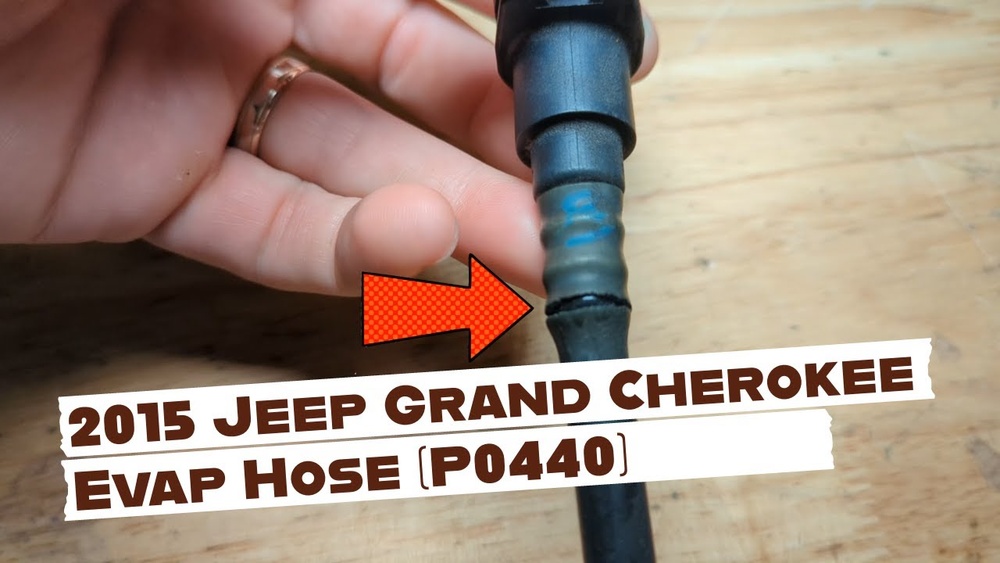
A vacuum leak happens when air enters the engine where it shouldn’t. This upsets the air-fuel mix and causes sputtering. Common sources include cracked hoses or loose intake manifold gaskets.
7. Faulty Mass Air Flow Sensor
The mass air flow (MAF) sensor measures how much air enters your engine. If it’s dirty or broken, the engine control unit (ECU) can’t mix fuel correctly. Symptoms include sputtering, rough idling, and poor fuel economy.
How To Diagnose Sputtering Issues
Diagnosing the cause of sputtering is easier if you know what to look for. Here’s a practical way to check:
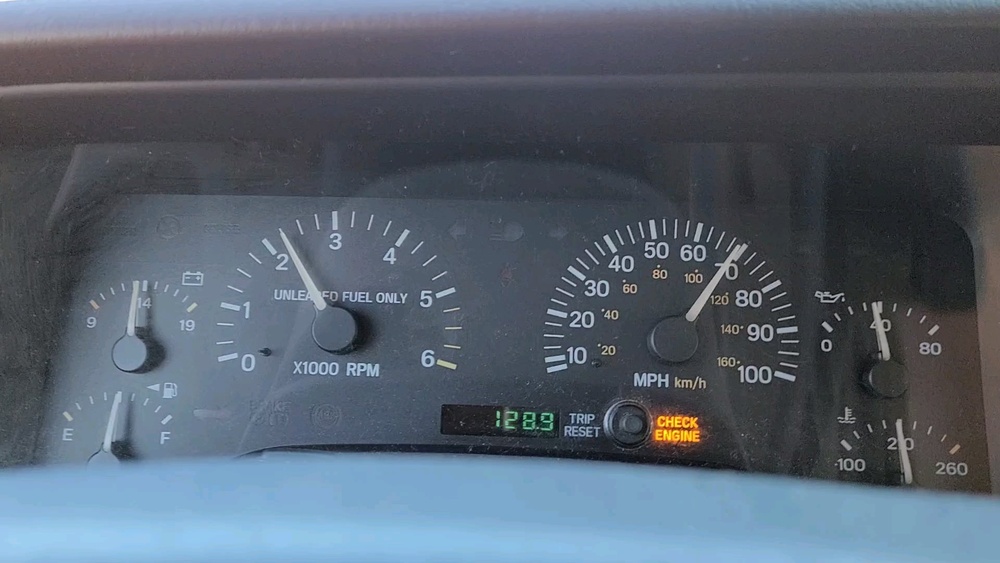
- Check dashboard lights: Is the check engine light on? This can help narrow down the problem.
- Listen and observe: Does the sputtering happen at idle, while driving, or only during acceleration?
- Inspect spark plugs: Remove and look at them. Are they dirty, oily, or worn?
- Look at air filter: If it’s dark or clogged, replace it.
- Test fuel pressure: You can use a fuel pressure gauge or ask a mechanic.
- Scan with OBD-II tool: Plug this device under the dashboard. It will show trouble codes.
Here’s a quick comparison of symptoms and their likely causes:
| Symptom | Possible Cause | Check First |
|---|---|---|
| Sputtering at idle | Vacuum leak, spark plugs | Inspect hoses, plugs |
| Sputtering during acceleration | Fuel injectors, ignition coil | Fuel system, coils |
| Loss of power | Air filter, MAF sensor | Check filter, clean sensor |

Fixes For Jeep Cherokee Sputtering
Once you know the cause, fixing sputtering is often straightforward:
- Replace spark plugs and ignition coils: This is affordable and can be done at home with basic tools.
- Clean or replace air filter: Usually costs under $30 and takes minutes.
- Clean fuel injectors: You can use fuel additives or professional cleaning.
- Repair vacuum leaks: Find and replace cracked hoses or gaskets.
- Test and replace MAF sensor: Cleaning can fix minor issues, but replacement may be needed.
- Check fuel pump and pressure regulator: Mechanics can test and replace these parts.
Here’s a table showing typical repair costs:
| Repair | Estimated Cost | Difficulty |
|---|---|---|
| Spark plugs | $40-$120 | Easy |
| Fuel injector cleaning | $60-$150 | Medium |
| Ignition coil replacement | $100-$300 | Medium |
| Vacuum leak repair | $70-$200 | Medium |
| MAF sensor replacement | $90-$230 | Medium |
Jeep Cherokee Model Differences
The Cherokee has changed over the years. Sputtering can be more common in older models due to age and wear. Here’s a quick comparison:
| Model Year | Common Sputter Cause | Notes |
|---|---|---|
| 1998-2004 | Vacuum leaks, worn plugs | Rubber hoses degrade |
| 2014-2020 | Fuel injector, MAF sensor | Electronic parts fail |
| 2021+ | Software issues, fuel system | Update ECU firmware |

Preventing Sputtering In Your Jeep Cherokee
Routine care keeps your Cherokee running smoothly. Here are smart steps to prevent sputtering:
- Change spark plugs as recommended.
- Replace air filter every 12,000–15,000 miles.
- Use quality fuel to avoid deposit buildup.
- Clean fuel injectors every 30,000 miles.
- Inspect vacuum hoses for cracks each year.
- Check sensors during regular service.
A non-obvious tip: Many Jeep owners ignore minor engine hesitations. Small sputters can signal early trouble. Fixing them early avoids expensive repairs later.
Another insight: If you drive in dusty areas, change your air filter more often. Dust can clog filters quickly and increase sputtering risk.
Frequently Asked Questions