Owning a Jeep Cherokee is an adventure. The powerful engine, rugged build, and off-road capabilities make it a favorite among SUV drivers. But many owners ask, “Why is my Jeep Cherokee so loud?” The answer isn’t simple—several factors can cause your Cherokee to produce more noise than expected. Sometimes, it’s normal. Other times, it signals a problem. Understanding the reasons can help you fix issues early, improve comfort, and even extend your Jeep’s life.
Main Reasons Your Jeep Cherokee Is Loud
Noise in your Jeep Cherokee can come from different sources. Some are easy to fix, while others need professional help. Let’s look at the most common causes.
Engine And Exhaust System
A strong engine produces more sound, especially when accelerating. But if you hear excessive engine noise, it might be a warning.
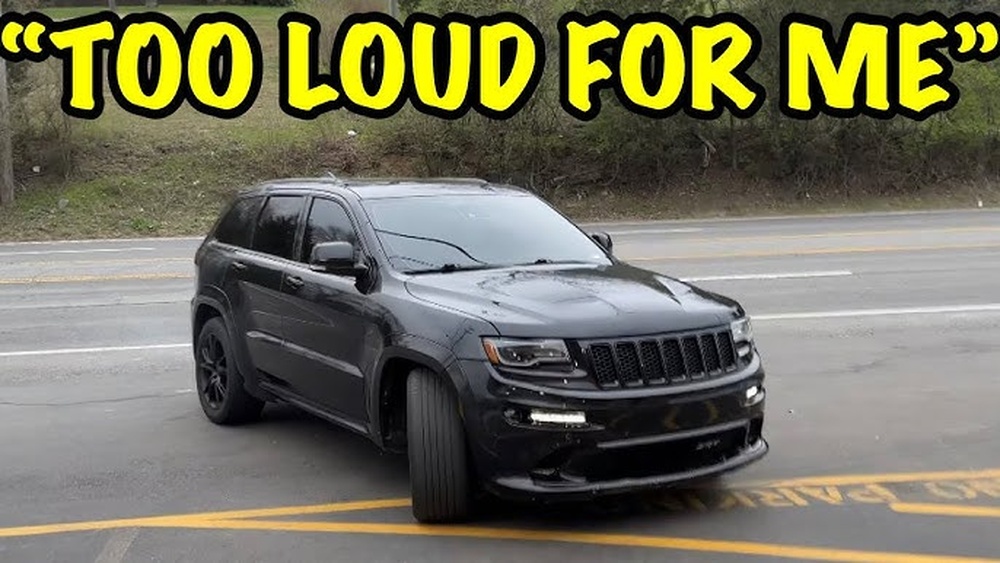
- Exhaust leaks: A hole or crack in the exhaust pipe or muffler can make your Cherokee roar. This is more common in older models or those used off-road.
- Loose parts: Exhaust clamps or brackets can loosen, letting vibrations create rattling sounds.
A healthy exhaust should sound deep but not harsh. Compare this typical noise:
| Condition | Engine Sound |
|---|---|
| Normal | Low, steady rumble |
| Exhaust Leak | Loud, harsh roar |
| Loose Muffler | Metallic rattle |
Tires And Wheels
Jeep Cherokees often use all-terrain tires. These tires are louder, especially on highways.
- Tire tread: Deep, aggressive tread patterns grip dirt but create more road noise.
- Wheel bearings: Worn bearings can produce humming or grinding sounds.
Compare tire types and their noise levels:
| Tire Type | Noise Level | Best For |
|---|---|---|
| All-Terrain | High | Off-Road |
| Highway | Low | City/Highway |
| Winter | Medium | Snow/Ice |
Suspension And Underbody
The Cherokee’s suspension system is made for rough terrain. But damaged or worn parts can create clunks, squeaks, or thuds.
- Loose shocks/struts: These absorb bumps. If worn, you’ll hear noise over every pothole.
- Bushings: Rubber bushings can dry out or crack, causing creaking.
A common mistake is ignoring small suspension noises. They often get worse and cost more to fix later.
Interior And Cabin Noise
Cherokees are not luxury SUVs, so cabin noise is higher.
- Wind noise: Gaps in window seals or roof racks increase wind sounds at speed.
- Plastic panels: Interior trim pieces sometimes vibrate or rattle, especially after years of use.
Modern Cherokees use better sound insulation, but older models or those with modifications may be louder.
Is Loudness Normal For Jeep Cherokees?
Jeep Cherokees are designed to be tough. That toughness comes with more noise, especially compared to sedans or luxury SUVs. Here’s a quick comparison:
| Vehicle Type | Average Cabin Noise (dB) | Comfort Level |
|---|---|---|
| Jeep Cherokee | 70–74 | Medium |
| Luxury SUV | 60–65 | High |
| Sedan | 58–62 | Very High |
If your Cherokee is louder than these typical values, it’s worth investigating.

How To Reduce Noise In Your Jeep Cherokee
If you want a quieter ride, try these practical solutions:
- Check exhaust system: Look for leaks, holes, or loose parts. Repair or replace as needed.
- Switch tires: Choose tires with less aggressive tread if you mostly drive on pavement.
- Inspect suspension: Fix worn shocks, struts, or bushings quickly.
- Seal windows and doors: Replace old weatherstripping to cut wind noise.
- Add insulation: Install sound-deadening mats under carpets or door panels.
One insight many beginners miss: tire pressure can affect noise. Overinflated tires create more vibration and sound.
When Should You Worry About Jeep Cherokee Noise?
Not all noise means trouble. But pay attention if:
- The noise suddenly increases
- You hear grinding, knocking, or metal-on-metal sounds
- The sound changes with speed or when turning
These signs often point to mechanical issues like wheel bearings, CV joints, or exhaust problems. Fixing them early prevents bigger repairs and keeps you safe.
Real Owner Experiences
Many Jeep Cherokee owners report loudness, especially after changing tires or adding roof racks. One owner said, “After installing bigger tires, my Cherokee sounded like a truck on the highway.
” Another found that replacing worn bushings reduced cabin noise by half.
It’s helpful to join forums or read reviews from other owners. For example, you can visit the official Jeep Cherokee page for specifications and community support.
Frequently Asked Questions
Why Does My Jeep Cherokee Sound Louder Than Before?
A sudden increase in noise often comes from exhaust leaks, worn suspension, or tire changes. Check for visible damage and listen for new rattles or hums.
Can Changing Tires Make My Cherokee Quieter?
Yes. Switching from all-terrain tires to highway or touring tires usually lowers road noise. Also, keeping tires balanced and properly inflated helps.
Is Loudness Dangerous In A Jeep Cherokee?
Some noise is normal, but loud grinding, knocking, or squealing sounds can signal serious issues. Don’t ignore these—they may affect safety.
How Can I Reduce Wind Noise In My Cherokee?
Check and replace door seals and window weatherstripping. Removing roof racks or crossbars can also help, since they create turbulence.
Do Newer Jeep Cherokees Have Less Cabin Noise?
Yes. Recent models use better sound insulation and improved sealing. However, tire choice and road conditions still affect noise levels.
Your Jeep Cherokee’s loudness might be normal, or it could be a sign of a problem. By understanding the causes and solutions, you’ll enjoy your ride more and keep your Cherokee running strong.
Don’t ignore new noises catching issues early saves money and stress.