If you see your Jeep Cherokee’s temperature needle rising, it’s more than just a small problem. Overheating can ruin your engine if you ignore it. Many drivers wonder why this happens, especially if their car seemed fine the day before. Understanding the common causes can help you act before damage gets worse.
Let’s dig into the reasons your Jeep Cherokee might be overheating, what you should check first, and how to prevent expensive repairs. Whether you drive a classic XJ or a modern KL, the basics of engine cooling are similar.
This guide will give you practical advice, real examples, and clear steps to help you stay on the road.
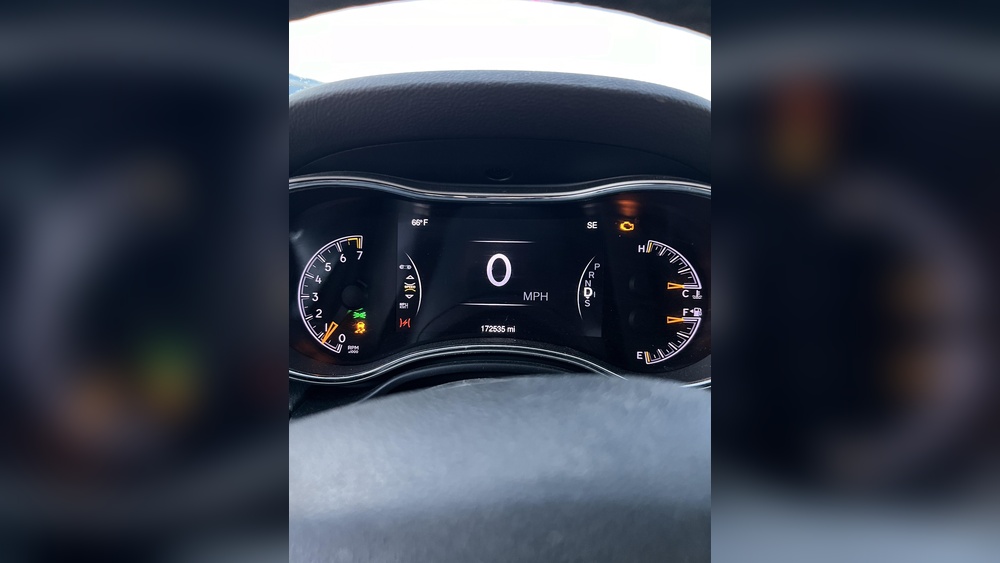
Main Causes Of Jeep Cherokee Overheating
Several issues can make your engine temperature climb. Some are easy to spot. Others need a closer look.
Low Coolant Level
Coolant (also called antifreeze) is vital for controlling engine heat. If the coolant is low, heat can’t escape, and the engine overheats.
Reasons for low coolant include:
- Leaks in hoses or radiator
- Cracked reservoir tank
- Faulty radiator cap
Even a small leak can slowly drop the level. If you see puddles under your Jeep or smell a sweet odor, check your coolant right away.
Faulty Thermostat
The thermostat controls how coolant flows through the engine. If it sticks closed, coolant can’t move, and the engine overheats quickly. A stuck-open thermostat makes the engine take longer to warm up, but doesn’t usually cause overheating.
Signs of a bad thermostat:
- Engine heats up too fast
- No heat from cabin vents (in winter)
- Coolant isn’t moving in the radiator
Broken Radiator Fan
Your radiator fan pulls air through the radiator, especially at low speeds or when stopped. If it fails, there’s not enough airflow to cool the engine.
Common causes:
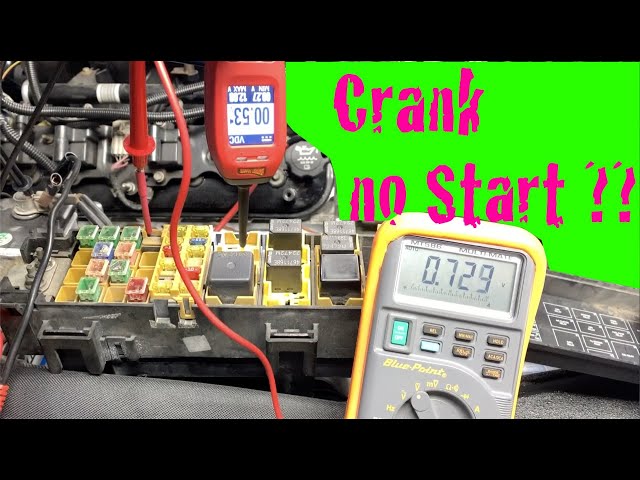
- Blown fan fuse or relay
- Failed fan motor
- Damaged wiring
Electric fans are common on modern Cherokees, while older models may use a mechanical fan. Both types can fail in different ways.
Clogged Radiator
A clogged radiator can’t transfer heat well. Dirt, rust, or scale inside the radiator block coolant flow, raising the temperature.
You might notice:
- Coolant that looks brown or rusty
- Reduced heater performance
- Uneven temperature across the radiator
Water Pump Failure
The water pump pushes coolant through the engine. If it fails, coolant can’t circulate, and the engine overheats. Water pumps can fail due to worn bearings, broken impellers, or leaks.
Watch for:
- Coolant leaks near the front of the engine
- Grinding or squealing noises
- Steam from under the hood
Head Gasket Issues
A blown head gasket is serious. It allows exhaust gas into the coolant or coolant into the engine. This causes rapid overheating and other problems.
Warning signs:
- White smoke from the exhaust
- Milky oil on the dipstick
- Bubbles in the coolant reservoir
Other Causes
- Air pockets in the cooling system after a repair
- Slipping serpentine belt
- Using the wrong type of coolant
How To Diagnose The Problem
Finding the exact cause saves time and money. Start with these steps:
- Check coolant level when the engine is cold. Top up if needed.
- Look for leaks around the radiator, hoses, and under the Jeep.
- Watch the temperature gauge while driving and idling.
- Turn on the heater. If no hot air comes out, coolant may not be flowing.
Here’s a simple comparison of symptoms and likely causes:
| Symptom | Most Likely Cause |
|---|---|
| Fast overheating at idle | Radiator fan failure |
| White smoke from exhaust | Head gasket problem |
| Low coolant, visible leaks | Leaky hose or radiator |
| Heater blows cold air | Low coolant or thermostat issue |
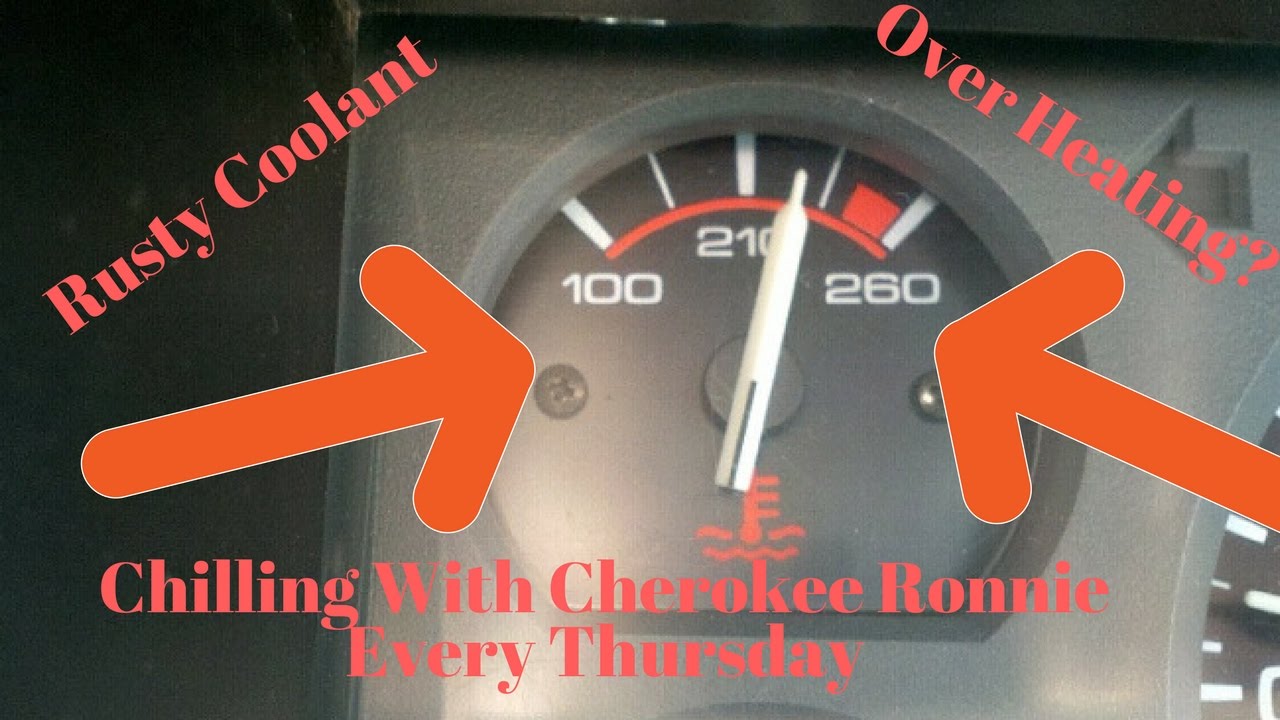
How To Prevent Overheating
Prevention is easier than repairs. Here’s what you can do:
- Check and top up coolant every few months
- Flush the cooling system every 2-3 years or per your manual
- Inspect hoses and belts for cracks or wear
- Replace the thermostat and radiator cap every 60,000 miles
- Never ignore the temperature warning light
Modern Cherokees have more electronic sensors, but the basics are the same. If you drive in hot climates or tow heavy loads, pay extra attention to cooling system health.
Real-world Data: Common Overheating Causes By Model Year
Cherokee owners often ask if their overheating issue is common for their Jeep’s age or model. Here’s a quick look at reports from drivers and mechanics:
| Model Year | Frequent Overheating Cause |
|---|---|
| 1997–2001 (XJ) | Clogged radiator, old hoses |
| 2002–2007 (KJ) | Thermostat failure, coolant leaks |
| 2014–2022 (KL) | Electric fan relay, sensor faults |
Not every Jeep will follow this pattern, but these are the most reported issues by year. If your Jeep is in one of these groups, check those parts first.
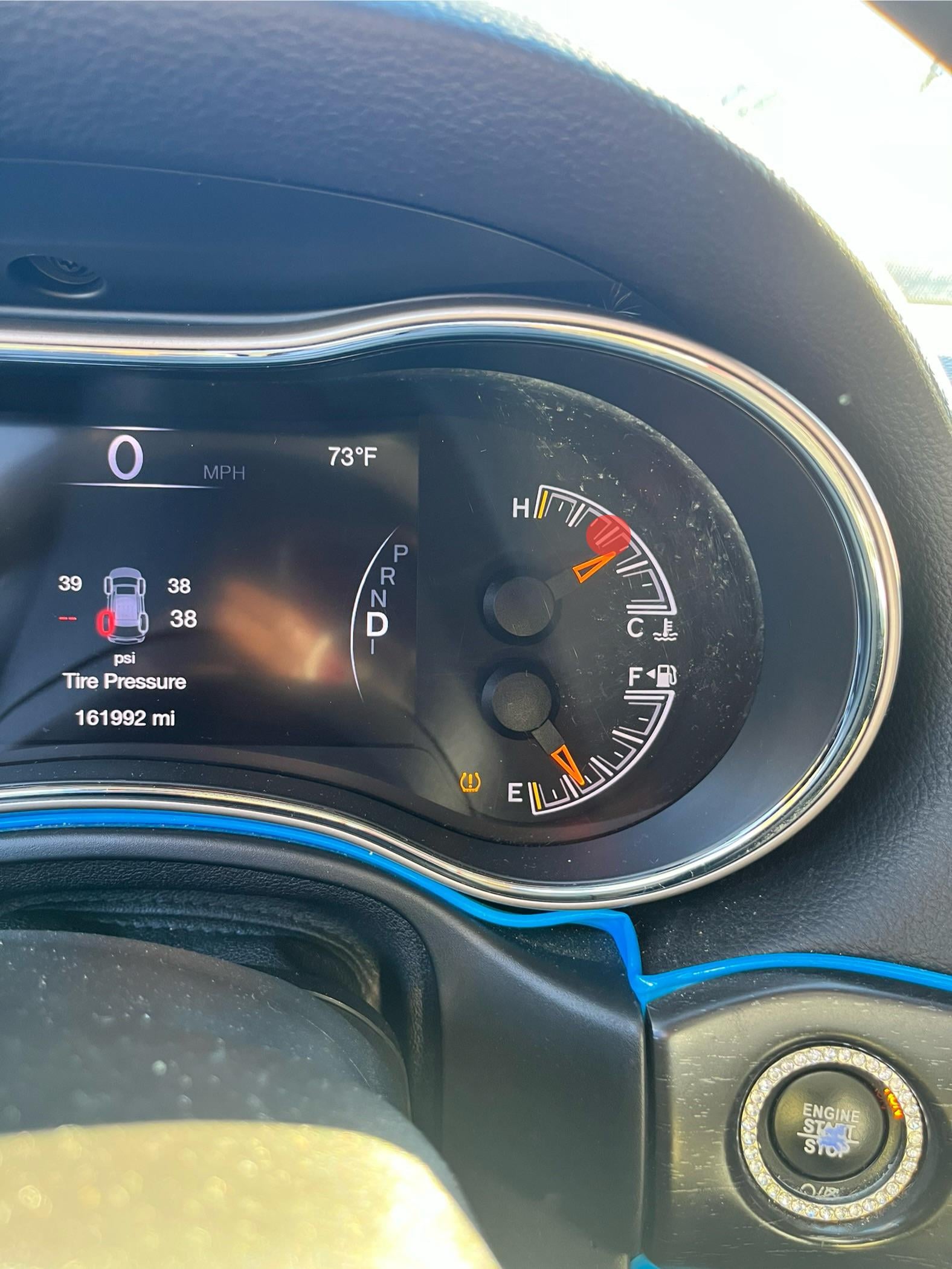
Two Insights Most People Miss
- Mixing coolant types can cause rust and blockages. Always use the type recommended in your manual. Mixing “green” and “orange” antifreeze creates sludge that blocks flow.
- After replacing parts, air pockets can get trapped in the system. Bleed the system properly, or your Jeep may still overheat even with all new parts. Many mechanics see this mistake with DIY repairs.
When To Seek Professional Help
If you’ve checked the basics and the problem remains, it’s time for a mechanic. Some issues, like a blown head gasket or internal leaks, need special tools to diagnose.
Don’t keep driving an overheating engine, or you risk a full engine failure.
You can find more technical details in the official Jeep Cherokee Wikipedia entry.
Frequently Asked Questions
<!– wp:rank-math/faq-block {"questions":[{"id":"faq-question-83706523d2b0","title":"Why Does My Jeep Cherokee Overheat Only When Idling?","content":"This often means the radiator fan isn’t working. At idle, there’s less airflow. If the fan is broken, the engine overheats quickly when stopped.
“,”visible”:true},{“id”:”faq-question-84a35f032fca”,”title”:”Can A Bad Thermostat Cause My Jeep To Overheat?”,”content”:”Yes. A stuck-closed thermostat blocks coolant, causing the engine to overheat. Replacing the thermostat is usually a simple fix.
“,”visible”:true},{“id”:”faq-question-8dcdf089c856″,”title”:”Is It Safe To Drive My Jeep If It’s Overheating?”,”content”:”No. Driving an overheating engine can cause serious damage like a cracked head or warped engine block. Pull over and let the engine cool.
“,”visible”:true},{“id”:”faq-question-004bb90d3336″,”title”:”How Do I Bleed Air From The Cooling System?”,”content”:”Open the bleeder valve (if equipped) or run the engine with the radiator cap off until air bubbles stop. Always do this with a cold engine to avoid burns.
“,”visible”:true},{“id”:”faq-question-f14669ff751f”,”title”:”What Coolant Should I Use In My Jeep Cherokee?”,”content”:”Use the coolant type listed in your owner’s manual. Most newer Cherokees use HOAT or OAT coolant. Mixing coolants can cause blockages.
A little attention to your Jeep Cherokee’s cooling system can save you from expensive repairs and keep your SUV running strong for years to come. Stay alert to the warning signs, and don’t ignore your temperature gauge.
“,”visible”:true}]} –>Why Does My Jeep Cherokee Overheat Only When Idling?
This often means the radiator fan isn’t working. At idle, there’s less airflow. If the fan is broken, the engine overheats quickly when stopped.
Can A Bad Thermostat Cause My Jeep To Overheat?
Yes. A stuck-closed thermostat blocks coolant, causing the engine to overheat. Replacing the thermostat is usually a simple fix.
Is It Safe To Drive My Jeep If It’s Overheating?
No. Driving an overheating engine can cause serious damage like a cracked head or warped engine block. Pull over and let the engine cool.
How Do I Bleed Air From The Cooling System?
Open the bleeder valve (if equipped) or run the engine with the radiator cap off until air bubbles stop. Always do this with a cold engine to avoid burns.
What Coolant Should I Use In My Jeep Cherokee?
Use the coolant type listed in your owner’s manual. Most newer Cherokees use HOAT or OAT coolant. Mixing coolants can cause blockages.
A little attention to your Jeep Cherokee’s cooling system can save you from expensive repairs and keep your SUV running strong for years to come. Stay alert to the warning signs, and don’t ignore your temperature gauge.