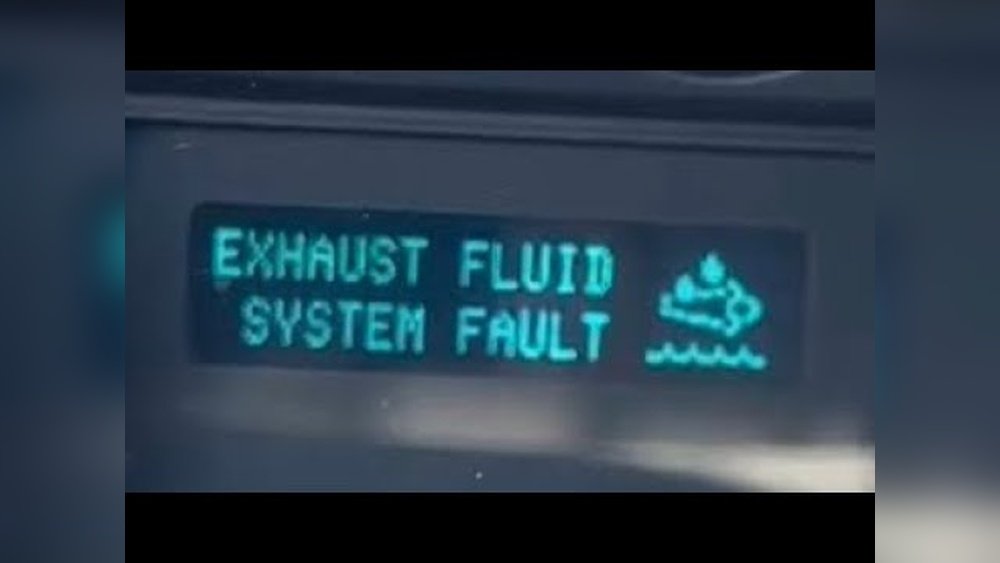
If your 2005 Jeep Grand Cherokee is overheating, you’re not alone. This model is known for reliable performance, but overheating can quickly turn a smooth drive into a stressful experience.
Overheating isn’t just annoying—it can cause serious engine damage if ignored. Understanding the reasons behind this problem helps you fix it faster and avoid costly repairs.
Common Causes Of Overheating
Several things can make your Jeep Grand Cherokee overheat. Let’s look at the most frequent reasons and how they affect your vehicle.
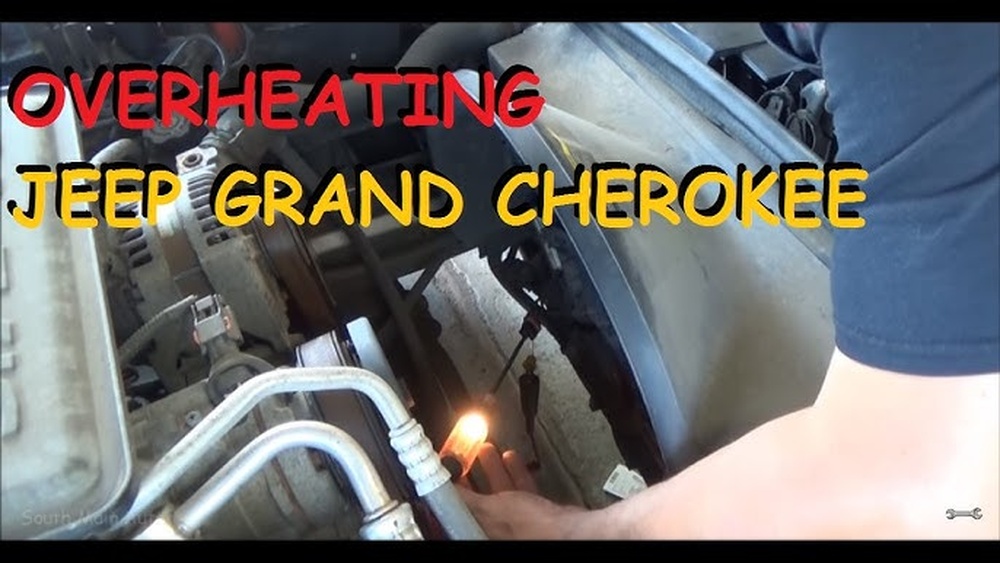
1. Low Coolant Level
The coolant absorbs heat from the engine and keeps the temperature stable. If the coolant is low, your engine can’t stay cool. Sometimes, leaks in hoses or the radiator cause coolant loss. Always check the coolant level first.
2. Thermostat Failure
The thermostat controls how much coolant flows through the engine. If it gets stuck closed, coolant can’t circulate, leading to overheating. This is a common issue in older vehicles like the 2005 Grand Cherokee.
3. Radiator Problems
The radiator is the heart of your cooling system. It releases heat from coolant into the air. Clogged radiators or damaged fins reduce cooling efficiency. Dirt, rust, or old coolant can block the radiator.
4. Water Pump Failure
The water pump moves coolant around the engine. If it stops working, coolant can’t reach hot areas, and the temperature rises fast. Watch for leaks or strange noises from the pump.
5. Cooling Fan Issues
The cooling fan pulls air through the radiator to help cool the engine. Electric fan motors or wiring can fail. Without the fan, your Jeep overheats especially in traffic or slow driving.
6. Head Gasket Leak
A head gasket seals the engine. If it leaks, coolant can mix with engine oil or escape, causing overheating. White smoke from the exhaust or a milky oil dipstick are warning signs.
7. Blocked Heater Core
The heater core transfers heat from coolant to warm your cabin. If it’s blocked, coolant flow reduces and the engine overheats. You may notice poor cabin heating, too.
8. Air In The Cooling System
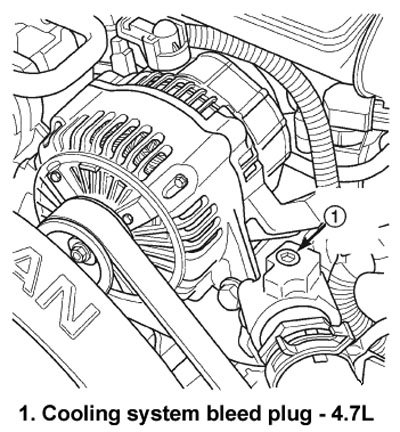
Trapped air pockets can stop coolant from circulating properly. After a repair or coolant refill, air sometimes gets stuck in hoses or the radiator. Bleeding the system fixes this.
9. Faulty Radiator Cap
The radiator cap keeps the cooling system sealed and pressurized. If it’s weak or damaged, coolant can boil and overflow. Check the cap for cracks or worn seals.
10. Bad Hose Connections
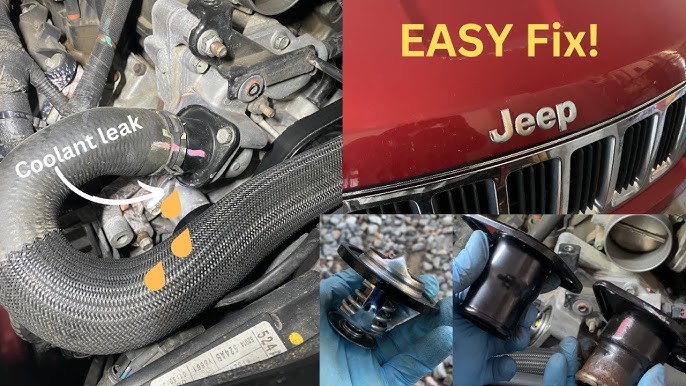
Cracked or loose hoses allow coolant to leak out. Sometimes, the hoses themselves are fine but clamps are loose. Look for wet spots or coolant puddles under your Jeep.
Signs Your Jeep Is Overheating
Your Jeep gives several warning signs before things get worse:
- Temperature gauge goes above normal
- Steam from the hood
- Sweet smell from leaking coolant
- Warning lights on the dashboard
- Engine runs rough or loses power
If you notice these, stop driving and let your engine cool.
How To Diagnose Overheating
Finding the cause saves time and money. Here’s what you can do:
- Check Coolant Level: Open the reservoir (when cool) and see if coolant is low.
- Inspect Radiator and Hoses: Look for leaks, cracks, or wet spots.
- Watch the Cooling Fan: With the engine running, the fan should turn on as it heats up.
- Test Thermostat: If the upper radiator hose stays cold after warming up, the thermostat may be stuck.
- Look for Head Gasket Signs: White smoke, milky oil, or bubbles in coolant are clues.
You can also ask a mechanic to run a pressure test or scan for error codes.
Prevention Tips
Keep your Jeep running smoothly with these simple steps:
- Check coolant every month
- Flush and refill coolant every 2 years
- Inspect hoses and radiator for damage
- Change thermostat and radiator cap when they show wear
- Listen for strange noises from the water pump
Many owners forget about the radiator cap. Replacing it every few years can prevent overheating.
Comparing Common Causes
Here’s how the main causes differ in symptoms and repair costs:
| Cause | Common Symptom | Approx. Repair Cost |
|---|---|---|
| Low Coolant | Coolant warning light | $20–$50 |
| Thermostat | Temperature spike | $100–$300 |
| Radiator | Leaking fluid | $300–$600 |
| Water Pump | Engine noise | $400–$800 |
| Head Gasket | White exhaust smoke | $900–$1,500 |
Real Owner Mistakes
Many owners make these mistakes:
- Ignoring small leaks—these turn into bigger problems.
- Using the wrong coolant type—the Jeep needs specific coolant, not just any brand.
- Overfilling coolant—too much can cause pressure issues.
It’s also common to forget that the cooling system must be “bled” after replacing parts. Air pockets can cause overheating even after repairs.
Data On Jeep Overheating
Surveys show about 18% of 2005 Jeep Grand Cherokees experience cooling issues after 100,000 miles. Most problems are linked to old radiators and water pumps.
Another interesting point: aftermarket thermostats tend to fail sooner than OEM parts. Spending a bit more upfront can save money later.
Replacement Parts Comparison
If you need parts, compare the options:
| Part | OEM | Aftermarket |
|---|---|---|
| Radiator | Better fit, longer life | Cheaper, may not fit well |
| Thermostat | Reliable | Less reliable |
| Water Pump | Quieter operation | Can be noisy |