If your 1999 Jeep Cherokee is overheating, you’re not alone. Many owners of this classic SUV face similar issues, especially as the vehicle ages.
Overheating can mean something simple or signal a bigger problem. Ignoring it can damage your engine, so it’s important to understand what’s happening, why it happens, and how to fix it.
This article breaks down the most common reasons, tells you what to look for, and gives you practical advice to get your Cherokee running cool again.
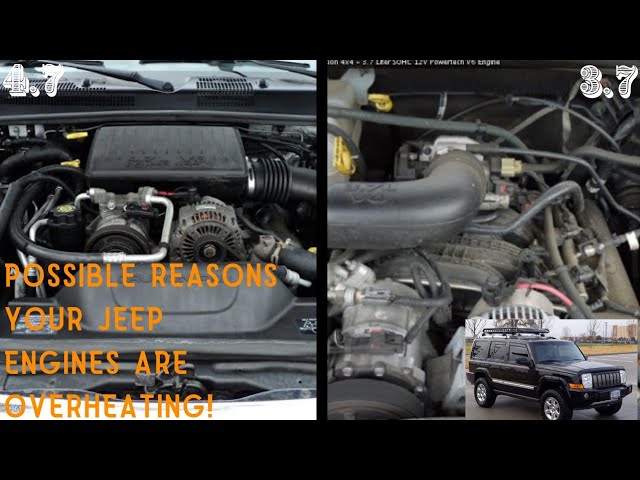
Common Causes Of Overheating In A 1999 Jeep Cherokee
Even though the 4.0L inline-six engine in the 1999 Cherokee is famous for its toughness, it has some weak spots when it comes to cooling.
1. Low Coolant Level
The coolant absorbs heat from the engine and sends it to the radiator to cool down. If the coolant is low, heat builds up quickly. Small leaks from hoses, the radiator, or the water pump often cause this.
What to check:
- Look for puddles under your Jeep after parking.
- Open the radiator cap (when cold) and check the level.
Tip: Always use the right coolant mix (usually 50/50 antifreeze and water).
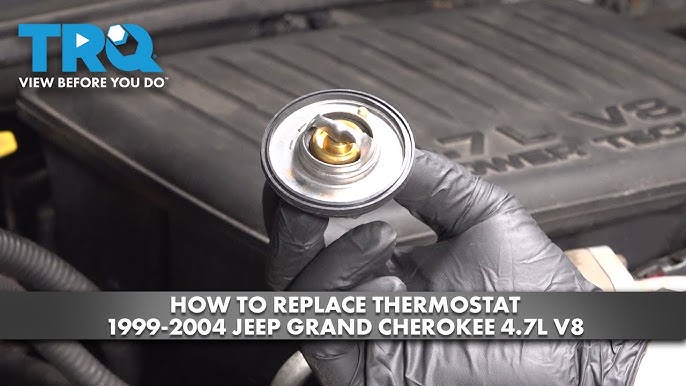
2. Faulty Thermostat
The thermostat controls when coolant flows through the radiator. If it sticks closed, your engine will overheat in minutes.
Symptoms:
- Temperature rises fast, then stays high.
- Heater may blow cold air.
Advice: If your thermostat is over 5 years old, replace it. It’s a cheap fix that often solves overheating.
3. Bad Radiator
Old radiators in Cherokees often get clogged by rust or debris. This stops the coolant from moving and cooling down.
Signs:
- Engine overheats at slow speeds or while idling.
- Radiator fins look damaged or full of dirt.
Insight: Replacing a radiator can lower engine temperature by 10–20°F, especially if the old one is blocked.
4. Failing Water Pump
The water pump moves coolant through the system. If it leaks or the impeller breaks, coolant won’t circulate.
Symptoms:
- Coolant leaks near the front of the engine.
- Whining noise from the pump area.
- Overheats more at higher RPM.
Tip: If you replace the pump, check the drive belt too.
5. Broken Electric Fan Or Fan Clutch
Your Jeep uses either a mechanical fan clutch or an electric fan (sometimes both). If they don’t work, airflow stops and heat rises, especially in traffic.
How to check:
- Listen for the fan engaging when hot.
- For electric fans, see if they turn on with the AC.
Common mistake: Replacing the fan without checking the relay or wiring first.
6. Clogged Heater Core
The heater core is like a mini-radiator inside your dashboard. If it gets clogged, it can block coolant flow.
Clues:
- Weak heat from vents.
- Wet carpets (if it’s leaking).
Tip: Flushing the heater core can often restore proper cooling.
7. Air In The Cooling System
Air pockets can stop coolant from moving. This is common after repairs or if coolant is added incorrectly.
Solution:
- Bleed the cooling system using the bleed screw.
- Run the engine with the radiator cap off (cold start only) to let bubbles escape.
8. Blown Head Gasket
A blown head gasket is serious. It lets hot exhaust gas enter the coolant, causing fast overheating.
Warning signs:
- White smoke from the exhaust.
- Milky oil or bubbles in the radiator.
- Quick overheating after short drives.
Fact: Overheating often damages the head gasket, so fixing small problems early prevents big ones.
9. Old Hoses And Belts
Cracked or soft hoses can collapse, blocking coolant flow. A loose belt can make the water pump or fan stop working.
Check:
- Squeeze hoses to feel for soft spots.
- Inspect belts for cracks or looseness.
Tip: Replace hoses and belts every 5 years, or sooner if you see wear.
10. Faulty Radiator Cap
The radiator cap keeps the system under pressure, raising the boiling point of coolant. A weak cap can let coolant escape as steam.
How to test:
- Look for steam or bubbling at the cap.
- Replace if it’s old or the rubber seal is cracked.
Non-obvious insight: Many overheating issues disappear after a $10 radiator cap swap.
Data: Typical Overheating Problems And Fixes
Here’s how common Cherokee overheating causes compare by cost and difficulty:
| Cause | Estimated Repair Cost | DIY Difficulty |
|---|---|---|
| Low Coolant | $10–$30 | Easy |
| Thermostat | $20–$50 | Easy |
| Radiator | $150–$300 | Medium |
| Water Pump | $50–$150 | Medium |
| Fan/Clutch | $40–$150 | Medium |
| Head Gasket | $1000–$2000 | Hard |
When Does Overheating Happen Most?
Your Jeep may overheat:
- In hot weather
- In stop-and-go traffic
- While towing or climbing hills
If it only happens in these situations, suspect airflow problems or a weak radiator.
How To Quickly Diagnose The Issue
- Check coolant level with a cold engine.
- Look for leaks, especially under the radiator and water pump.
- Squeeze hoses to feel for pressure.
- Watch the temperature gauge as you drive.
- Use a mechanic’s infrared thermometer to check for cold spots on the radiator.
Prevention Tips
- Flush the cooling system every 2–3 years.
- Replace the thermostat with every coolant change.
- Use the correct coolant type (not just water).
- Check fans and belts regularly.
Comparison: Mechanical Fan Clutch Vs. Electric Fan
| Feature | Mechanical Fan Clutch | Electric Fan |
|---|---|---|
| Activation | Engine RPM/Temperature | Temperature Sensor/AC |
| Common Failure | Clutch wears out | Relay/wiring issue |
| Repair Cost | $40–$100 | $70–$150 |
What Not To Do
- Don’t drive with a hot engine—this can ruin it.
- Don’t open the radiator cap when hot.
- Don’t ignore leaks, even small ones.
Pro Tip: Non-obvious Fix
Sometimes, replacing the overflow bottle (expansion tank) fixes weird overheating. Cracks in this plastic part can let air in, confusing the system.
Where To Get More Help
If you’ve checked the basics but your 1999 Jeep Cherokee still overheats, get a pressure test or a cooling system flush from a trusted mechanic. For more details about Jeep cooling systems, check the Wikipedia Jeep Cherokee page.
Frequently Asked Questions
Why Does My Cherokee Overheat Only In Traffic?
This usually means a fan problem or poor airflow through the radiator. Check the electric fan, relay, and radiator for blockages.
Is It Safe To Drive With The Heater On To Cool The Engine?
Yes, turning the heater to max can pull heat away, but it’s a short-term fix. Stop and fix the real problem as soon as possible.
How Do I Bleed Air From My 1999 Jeep Cherokee Cooling System?
Open the bleeder screw (if equipped) or run the engine with the radiator cap off (engine cold) until bubbles stop appearing.
What Temperature Should My Engine Run At?
Normal is 195°F to 210°F. Over 220°F means there’s likely a cooling issue.
Can A Bad Radiator Cap Cause Overheating?
Yes. A weak cap can’t keep pressure, so coolant boils sooner and escapes, causing overheating.
Keeping your 1999 Jeep Cherokee from overheating is about attention to detail and regular checks. With these tips, you’ll be ready to tackle most cooling problems and keep your classic SUV on the road for years to come.