If you own a Jeep Wrangler, you probably enjoy its rugged style and off-road abilities. But when the steering wheel shakes, it can quickly turn your adventure into a stressful drive.
This problem is common among Wrangler owners and can range from minor vibrations to a violent shake, often called the “death wobble.” Understanding the causes and solutions is essential for your safety and comfort.
Let’s explore why your steering wheel shakes and what you can do about it.
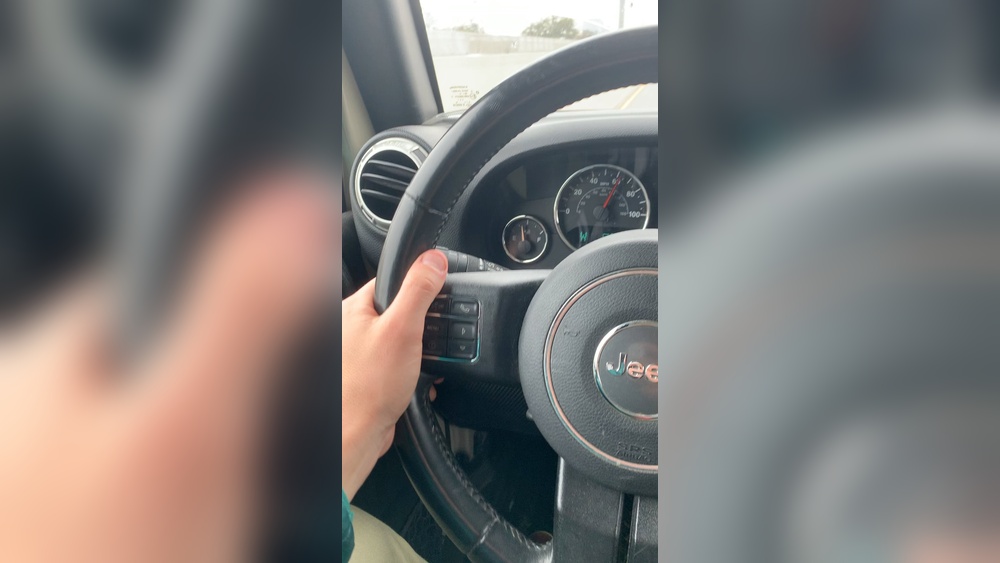
Common Causes Of Jeep Wrangler Steering Wheel Shake
A shaking steering wheel is not just annoying—it can signal a problem with your vehicle. Here are the main reasons for this issue:
1. Tire Problems
Uneven tire wear or unbalanced tires are the most frequent causes. When tires are not balanced or have worn tread, the steering wheel can vibrate at certain speeds.
- Example: If your tires have a flat spot or have lost balance weights, you may notice shaking between 45–60 mph.
- Data: According to tire manufacturers, up to 60% of steering shakes are linked to tire issues.
2. Wheel Alignment
Misalignment means your wheels are not pointing in the correct direction. This can cause vibrations, especially after hitting a pothole or off-roading.
- Signs: Pulling to one side and uneven tire wear.
- Tip: Regular alignment checks help prevent this problem.
3. Suspension And Steering Components
Worn suspension parts like ball joints, tie rods, or control arms can cause looseness in the steering system.
- Fact: Older Wranglers (especially those with over 60,000 miles) are more likely to have worn suspension components.
- Non-obvious insight: Even small amounts of play in these parts can trigger steering shake at highway speeds.
4. Brake Issues
Warped brake rotors can cause shaking when you apply the brakes.
- Example: If your steering wheel only shakes while braking, rotors are often the culprit.
5. The Infamous Death Wobble
The death wobble is a violent shake that usually happens after hitting a bump at speed. It’s most common in lifted Wranglers or those with larger tires.
- Data: Surveys suggest about 10–15% of Wrangler owners experience a death wobble at least once.
6. Wheel Bearings
Faulty or worn wheel bearings can create vibrations and noise. It’s less common but dangerous if ignored.
How To Diagnose Steering Wheel Shake
Finding the root cause is important. Here’s how you can diagnose the issue:
- Check Tire Condition: Inspect for uneven wear, bulges, or flat spots.
- Test Tire Balance: Ask a mechanic to spin and check balance.
- Inspect Suspension: Look for loose parts under the vehicle.
- Check Alignment: If the steering pulls or the wheel is off-center, alignment may be needed.
- Brake Inspection: Notice if the shake happens only when braking.
Here’s a quick comparison of possible causes and signs:
| Cause | Common Signs | When It Happens |
|---|---|---|
| Tire Issues | Vibration, uneven wear | At certain speeds |
| Alignment | Pulling, uneven tires | Constant or after bumps |
| Suspension | Loose steering, noise | Any speed |
| Brakes | Shake when braking | During braking |
| Death Wobble | Violent shake | After hitting bumps |

How To Fix Steering Wheel Shake
Once you know the cause, you can fix the problem. Here are practical steps:
1. Tire Balancing And Rotation
Have your tires balanced and rotated every 6,000–8,000 miles. This helps prevent uneven wear and shaking.
2. Wheel Alignment
Get a professional alignment if you notice pulling or uneven wear. Many shops use laser systems for high accuracy.
3. Suspension Repairs
Replace worn parts like ball joints, tie rods, or bushings. If your Wrangler is lifted, make sure all components are upgraded for the larger tires.
4. Brake Maintenance
If rotors are warped, have them resurfaced or replaced. Always use quality brake pads.
5. Addressing Death Wobble
Death wobble often needs a combination of fixes:
- Upgrade track bar bushings
- Tighten steering components
- Use heavy-duty suspension parts
6. Wheel Bearing Replacement
If you hear grinding or growling noises, have your wheel bearings checked and replaced if needed.
Here’s a simple table showing typical repair costs:
| Repair Type | Estimated Cost (USD) | Time Required |
|---|---|---|
| Tire Balancing | $40–$80 | 30–60 minutes |
| Wheel Alignment | $80–$120 | 45–90 minutes |
| Suspension Replacement | $300–$900 | 2–4 hours |
| Brake Rotors | $150–$300 | 1–2 hours |
| Wheel Bearings | $200–$350 | 2–3 hours |
Tips To Prevent Steering Wheel Shake
Prevention is often easier than repair. Here are some tips:
- Check tire pressure monthly
- Avoid sudden hits to potholes and curbs
- Inspect suspension after off-roading
- Use quality tires and parts
- Service your Wrangler regularly
A non-obvious tip: If you upgrade your Wrangler with bigger tires or a lift kit, always upgrade your suspension and steering parts to match. Many owners skip this, leading to early wear and shake.