If you notice a burning oil smell inside or around your Jeep, it’s more than just unpleasant—it’s often a sign of something wrong under the hood. Many Jeep owners worry when they smell burning oil, but not everyone knows what’s causing it or how serious it could be.
Understanding the reasons behind this smell can help you protect your vehicle, avoid expensive repairs, and drive safely.
Common Causes Of Burning Oil Smell In Jeeps
The smell of burning oil doesn’t always mean engine failure, but it does signal a problem. Here are the most frequent reasons your Jeep might smell like burning oil:
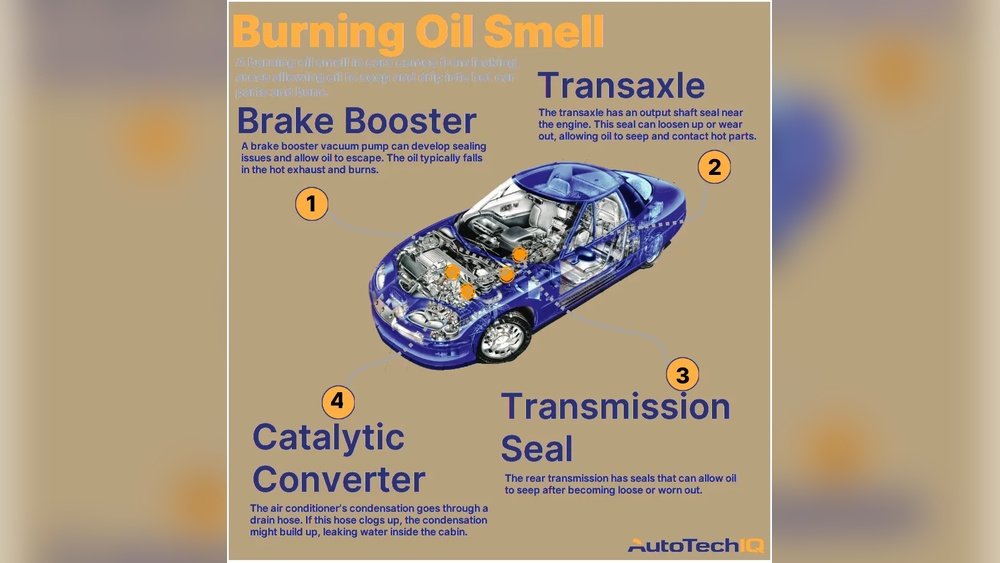
1. Leaking Valve Cover Gasket:
The valve cover gasket seals the top of the engine. When it wears out, oil leaks and drips onto hot engine parts. This creates the burning oil smell. It’s a common issue for Jeeps over 100,000 miles.
2. Engine Oil Spill During Maintenance:
Sometimes, spilled oil during an oil change sticks to the engine. After driving, the oil heats up and burns, causing the smell. This is harmless if cleaned up quickly, but can mask real leaks.
3. Oil Pan Gasket Failure:
The oil pan gasket seals the bottom of the engine. If it fails, oil leaks onto the exhaust system, which can burn and smell strong. This is a less common but serious issue.
4. Worn Piston Rings Or Valve Seals:
When internal parts like piston rings or valve seals wear out, oil enters the combustion chamber. This burns with fuel, often creating both smoke and smell. High-mileage Jeeps are more at risk.
5. Faulty Pcv Valve:
A bad PCV (Positive Crankcase Ventilation) valve lets oil vapor escape into the intake. This can lead to both burning smell and increased oil consumption.
6. Transmission Fluid Leak:
Transmission fluid can also leak and drip onto hot surfaces, creating a smell similar to burning oil. Sometimes, drivers confuse the two.
Example:
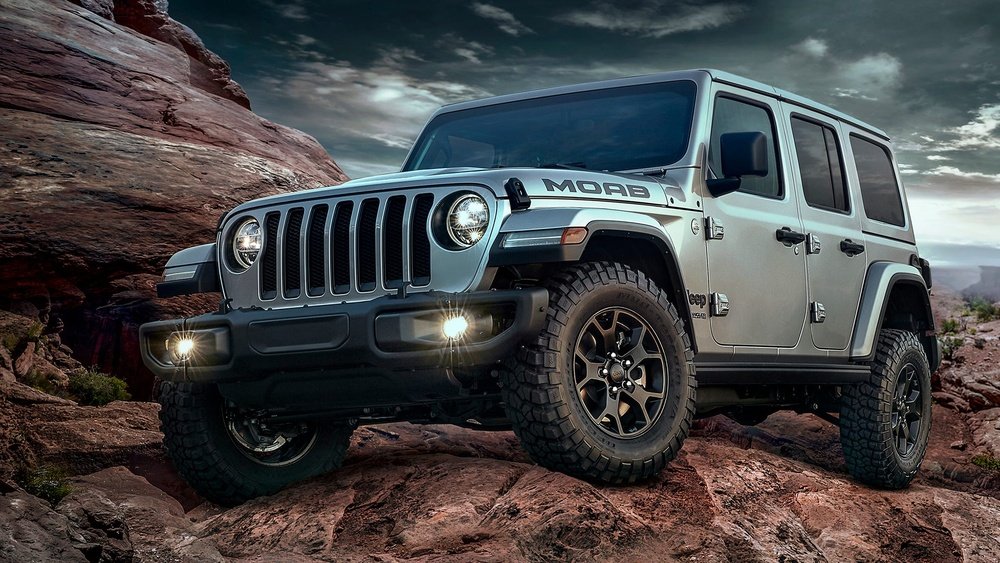
A Jeep Wrangler owner noticed the burning oil smell after a road trip. Inspection revealed a valve cover gasket leak, with oil dripping onto the exhaust manifold. Fixing the gasket solved the problem.
How To Identify The Source
Finding the source of the burning oil smell is important. Here’s how you can check:
- Look for oil spots under the Jeep after parking overnight.
- Check engine oil level with the dipstick. If it’s dropping fast, there’s likely a leak.
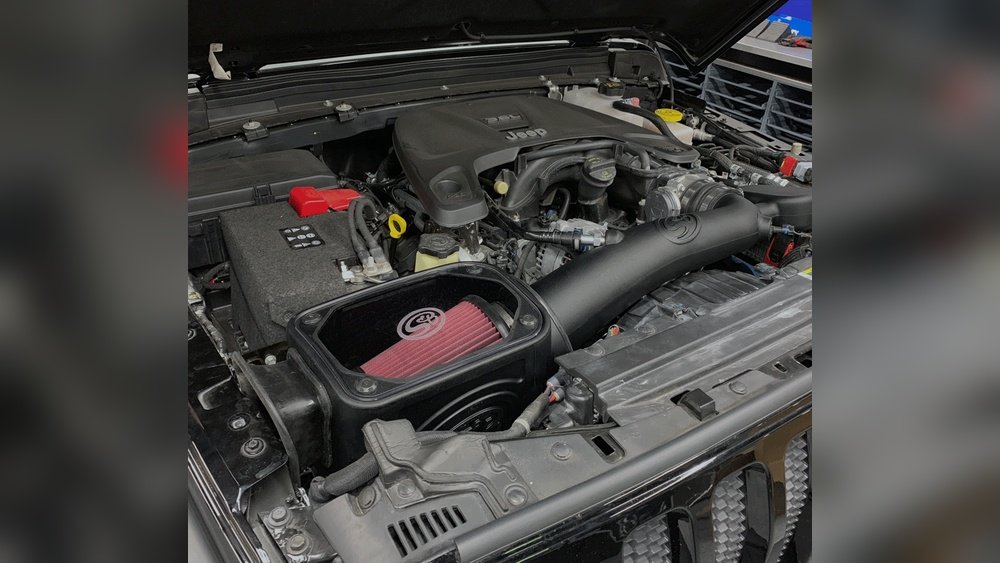
- Inspect around the engine for wet, oily areas—especially near the valve cover and oil pan.
- Watch for smoke coming from under the hood after driving.
If you see blue smoke from the exhaust, it’s likely burning oil inside the engine. If the smell comes only after an oil change, it may just be spilled oil.
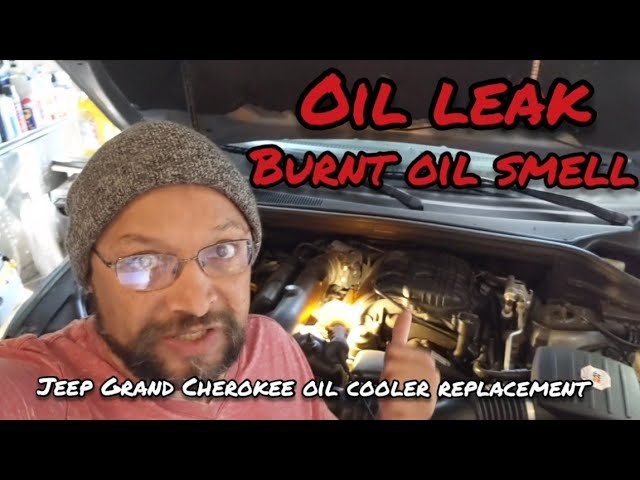
Jeep Models And Oil Smell: Is It More Common?
Some Jeep models have higher reports of burning oil smell. See the comparison of common issues:
| Jeep Model | Common Cause | Reported Frequency |
|---|---|---|
| Jeep Wrangler | Valve cover gasket leak | High |
| Jeep Grand Cherokee | Piston ring wear | Medium |
| Jeep Cherokee | PCV valve failure | Medium |
| Jeep Compass | Oil spill during maintenance | Low |
Wrangler and Grand Cherokee owners report this issue more often, mainly due to older engines and higher mileage.
Effects Of Burning Oil Smell
Ignoring the burning oil smell can lead to bigger problems. Here’s what can happen:
- Engine damage: Running low on oil can cause overheating and wear.
- Fire risk: Oil on hot engine parts may ignite, especially in extreme cases.
- Environmental impact: Leaking oil pollutes the ground and air.
If you drive with the smell, monitor your oil level closely and seek repairs soon.
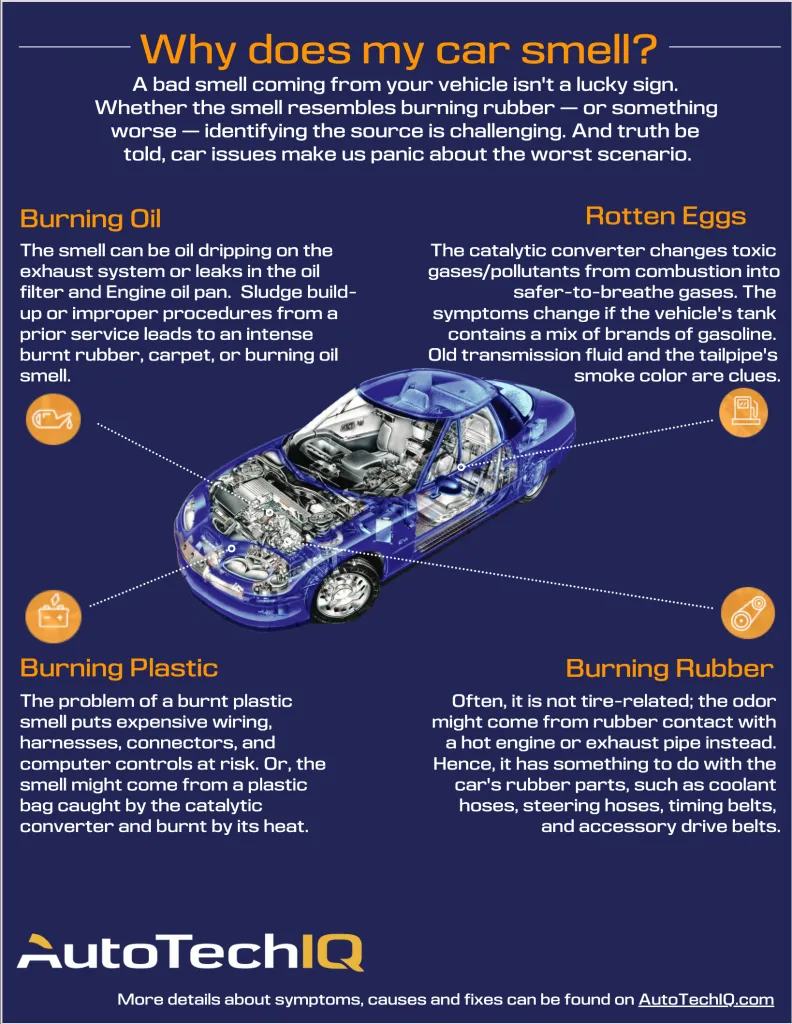
Repair Costs And Options
Fixing the issue depends on the cause. Here’s a breakdown of common fixes and their costs:
| Repair | Estimated Cost (USD) | Time Needed |
|---|---|---|
| Valve cover gasket replacement | $150–$300 | 1–2 hours |
| Oil pan gasket replacement | $200–$400 | 2–3 hours |
| PCV valve replacement | $50–$100 | 30 min–1 hour |
| Piston ring/valve seal repair | $800–$1,500+ | 6–12 hours |
| Engine cleaning (oil spill) | $20–$50 | 30 min |
Tip: Get a full diagnosis before agreeing to repairs. Sometimes, mechanics miss hidden leaks.
Preventing Burning Oil Smell
You can avoid burning oil issues by following these steps:
- Change oil regularly using Jeep-recommended oil types.
- Inspect gaskets and seals during each oil change.
- Clean spilled oil from the engine after maintenance.
- Replace PCV valve every 50,000 miles or as recommended.
Many beginners forget to check under their vehicle for oil spots. This simple step can catch leaks early.
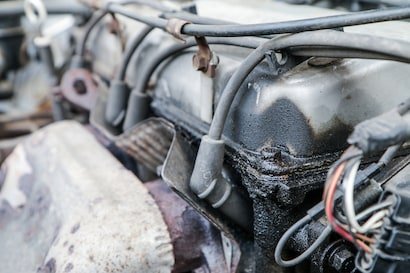
When Is It Safe To Drive?
If the smell is faint and you see no leaks, you can drive short distances. However, strong smells, smoke, or oil drops mean you should get repairs quickly. Driving with a leak risks engine damage and may void your warranty.
What Most Jeep Owners Miss
Two things many drivers overlook:
- Transmission leaks smell similar to burning oil but need different repairs.
- Oil leaks can travel: Oil dripping from the engine sometimes runs along wires or hoses, making the source hard to find. Always check above the wet area, not just below.
Frequently Asked Questions
Why Does My Jeep Smell Like Burning Oil After An Oil Change?
Spilled oil on the engine is the most common cause after an oil change. Clean the engine and monitor the smell for a day or two.
Is A Burning Oil Smell Dangerous?
Yes, it can indicate engine damage or fire risk. If the smell is strong or you see smoke, get your Jeep checked immediately.
Can I Fix A Valve Cover Gasket Leak Myself?
If you have basic tools and some experience, you can replace the gasket at home. However, improper installation can cause more leaks.
How Do I Tell If It’s Engine Oil Or Transmission Fluid?
Engine oil is usually brown or amber; transmission fluid is red or pink. Both smell burnt when leaking onto hot surfaces.
Will A Burning Oil Smell Go Away On Its Own?
It will only disappear if the cause is spilled oil that burns off. Leaks or engine problems will get worse over time.
If you need more in-depth repair advice, visit the official Jeep maintenance guide at Jeep Maintenance.
Understanding why your Jeep smells like burning oil helps you stay safe and avoid costly repairs. By checking for leaks, monitoring oil levels, and acting quickly, you protect your vehicle and your wallet.
Don’t ignore the warning signs a small fix now can prevent big problems later.