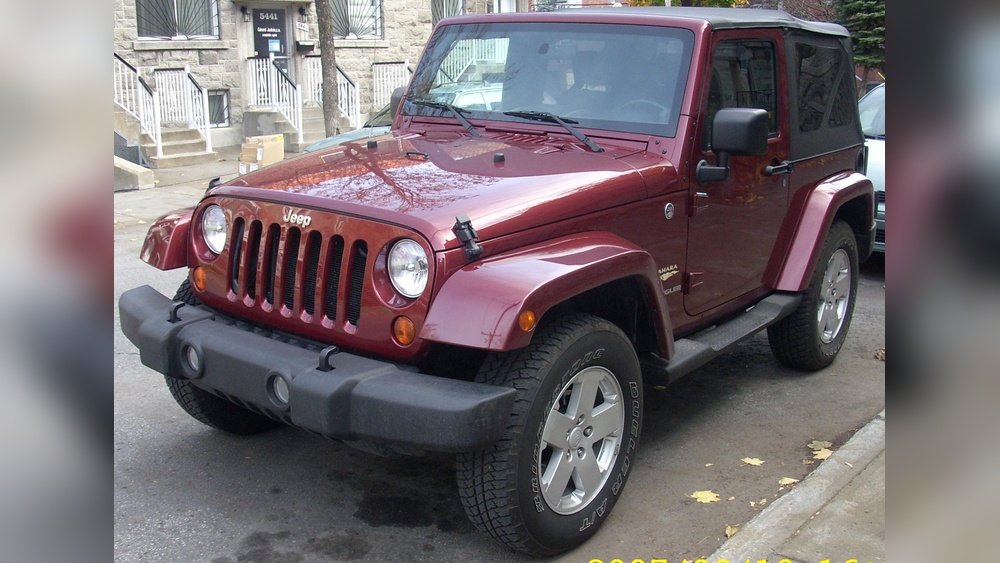
If you drive a Jeep, you might have heard about the cold air intake upgrade. Many Jeep owners talk about it when discussing ways to boost power or get better engine sound.
But what exactly is a cold air intake, and why do so many Jeep fans install one? This guide explains what cold air intakes do, how they work, and whether they’re a smart choice for your Jeep.
What Is A Cold Air Intake?
A cold air intake is an aftermarket part that replaces your Jeep’s stock air intake system. Its main job is to bring cooler air into the engine. The stock intake usually pulls air from inside the engine bay. That air is warmer because the engine heats everything nearby. Cold air intakes use longer tubes and special filters to pull air from outside the engine bay, where it’s cooler.
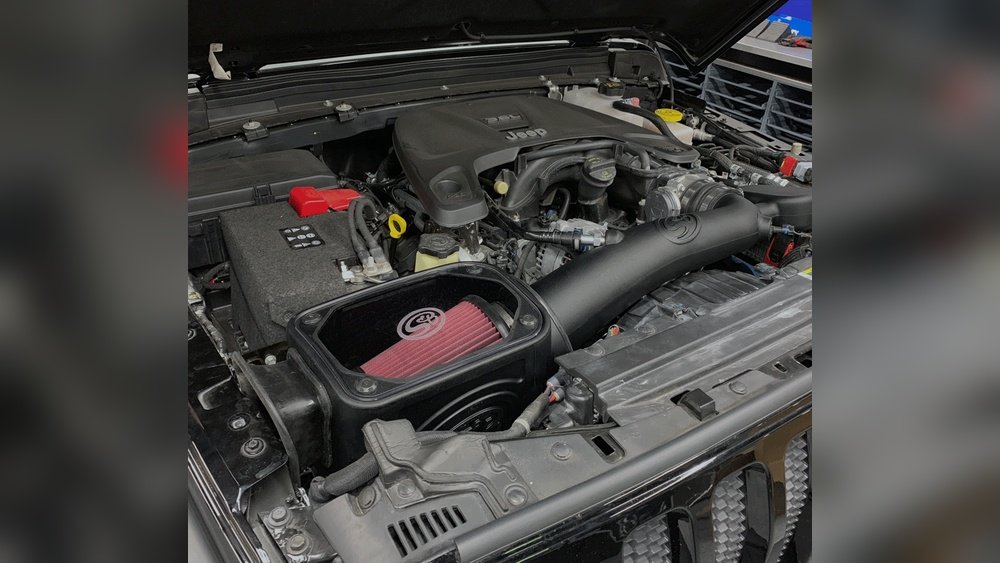
Cooler air is denser. That means more oxygen goes into the engine with each intake stroke.
With more oxygen, your Jeep can burn more fuel and make more power. Most cold air intakes also use larger, less restrictive filters.
These let more air flow into the engine, further boosting performance.
How Cold Air Intakes Work On A Jeep
When you drive your Jeep, the engine needs air to mix with fuel. The amount and temperature of this air affect how well your Jeep runs. Here’s how the process changes with a cold air intake:
- Location: The intake tube is routed away from the hot engine, often near the fender or grille.
- Air Filter: The system uses a high-flow, reusable air filter. It traps dirt but allows more air.
- Tuning: Some intakes require a tune to optimize the air-fuel ratio, but many bolt on without extra steps.
By pulling in colder, denser air, the engine can make more power, run more efficiently, and sometimes even sound better when accelerating.
Stock Vs. Cold Air Intake: What’s Different?
Here’s a side-by-side look at key differences.
| Feature | Stock Intake | Cold Air Intake |
|---|---|---|
| Air Temperature | Warmer (from engine bay) | Cooler (from outside) |
| Filter Type | Pleated paper | High-flow cotton or synthetic |
| Air Flow | Restricted | Less restricted |
| Sound | Quieter | More aggressive |

Benefits Of Cold Air Intakes For Jeeps
Many Jeep owners install cold air intakes for these main reasons:
- More horsepower: Most see a gain of 5–15 horsepower, depending on engine type.
- Better throttle response: The engine responds quicker when you press the gas pedal.
- Improved engine sound: Acceleration sounds deeper and more aggressive.
- Reusable filter: Many filters can be cleaned and reused, saving money over time.
- Enhanced engine efficiency: Cooler air can help the engine run smoother, especially in hot climates.
It’s important to note that power gains are usually modest. You probably won’t notice a massive change in speed, but the driving experience often feels more lively.
Potential Drawbacks And Myths
Cold air intakes aren’t perfect for every Jeep or every driver. Here are some things to keep in mind:
- Water ingestion: If you drive through deep water, a cold air intake placed low can suck water into the engine (hydrolock). This is especially important for off-roaders.
- Check engine lights: Some models trigger a warning if the sensor doesn’t read expected airflow.
- Warranty concerns: Some dealerships may question warranty coverage after installation.
- No magic fuel economy boost: Gains in MPG are usually small, often less than 1 MPG.
- Sound changes: Not everyone likes the louder engine note.
A common myth is that cold air intakes add huge power. In reality, most Jeeps gain a small but noticeable bump. The real value is the improved engine response and reusable filter.

Choosing The Right Cold Air Intake For Your Jeep
Not all cold air intakes are the same. Here’s what matters when picking one:
- Fitment: Make sure it matches your Jeep’s year, model, and engine size.
- Material: Most use plastic, aluminum, or carbon fiber tubes. Plastic resists heat; metal looks stylish but can get hotter.
- Filter quality: Look for filters with good reviews and easy cleaning. Oiled cotton filters are popular.
- Brand reputation: Stick with trusted brands like K&N, aFe, or AEM.
- Included hardware: Good kits come with all clamps, hoses, and instructions needed for installation.
- CARB certification: If you live in California, check for legal compliance.
Here’s a quick look at common materials:
| Material | Pros | Cons |
|---|---|---|
| Plastic | Lightweight, stays cooler | Less flashy |
| Aluminum | Strong, looks good | Heats up faster |
| Carbon Fiber | Very light, premium | Most expensive |
Installation: What To Expect
Most cold air intakes can be installed with basic tools in 1–2 hours. You usually need screwdrivers and socket wrenches. Here’s a typical process:
- Remove the stock air box and intake tube.
- Install the new intake tube and filter.
- Secure everything with clamps and brackets.
- Double-check that connections are tight and the filter is shielded from heat.
Some kits include a heat shield to further block engine heat from the air filter. If your Jeep has a mass airflow sensor, handle it carefully during installation.
A smart tip: Take pictures before you remove anything. This helps if you need to reinstall the original parts.
Real-world Results: What Jeep Owners Say
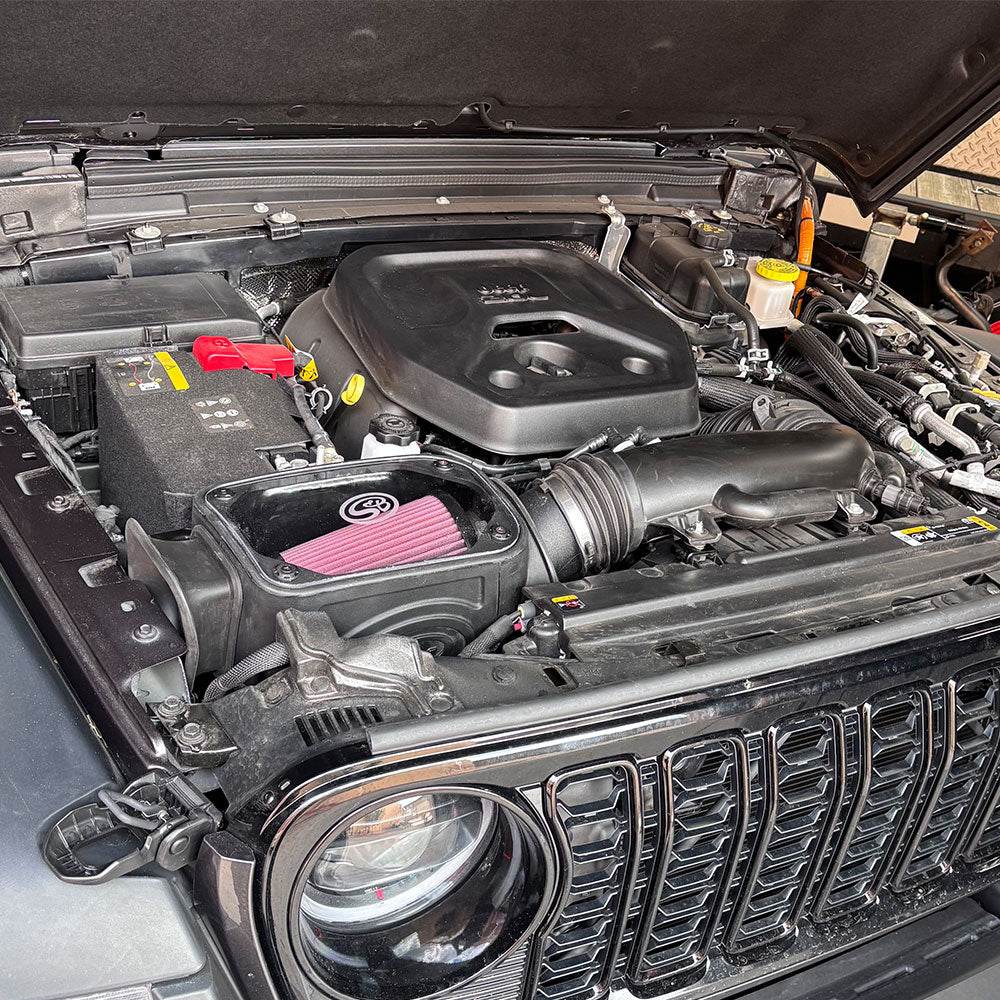
Many Jeep owners report a more responsive throttle, especially during highway merges or off-road climbs. While some see a small increase in MPG, most enjoy the sound and reusable filter the most.
An example: Jeep Wrangler JK owners typically see a power bump of 7–12 horsepower after installing a popular cold air intake kit. For a 3.6L V6 engine, this means a bit more confidence on trails or when towing.
Still, not all users notice dramatic changes. Jeeps with other engine upgrades (like a performance exhaust) benefit the most. For stock engines, the change is modest but satisfying.
Frequently Asked Questions
What Is The Main Purpose Of A Cold Air Intake On A Jeep?
The main purpose is to let the engine breathe cooler, denser air. This can boost horsepower, improve throttle response, and make the engine sound more aggressive.
Will A Cold Air Intake Void My Jeep’s Warranty?
Not always. Most dealerships accept quality cold air intakes, but some may deny warranty claims related to the intake system. It’s best to ask your dealer before installing.
Can I Install A Cold Air Intake Myself?
Yes, most kits are designed for DIY installation and include instructions. You’ll need basic tools and about 1 2 hours of time.
Does A Cold Air Intake Improve Fuel Economy?
The improvement is usually small often less than 1 MPG. The main benefits are power and response, not big fuel savings.
Are Cold Air Intakes Legal Everywhere?
Some states, like California, require CARB certification for emissions. Always check local laws before buying. For more details, see the Wikipedia article on cold air intakes.
Cold air intakes offer modest but real benefits for Jeep owners seeking better engine response and sound. If you value a livelier drive and easy filter maintenance, this upgrade is worth considering.
Always choose a kit that fits your Jeep and driving needs for the best results.