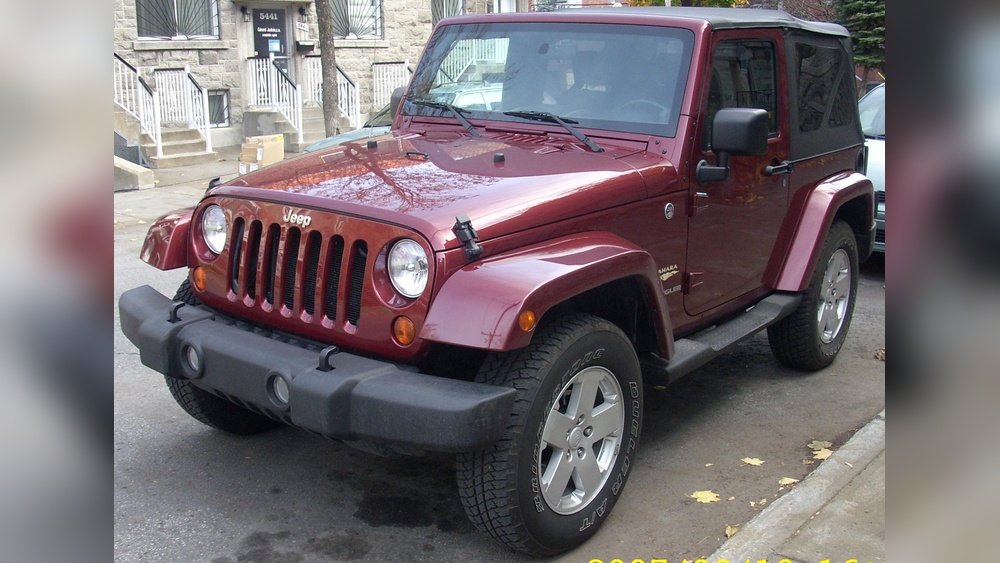
If you own a Jeep, you might wonder, “What transmission is in my Jeep? ” Understanding your Jeep’s transmission is important for performance, maintenance, and repairs.
Different Jeep models use various transmissions, each with unique features. This article will help you identify your Jeep’s transmission and explain why it matters.
Why Transmission Matters In Your Jeep
The transmission controls how power moves from the engine to the wheels. It affects acceleration, fuel economy, and off-road ability. Jeep vehicles are known for their ruggedness, but the transmission can make a big difference in how your Jeep drives.
There are two main types:
- Automatic transmissions: Shift gears for you.
- Manual transmissions: Require you to change gears.
Some Jeeps offer both options, depending on the model year and trim.
The transmission also plays a direct role in towing capacity and handling under tough conditions.
For example, if you drive in hilly areas or frequently go off-road, your choice of transmission will impact how easily your Jeep can climb, crawl over rocks, or handle deep mud.
Automatics are often preferred for towing heavy loads or driving in stop-and-go traffic, while manuals provide a more connected feel for those who enjoy controlling their vehicle’s response.
Common Jeep Transmission Types
Let’s look at the most common transmissions found in Jeep vehicles. This includes both older and newer models.
| Transmission | Type | Models Used |
|---|---|---|
| TF8 / TorqueFlite 8 | Automatic | Grand Cherokee, Wrangler, Gladiator |
| Aisin AX15 | Manual | Cherokee, Wrangler (YJ/TJ) |
| ZF 8HP | Automatic | Grand Cherokee, Wrangler (JL) |
| NSG370 | Manual | Wrangler (TJ/JK) |
| 4L60E | Automatic | Cherokee, Liberty |
Some older Jeeps may use transmissions like the T-176 or AX5, while modern models often have the ZF 8HP or TorqueFlite 8.
Each of these transmissions has its own strengths. For example, the Aisin AX15 is well-known for smooth shifting and long life, making it a favorite among people who like to rebuild or restore classic Jeeps. The ZF 8HP automatic is famous for fast, smooth gear changes, which is helpful if you want good highway speed and quick response. Knowing your transmission also helps when searching for parts or repairs, as not all transmissions use the same filters or fluids.
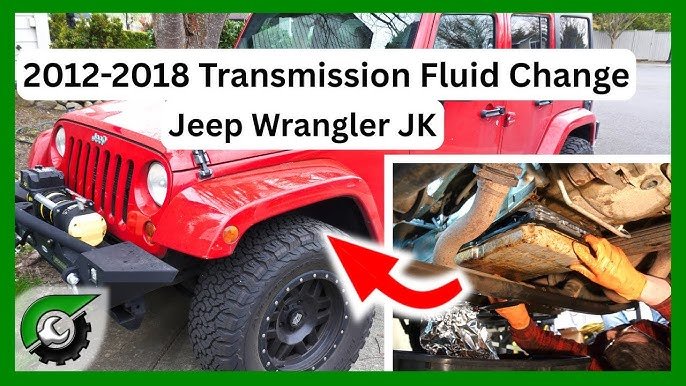
How To Identify Your Jeep’s Transmission
You don’t need to be a mechanic to find out what transmission is in your Jeep. Here are practical ways to check:
- Check the owner’s manual: The manual lists the transmission type.
- Look at the VIN: The Vehicle Identification Number can be decoded to show transmission details.
- Inspect the transmission pan: The shape and number of bolts can hint at the model.
- Ask your dealer: Dealers can search your Jeep’s build sheet.
- Online tools: Websites like Jeep Official Site let you search by VIN.
For example, the Wrangler JL uses the ZF 8HP automatic or Tremec TR-4050 manual, depending on trim.
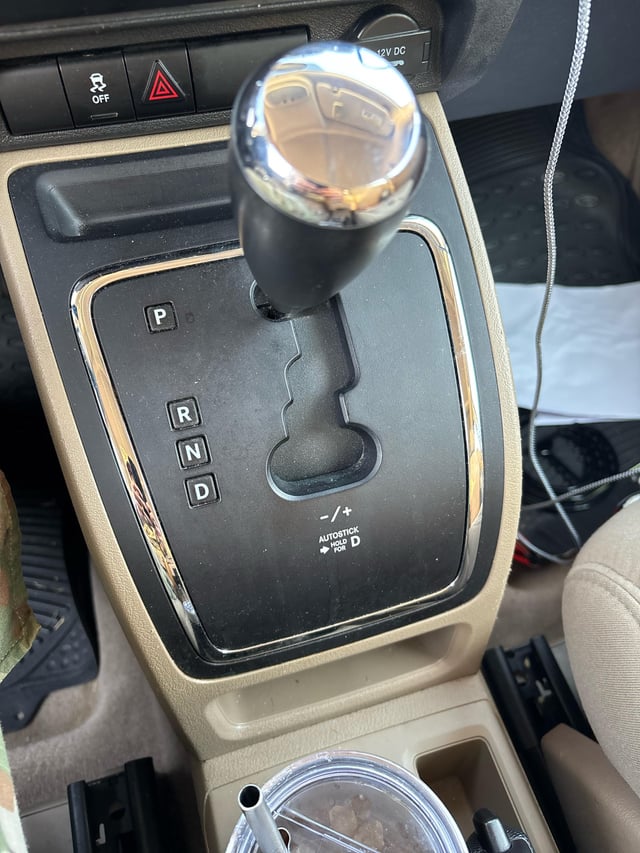
You can also look for a label or tag on the transmission itself—most have an ID plate with a code or number. Take a photo of it and search online or ask your mechanic. If you’re still unsure, a quick call to a Jeep dealership with your VIN will usually get you an answer in minutes. Another tip: if your Jeep has special features like paddle shifters or a shift lever with a manual mode, you likely have a modern automatic transmission.
Transmission Differences Across Jeep Models
Jeep offers many models, and transmission choices vary. Here’s a quick comparison.
| Model | Years | Transmission Options |
|---|---|---|
| Wrangler (YJ/TJ) | 1987–2006 | AX15, AX5, 32RH |
| Wrangler (JK) | 2007–2018 | NSG370, 42RLE |
| Wrangler (JL) | 2018–present | ZF 8HP, TR-4050 |
| Grand Cherokee | 1993–present | TorqueFlite 8, ZF 8HP |
| Cherokee (XJ) | 1984–2001 | AW4, AX15 |
The Grand Cherokee uses more advanced automatics, while older Cherokee XJ models often have simple manual or automatic choices.
It’s important to note that special editions or certain trims might have rare transmissions. For instance, some older Wranglers with larger engines used the NV3550 manual. In recent years, Jeep has focused on improving automatic transmissions for better fuel efficiency and smoother driving. The Wrangler JL’s ZF 8HP, for example, gives both strong off-road performance and good highway comfort—a combination that was hard to find in older models.
Automatic Vs Manual: Which Is Better For Your Jeep?
Choosing between automatic and manual transmissions depends on your needs:
- Automatic transmissions are easier for city driving and towing.
- Manual transmissions give more control, especially off-road.
Many Jeep fans prefer manuals for rock crawling, but automatics work well for daily use.
Automatics are less tiring in traffic and can help you focus on the road, not gear changes. Many modern automatics even “learn” your driving style and adjust shift points for smoother power delivery.
Manuals, on the other hand, let you choose gears to match the terrain very useful on steep trails or when trying to get out of mud or snow.
But, modern automatics have improved a lot and now rival manuals for off-road use. For example, the ZF 8HP automatic can shift quickly and handle torque changes well, so even hardcore off-roaders are starting to accept automatics.
- Some Jeep Wranglers with automatic transmissions include a “manual mode,” letting you shift gears yourself for more control.
- The transmission fluid used must match your transmission model. Using the wrong fluid can cause costly damage, which many owners miss.
Another detail: the clutch in a manual transmission Jeep wears out faster if you ride the clutch pedal or shift without fully pressing it. Learning correct shifting technique can save you money and prevent breakdowns.
Common Transmission Problems In Jeeps
Jeep transmissions are tough, but issues can happen:
- Shifting delays: Often due to low fluid or worn parts.
- Leaking fluid: Look for red stains under your Jeep.
- Strange noises: Grinding or whining may signal a failing transmission.
Regular checks and fluid changes help prevent problems.
Some Jeeps may also develop electronic problems, especially newer models with advanced controls. Transmission warning lights or error codes are your Jeep’s way of telling you something’s wrong never ignore them.
In cold weather, older automatics may shift slowly until the fluid warms up.
If you notice slipping gears, burning smells, or sudden changes in how your Jeep drives, get it checked soon to avoid bigger repairs.
Jeep Transmission Maintenance Tips
Proper care keeps your Jeep running smoothly:
- Change transmission fluid every 30,000–60,000 miles, depending on model.
- Inspect for leaks and fix them quickly.
- Watch for warning lights on the dashboard.
- Use the right fluid—never guess.
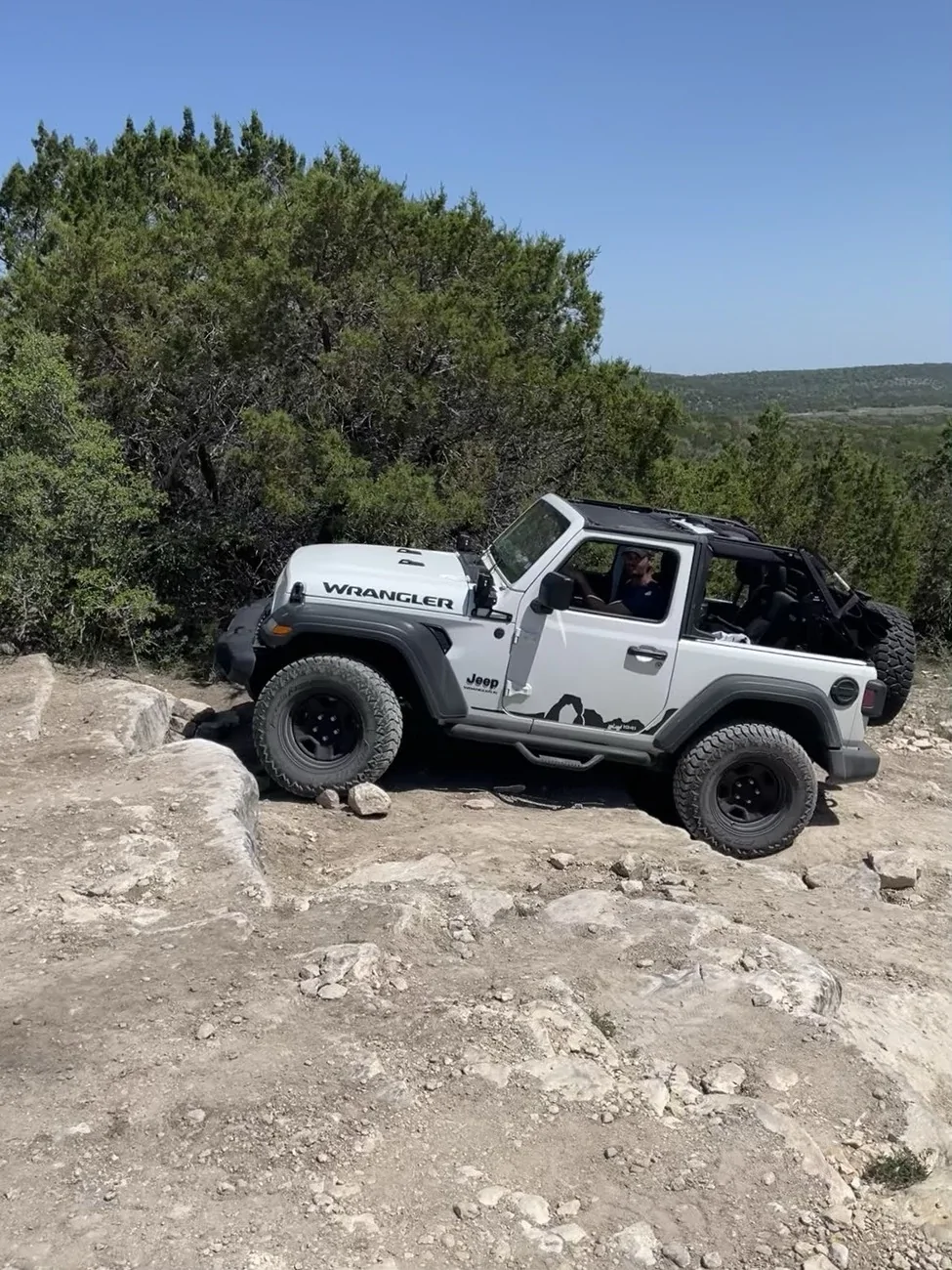
If you drive off-road often, check your transmission more frequently.
It’s also smart to change the transmission filter (if your model has one) when you change the fluid. Extreme driving like towing, climbing steep hills, or deep water crossings can put extra stress on the transmission.
After these trips, check for fluid leaks or rough shifting.
Keeping your transmission cool also helps; overheating is one of the main reasons transmissions fail. Some Jeep owners add aftermarket transmission coolers if they tow heavy loads or travel in hot climates.
Frequently Asked Questions
What Is The Most Common Transmission In Jeep Wranglers?
The most common transmission in modern Wrangler JL models is the ZF 8HP automatic. Older Wranglers often used the AX15 manual.
Can I Switch From Automatic To Manual In My Jeep?
It is possible, but expensive. You’ll need new parts and expert installation. Most people stick with the original transmission.
How Do I Know If My Jeep Has A Cvt Transmission?
No Jeep model uses a CVT (continuously variable transmission). Jeep transmissions are either automatic or manual.
What Happens If I Use The Wrong Transmission Fluid?
Using the wrong fluid can cause slipping, overheating, and transmission failure. Always check your Jeep’s manual for the correct fluid type.
Is Jeep Transmission Reliable?
Most Jeep transmissions are reliable if maintained well. Models with the ZF 8HP and TorqueFlite 8 are known for durability.
For more details on Jeep transmissions, or if you want to check your model’s specs, the [Jeep Official Site](https://www.jeep.com) is a good resource.
Understanding your Jeep’s transmission helps you keep your vehicle in top shape. Whether you drive a classic or a new Jeep, knowing your transmission type lets you make smarter choices for maintenance, upgrades, and repairs.
If you’re unsure, a quick check using your VIN or dealer lookup can give you the answer you need.
With the right knowledge, you can enjoy your Jeep for many years, both on and off the road.