If you own a Jeep, you expect it to be tough, reliable, and ready for adventure. But nothing breaks your confidence faster than feeling your Jeep shake while driving.
Whether it’s a slight vibration or a major wobble, this problem can be both annoying and worrying. Understanding why your Jeep shakes is the first step to fixing it and making sure your next drive is smooth and safe.
Common Reasons Your Jeep Shakes
A shaking Jeep usually means something is wrong with its wheels, suspension, or steering. Let’s look at the most common causes and how to spot them.
1. Unbalanced Or Damaged Tires
Uneven tire wear, missing wheel weights, or old tires are the top reasons for shakes. If your Jeep shakes at certain speeds, especially between 45-65 mph, suspect tire balance. Even a small difference in weight can make your steering wheel vibrate.
Tire damage, such as a bubble or flat spot, also causes shaking. Check for visible damage or uneven tread wear.
2. Bent Or Damaged Wheels
Hitting a curb or pothole can bend your wheels. Even a minor bend can cause your Jeep to shake, especially when driving faster. If you see a wobble in the rim, you need to fix or replace the wheel.
3. Worn Suspension Parts
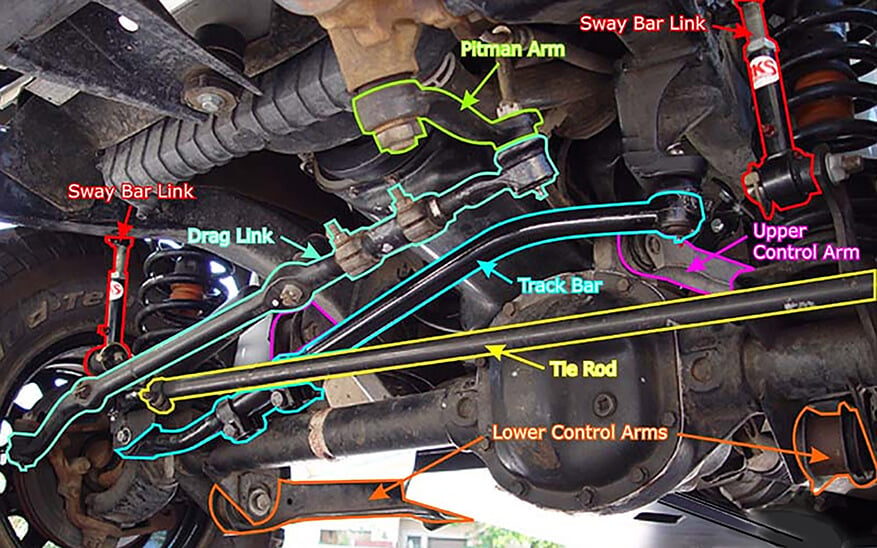
The Jeep’s suspension system keeps your ride smooth. Worn ball joints, bushings, or tie rods can make your Jeep feel unstable or shaky. You might also hear clunking noises or notice the Jeep pulls to one side.
4. Alignment Issues
Hitting a bump hard or normal wear can knock your wheels out of alignment. This makes your Jeep shake, especially when turning or driving at higher speeds. Misalignment also causes uneven tire wear, making the problem worse over time.
5. Driveshaft Or U-joint Problems
On four-wheel drive Jeeps, the driveshaft and U-joints move power from the engine to the wheels. If these parts are worn or damaged, you might feel a shake that gets worse with speed. Sometimes you’ll hear a clicking or clunking noise, too.
6. Brake Problems
If your Jeep shakes when you brake, the problem could be warped brake rotors. This creates a pulsing feeling in the brake pedal and sometimes in the steering wheel. Ignoring this can make braking less safe.
7. “Death Wobble”
Some Jeep owners experience the dreaded “death wobble.” This is a violent shake in the steering wheel, usually after hitting a bump at higher speeds. It’s often caused by worn suspension parts, loose track bar bolts, or bad alignment. Death wobble can feel scary, but it can be fixed with the right repairs.
How To Diagnose Jeep Shaking
Finding the real cause of shaking saves time and money. Here’s how you can start diagnosing:
- Check tire pressure and look for visible damage or uneven wear.
- Inspect the wheels for bends or cracks.
- Wiggle the tires (when parked) to check for loose or worn suspension parts.
- Listen for unusual noises while driving or braking.
- Pay attention to when the shake happens—only at certain speeds, when braking, or after hitting bumps.
If you’re not sure, a mechanic can use special tools to check balance, alignment, and suspension.
Common Jeep Shake Causes And Symptoms
| Cause | When it Happens | What to Check |
|---|---|---|
| Unbalanced Tires | At highway speeds | Tire wear, missing weights |
| Bent Wheels | Any speed, worse when faster | Visible rim damage |
| Suspension Wear | Over bumps, all speeds | Loose parts, clunks |
| Alignment | All speeds, when turning | Tire wear, steering pull |
| Brake Rotors | When braking | Pedal pulse, steering shake |
Fixing A Shaking Jeep: What Really Matters
Repair depends on the cause. Some fixes are easy, but others need a professional. Here’s what matters most:
- Tire balance and rotation: Balancing tires is cheap and quick. Rotate them every 5,000-7,000 miles to prevent uneven wear.
- Wheel alignment: Get your alignment checked once a year or after hitting a big bump.
- Replace worn parts: Don’t ignore worn ball joints, bushings, or tie rods. These can make shaking worse and cause other damage.
- Brake repairs: If the shake happens during braking, have your rotors checked and replaced if needed.
- Suspension upgrades: If you drive off-road often, upgrade to heavy-duty suspension parts. Stock parts wear faster under tough conditions.
DIY Vs. Professional Repairs
| Repair | DIY Possible? | When to See a Pro |
|---|---|---|
| Tire rotation/balance | With proper tools | If you lack tools or experience |
| Wheel alignment | No | Always |
| Brake rotor replacement | For experienced DIYers | If unsure or for ABS systems |
| Suspension repairs | Sometimes (simple parts) | For major or safety-critical repairs |
Two Insights Jeep Owners Often Miss
First, many Jeep owners overlook the importance of regular tire rotation and balancing; even small differences in tread or weight can start a shake.
Second, cheap aftermarket parts can cause more problems than they solve. Always use high-quality or OEM parts, especially for suspension and steering.
Preventing Future Jeep Shakes
You can avoid most shakes with some simple habits:
- Check tire pressure every month.
- Rotate and balance tires regularly.
- Inspect suspension and steering parts during oil changes.
- Fix any shakes early. Waiting often leads to bigger, more expensive problems.
Aftermarket modifications like lifts and big tires make regular checks even more important. These changes put extra stress on your Jeep’s parts.
When To Worry About A Jeep Shake
Not all shakes are urgent, but some are dangerous. If your steering wheel shakes violently, you hear loud clunks, or the Jeep feels hard to control, stop driving and get help. Death wobble can make you lose control, so it’s important to repair it right away.
For more details on Jeep safety and maintenance, check resources like the National Highway Traffic Safety Administration.
Why Does My Jeep Shake At 60 Mph?
Shaking at this speed usually means your tires are unbalanced or worn. It could also be a bent wheel or bad alignment.
What is Jeep’s “death Wobble”?
Death wobble is a strong, sudden shake in the steering wheel, often after hitting a bump. It’s caused by worn suspension or steering parts.
Can I Drive My Jeep If It Shakes?
Short distances may be safe if the shake is mild, but it’s best to fix the problem quickly. Severe shaking can damage other parts or make your Jeep unsafe.
How Do I Stop My Jeep From Shaking When I Brake?
Have your brake rotors checked for warping. Worn pads or loose calipers can also cause shaking during braking.
Does Lifting My Jeep Cause Shaking?
Lift kits and larger tires can increase the chance of shakes if not installed or aligned properly. Always check alignment and suspension after modifications.
A shaking Jeep can be fixed. By understanding the cause and acting quickly, you’ll keep your ride smooth, safe, and ready for your next adventure.