The Jeep death wobble is a scary experience. Imagine driving at 60 mph, and your steering wheel shakes so hard you can barely hold it.
Many Jeep owners, especially those with older models or modified suspensions, face this problem. It’s not just annoying, it’s unsafe.
If you want to learn how to fix a Jeep death wobble, you’re in the right place. explain why it happens, how to diagnose it, and the steps you need to stop it.
Whether you drive a Wrangler, Cherokee, or another model, you’ll find simple advice and practical solutions.
What Is Jeep Death Wobble?
The death wobble is a violent shaking of the front wheels and steering, usually triggered by hitting a bump at high speeds. It mostly affects solid front axle Jeeps, like the Wrangler and Cherokee. When wobble starts, your Jeep feels impossible to control. The problem happens because of loose or worn suspension parts, steering components, or tires.
Key symptoms:
- Sudden, strong shaking of the steering wheel
- Jeep feels unstable, especially after hitting bumps
- Vibrations often stop only when you slow down
Many drivers confuse death wobble with simple tire imbalance or minor vibrations, but the wobble is much more severe. It’s important to fix it quickly to stay safe.
Common Causes Of Jeep Death Wobble
Death wobble is not caused by just one part. Usually, several things go wrong together. Here are the main culprits:
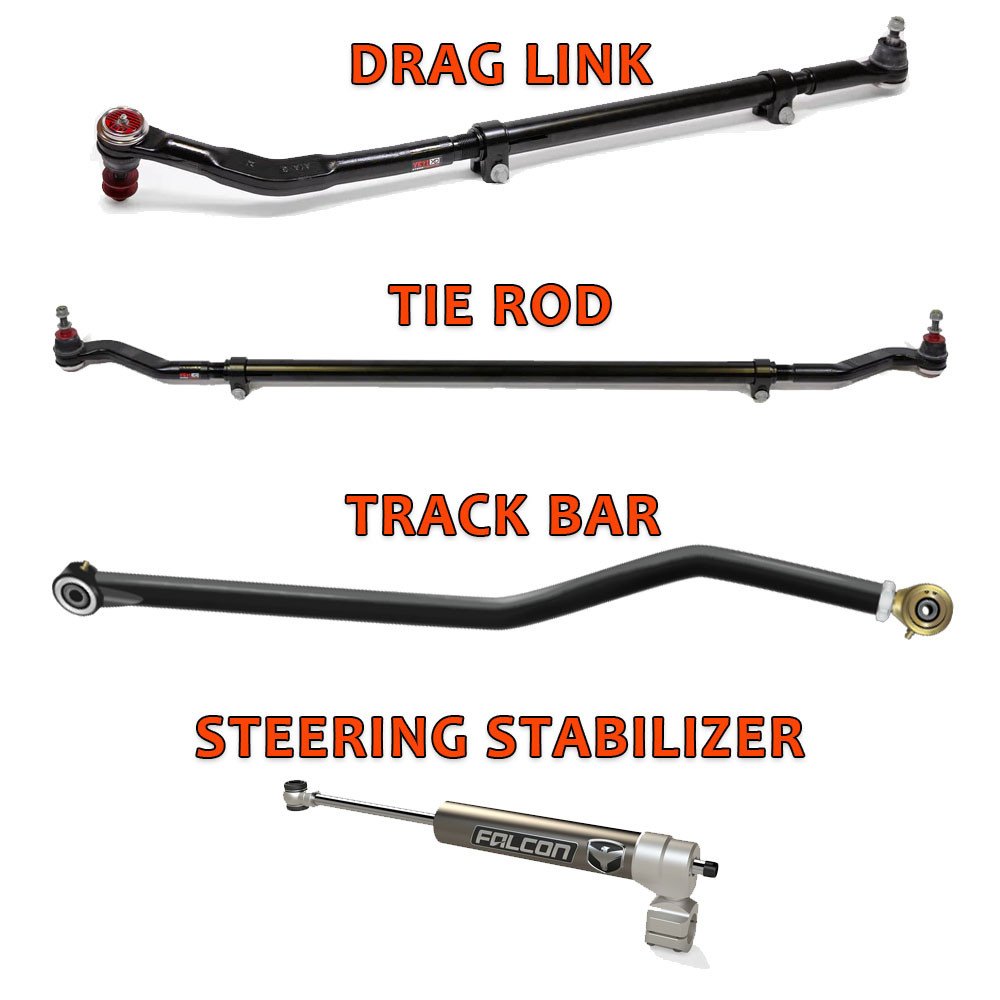
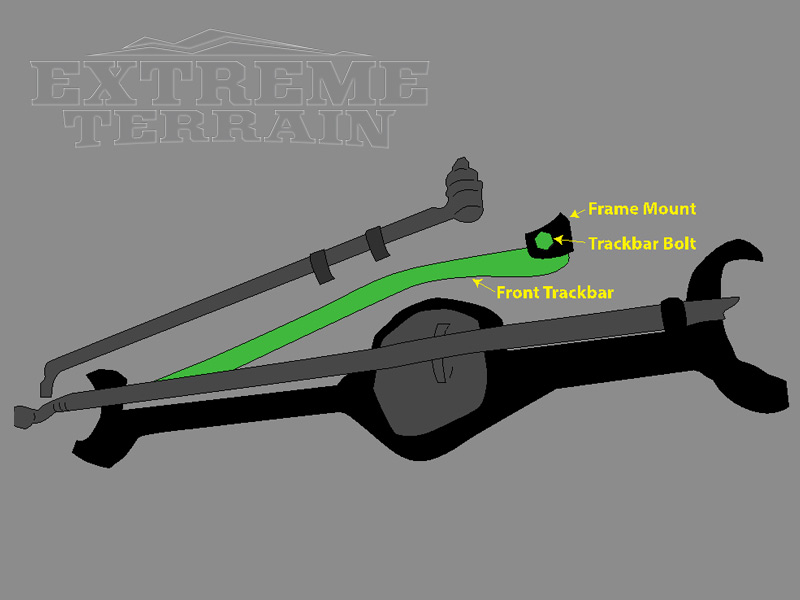
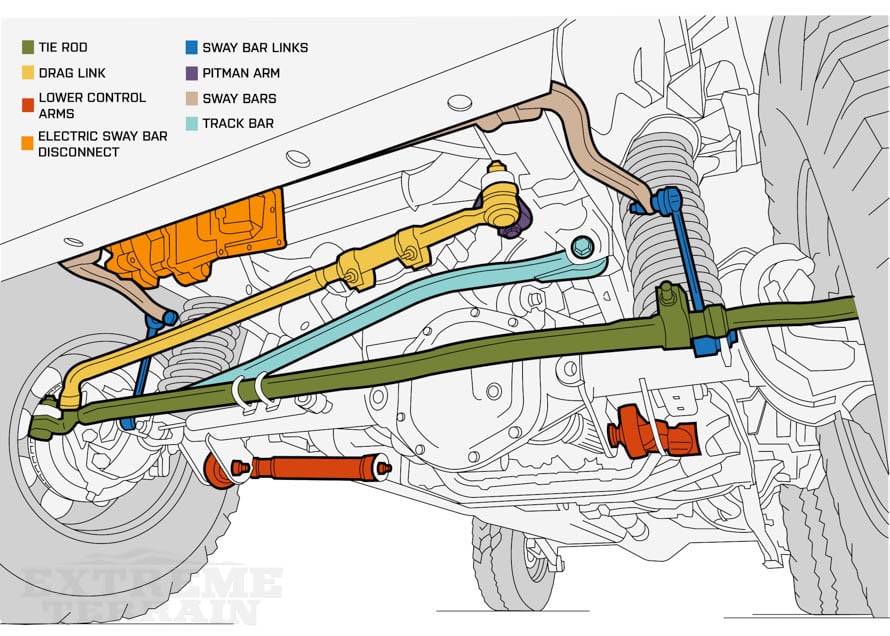
- Worn track bar bushings, The track bar keeps the axle centered. If its bushings are loose, the axle moves side to side.
- Bad tie rod ends, These connect steering parts. Worn tie rods allow extra movement.
- Loose ball joints, Ball joints link the steering knuckle to the control arms. If they’re worn, wheels can wobble.
- Damaged steering stabilizer, This shock absorber helps control steering. If it’s weak, shaking gets worse.
- Misaligned wheels, Bad alignment can make wobble more likely.
- Unbalanced tires or bent wheels, These cause vibrations that can trigger wobble.
- Loose bolts or fasteners, Sometimes, suspension bolts loosen over time.
Solid front axle Jeeps are more prone to these issues. Lifting your Jeep or adding bigger tires can make death wobble more likely.
Diagnosing Jeep Death Wobble
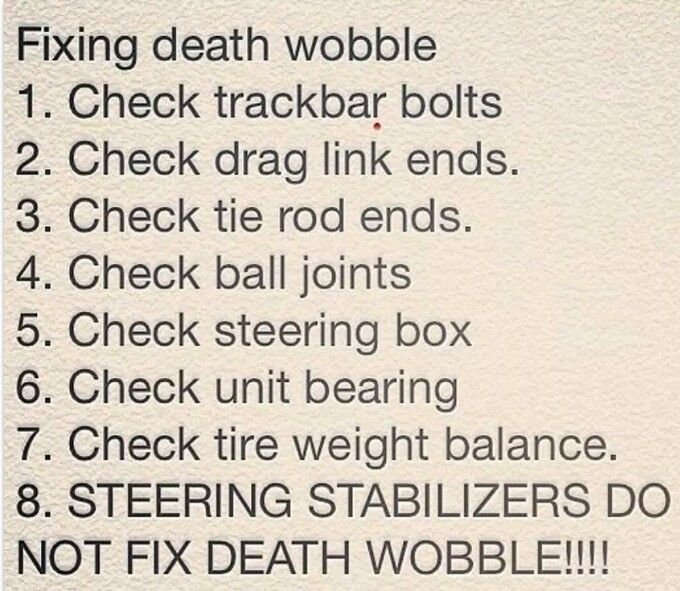
To fix Jeep death wobble, you must find the root cause. Here’s how to diagnose the problem:
Visual Inspection
Start with a simple check. Look for obvious damage or wear.
- Check the track bar and its bushings for cracks or movement.
- Inspect tie rod ends and ball joints for looseness.
- Look at the steering stabilizer for leaks or dents.
- Examine tires for uneven wear or bulges.
Hands-on Test
Get a helper. Ask them to turn the steering wheel back and forth while you watch the suspension.
- Look for movement in the track bar, tie rods, and ball joints.
- If any part moves separately from the rest, it’s likely worn.
Wheel Alignment And Balance
- Check if tires are balanced.
- Measure alignment angles (toe, camber, caster).
- If you see uneven tire wear, alignment may be off.
Bolt Tightness
Use a torque wrench. Check that all suspension and steering bolts are tight. Even small looseness can cause wobble.
Comparison Table: Common Causes Vs Symptoms
Here’s a quick reference:
| Cause | Typical Symptom | How to Check |
|---|---|---|
| Worn track bar bushings | Side-to-side axle movement | Visual & hands-on inspection |
| Bad tie rod ends | Loose steering feel | Steering movement test |
| Loose ball joints | Clunking noise, wobble | Physical movement check |
| Damaged steering stabilizer | Excessive vibration | Visual inspection |
| Misaligned wheels | Uneven tire wear | Alignment measurement |
| Unbalanced tires | Steering vibration | Tire shop balance test |
| Loose bolts | Random shaking | Torque wrench check |
Step-by-step: How To Fix A Jeep Death Wobble
Once you identify the cause, you can fix it. Here’s a step-by-step guide:
1. Tighten All Suspension Bolts
Before replacing parts, tighten all track bar, control arm, and steering bolts to factory specs. Even a slightly loose bolt can cause wobble.
- Use a torque wrench for accuracy.
- Check torque values in your Jeep’s manual.
2. Replace Worn Parts
If you find worn or damaged parts, replace them.
- Track bar bushings: If they’re cracked or loose, install new bushings or replace the track bar.
- Tie rod ends: Look for play. Replace if loose.
- Ball joints: If you can move the joint by hand or see movement during the steering test, install new ball joints.
- Steering stabilizer: If leaking or weak, swap for a new one.
3. Check And Fix Wheel Alignment
Bad alignment can cause or worsen death wobble. Take your Jeep to a professional alignment shop. Ask for a full alignment, including caster, camber, and toe.
- Proper caster angle is critical for stability.
- If you have a lifted Jeep, ask for alignment suited for lifted suspensions.
4. Balance Tires And Inspect Wheels
Unbalanced tires or bent wheels are common triggers.
- Have all four tires balanced.
- Inspect wheels for bends or cracks. Replace damaged wheels.
5. Upgrade Weak Components
If you off-road or use larger tires, consider stronger aftermarket parts.
- Heavy-duty track bars
- Upgraded tie rod ends
- Adjustable control arms
These parts last longer and reduce the chance of death wobble returning.
6. Test Drive Carefully
After repairs, test drive your Jeep. Start at low speeds, then slowly increase.
If wobble returns, recheck all parts. Sometimes, multiple issues need fixing.
Quick Reference Table: Repair Steps And Cost Estimates
Here’s a breakdown of common fixes and costs:
| Repair Step | Estimated Cost (USD) | Difficulty |
|---|---|---|
| Tighten suspension bolts | $0 (DIY) | Easy |
| Replace track bar bushings | $40-$120 | Moderate |
| Install new tie rod ends | $50-$150 each | Moderate |
| Replace ball joints | $100-$300 (parts & labor) | Challenging |
| Swap steering stabilizer | $50-$120 | Easy |
| Professional alignment | $80-$150 | Professional |
| Tire balancing | $40-$80 | Professional |
| Upgrade components | $200-$600 | Moderate |
Pros And Cons Of Common Solutions
Each fix has its own advantages and drawbacks. Here’s a simple breakdown:
Pros:
- Replacing worn parts solves the root cause.
- Upgrading components prevents future wobble.
- Professional alignment improves handling.
Cons:
- Some repairs require special tools or professional help.
- Upgrades can be expensive.
- If multiple parts are worn, costs add up quickly.
Practical Tips For Preventing Death Wobble
Experienced Jeep owners share these tips:
- Inspect your suspension every oil change.
- Avoid cheap, low-quality lift kits, they often cause alignment issues.
- After off-roading, check for loose bolts and damaged parts.
- Don’t ignore small vibrations; fix problems early.
Many beginners miss the importance of caster angle. Lifting your Jeep changes this angle, so always ask for proper caster adjustment during alignment. Another overlooked detail: always use quality bushings and hardware. Cheap parts wear out quickly.
Real Example: Jeep Wrangler Death Wobble Fix
Let's look at a real case. A 2012 Jeep Wrangler owner reported severe wobble after hitting a pothole.
The dealer found loose track bar bolts and worn tie rod ends. After tightening bolts and replacing tie rods, the wobble disappeared.
This shows how sometimes, simple fixes (like tightening bolts) can solve the problem. But if you ignore early signs, repairs become more expensive.
Should You Try To Fix It Yourself?
Some fixes, like tightening bolts or replacing the steering stabilizer, are simple. Others, such as ball joint replacement, need special tools and experience.
If you're unsure, ask a trusted mechanic. Never risk your safety with poor repairs.
DIY repairs save money, but mistakes can lead to more wobble or accidents. If you lift your Jeep or add bigger tires, plan for extra maintenance.
Jeep Models Most Affected
Not all Jeeps have the same risk. Here’s a comparison:
| Jeep Model | Death Wobble Risk | Notes |
|---|---|---|
| Wrangler (TJ, JK, JL) | High | Solid front axle, popular for lifts |
| Cherokee (XJ) | High | Solid front axle, aging suspension |
| Grand Cherokee (WJ, ZJ) | Medium | Some models have solid front axles |
| Liberty (KJ) | Low | Independent front suspension |
Solid front axle designs are much more prone to death wobble. If you own these models, be extra careful.
<!– wp:rank-math/faq-block {"questions":[{"id":"faq-question-41434e4928c0","title":"What Is The Jeep Death Wobble?","content":"The Jeep death wobble is a violent shaking of the steering and front wheels. It usually happens at high speeds after hitting a bump. The wobble stops only when you slow down.
“,”visible”:true},{“id”:”faq-question-c01fc5d3d8ba”,”title”:”Can Death Wobble Happen On New Jeeps?”,”content”:”Yes. Even new Jeeps can have death wobble if parts are loose, worn, or misaligned. Lifting your Jeep or using big tires increases the risk.
“,”visible”:true},{“id”:”faq-question-6c96aa92ad17″,”title”:”How Much Does It Cost To Fix Death Wobble?”,”content”:”Costs vary. Simple fixes like tightening bolts are free. Replacing parts or getting an alignment can cost from $80 to $600 or more, depending on what’s wrong.
“,”visible”:true},{“id”:”faq-question-6d02ec892fdf”,”title”:”Is It Safe To Drive With Death Wobble?”,”content”:”No. Driving with death wobble is dangerous. You could lose control and cause an accident. Always fix the problem before driving again.
“,”visible”:true},{“id”:”faq-question-d85276af7a29″,”title”:”Where Can I Find More Information?”,”content”:”For more technical details, check the official Jeep resources or visit Wikipedia for a deeper explanation.
“,”visible”:true}]} –>What Is The Jeep Death Wobble?
The Jeep death wobble is a violent shaking of the steering and front wheels. It usually happens at high speeds after hitting a bump. The wobble stops only when you slow down.
Can Death Wobble Happen On New Jeeps?
Yes. Even new Jeeps can have death wobble if parts are loose, worn, or misaligned. Lifting your Jeep or using big tires increases the risk.
How Much Does It Cost To Fix Death Wobble?
Costs vary. Simple fixes like tightening bolts are free. Replacing parts or getting an alignment can cost from $80 to $600 or more, depending on what’s wrong.
Is It Safe To Drive With Death Wobble?
No. Driving with death wobble is dangerous. You could lose control and cause an accident. Always fix the problem before driving again.
Where Can I Find More Information?
For more technical details, check the official Jeep resources or visit Wikipedia for a deeper explanation.
Meta Title
How To Fix A Jeep Death Wobble: Complete Guide For Beginners
Meta Description
Learn how to fix Jeep death wobble with step-by-step instructions. Discover causes, repair costs, prevention tips, and expert advice for safe driving. Perfect for beginners.
Fixing the Jeep death wobble is not just about replacing parts. It’s about understanding your Jeep, checking every component, and maintaining it well. With the right steps, you can drive confidently again. Stay safe, and never ignore early signs of wobble, your Jeep and your safety depend on it.