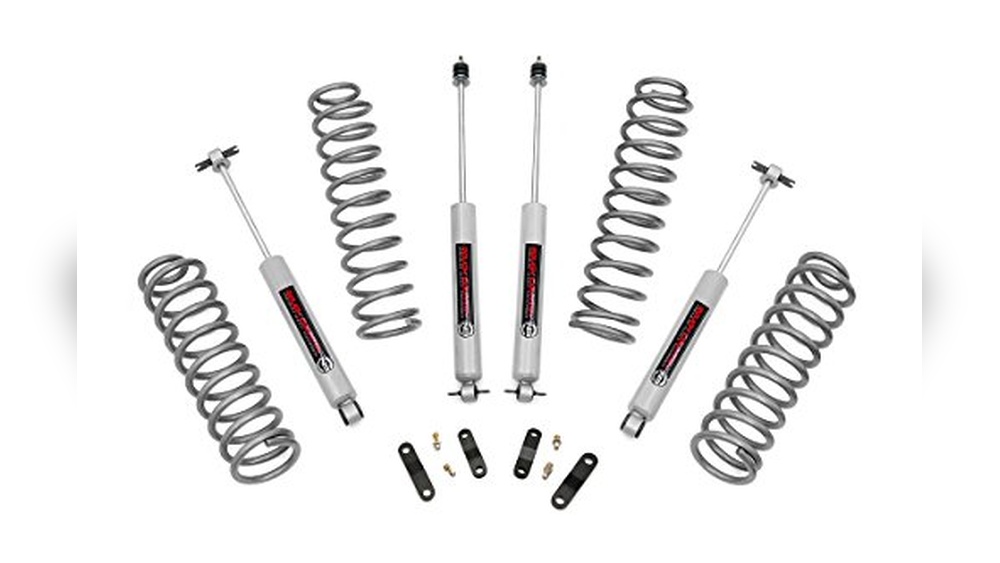
When your Jeep shakes after hitting a bump, it can be both annoying and worrying. Many Jeep owners experience this problem, but not everyone knows why it happens or how to fix it. Understanding the causes can help you solve the issue and keep your Jeep safe and comfortable to drive.
Common Reasons For Jeep Shaking After A Bump
Several parts of your Jeep work together to absorb bumps and keep your ride smooth. If one or more of these parts wear out or fail, you might feel a shake or vibration after hitting a bump.
1. Worn Or Loose Suspension Parts
The suspension system is designed to keep your tires on the road and absorb shocks. Key parts include:
- Ball joints: Connect the steering knuckle to the control arm.
- Control arms: Hold the wheels in line with the body.
- Bushings: Absorb vibration between metal parts.
When these parts wear out or become loose, they allow more movement than normal. After a bump, this can lead to shaking or wobbling.
2. Steering System Problems
The steering linkage guides your wheels. If parts like the tie rods, drag link, or track bar are worn or bent, the Jeep can shake, especially after hitting a bump. This is sometimes called the “death wobble”—a severe, rapid shaking of the steering wheel.
3. Wheel Alignment Issues
Misaligned wheels make the Jeep pull to one side or shake after bumps. Alignment problems often come from hitting potholes, curbs, or rough trails. Poor alignment also wears tires unevenly, making the shaking even worse.
4. Damaged Or Unbalanced Tires
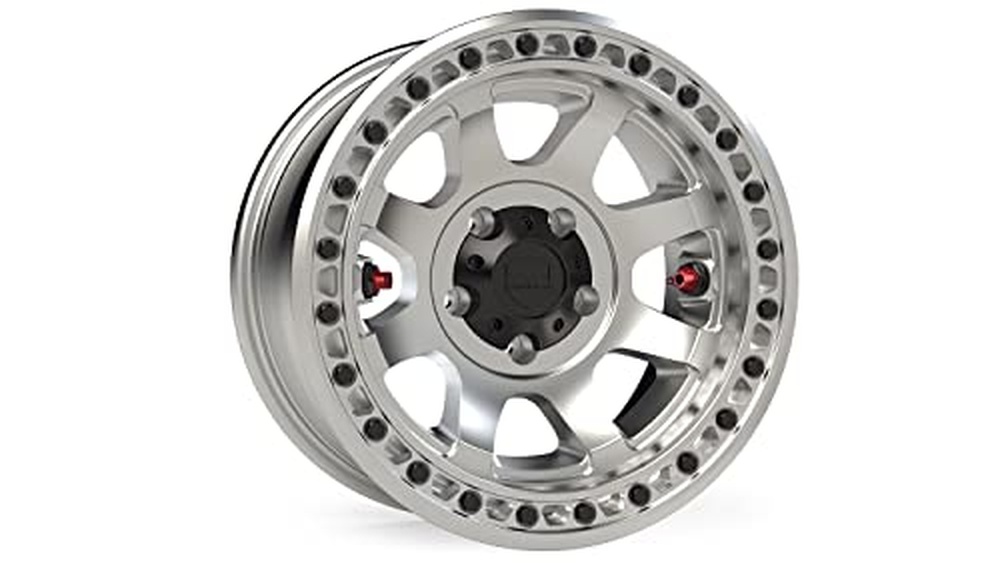
A bent wheel rim, uneven tire wear, or a tire out of balance can cause vibrations. If the tires are not balanced, even a small bump can make the steering wheel shake.
5. Worn Shock Absorbers
Shock absorbers keep your Jeep stable after a bump. When they fail, the Jeep may bounce or shake until it settles.
6. Loose Or Broken Track Bar
The track bar keeps the axle centered under the Jeep. If it’s loose or the bushings are bad, you’ll notice more shaking after hitting a bump.
Here is a comparison of common causes and what you might notice:
| Cause | Common Signs | Typical Repair Cost (USD) |
|---|---|---|
| Worn suspension parts | Loose steering, uneven tire wear | $200 – $800 |
| Steering system issues | Death wobble, vibration in steering wheel | $300 – $1,000 |
| Wheel alignment | Pulling to one side, uneven tire wear | $75 – $200 |
| Tire/wheel problems | Shaking at certain speeds, visible tire damage | $50 – $400 per tire |
| Shock absorbers | Excessive bouncing, poor control | $150 – $600 |
| Track bar issues | Side-to-side wobble, hard steering | $100 – $300 |
How To Diagnose The Problem
Finding the real cause of your Jeep’s shaking is important before replacing parts. Here’s what you can do:
- Visual Inspection: Check for loose, bent, or worn-out parts under your Jeep. Pay extra attention to bushings and joints.
- Check for Play: With the Jeep parked, wiggle the front tires by hand. Any play or movement could mean worn steering or suspension parts.
- Look for Tire Issues: Check for uneven wear, bulges, or missing wheel weights.
- Test Drive: Notice when the shaking happens. Is it only after bumps, at certain speeds, or always present?
- Get a Professional Alignment Check: This will show if your wheels are pointing in the right direction.
A mechanic can also use special tools to test parts under load. Sometimes, shaking is caused by more than one problem.
Here’s a quick reference for where to look based on your symptoms:
| Symptom | Most Likely Area to Check |
|---|---|
| Steering wheel shakes after bump | Track bar, tie rods, ball joints |
| Jeep pulls to one side | Wheel alignment, control arms |
| Shaking at highway speeds | Tires, wheel balance |
| Bouncing after bumps | Shock absorbers, bushings |
Preventing Jeep Shakes In The Future
Keeping your Jeep running smoothly is easier with regular checks and maintenance.
- Rotate and balance your tires every 5,000 to 7,000 miles.
- Have the alignment checked at least once a year, or after any off-road trips.
- Inspect suspension and steering parts for wear every oil change.
- Replace worn parts before they fail completely.
Many Jeep owners miss that small problems often add up. For example, a slightly loose track bar and worn tires together can create a much bigger shaking problem than either part alone.
When To See A Mechanic
If your Jeep shakes badly or the steering wheel vibrates out of your hands, do not wait. Some problems can make your Jeep unsafe to drive. Sudden shaking—especially the “death wobble”—means you should have your Jeep checked by a professional right away.
Also, if you replace one part and the shake does not go away, do not keep guessing. Sometimes, fixing the problem requires more than one repair.

Real-world Example
A 2013 Jeep Wrangler owner noticed shaking after small bumps. After a home inspection, he found nothing obvious. A mechanic later discovered a loose track bar bolt and worn bushings. Tightening the bolt and replacing the bushings stopped the shaking completely.
Helpful Resources
For more technical details and expert advice, visit the official NHTSA Suspension Systems page.

Frequently Asked Questions
Why Is My Jeep Shaking Only After Hitting Bumps?
Your Jeep likely has a worn or loose part in the suspension or steering system. Bumps make these problems worse, causing the shake.
What Is Jeep Death Wobble?
Death wobble is a violent shaking of the steering wheel, usually after hitting a bump. It happens when suspension or steering parts are loose or worn out.
Can Unbalanced Tires Cause Shaking After A Bump?
Yes, unbalanced tires or bent wheels can make your Jeep shake, especially at certain speeds or after hitting a bump.
Is It Safe To Drive With This Problem?
No. If your Jeep shakes after bumps, it can get worse. A sudden loss of control could be dangerous, especially at high speeds.
How Much Does It Cost To Fix A Shaking Jeep?
The cost depends on the cause. Simple fixes like balancing tires cost less, but replacing major parts like the track bar or ball joints can cost several hundred dollars.
A shaking Jeep is not just uncomfortable—it’s a sign something needs attention. Taking action early prevents bigger repairs and keeps you safe on the road. If you notice your Jeep shaking after bumps, check the basics or see a trusted mechanic soon.