When you press the gas pedal in your Jeep and feel a sudden shake, it’s not just annoying—it can be worrying. Many Jeep owners face this problem, but understanding the reasons behind it can help you fix the issue faster and avoid bigger repairs later.
This guide will explain why your Jeep shakes when you accelerate, what you should check first, and how to solve the problem efficiently.
Common Causes Of Jeep Shaking During Acceleration
Jeep vehicles are known for their durability, but like any car, they can develop issues over time. Shaking during acceleration usually points to problems with certain parts of your Jeep. Here are the most common reasons:
1. Worn Driveshaft Or U-joints
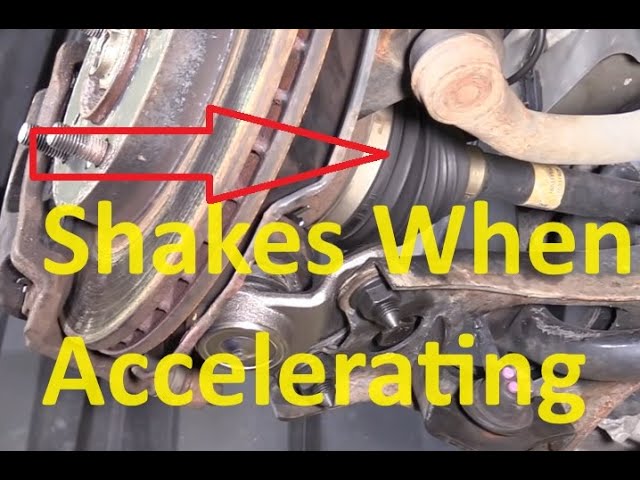
The driveshaft sends power from the engine to the wheels. If the U-joints (universal joints) are worn or the driveshaft is damaged, you’ll feel vibrations, especially when accelerating.
2. Unbalanced Or Damaged Tires
If your tires are not balanced or one has a flat spot, you might notice shaking as you speed up. This is a simple issue but often overlooked.
3. Engine Misfire
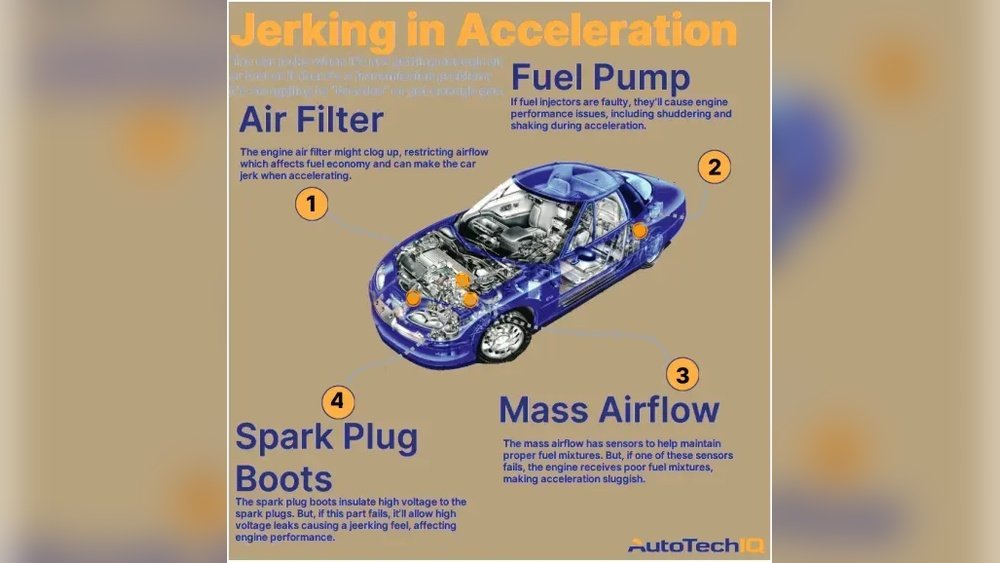
A misfiring engine can shake the whole vehicle. This happens when one or more cylinders fail to fire correctly.
You may also see the check engine light.
4. Bad Motor Mounts
Motor mounts hold your engine in place. If these mounts break or wear out, the engine can move more than it should, causing your Jeep to shake.
5. Worn Suspension Parts
Loose or worn control arms, bushings, or shocks can cause the Jeep to wobble, especially under acceleration.
6. Axle Issues
Bent or damaged axles can lead to shaking as you drive faster. Off-roading or hitting a curb can cause this problem.
7. Transmission Problems
If the transmission isn’t shifting smoothly, or if there’s a problem with the transmission mount, you may feel vibration during acceleration.
How To Diagnose The Problem
Finding the exact cause of shaking can save you time and money. Here’s a step-by-step approach:
1. Check Tire Condition And Balance
Look for uneven tread wear or bulges. Get your tires balanced at a shop if they seem fine but you still feel shaking.
2. Inspect The Driveshaft And U-joints
Crawl under your Jeep and check for any movement in the driveshaft or visible damage to the U-joints.
3. Look For Engine Misfires
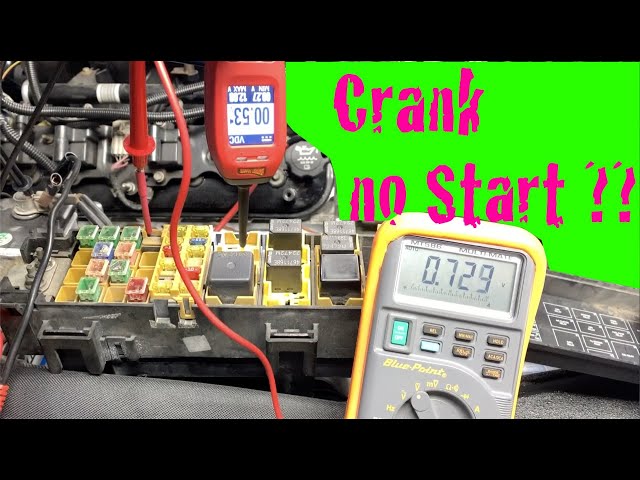
A diagnostic scan tool can help. If the check engine light is on, get the codes read at an auto parts store.
4. Examine The Motor And Transmission Mounts
Look for cracks or worn rubber. Push the engine lightly with a tool—too much movement means a bad mount.
5. Test Suspension And Axle
Bounce each corner of your Jeep. If it doesn’t return quickly to position, the shocks may be worn.
Also, check for bent parts under the vehicle.

Comparing Common Causes: How Serious Are They?
To help you understand the urgency of each issue, here’s a quick comparison:
| Cause | Severity | Repair Cost (Estimate) |
|---|---|---|
| Unbalanced Tires | Low | $40–$100 |
| Driveshaft/U-Joint | Medium | $200–$400 |
| Engine Misfire | High | $150–$700 |
| Motor Mounts | Medium | $200–$600 |
| Axle Damage | High | $400–$900 |
Unbalanced tires are usually the cheapest and easiest fix. Engine misfires and axle problems should be fixed as soon as possible to avoid bigger damage.
Some Jeep owners keep replacing tires or balancing them, but the shaking continues. Here are two insights many miss:
- Aftermarket modifications like lift kits or oversized tires can change the angle of your driveshaft, leading to vibration. If you’ve modified your Jeep, you might need special parts to correct the angles.
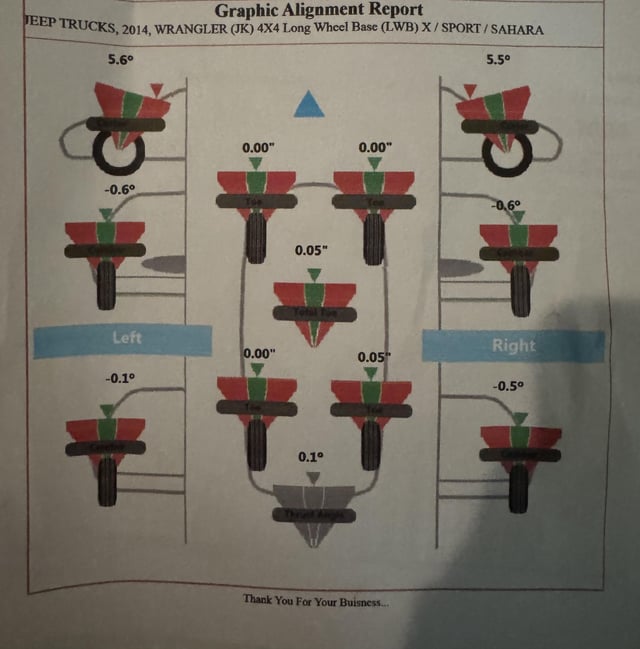
- Wheel alignment matters even if your tires are new. Poor alignment can cause vibrations and uneven tire wear.
Another overlooked point: mud or debris stuck inside your wheels can also cause vibration. Always check after off-roading.
When To Seek Professional Help
Some problems, like tire balancing, are easy to fix at home or at a local shop. But if you notice any of these signs, see a mechanic soon:
- Loud clunking noises when accelerating or turning
- Visible leaks under your Jeep
- Shaking gets worse over time
- The check engine light stays on
If you ignore these issues, you risk more expensive repairs or even losing control on the road.
Preventing Jeep Shakes In The Future
Regular maintenance can stop many vibration problems before they start. Here are a few tips:
- Rotate and balance your tires every 6,000–8,000 miles.
- Inspect the driveshaft and U-joints if you go off-roading often.
- Replace motor mounts at the first sign of wear.
- Don’t ignore small shakes—they often become bigger and more expensive problems.
Here’s a quick maintenance schedule to keep your Jeep running smoothly:
| Task | Frequency |
|---|---|
| Tire Rotation & Balance | 6,000–8,000 miles |
| Suspension Check | Annually |
| Driveshaft Inspection | Every 12,000 miles |
| Alignment Check | Annually or after off-roading |
By following these steps, you can avoid most shaking issues and keep your Jeep safe on the road.