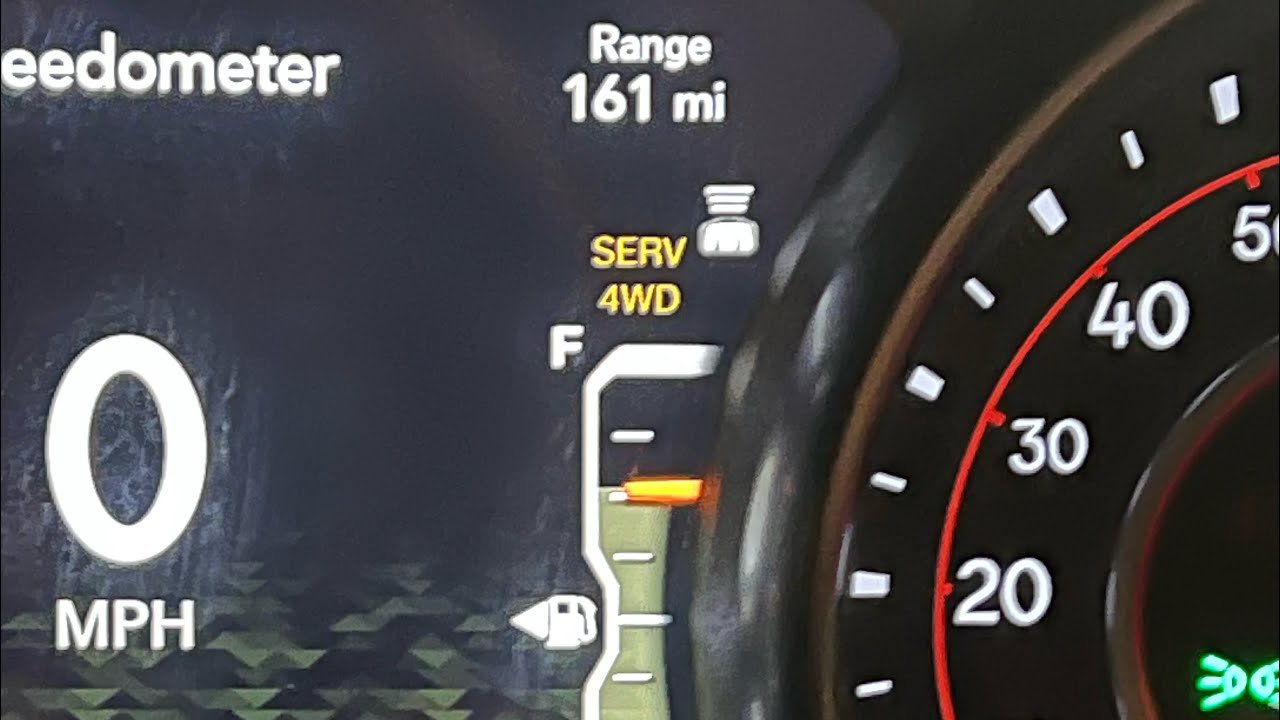
Seeing the “Service 4WD System” message on your Jeep’s dashboard can be confusing and a bit worrying. You might wonder what exactly it means and whether you need to stop driving right away.
This alert is your Jeep’s way of telling you there’s a problem with the four-wheel-drive system, which helps you tackle tough terrain and slippery roads. Ignoring it could lead to bigger, more expensive issues down the road.
You’ll learn what triggers this warning, what common problems to look out for, and the simple steps you can take to protect your Jeep and keep it running smoothly.

Stick with me, and by the end, you’ll know exactly how to handle that warning light and get back on the road with confidence.

Service 4wd System Warning
The “Service 4WD System” warning on your Jeep’s dashboard signals a problem in the four-wheel-drive system. This alert appears to notify you that the vehicle detected an issue needing attention.
Ignoring it can lead to more serious damage or reduced driving safety. Understanding what this warning means helps you act quickly and protect your Jeep.
What The Alert Indicates
This warning means the Jeep’s four-wheel-drive system is not working properly. The vehicle’s computer has found a fault in the drivetrain.
It could involve sensors, transfer case, or electrical parts. Sometimes, the problem disables the rear wheels or limits four-wheel-drive functions.
The system may still drive but with reduced capability. The alert is a signal to check and fix the issue soon.
Impact On Vehicle Performance
A malfunction in the 4WD system changes how the Jeep drives. You may notice poor traction on rough or slippery roads.
The vehicle might switch to two-wheel drive only. This limits the Jeep’s off-road and all-weather ability.
Driving with this problem can cause more wear on parts. Safety can also be affected, especially in difficult road conditions.
Prompt service keeps the Jeep running smoothly and safely.
Common Causes
The “Service 4WD System” warning on your Jeep can appear for several reasons. Understanding these common causes helps you identify the problem quickly.
Some issues are simple, while others need professional attention.
Faulty Wheel Speed Sensors
Wheel speed sensors monitor the rotation of each wheel. A faulty sensor can send wrong data to the vehicle’s computer.
This may trigger the 4WD system warning. Dirt, corrosion, or damage often causes sensor failure.
Transfer Case Position Sensor Issues
The transfer case position sensor tells the system if 4WD is engaged. If this sensor malfunctions, the computer may think the system is off or stuck.
This causes the warning light to come on. Sensor failure or wiring problems are common culprits.
Low Or Contaminated Transfer Case Fluid
The transfer case needs clean fluid to operate smoothly. Low or dirty fluid can cause parts to wear or fail.
This may result in poor 4WD performance and trigger the warning. Regular fluid checks and changes prevent these problems.
Battery Health Problems
A weak or failing battery affects the 4WD system’s electronics. Low voltage can cause sensors and modules to work improperly.
This often leads to the “Service 4WD System” message. Testing and replacing the battery can solve this issue.
Diagnosing The Problem
Diagnosing the “Service 4WD System” alert on your Jeep requires a clear step-by-step approach. This warning means the four-wheel-drive system has detected a problem.
Identifying the root cause early can prevent further damage and costly repairs. The process involves simple checks and using diagnostic tools to find exact issues.
Checking Battery And Connections
Start by inspecting the battery and its connections. A weak or dead battery can trigger the 4WD warning light.
Make sure battery terminals are clean and tight. Corroded or loose connections may cause electrical issues.
Test the battery voltage with a multimeter. Replace the battery if it cannot hold a proper charge.
This step ensures the system has enough power to operate correctly.
Using An Obd-ii Scanner
Next, use an OBD-II scanner to read the vehicle’s computer. This tool connects to the Jeep’s diagnostic port under the dashboard.
It pulls error codes stored by the system. These codes help pinpoint the exact fault.
Many auto parts stores offer free code reading services. Using a scanner saves time by avoiding guesswork. It guides you toward the needed repairs.
Interpreting Diagnostic Trouble Codes
After retrieving codes, interpret their meaning carefully. Each code refers to a specific problem area.
Common codes relate to sensors, wiring, or the transfer case. Look up code definitions in the scanner manual or online.
Understanding codes helps decide if you can fix the issue yourself. Some codes require professional attention.
Clear codes only after fixing the problem to see if the warning returns.

Quick Fixes
Seeing the “Service 4WD System” message can feel worrying. Some fixes are simple and quick.
You might solve the problem without a mechanic.
Try these quick fixes first. They often restore your Jeep’s four-wheel-drive system fast.
Each step addresses common causes of the warning.
Resetting The 4wd System
Start by turning off your Jeep and waiting a few minutes. Restart the vehicle and shift through the 4WD modes.
This can reset the system’s sensors and computers. If the message clears, the issue may be a temporary glitch.
Replacing Faulty Sensors
Faulty sensors often trigger the 4WD warning. Common culprits include wheel speed sensors and transfer case sensors.
Inspect these for damage or dirt. Replacing a bad sensor restores correct signals to the system and often stops the warning light.
Refilling Or Changing Transfer Case Fluid
Low or dirty transfer case fluid can cause system errors. Check fluid levels regularly.
Drain and replace the fluid if it looks dark or dirty. Fresh fluid keeps components lubricated and functioning properly, which helps the 4WD system work smoothly.
Battery Replacement Tips
A weak or old battery affects the 4WD system. Check the battery’s charge and terminal connections.
Replace the battery if it is over three years old or shows signs of weakness. A strong battery supports all electrical parts, including the 4WD system.
When To See A Mechanic
Seeing the “Service 4WD System” message on your Jeep can be worrying. This alert means the four-wheel-drive system needs professional attention.
Some issues might be simple, but others require a mechanic’s expertise. Knowing when to visit a mechanic helps avoid bigger problems and costly repairs.
Here are key reasons to seek expert help.
Complex Transfer Case Issues
The transfer case is vital for your Jeep’s 4WD function. Problems here can cause serious drivability issues.
Strange noises, difficulty shifting, or fluid leaks point to transfer case troubles. These problems need a mechanic’s tools and skills to fix safely.
Delaying repair can damage other parts of the system.
Drivetrain Control Module Repairs
The drivetrain control module manages the 4WD system’s operation. Faulty sensors or electrical faults can trigger the service warning.
A mechanic can diagnose and repair module issues using specialized scanners. Ignoring this can lead to system failure and unsafe driving conditions.
Signs You Shouldn’t Ignore
Warning lights, strange sounds, or poor 4WD performance are signs to act fast. Losing traction or feeling unusual vibrations means the system is compromised.
Immediate mechanic inspection prevents further damage and keeps your Jeep safe on all terrains.
Preventative Maintenance
Preventative maintenance plays a important role in keeping your Jeep’s 4WD system running smoothly. Small checks and timely care can stop many issues before they cause damage.
Staying on top of maintenance helps you avoid costly repairs and ensures your Jeep performs well on all terrains.
Regular Fluid Checks
Fluid levels in the transfer case and differentials affect your 4WD system. Low or dirty fluid can cause parts to wear out faster.
Check these fluids regularly, at least every 30,000 miles or as your owner’s manual suggests. Clean and proper fluid keeps gears lubricated and prevents overheating.
Battery Care And Replacement Schedule
A weak battery can trigger the “Service 4WD System” warning. The 4WD system needs a strong power supply to work right.
Test your battery often, especially before winter or long trips. Replace it every 3 to 5 years or when it shows signs of weakness.
Clean battery terminals help maintain a good connection.
Routine Sensor Inspections
Sensors monitor how the 4WD system operates. Faulty sensors may send wrong signals, causing the warning light to appear.
Check sensors like wheel speed and transfer case position sensors regularly. Clean or replace them if you notice dirt, damage, or poor performance.
Proper sensor function helps keep the 4WD system reliable.
Conclusion
Seeing the "Service 4WD System" message means your Jeep needs attention soon. This alert helps protect your four-wheel-drive from bigger damage.
Common causes include faulty sensors, low fluid, or battery issues. Simple checks like inspecting the battery or reading error codes can guide you.
Acting early keeps your Jeep safe and driving strong. Don’t ignore the warning fixing problems quickly saves money and stress later.
Stay aware and maintain your 4WD system for reliable Jeep adventures.