If your Jeep keeps dying unexpectedly, it can turn every drive into a worry. Whether you're stuck at a traffic light or out on the trail, a stalling engine is frustrating and sometimes even dangerous.
Many drivers experience this problem, but the causes are not always obvious.
In this article, you’ll discover the main reasons why a Jeep might keep dying, how to spot the issue, and what to do next. You’ll also see some practical comparisons and helpful tables for quick reference.
Common Reasons Your Jeep Keeps Dying
Jeep vehicles are known for their ruggedness, but even tough cars can face engine problems. Here are the most frequent causes:
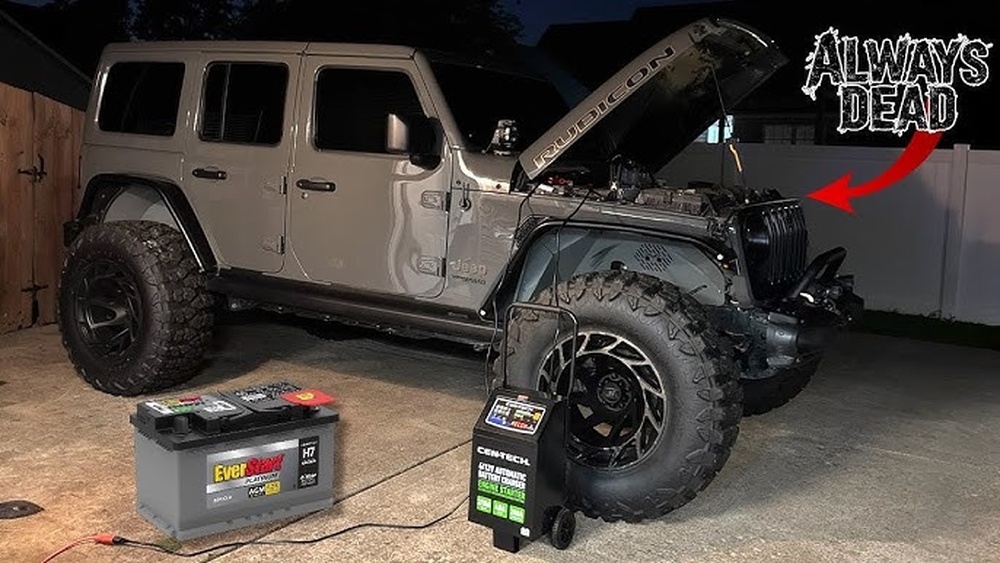
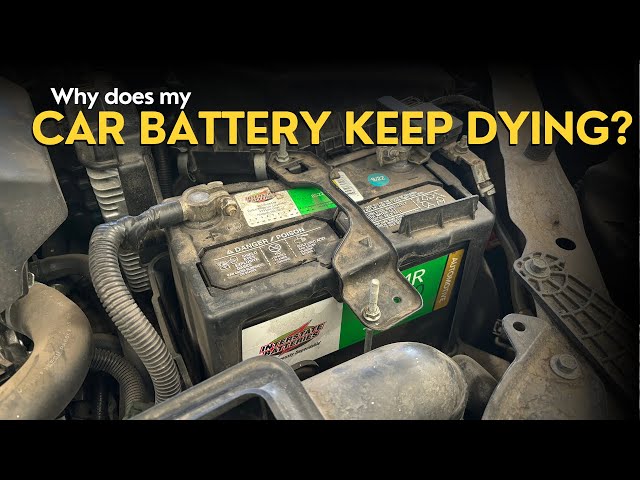
- Battery Issues: A weak or dead battery is one of the most common reasons a Jeep won’t stay running. If your battery is more than three years old or you notice dim lights, it’s time to check it.
- Alternator Problems: The alternator charges the battery while driving. If it fails, your Jeep will run for a short time and then die once the battery is drained.
- Fuel Delivery Problems: Dirty fuel injectors, a clogged fuel filter, or a failing fuel pump can all cause your Jeep to stall.
- Ignition System Faults: Bad spark plugs, ignition coils, or wiring can prevent your engine from firing properly.
- Sensor Malfunctions: Modern Jeeps rely on sensors like the crankshaft position sensor and camshaft sensor. If these fail, your engine may shut down suddenly.
- Vacuum Leaks: Leaks in the vacuum system can cause your engine to run unevenly and sometimes stall.
- Dirty Throttle Body: A dirty or clogged throttle body can restrict airflow, leading to engine stalling.
Here’s a quick comparison of symptoms for each problem:
| Problem | Common Symptoms | Estimated Repair Cost |
|---|---|---|
| Battery | Dim lights, slow start | $100-$250 |
| Alternator | Battery warning light, dies while driving | $400-$700 |
| Fuel Pump | Stalls under load, won’t start | $500-$900 |
| Ignition System | Misfire, rough idle | $150-$400 |
| Sensors | Sudden stall, check engine light | $75-$300 |
Diagnosing The Problem
Pinpointing why your Jeep keeps dying can be tricky. Start by observing the behavior:
- Does it die while idling, accelerating, or cruising?
- Are there warning lights on the dashboard?
- Is the engine struggling to start?
If you can answer these questions, you can narrow down the cause. For example, a Jeep that dies only at idle may have a dirty throttle body or idle air control valve issue. If it dies while driving, the alternator or fuel pump might be to blame.
You can also use an OBD-II scanner to check for error codes. These codes can point to faulty sensors or ignition problems.
Many auto stores will scan your car for free.
| When It Dies | Likely Cause | What to Check |
|---|---|---|
| At Idle | Throttle body, sensors | Clean throttle body, scan for codes |
| While Driving | Alternator, fuel pump | Check battery voltage, listen for fuel pump noise |
| After Starting | Battery, ignition system | Test battery, inspect spark plugs |

Practical Steps To Fix A Jeep That Keeps Dying
Once you know the likely cause, you can take action. Here are practical steps:
- Check the Battery: Use a voltmeter to test battery voltage. A healthy battery should show 12.6 volts or higher.
- Test the Alternator: With the engine running, test voltage at the battery. It should read 13.7–14.7 volts. If not, the alternator may be bad.
- Inspect Fuel System: Listen for the fuel pump when you turn the key. If you don’t hear it, the pump could be failing. Also, replace the fuel filter if it’s old.
- Replace Spark Plugs and Wires: Old plugs or wires can cause misfires. Change them if they’re worn out.
- Clean Throttle Body: Remove and clean the throttle body with throttle cleaner. This restores proper airflow.
- Check Sensors: Scan for error codes. Replace sensors like the crankshaft position sensor if needed.
A non-obvious tip: Sometimes, a Jeep with aftermarket modifications (like lift kits or extra lights) can put extra load on the electrical system, causing stalls. Always check wiring after any upgrades.
Another insight: Many Jeep owners overlook the ground connections. Loose or corroded ground wires can cause random stalling. Inspect and clean all grounds, especially in older Jeeps.
How Regular Maintenance Prevents Stalling
Proper maintenance is key to keeping your Jeep reliable. Follow these tips:
- Replace the battery every 3–5 years.
- Change the fuel filter every 30,000 miles.
- Inspect spark plugs every 20,000 miles.
- Clean the throttle body yearly.
- Check ground wires and electrical connections every oil change.
Here’s a simple maintenance schedule for Jeep owners:
| Task | Frequency | Why It Matters |
|---|---|---|
| Battery check | Yearly | Prevents starting and stalling issues |
| Fuel filter change | Every 30,000 miles | Keeps fuel system clean |
| Spark plug inspection | Every 20,000 miles | Ensures smooth ignition |
| Throttle body cleaning | Yearly | Maintains proper airflow |
| Ground wire check | Every oil change | Prevents electrical issues |
Frequently Asked Questions
Why Does My Jeep Die At Idle But Runs Fine When Driving?
This usually points to a dirty throttle body or a faulty idle air control valve. Cleaning or replacing these parts can fix the problem.
Can A Bad Alternator Cause My Jeep To Stall?
Yes. A bad alternator means the battery isn’t charged while driving, so your Jeep will die once the battery runs out of power.
What Does A Check Engine Light Mean If My Jeep Keeps Dying?
The check engine light signals a problem in the engine or electrical system. Use an OBD-II scanner to find error codes and fix the issue.
How Do I Know If My Fuel Pump Is Failing?
Common signs are stalling under load, rough starts, or the engine not starting at all. Listen for the fuel pump when turning the key.
Is It Safe To Keep Driving If My Jeep Keeps Dying?
No. Driving a Jeep that stalls often can be dangerous and may damage other parts.
Get it checked and repaired as soon as possible.
A Jeep that keeps dying can be fixed with careful diagnosis and regular care. Focus on the main systems—battery, alternator, fuel, ignition, and sensors. If you’re unsure, seek help from a trusted mechanic or learn more from reliable resources like Jeep Official Site. Your Jeep can be reliable again with the right steps.



















