Why Does My Jeep Die While Driving?
If your Jeep dies while driving, you’re not alone. Many Jeep owners experience their vehicle suddenly stalling or shutting off during a drive. This can be scary, especially if it happens in traffic or on the highway. Understanding why this happens is the first step to fixing the problem and getting back on the road safely.
Common Reasons Your Jeep Dies While Driving
Several issues can cause your Jeep to stall unexpectedly. While some are simple, others may require a skilled mechanic. Here are the most common reasons:
1. Faulty Crankshaft Position Sensor
The crankshaft position sensor tells your Jeep’s computer where the engine’s crankshaft is positioned. If this sensor fails, the engine can stop running instantly. Many Jeep models, especially older Cherokees and Wranglers, are known for crank sensor issues.
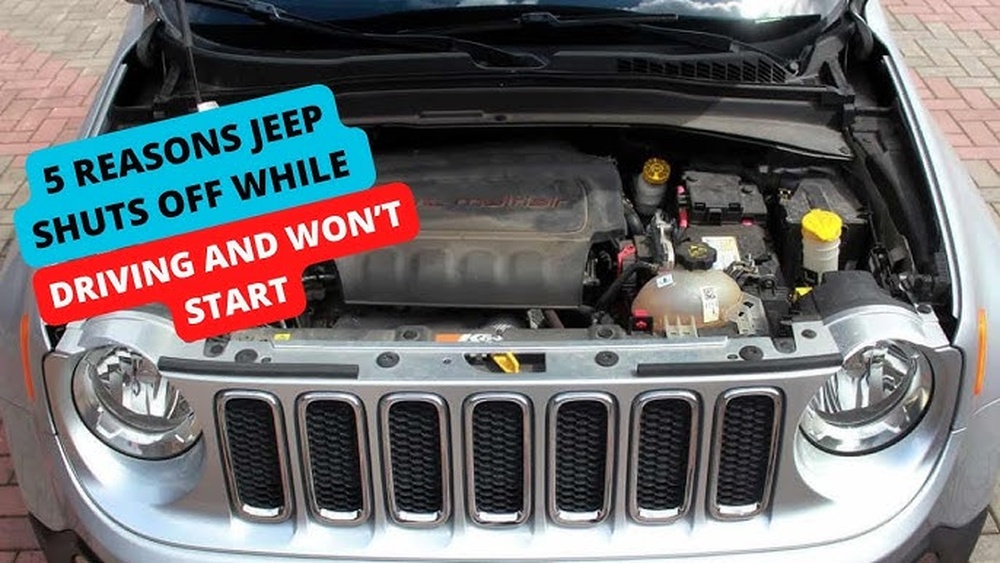
Example: A 2010 Jeep Wrangler stalling at random speeds, only to restart after cooling for 10 minutes, often points to a bad crankshaft sensor.
2. Failing Fuel Pump
A weak or failing fuel pump can’t supply enough gasoline to keep the engine running. The engine may sputter, hesitate, or die—especially when accelerating or driving uphill.
Data: According to Jeep forums, over 30% of stalling issues in older Jeep Grand Cherokees are linked to fuel pump failures.
3. Bad Ignition Switch
If the ignition switch wears out, it may cut power to the engine suddenly, causing your Jeep to stall. This is more common in high-mileage vehicles.
4. Electrical Problems
Loose or corroded battery cables, bad grounds, or failing alternators can interrupt the power supply. Even a small moment without electricity can shut the engine off.
5. Clogged Fuel Filter
A clogged fuel filter blocks the flow of gasoline to your engine. Your Jeep may run fine at idle but die when you try to accelerate.
6. Faulty Pcm (powertrain Control Module)
The PCM is your Jeep’s “brain.” When it malfunctions, it can cause random shutdowns, rough running, or refusal to start. This is rare but possible, especially in older models.
How To Diagnose The Problem
Figuring out why your Jeep dies while driving takes a bit of detective work. Here’s a comparison of common symptoms to help you narrow down the cause:
| Symptom | Likely Cause | Quick Test |
|---|---|---|
| Stalls when hot | Crankshaft sensor | Check for codes, try to restart after cooling |
| Stalls on acceleration | Fuel pump/filter | Listen for fuel pump sound, check pressure |
| No electrical power | Ignition switch/battery | Test voltage, wiggle key while running |
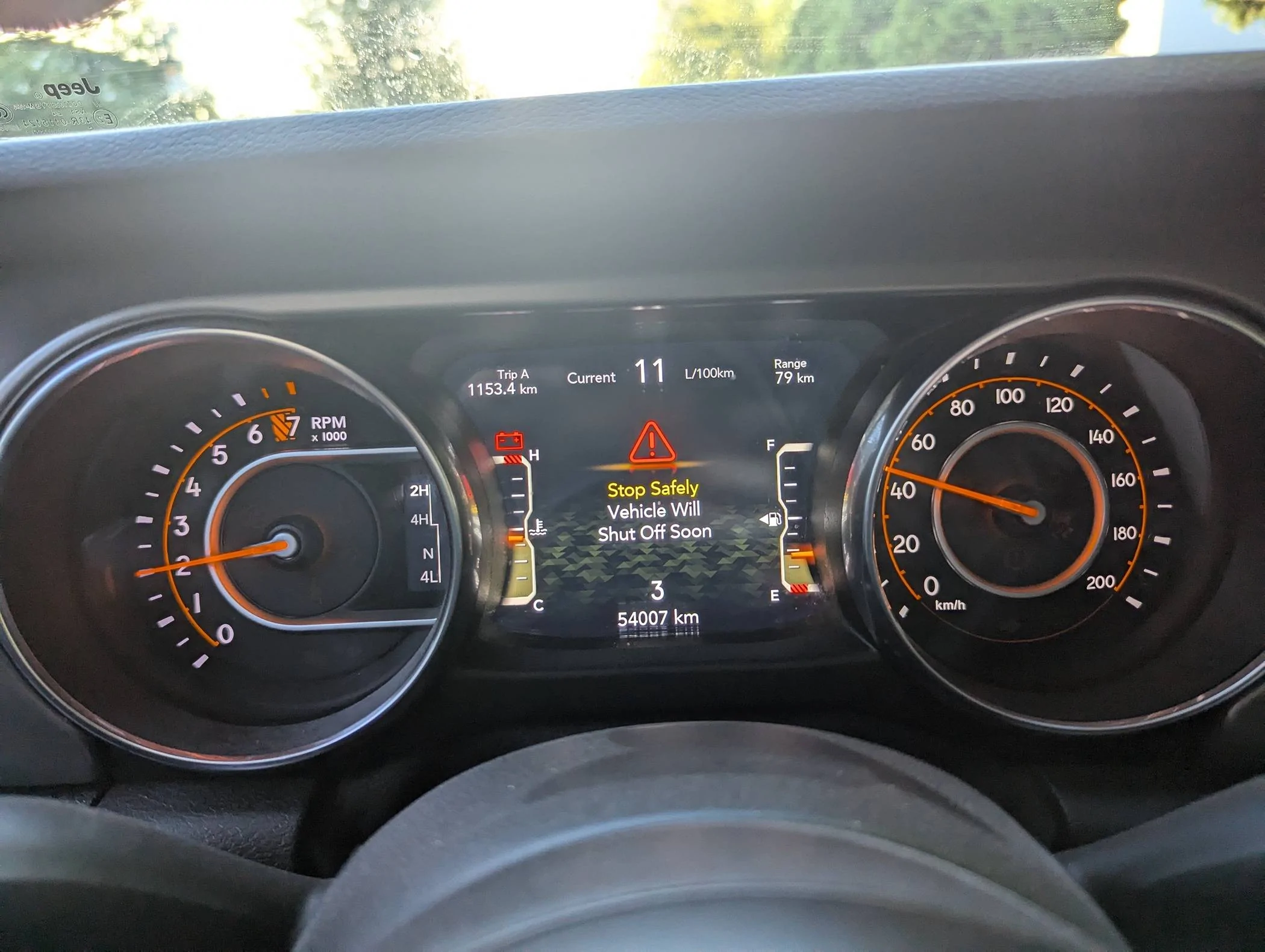
Tip: If your Jeep restarts easily after dying, the issue is often electrical or sensor-related. If it won’t restart, fuel delivery is a more likely culprit.
Preventive Maintenance Tips
Stalling can often be prevented with regular care. Here are some actionable tips:
- Replace fuel filters every 30,000 miles.
- Inspect and clean battery terminals twice a year.
- Use quality gasoline to avoid deposits.
- Listen for unusual fuel pump noises.
- Scan for error codes if you see a Check Engine Light.
Many drivers skip these steps, but small investments in maintenance can save you from being stranded.
Real-world Example: Jeep Grand Cherokee
Let’s look at a real scenario. A driver owns a 2005 Jeep Grand Cherokee and reports sudden engine shutdowns at highway speed.
After months of replacing parts, the issue was traced to a failing PCM. This is less common but shows that even the vehicle’s computer can cause stalling.
Another case involves a Jeep Wrangler TJ that dies at stops. The culprit?
A loose ground wire under the dashboard. Tightening it solved the issue.
Cost Comparison For Common Repairs
Repair costs can vary. Here’s a quick look at what you might expect to pay for each common fix:
| Repair | Average Cost (Parts & Labor) | DIY Difficulty |
|---|---|---|
| Crankshaft Sensor | $120 – $250 | Moderate |
| Fuel Pump | $400 – $800 | High |
| Ignition Switch | $150 – $300 | Low |
| PCM Replacement | $800 – $1,500 | High |
Non-obvious insight: Sometimes, a failing part may work intermittently, making the problem hard to track. For example, a crankshaft sensor can fail only when hot, passing tests when cold.
When To Seek Professional Help
If you’ve checked the basics and still can’t find the problem, it’s best to see a qualified mechanic. Modern Jeeps use complex electronics, and guessing can get expensive quickly.
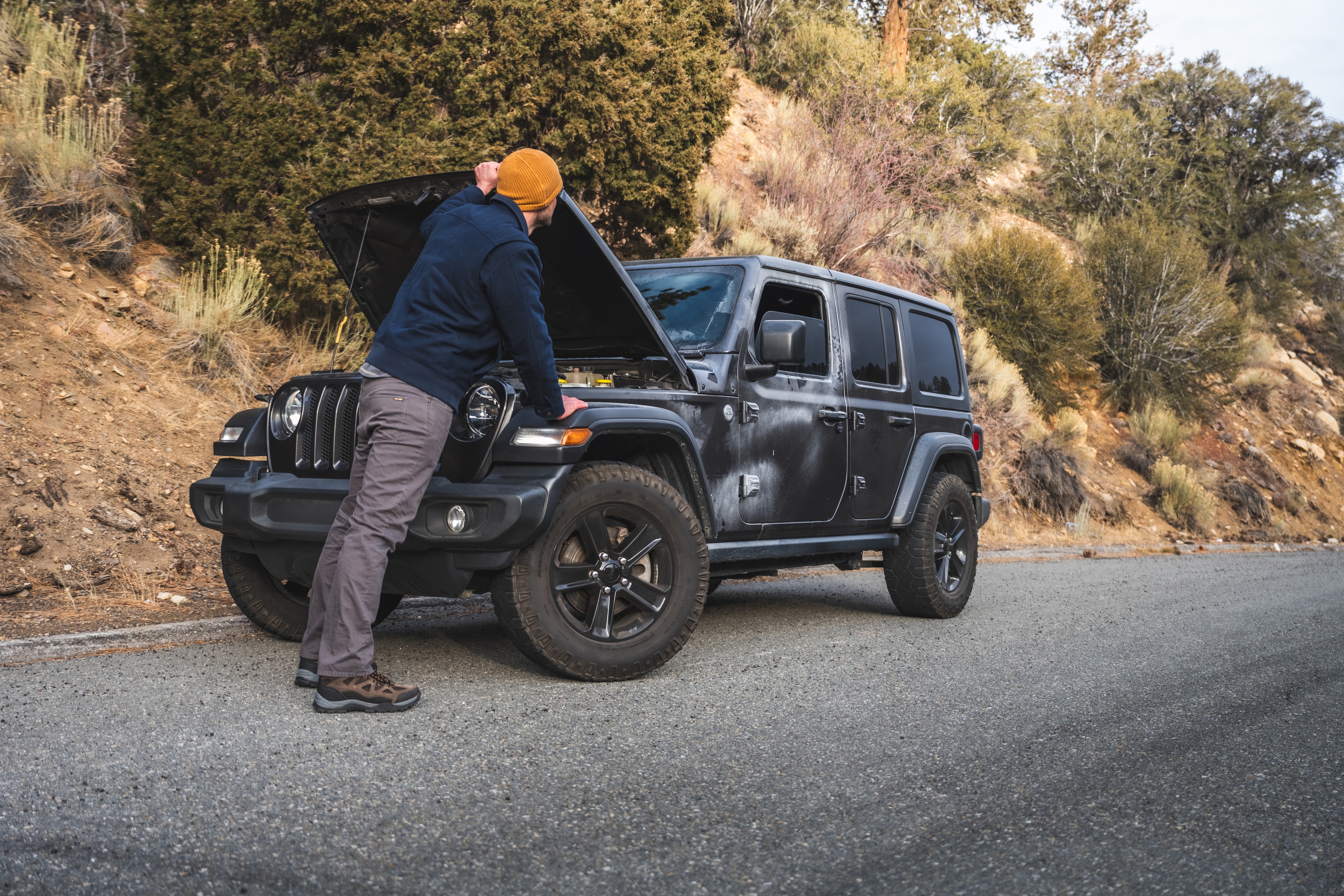
Warning: Don’t ignore a stalling Jeep. It’s not just annoying—it’s dangerous. Loss of power steering or brakes can make it difficult to control your vehicle.
Frequently Asked Questions
Why Does My Jeep Die But Restart After A Few Minutes?
This often points to a crankshaft position sensor that fails when hot, then works again after cooling. It could also be a fuel pump overheating.
Can A Bad Battery Cause My Jeep To Stall While Driving?
Yes, if the battery or its connections are bad, it can cut off power to essential systems, causing the engine to die.
Is A Check Engine Light Always Present If My Jeep Stalls?
Not always. Some sensor or electrical faults may not trigger a Check Engine Light right away, especially if they are intermittent.
How Do I Know If The Fuel Pump Is The Problem?
Listen for a whining noise from the gas tank, or check if the Jeep sputters or dies when accelerating. A fuel pressure test can confirm the issue.
Should I Drive My Jeep If It Stalls Randomly?
It’s unsafe to keep driving a Jeep that dies while moving. Get it checked as soon as possible to avoid getting stranded or causing an accident.
If your Jeep keeps dying while driving, don’t ignore it. With a little troubleshooting and attention to detail, you can find the cause, fix the problem, and get back to enjoying the road. For more details on engine sensors and repairs, check resources like Wikipedia for technical explanations. Stay safe and keep your Jeep running strong.



















